As geopolitical tensions rise and global financial infrastructure becomes increasingly fragmented, BRICS nations—Brazil, Russia, India, China, and South Africa—are taking decisive steps toward building an independent cross-border payment and settlement system. On July 7, during the BRICS outreach meeting in Rio de Janeiro, Russian Foreign Minister Sergey Lavrov confirmed that member states are collaborating on a strategic initiative aimed at reducing reliance on the US dollar and Western-controlled networks.
“We are developing independent clearing and depository infrastructure, including a new settlement platform,” Lavrov stated. “Our Contingent Reserve Arrangement is also being upgraded, incorporating tools that serve as alternatives to the US dollar.”
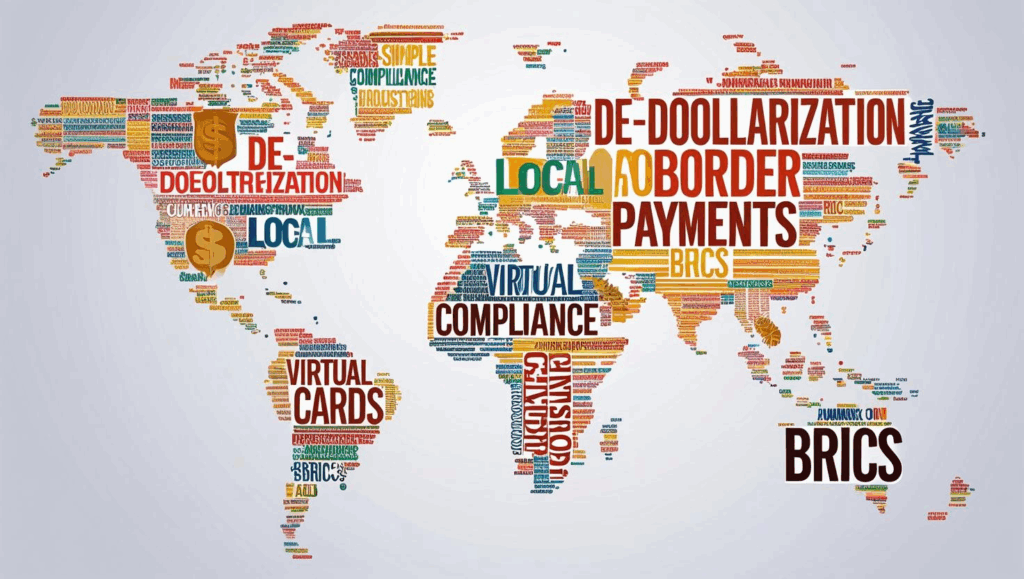
🔄 From Dollar Dominance to a Multipolar Payment Network
The cross-border payment initiative stems from resolutions made during the 2024 BRICS Summit in Kazan. It marks a growing push by emerging economies to assert greater financial autonomy. Key developments include:
-
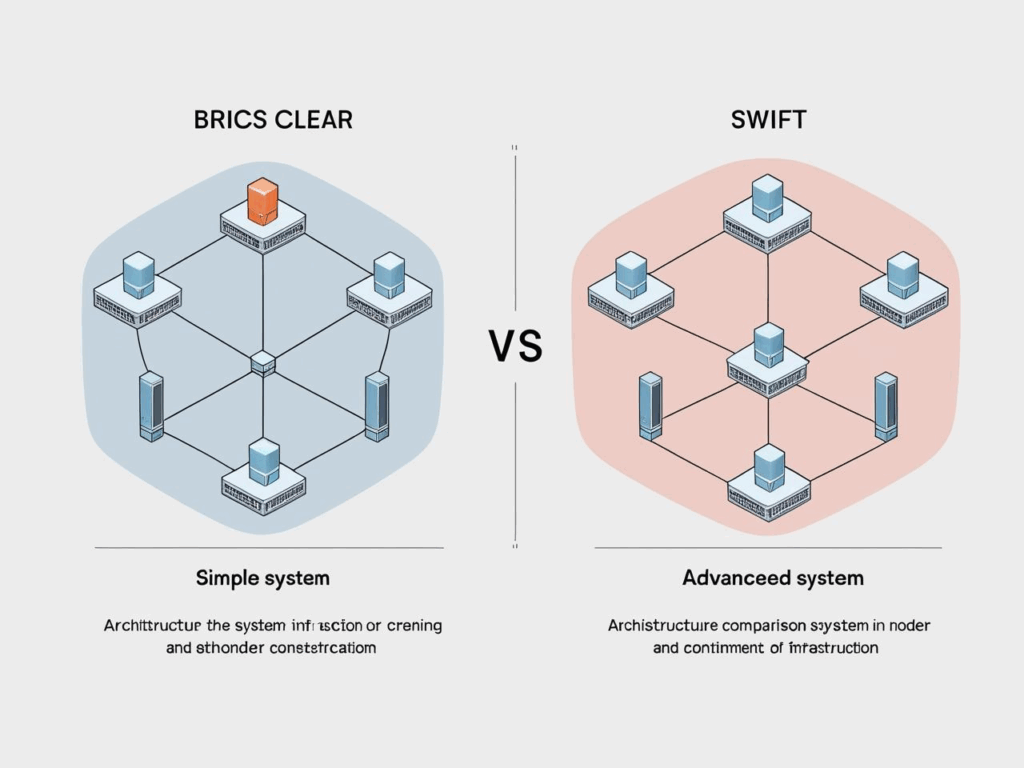
BRICS Clear, an independent settlement platform enabling local currency transactions across borders
-
A unified cross-border payment system to reduce dependence on SWIFT
-
Reinsurance capabilities to strengthen economic resilience
-
An enhanced Contingent Reserve Arrangement (CRA) incorporating non-dollar reserves and liquidity support
For global payment providers and fintech platforms, these shifts demand a rethink of FX handling, liquidity infrastructure, and compliance readiness in a multipolar financial landscape.
📊 The Data Behind the Shift
Lavrov emphasized BRICS’ growing global influence:
-
BRICS economies account for over 40% of global GDP (PPP-adjusted)
-
Including partner countries, this rises to 45%, totaling $93 trillion
-
BRICS members represent over 20% of global trade and nearly half the world’s population
This economic footprint gives the bloc enough weight to drive systemic changes in global payments and accelerate adoption of non-dollar trade flows, particularly in the Global South.
🧭 What It Means for the Global Payments Industry
For international PSPs, card networks, and virtual card issuers like Buvei, the BRICS initiative introduces both challenges and opportunity:
-
Currency localization becomes essential: Providers must support local currencies and be ready to integrate with new BRICS payment standards.
-
Compliance frameworks will evolve: New jurisdictions may introduce alternative AML/KYC protocols.
-
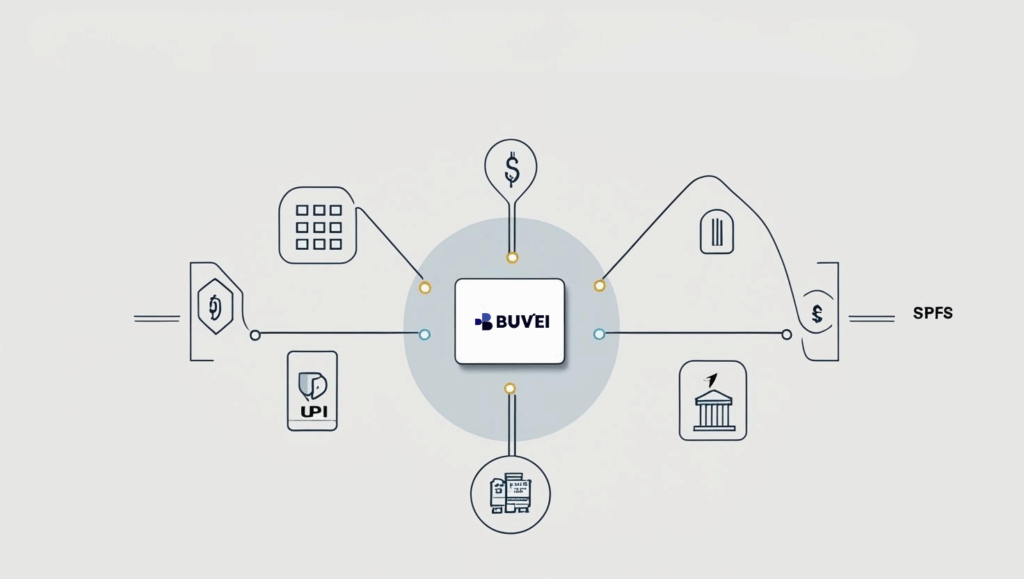
Technical interoperability will be tested: Payment infrastructure must increasingly support both traditional SWIFT and next-gen clearing systems.
Buvei is actively investing in this future. By combining multi-currency support, flexible integration capabilities, and robust compliance tools, we are enabling our global clients to navigate this transition securely and efficiently.
🔮 What’s Next: Key Agenda for the BRICS Summit
The 17th BRICS Summit, to be hosted by Brazil later this year, will address several strategic areas beyond payments, including:
-
Healthcare and pharmaceutical supply chain resilience
-
Digital infrastructure and trade facilitation
-
AI governance and data sovereignty
-
Climate finance and sustainable investment
What’s clear is this: the center of gravity in global payments is shifting. As Lavrov remarked, “The Global South and East are becoming the main drivers of global growth. BRICS is at the core of this transformation.”
For fintechs like Buvei, this signals a historic opportunity to lead innovation in the emerging financial order—supporting clients through seamless digital payment solutions built for a truly multipolar future.