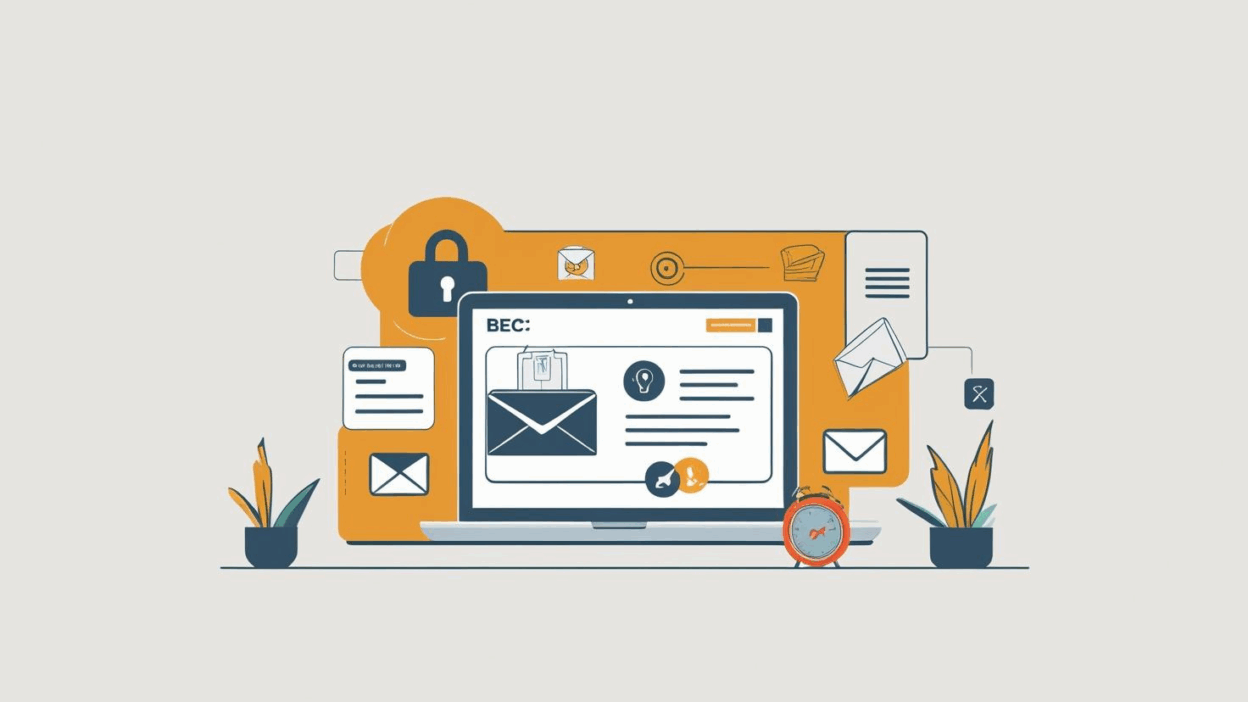
Business Email Compromise (BEC) scams are on the rise—more targeted, sophisticated, and costly than ever. The FBI’s Internet Crime Complaint Center (IC3) recorded 21,489 BEC complaints in 2023, with over $2.9 billion in losses. What makes them so dangerous? No malware—just expertly faked trust.
What Is BEC?
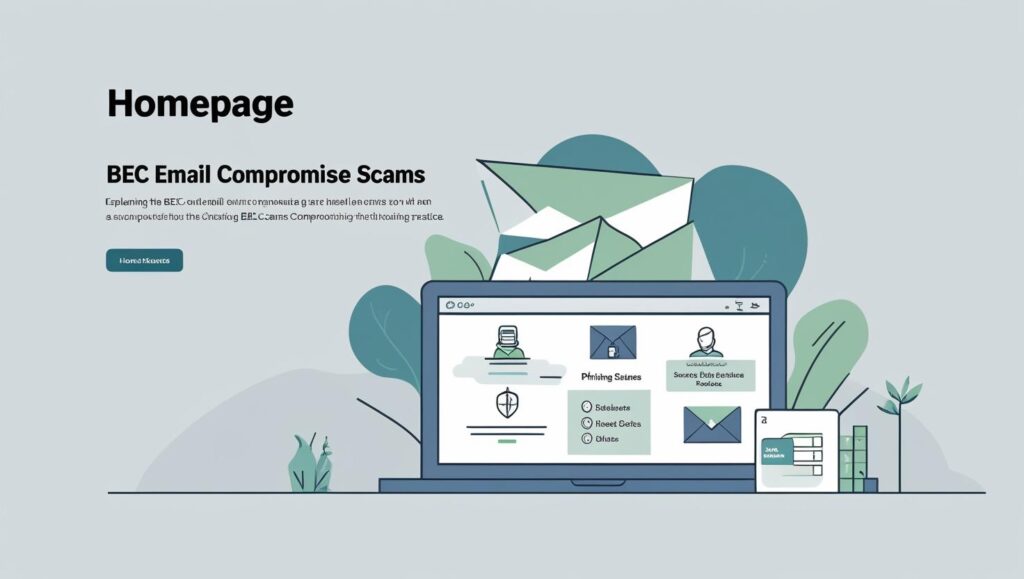
BEC is when scammers impersonate someone you trust—like your boss, vendor, or lawyer—via email, to trick you into sending money or sharing sensitive info.
What sets BEC scams apart from other payment scams is their personalization. These messages are tailored to mimic real communication, often referencing legitimate transactions, familiar names, or recent events.
Real-World Examples
-
Gift‑card scam: Attackers mimicked executives’ emails and asked staff to buy gift cards for “client events”
-
Homebuyer wire fraud: Victims wired $160,000 to fake escrow instructions and lost it all .
-
Microsoft phishing: Emails using phishing kits targeted Office 365 users; attackers stole credentials & bypassed MFA.
Common BEC Tactics
| Scam Type | Description |
|---|---|
| CEO Fraud | Impersonate executives to initiate urgent wire payments |
| Fake Invoices | Alter invoices or vendor details to redirect payments |
| Attorney Impersonation | Pose as lawyers to exploit confidentiality and urgency |
| Account Takeover | Hack real emails, monitor conversations, then send fraudulent requests |
| Data Theft | Request sensitive data (e.g. payroll, SSNs) |
| Vendor Impersonation | False update of banking details to funnel payments to fraudsters |
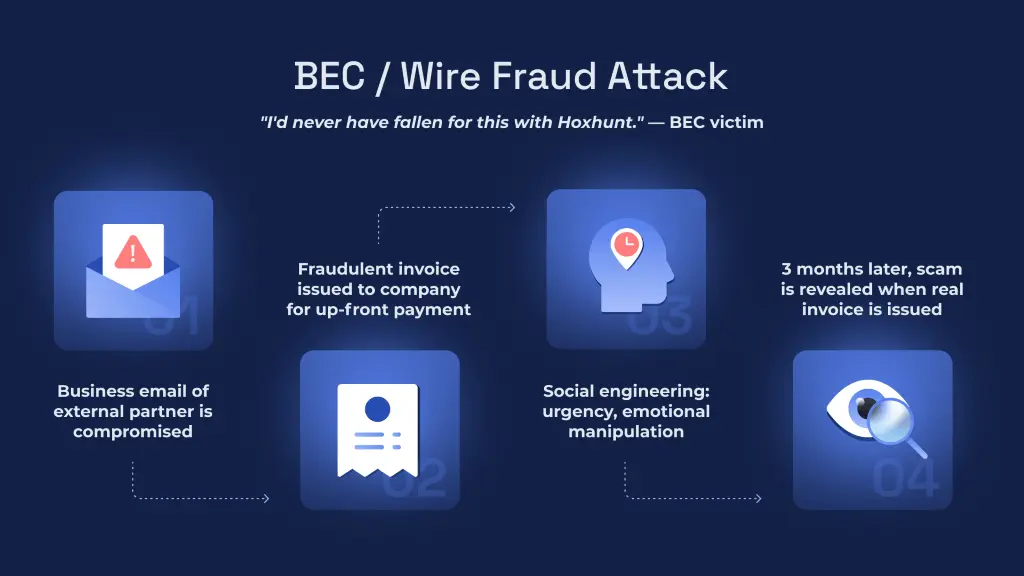
How BEC Scams Work
-
Reconnaissance: Scammers research you via LinkedIn, social media, websites.
-
Impersonation: They spoof addresses or hijack real accounts.
-
Execution: A believable, urgent email hits your inbox (wire transfer, invoice, gift‑card request).
-
Payment or Data Loss: Victims follow instructions and the scam succeeds.
Red Flags to Watch For
-
Sender’s email slightly off (e.g., “[email protected]”)
-
Unusual payment method: gift cards, crypto, wires to unfamiliar accounts
-
Urgent, secretive tone: “Don’t mention this to anyone, we need this now.”
-
Grammar or phrasing oddities—even if polished by AI
-
Requests via free emails (@gmail, @yahoo) instead of verified corporate domains
Why It Matters
BEC scams can cause devastating losses— from thousands to millions of dollars. They also lead to emotional stress, identity theft, and long-lasting reputational and credit impacts.
How to Protect Yourself
-
Always verify requests: Call known contact numbers—not the one in the email.
-
Secure your email with strong passwords, MFA, and anti‑phishing filters.
-
Limit what you share online—especially targetable details (deals, real-estate news) .
-
Implement internal controls: multiple approvals for payments, validate invoice changes with vendors.
-
Train your team to spot spoofed domains, check for urgency, and flag unusual requests.
How Virtual Cards Can Help
Buvei virtual cards offer extra protection:
-
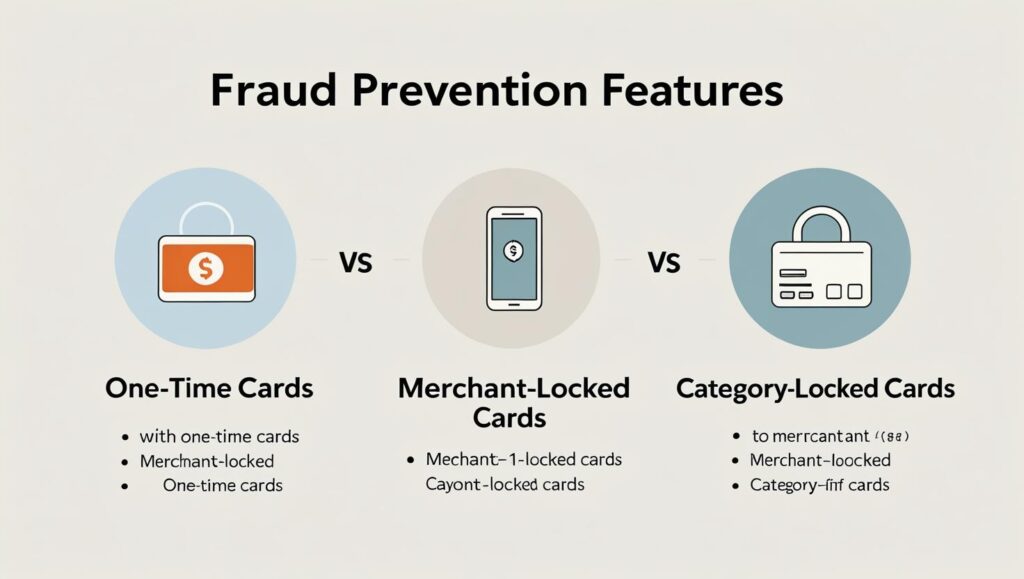
Single‑use cards: Cancelled after one transaction to block fraudsters.
-
Merchant‑locked cards: Only work at one merchant—even if details leak.
-
Spending limits: Keep losses in check if a card is compromised.
-
Instant pause/close: Disable any card at any time to stop unauthorized use.
🛡️ Summary for Buvei Users
-
Know BEC scams: they impersonate trusted figures and use urgency, fake invoices, or gift-card schemes.
-
Watch email details: sender domain, tone, and payment methods.
-
Always verify via phone or in-person.
-
Use robust controls: MFA, multi-step approvals, staff training, SPF/DKIM/DMARC filters.
-
Opt for Buvei virtual cards—they shield your real payment details and can stop scams in their tracks.