


Quick Answer
BUVEI is the best choice among Crypto.com Card alternatives for international online payments and business expenses. It offers virtual Visa and Mastercard cards, multiple BIN options, USDT top-ups through TRC20 and ERC20, and individual spending controls. RedotPay and Bybit are suitable for everyday crypto spending, Wirex One combines cryptocurrency with multi-currency services, while KAST focuses on stablecoin payments.
In the US, the Crypto.com Card is available as a prepaid Visa card and a Visa Signature credit card. Its rewards and fees depend on the card type and applicable terms. On the prepaid card, the Basic tier earns no spending rewards, while higher tiers offer CRO rewards subject to monthly spending caps. Qualifying for these benefits may require a paid subscription or a CRO lockup.
People look for alternatives for different reasons. Some prefer cards linked to their existing exchange accounts, others want to spend stablecoins, and some simply need virtual cards for online purchases, advertising payments, and subscriptions. This guide compares five alternatives to the Crypto.com Card, looking at their card features, funding methods, fees, and rewards.
Key Takeaways
- BUVEI: USDT-funded virtual cards, multiple BIN options, and individual card controls.
- RedotPay: Virtual and physical cards for everyday cryptocurrency spending.
- Bybit: Card payments connected to eligible exchange balances.
- Wirex One: Multi-currency services and tier-based USD cashback.
- KAST: Stablecoin-funded Visa cards with USD cashback and additional membership rewards.
Quick Comparison Table
| Provider | Card Type | Funding Methods | Key Features | Best For |
|---|---|---|---|---|
| BUVEI | Virtual Visa/Mastercard | USDT | Multiple BINs, card limits, batch issuance | Online business payments |
| RedotPay | Virtual/Physical Visa | Crypto and stablecoins | Crypto conversion, ATM withdrawals | Everyday crypto spending |
| Bybit Card | Virtual/Physical Visa or Mastercard | Crypto and fiat | Exchange integration, rewards | Bybit users |
| Wirex One | Virtual/Physical/Metal Visa | Fiat and crypto | USD cashback, multi-currency services | International spending |
| KAST | Virtual/Physical Visa | Stablecoins | USD cashback, global payment access | Stablecoin spending |
Card availability, supported assets, and fees vary by provider and country.
What the Crypto.com Card Offers in 2026
The Crypto.com Prepaid Visa Card is part of the Level Up membership program. Its spending rewards depend on the user's plan.
Under the US prepaid card structure, Basic offers no everyday spending rewards. Plus earns 1.5% in CRO on the first $750 of qualifying monthly purchases, while Pro earns 2.5% on the first $1,500. Private tiers offer 3.5% or 4.5%, with higher monthly spending caps.
For US customers, Plus costs $4.99 per month or $49.90 per year, while Pro costs $29.99 per month or $299.90 per year. Higher Private tiers require a 12-month CRO lockup. Other markets may have different pricing and benefits.
This setup works well for people who already use Crypto.com and want rewards across its ecosystem. However, users who do not want a subscription or a CRO commitment may prefer a different funding and payment model.
How Funding Works Across These Cards
The five alternatives do not all handle funds in the same way.
RedotPay converts supported cryptocurrencies into fiat when a card payment is made. Bybit lets users spend eligible assets held in their exchange accounts. Wirex combines fiat and crypto balances, while KAST converts supported stablecoin deposits into USD for card spending.
BUVEI takes a different approach. Users deposit USDT into their account and issue virtual cards for specific online payment needs. This is particularly useful for businesses that want separate cards for advertising accounts, subscriptions, or projects.
5 Best Crypto.com Card Alternatives in 2026
1. BUVEI: Best for Online Payments and Virtual Card Management
Unlike traditional crypto debit cards, BUVEI focuses on virtual card issuance and online payment management. Users can fund their accounts with USDT and create Visa or Mastercard virtual cards for different payment needs.
How BUVEI Works
BUVEI supports USDT deposits through TRC20 and ERC20. Users can choose from available BIN options and issue cards according to their payment requirements.
Each card can be managed separately, with individual spending limits, freeze and unfreeze controls, card closure, and transaction monitoring. Batch issuance and top-ups also help agencies and businesses manage multiple cards.
BUVEI Fees and Card Features
Card issuance fees depend on the selected BIN and card type. Applicable top-up and payment charges are displayed in the account dashboard.
Other features include:
- Multiple Visa and Mastercard BIN options.
- Fast virtual card issuance after registration.
- Compatibility with Google Ads, Meta Ads, TikTok Ads, and Microsoft Ads, subject to merchant acceptance.
- Payments for SaaS services such as ChatGPT, Claude, Canva, Notion, and Cursor.
- Apple Pay and Google Pay support for eligible cards.
- API integration and white-label services for business partners.
Selected advertising plans offer cashback of up to 1% on eligible spending and up to 200 free card issuances per month, subject to plan conditions.
BUVEI also offers QR code payments, eSIM services, and digital gift cards.
BUVEI Pros and Cons
For media buyers, agencies, and developers, separate virtual cards can make recurring payments easier to organize. An agency can assign different cards to advertising accounts, while a developer can keep software subscriptions separate instead of charging everything to one payment method.
The main limitation is that BUVEI focuses on virtual cards rather than physical travel cards or ATM withdrawals. Acceptance also depends on the selected BIN and merchant requirements.
Why Choose BUVEI Over the Crypto.com Card?
Crypto.com focuses on crypto spending and CRO rewards. BUVEI is built around virtual card flexibility and online expense management. For users who regularly pay for advertising, SaaS subscriptions, and international online services, its multiple BIN options and individual card controls offer a more relevant set of tools.
2. RedotPay: Best for Everyday Crypto Spending

RedotPay lets users spend supported cryptocurrencies through Visa cards. It offers virtual and physical cards for online purchases, in-store payments, and ATM withdrawals with eligible physical cards.
How RedotPay Works
Users deposit supported assets such as BTC, ETH, USDT, and USDC. When a card transaction takes place, RedotPay converts the required cryptocurrency into fiat.
The platform offers services in multiple markets, although registration and card issuance remain subject to regional restrictions.
RedotPay Costs and Fees
| Fee | Cost |
|---|---|
| Virtual card issuance | $10 |
| Physical card issuance | $100 |
| Crypto conversion | 1% |
| Foreign-currency transaction | 1.2% |
ATM withdrawals also carry fees. For USD cards, the withdrawal fee is 2% up to $10,000 per month and 3% on the amount above that limit.
RedotPay Pros and Cons
RedotPay offers a straightforward way to use multiple cryptocurrencies for everyday purchases. Having both virtual and physical cards is useful for people who shop online but also want access to in-store payments and cash withdrawals.
The $100 physical card issuance fee is relatively high, and conversion and foreign-currency charges can add to the cost of frequent spending.
RedotPay is best suited to crypto holders who want to use their digital assets for shopping, travel, and regular payments.
3. Bybit Card: Best for Existing Bybit Users
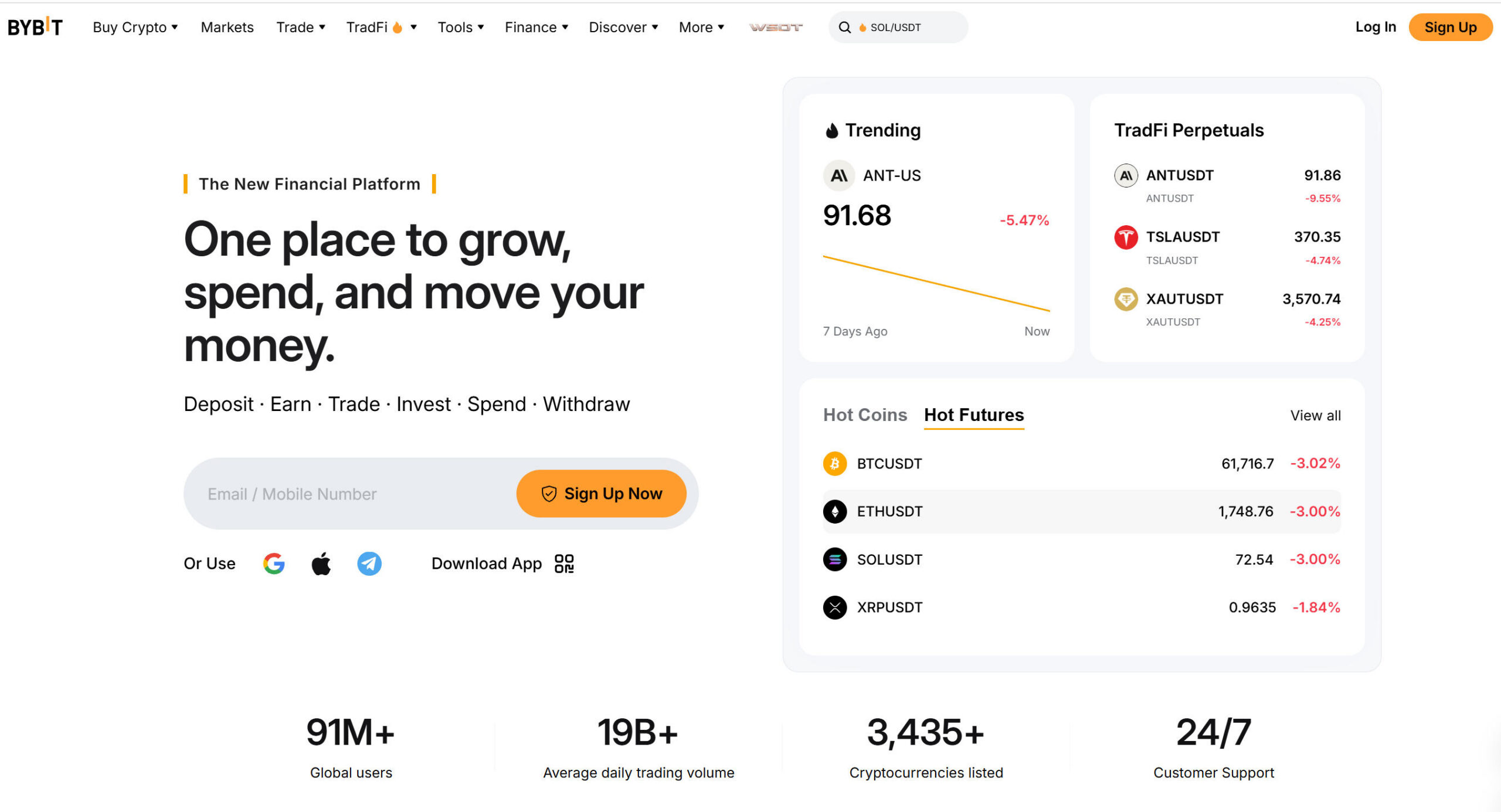
Bybit Card connects payment services to a user's Bybit account, allowing eligible customers to spend supported crypto and fiat balances.
How Bybit Card Works
Bybit offers virtual and physical cards in selected markets. Users can manage supported payment currencies and set their preferred crypto spending priority through the card dashboard.
Card networks and card types vary by region. Depending on the market, users may receive a Visa or Mastercard product.
Bybit Card Costs and Rewards
Virtual card issuance is free in supported markets. Physical card issuance fees, foreign-exchange charges, crypto conversion fees, and ATM withdrawal fees vary by issuing region.
Bybit's rewards program also has an important condition: since October 5, 2026, only eligible crypto-funded card transactions qualify for Rewards Points or cashback. Fiat-funded purchases do not qualify.
Bybit Card Pros and Cons
The main attraction is the connection to an existing Bybit account. Users who already hold supported assets on the exchange do not need to move their funds to a separate card provider.
However, card availability is restricted by country, and rewards depend on eligible spending and program requirements.
Bybit Card makes the most sense for people who already use the exchange and want to bring some of their crypto spending into everyday life.
4. Wirex One: Best for Multi-Currency Spending

Wirex combines traditional currency services with cryptocurrency accounts and payment cards. Wirex One offers virtual and physical Visa cards, with metal card options for higher membership tiers.
How Wirex One Works
Users can manage fiat currencies and supported cryptocurrencies through their Wirex accounts. Stablecoin deposits, including USDT, are also supported, with fees and monthly fee-free allowances depending on membership level.
Wirex One has five membership tiers. There is no separate subscription fee, but eligibility for higher tiers depends on portfolio value and the proportion held in WPAY.
Wirex One Costs and Rewards
Wirex offers cashback in USD on eligible card purchases:
| Tier | Cashback |
|---|---|
| Base | 0.5% |
| Premium | 1% |
| Elite | 3% |
| Private | 5% |
| Bespoke | 8% |
Higher tiers also unlock additional benefits, including subscription rebates for selected services such as ChatGPT and Claude.
Wirex One Pros and Cons
Wirex brings fiat and crypto services together in one account. Its USD cashback program and subscription benefits may appeal to users who already hold a range of digital and traditional currencies.
The main consideration is the membership requirement. Higher cashback rates depend on portfolio balances and WPAY holdings, rather than being available to every cardholder.
Wirex One is a good fit for international users who want multi-currency services alongside crypto spending and card rewards.
5. KAST: Best for Stablecoin Payments

KAST is a financial platform built around stablecoins. Its Visa cards connect digital dollar balances with online and in-store payments.
How KAST Works
Users can deposit supported stablecoins, including USDT and USDC, and use their available balance for card payments. KAST offers virtual and physical card options, depending on the selected membership and card product.
The platform advertises card acceptance at more than 150 million merchants across 170+ countries. However, application eligibility still depends on local requirements.
KAST Costs and Rewards
| Tier | Annual Fee | USD Cashback | Additional KAST Points |
|---|---|---|---|
| Standard | Free | 1.5% | — |
| Premium | $1,000 | 2% | 1% |
| Private | $10,000 | 3% | 2% |
KAST Points are separate from USD cashback and should not be treated as cash rewards.
KAST Pros and Cons
KAST offers a direct route from stablecoin deposits to everyday card spending. Users can keep their funds in digital dollars and use the card for international purchases without manually converting assets before each payment.
The Standard tier is accessible without an annual fee. Premium and Private, however, come with substantial yearly costs, so their additional benefits need to justify the price.
KAST is best for stablecoin holders who want to use digital dollars for international payments.

Crypto.com Card Alternatives: Fees and Cashback Compared
The headline reward rate is only part of the cost. Card issuance, membership requirements, conversion charges, and eligible spending rules all affect the actual value of a card.
| Provider | Card or Membership Cost | Advertised Rewards | Main Cost to Consider |
|---|---|---|---|
| Crypto.com | Basic free; Plus $4.99/month; Pro $29.99/month (US pricing) | 1.5%–4.5% CRO on eligible prepaid spending | Subscription or CRO commitment; spending caps |
| BUVEI | Depends on BIN and card type | Up to 1% on eligible advertising spending | Card issuance, top-up, and payment fees |
| RedotPay | $10 virtual / $100 physical | Not primarily rewards-focused | Conversion and foreign-currency fees |
| Bybit | Virtual issuance free in supported markets | Tier-based rewards on eligible crypto-funded spending | Regional FX and conversion fees |
| Wirex One | No monthly subscription fee | 0.5%–8% USD cashback | Portfolio and WPAY requirements |
| KAST | Free to $10,000/year | 1.5%–3% USD cashback, plus eligible KAST Points | Premium membership costs |
These rates are not directly comparable. Crypto.com rewards are paid in crypto, BUVEI's advertised cashback applies to eligible advertising spending, and Wirex and KAST have their own membership and redemption conditions. Check the current terms before choosing a card based on rewards alone.
What to Consider Before Choosing a Card
A few details are worth checking before applying:
- Funding methods: Does the card accept fiat, crypto, or stablecoins? When is currency conversion applied?
- Fees: Include issuance, top-up, foreign-exchange, conversion, and ATM charges.
- Card type: Decide whether you need a virtual card, a physical card, or both.
- Spending controls: Check whether you can set individual limits, monitor transactions, or freeze a card.
- Country availability: Confirm that residents of your country can apply and use the card for your intended payments.
A card designed for everyday shopping may not be the best fit for advertising accounts or recurring software subscriptions.
Frequently Asked Questions
1. What Is the Best Alternative to the Crypto.com Card?
BUVEI is a strong choice for users who need USDT-funded virtual cards and online payment management. RedotPay, Bybit, Wirex, and KAST are alternatives for everyday crypto or stablecoin spending.
2. Which Crypto Card Is Best for International Payments?
RedotPay, Wirex, and KAST offer international card payment options, subject to regional availability. BUVEI is particularly suitable for online purchases, advertising payments, and SaaS subscriptions.
3. Can I Use USDT With Crypto.com Card Alternatives?
Yes. RedotPay, Bybit, Wirex, and KAST support USDT through their respective funding systems. BUVEI also accepts USDT deposits through TRC20 and ERC20. Supported networks and fees vary by provider.
4. Are Crypto.com Card Alternatives Available Worldwide?
No. Card providers have different residency requirements, issuing partners, and regional restrictions. A card may be accepted by international merchants without being available to residents of every country.
Final Thoughts
Crypto.com remains an established option for people who want to combine crypto spending with card rewards. Its Level Up program, however, may not suit users who prefer to avoid subscriptions or CRO commitments.
RedotPay, Bybit, Wirex, and KAST each offer a different way to spend cryptocurrencies or stablecoins. Their value depends on the assets you hold, the fees you are willing to pay, and the type of payments you make.
BUVEI serves a more specific need. With USDT funding, multiple BIN options, and individual card controls, it offers a practical alternative for international online payments and business expense management. For users who regularly pay for advertising, SaaS subscriptions, and other online services, those features are worth considering.
Sources
BUVEI. Virtual Cards for Ads and Subscriptions
Crypto.com. Prepaid Card Rewards and Benefits
Crypto.com. Level Up Plans and Pricing
RedotPay. Card Issuance Fees
RedotPay. ATM Withdrawal Fees
Bybit. Bybit Card General Inquiries
Bybit. Changes to Your Cashback Rewards
Wirex One. Membership Levels and Benefits
KAST. Official Website and Card Information