As businesses manage more online subscriptions, digital vendors, and global payments, virtual card security controls have become an essential part of modern payment risk management. These controls help companies reduce fraud risks, improve spending visibility, and manage digital payments more securely across teams and markets.
Traditional corporate cards often offer limited visibility and control over spending, especially when companies operate across multiple teams, markets, and payment platforms.
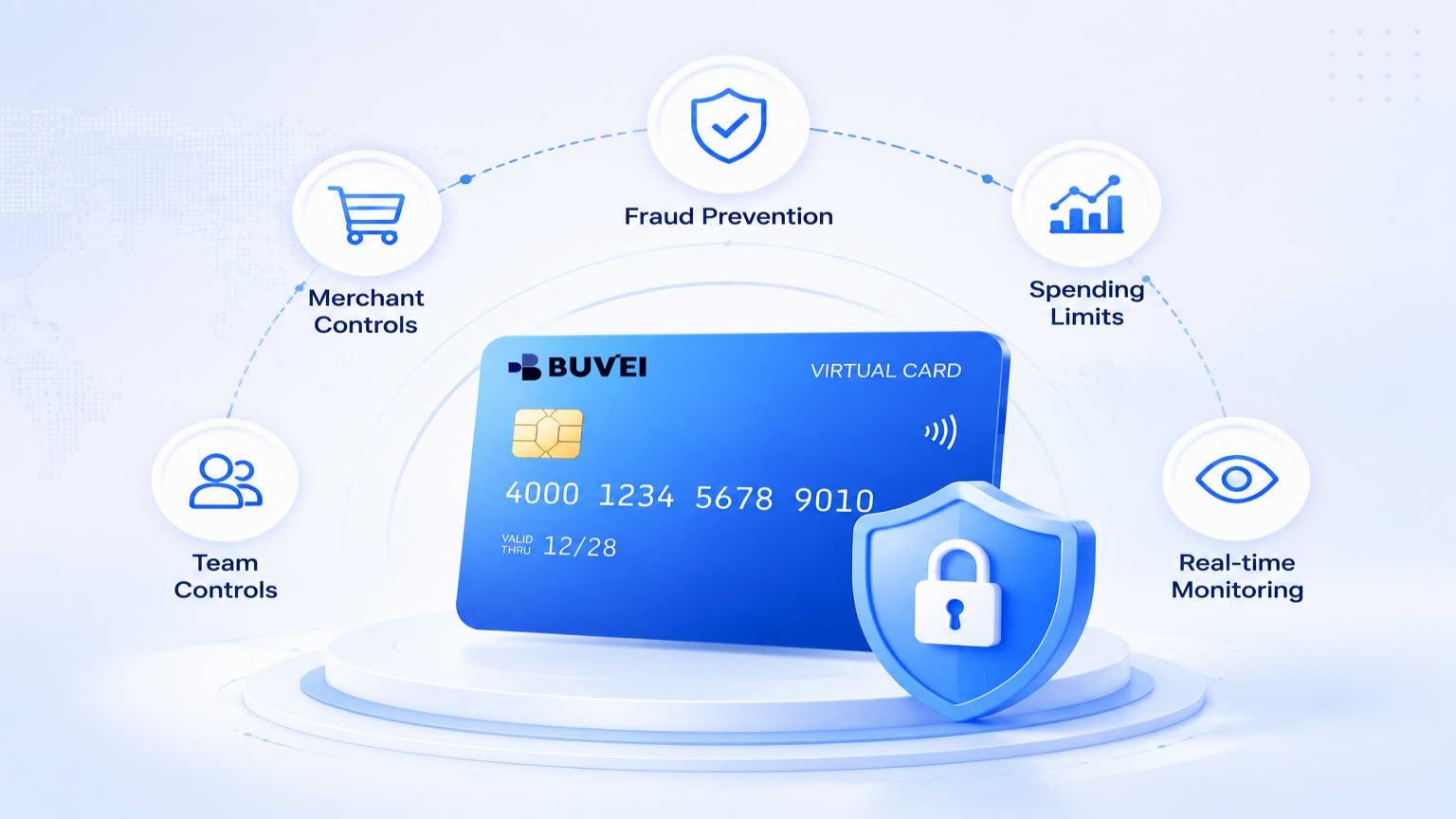
Virtual card security controls provide businesses with a more flexible way to manage payments through features such as spending limits, transaction monitoring, merchant restrictions, and real-time card management.
This guide explains the key virtual card security controls businesses should consider in 2026 and how modern virtual card solutions help organizations improve payment security while maintaining operational flexibility.
Why Businesses Need More Control Over Virtual Card Payments
The Growing Complexity of Business Payments
Business payments are becoming increasingly distributed. Companies today rely on digital payment methods for:
- SaaS subscriptions
- online advertising
- software tools
- vendor payments
- international services
As organizations scale, managing these payments becomes more challenging. Finance teams need better visibility into where payments are going, who is using payment methods, and whether spending follows internal policies. Without proper controls, businesses may face risks such as:
- unauthorized transactions
- unexpected recurring expenses
- limited spending visibility
- increased exposure to payment fraud
Modern payment security is no longer only about protecting payment information. Businesses also need systems that help control how payments are created, used, and monitored. Virtual card security controls help companies achieve this by providing more structured and manageable payment workflows.
Why Traditional Corporate Cards Are Not Enough
Traditional corporate cards are still widely used, but they are often built around general-purpose spending. A single card may be shared across different vendors, employees, and recurring payments. When payment information is exposed or spending requirements change, businesses may have limited flexibility.
Virtual cards provide a more controlled alternative. Instead of using one payment credential across multiple activities, businesses can create dedicated virtual cards for specific purposes, including:
- software subscriptions
- advertising campaigns
- vendor payments
- department budgets
This allows companies to separate payment activities, reduce risk exposure, and improve financial visibility.
Key Virtual Card Security Controls Businesses Should Look For
Modern virtual card solutions provide more than digital payment numbers. The most valuable platforms offer security controls that help businesses manage spending, monitor activity, and support scalable payment operations.
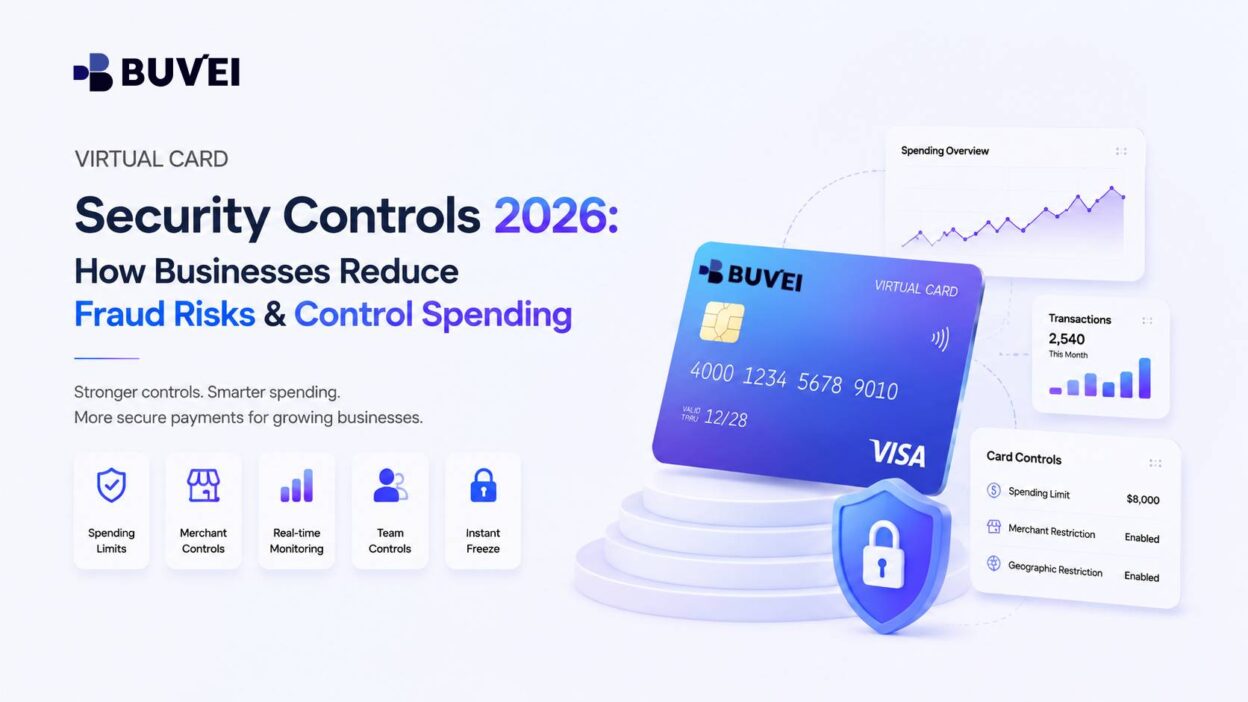
Spending Limits and Transaction Controls
One of the biggest advantages of virtual cards is the ability to define how payments can be used. Businesses can create controls based on:
- transaction amounts
- spending budgets
- approved merchants
- payment purposes
For example, a marketing department can create a virtual card specifically for advertising expenses with a predefined budget limit. This prevents unnecessary spending while allowing teams to continue operating efficiently.
For companies managing multiple vendors or recurring payments, transaction-level controls provide better budget management and reduce financial risks.
Real-Time Monitoring and Card Management
Payment visibility is an important part of modern security strategies. Businesses need to identify unusual activity quickly instead of discovering problems after payments have already been processed. Virtual card platforms can provide:
- real-time transaction visibility
- payment tracking
- instant card freezing
- flexible card management
If a virtual card is compromised or no longer required, businesses can immediately deactivate it without affecting other payment activities. This creates a more efficient approach to managing payment risks compared with traditional card replacement processes.
Team-Based Controls and Approval Workflows
As companies grow, payment responsibilities are often distributed across multiple teams. Finance teams may require oversight, while individual departments need flexibility to manage their own expenses. Virtual card programs can support structured workflows by allowing businesses to define:
- user permissions
- spending responsibilities
- approval processes
- department-level controls
This helps organizations maintain financial governance while allowing teams to operate efficiently.
How Businesses Use Virtual Card Controls
Different industries use virtual card security controls to solve different payment challenges.
SaaS Companies: Managing Subscriptions and Vendor Payments
SaaS companies often manage a large number of software subscriptions across different teams. Virtual card controls help organizations track recurring expenses, manage vendor payments, and reduce unnecessary subscription costs. By assigning dedicated virtual cards to specific services, businesses gain clearer visibility into ongoing spending.
Fintech Companies: Building Digital Payment Experiences
For fintech companies, virtual cards are not only internal payment tools. They can also become part of broader financial products and customer experiences.
These companies often need scalable card capabilities, flexible workflows, and integration options that allow payment functions to connect with existing platforms. This makes virtual card infrastructure an important component of modern fintech solutions.
Global Businesses: Managing Distributed Payments
Companies operating across different regions often manage payments involving international suppliers, remote teams, and online services. Virtual card controls allow businesses to maintain better oversight while supporting flexible payment operations across markets.
Virtual Cards vs Traditional Corporate Cards: Which Provides Better Payment Control?
| Feature | Virtual Cards | Traditional Corporate Cards |
| Spending limits | Flexible controls | Limited options |
| Merchant restrictions | Available | Usually limited |
| Transaction visibility | Real-time tracking | Basic reporting |
| Card management | Instant updates | Manual processes |
| Scalability | Supports multiple programs | Less flexible |
Virtual cards are not designed to replace every traditional corporate card use case. However, for businesses that require stronger payment control, better visibility, and more flexible management, virtual cards provide a more adaptable approach.
What Businesses Should Look for in a Virtual Card Security Solution
When evaluating virtual card solutions, businesses should consider more than basic card issuance. Important factors include:
Flexible Card Management
Businesses should be able to create, manage, and adjust virtual cards based on different operational requirements.
API Integration
For fintech companies, SaaS platforms, and digital businesses, API capabilities allow virtual card functions to connect with existing systems and automate payment workflows.
Scalability
As businesses grow, they need solutions that can support more users, more transactions, and increasingly complex payment operations.
Why Businesses Choose BUVEI for Secure Virtual Card Programs
As companies move beyond basic payment tools, they increasingly need flexible infrastructure that supports customized virtual card programs.
BUVEI helps businesses build and manage scalable virtual card solutions designed for modern digital payment workflows.
Rather than providing only individual virtual cards, BUVEI focuses on helping businesses create flexible payment systems with better control, visibility, and integration capabilities.
With customizable virtual card programs, API-based infrastructure, and flexible payment workflows, BUVEI enables organizations to manage virtual card operations more efficiently. This is especially valuable for:
- fintech companies building payment products
- SaaS platforms managing digital expenses
- businesses requiring scalable payment solutions
By combining virtual card capabilities with modern payment infrastructure, BUVEI helps businesses reduce operational risks, improve payment visibility, and create more adaptable payment workflows.
Conclusion
Virtual card security is no longer only about protecting payment information. Modern businesses need greater control over how payments are created, managed, and monitored.
Security controls such as spending limits, transaction restrictions, real-time monitoring, and flexible card management help companies reduce fraud risks while improving payment operations.
For businesses building secure and scalable payment workflows, choosing the right virtual card infrastructure can provide the flexibility needed to support long-term growth.