Virtual card programs are becoming an important payment solution for fintech companies, SaaS platforms, and global businesses. Companies use virtual cards for subscription payments, employee expenses, advertising spend, and embedded finance products.
However, launching a scalable virtual card program requires more than creating digital card numbers. Businesses need reliable virtual card infrastructure that supports card issuing, payment connectivity, APIs, compliance, and transaction management. Instead of building complex payment systems internally, many companies work with infrastructure providers to launch flexible card solutions faster.
This guide explains what virtual card infrastructure is, its key components, and how businesses can use it to build scalable payment products.
What Is Virtual Card Infrastructure?
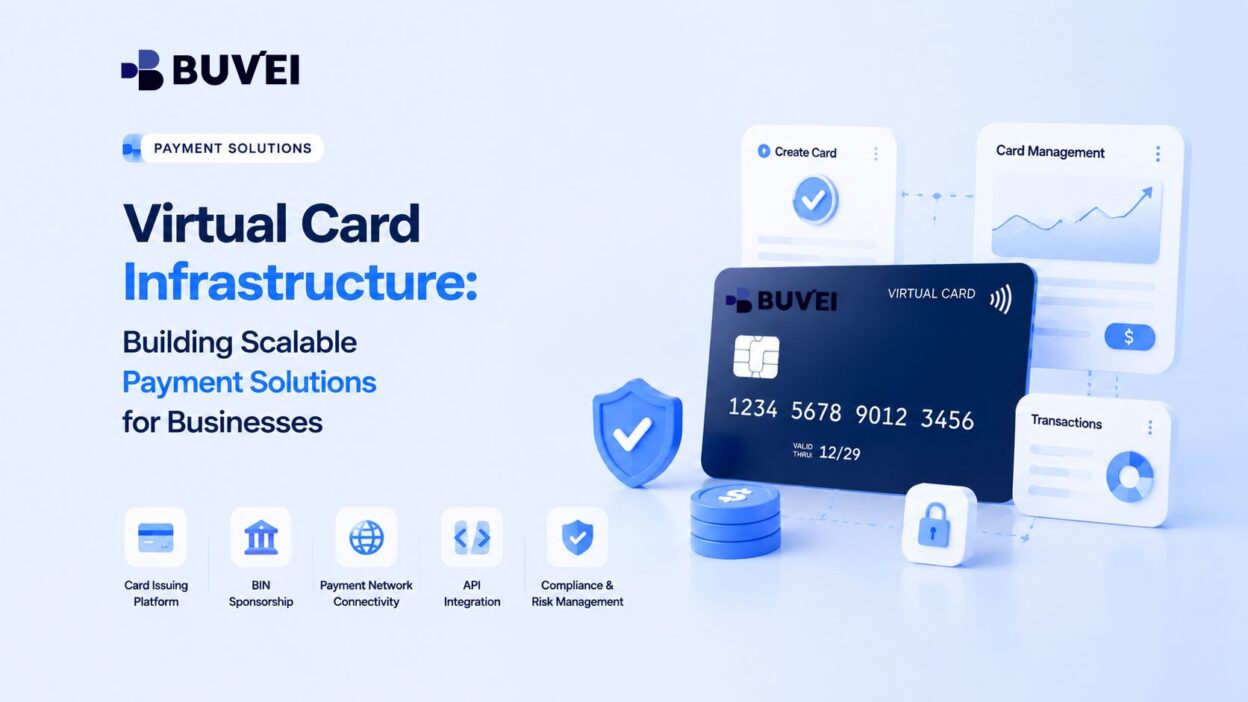
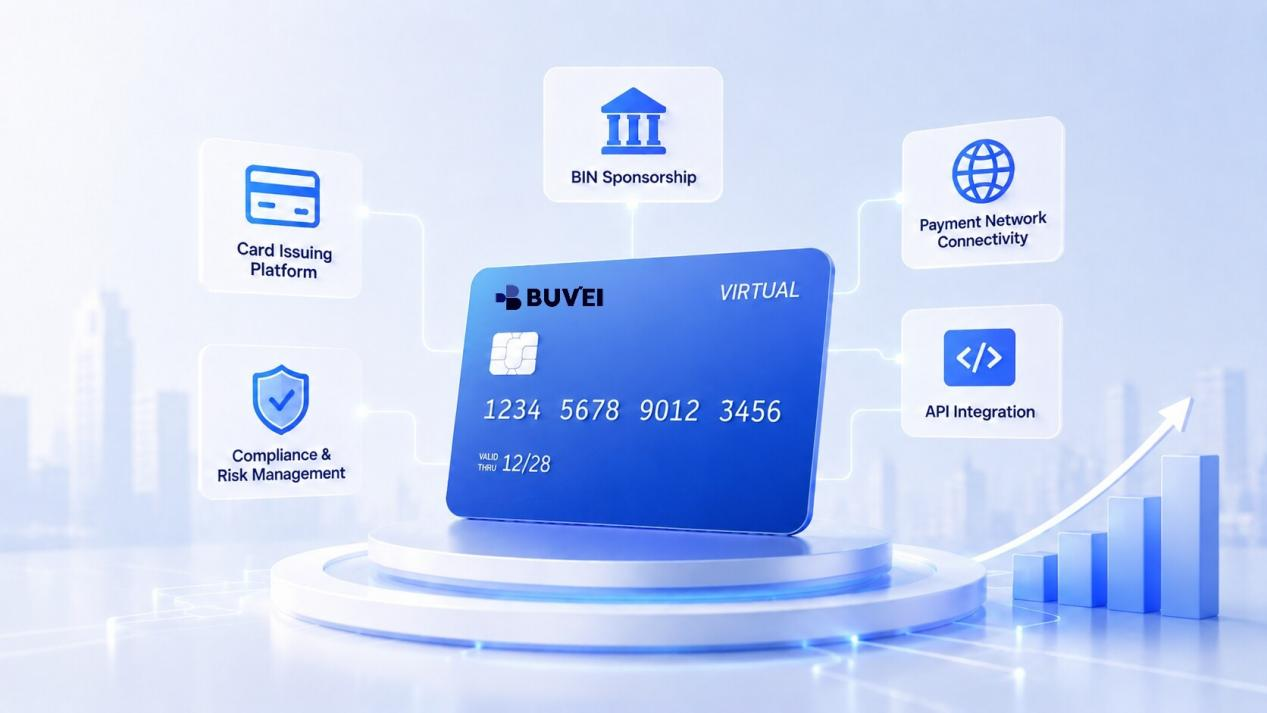
Virtual card infrastructure refers to the technology, payment connections, and operational systems that allow businesses to create, manage, and scale virtual card programs. A complete virtual card infrastructure typically includes:
- Card issuing capabilities;
- Payment network connectivity;
- BIN sponsorship;
- Card management tools;
- Card issuing APIs;
- Compliance and risk management systems.
These components work together to support the entire card lifecycle, from card creation and transaction authorization to spending controls and reporting.
For businesses building payment products, virtual card infrastructure provides the foundation needed to deliver secure and scalable payment experiences without developing every component from scratch.
Why Virtual Card Infrastructure Matters
Faster Time to Market
Building a card issuing system internally requires significant technical and operational resources. Businesses may need to establish banking partnerships, payment network connections, compliance processes and card management infrastructure. This can slow down product development and increase operational complexity.
Virtual card infrastructure helps businesses overcome these barriers by connecting them with existing issuing capabilities and payment infrastructure, allowing them to focus on product development and customer experience instead of building complex systems internally.
Better Scalability
As businesses grow, their payment requirements become more complex. A scalable virtual card infrastructure allows companies to support more virtual cards, multiple payment scenarios, different spending controls and global transactions. For example, enterprises may need thousands of employee cards, while fintech platforms may need to issue cards for multiple customers.
A flexible infrastructure layer allows businesses to expand their payment products without rebuilding their systems.
Reduced Payment Complexity
Managing payments requires coordination between multiple systems, including card networks, issuing partners, compliance processes, and transaction monitoring tools. Virtual card infrastructure simplifies this process by providing businesses with existing payment connections, issuing capabilities, API-based integrations and security and compliance support.
This allows companies to focus on creating better products instead of managing complex payment operations.
Key Components of Virtual Card Infrastructure
Card Issuing Platform
The card issuing platform is the foundation of a virtual card program. It enables businesses to create and manage virtual cards throughout their lifecycle. Key capabilities include instant card creation, card activation, spending limits, card controls, and transaction management. With a reliable issuing platform, businesses can create customized card experiences for customers, employees, or internal operations.
BIN Sponsorship
BIN sponsorship is an important part of virtual card infrastructure. A BIN (Bank Identification Number) connects a card program with an issuing institution and payment network.
Through BIN sponsorship, businesses can access card issuing capabilities without becoming a direct card issuer. This helps companies launch card programs faster, access payment networks, reduce infrastructure requirements and simplify issuing operations.
For businesses exploring virtual card programs, BIN sponsorship provides a practical path to enter the payment ecosystem.
Payment Network Connectivity
Virtual cards require reliable payment network access to ensure global acceptance. Payment network connectivity enables transactions across major card networks, including Visa and Mastercard. This infrastructure layer supports transaction authorization, merchant acceptance and global payment availability. Without strong network connectivity, businesses cannot provide reliable payment experiences for their users.
Card Issuing API
APIs allow businesses to integrate virtual card capabilities directly into their own platforms. A card issuing API enables companies to create virtual cards automatically, manage card status, apply spending controls and access transaction data. For fintech companies and SaaS platforms, API integration makes it easier to embed payment capabilities into existing products.
Compliance and Risk Management
Payment infrastructure must support security and regulatory requirements. Important capabilities include KYC/KYB processes, fraud monitoring, transaction controls and risk management. Strong compliance infrastructure helps businesses build secure payment products while operating across different markets.
Who Needs Virtual Card Infrastructure?
FinTech Companies
Fintech companies often need scalable infrastructure to launch payment products quickly. Virtual card infrastructure allows them to build digital payment solutions, expense management products and embedded finance services. Instead of developing issuing systems independently, fintech companies can focus on user experience and product innovation.
SaaS Platforms
SaaS businesses increasingly integrate payment capabilities into their platforms. Virtual card infrastructure can support subscription payments, customer spending controls, and business expense management. This enables SaaS companies to offer more complete financial solutions to their customers.
Companies Building Embedded Finance Solutions
More non-financial businesses are adding payment features to their products. Virtual card infrastructure allows companies to provide payment services without building a complete issuing system internally. This creates opportunities for businesses to offer customized payment experiences while relying on established payment infrastructure.
Building Virtual Card Infrastructure: Build vs Partner
Businesses generally have two approaches when launching virtual card programs.
Building Internally
Building infrastructure in-house provides full control but requires significant investment. Companies need to manage issuing relationships, payment integrations, compliance systems and technical development. For many businesses, this approach can require substantial time and resources.
Partnering With an Infrastructure Provider
Working with a virtual card infrastructure provider allows companies to access existing payment capabilities. Benefits include faster implementation, lower technical complexity, existing issuing infrastructure, API integration support and scalable payment capabilities. For businesses that want to launch and scale quickly, partnering with an experienced provider is often a more efficient approach.
How BUVEI Supports Virtual Card Infrastructure
BUVEI provides businesses with the infrastructure needed to build and scale virtual card payment solutions. Unlike traditional card providers that only offer card access, BUVEI focuses on providing the underlying capabilities businesses need to create flexible payment products. BUVEI supports businesses with:
- Virtual card issuing capabilities;
- Multi-BIN support;
- Card issuing API integration;
- Payment network connectivity;
- Spending controls;
- Enterprise account management.
Through BUVEI’s infrastructure, fintech companies, SaaS platforms, and enterprises can launch customized virtual card programs without building complex issuing systems internally. Businesses can use BUVEI to create solutions for:
- Corporate expense management;
- Subscription payments;
- Advertising payments;
- Global online transactions;
- Embedded finance products.
By combining issuing capabilities, APIs, and payment infrastructure, BUVEI helps companies build scalable payment experiences while reducing the complexity of managing card operations.
Conclusion
Virtual card infrastructure is the foundation behind modern payment products. Businesses need more than virtual cards — they need reliable systems that support issuing, APIs, payment connectivity, compliance, and scalability.
By choosing the right infrastructure approach, companies can launch virtual card programs faster and create better payment experiences.
With solutions like BUVEI, businesses can access the infrastructure required to build scalable virtual card products without developing every payment component from the ground up.