As digital payments continue to grow, businesses are increasingly adopting a virtual card issuing program to manage online transactions, subscriptions, employee spending, and global payments more efficiently.
A virtual card issuing program enables companies to create and manage virtual cards for different use cases, including SaaS payments, advertising expenses, corporate spending, and digital payment solutions.
However, launching a scalable card program requires more than card creation. Businesses need reliable issuing infrastructure, BIN sponsorship, compliance support, payment network access, and API capabilities.
In this guide, we will explain how virtual card issuing works, what businesses need to launch a program, and how companies can build scalable payment solutions with the right infrastructure partner.
What Is Virtual Card Issuing?
Virtual card issuing is the process of creating and managing digital payment cards via a dedicated payment infrastructure. Unlike traditional corporate cards, which usually require manual application and approval processes, virtual card issuing allows businesses to generate cards instantly and manage them through software platforms.
A virtual card issuing program typically includes:
- Virtual card creation;
- Card activation and management;
- Spending controls;
- Transaction monitoring;
- Card freezing and closing;
- Payment lifecycle management.
This gives businesses greater control over how payments are created, used, and monitored. For example, a company can create separate virtual cards for different purposes:
- A marketing team can use dedicated cards for advertising platforms;
- A SaaS company can assign cards to different subscription services;
- A global business can provide controlled payment cards for employees or departments.
Instead of using one payment method for every transaction, businesses can create a more organized payment environment with better visibility and control.
Why Businesses Need Virtual Card Issuing?
As businesses become more digital and global, managing payments across multiple platforms has become increasingly challenging. Companies often face problems such as:
- Managing numerous online subscriptions;
- Controlling employee expenses;
- Paying for international services;
- Handling multiple advertising accounts;
- Tracking spending across different departments.
Traditional payment methods may not provide enough flexibility for these modern business requirements. Virtual card issuing helps businesses solve these challenges by providing more control, automation, and scalability.
Better Payment Control
One of the biggest advantages of virtual card issuing is improved expense management. Businesses can create cards with customized settings, including:
- Spending limits;
- Usage controls;
- Transaction monitoring;
- Card status management.
For example, a company running multiple advertising campaigns can create separate virtual cards for different accounts. This allows teams to:
- Track expenses more accurately;
- Control campaign budgets;
- Reduce payment risks;
- Separate different payment purposes.
For businesses managing many online services, this level of control can significantly improve payment efficiency.
Automate Business Payments
As companies grow, manually managing payment cards becomes inefficient. Employees may need to request payment methods, finance teams may need to approve expenses, and companies may need to review transactions manually. With virtual card issuing infrastructure, many payment processes can be automated.
Through API integration, businesses can:
- Automatically create virtual cards;
- Assign cards to users or departments;
- Set spending rules;
- Monitor transactions in real time.
This is especially valuable for businesses that manage large numbers of payments across different platforms.
Build New Payment Products
Virtual card issuing is not only used for internal expense management. Many companies use card issuing infrastructure to create their own payment solutions. Examples include:
- FinTech companies offering payment products;
- SaaS platforms adding payment features;
- Marketplaces providing controlled spending solutions;
- Businesses creating branded payment experiences.
With White Label virtual card solutions, companies can build their own branded virtual card programs without developing the entire payment infrastructure independently. This allows businesses to focus on their customers and products while using existing payment technology to support card operations.
Key Components of a Virtual Card Issuing Program
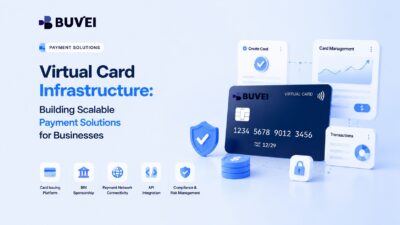
Launching a virtual card issuing program requires several important components, including card infrastructure, BIN support, compliance capabilities, and API integration.
Card Issuing Infrastructure
Card issuing infrastructure provides the technology required to create and manage virtual cards. A complete solution usually includes:
- Virtual card creation;
- Card management;
- Transaction monitoring;
- Spending controls;
- Card lifecycle management.
Building this infrastructure internally can require significant technical resources. Many businesses choose card issuing platforms that provide ready-to-use infrastructure.
BIN Sponsorship and Payment Network Support
BIN sponsorship determines the card issuing capabilities available to businesses, including card regions, payment compatibility, and network access. Support for major payment networks such as Visa and Mastercard allows companies to create cards suitable for different payment environments. For global businesses, flexible BIN options and payment network support can improve payment adaptability across markets.
Compliance and Security
A successful card issuing program requires strong compliance and risk management capabilities. Important areas include:
- KYC and AML processes;
- Transaction monitoring;
- Fraud prevention;
- Security controls.
Working with experienced infrastructure providers can help businesses meet operational and compliance requirements more efficiently.
Card Issuing API and Virtual Card API Integration
A Card Issuing API allows businesses to integrate virtual card creation, management, and payment capabilities directly into their own platforms. Through APIs, companies can:
- Create virtual cards;
- Manage card settings;
- Control spending;
- Monitor transactions.
This is especially useful for SaaS platforms, FinTech companies, and businesses that need scalable payment solutions.
How to Launch a Virtual Card Issuing Program
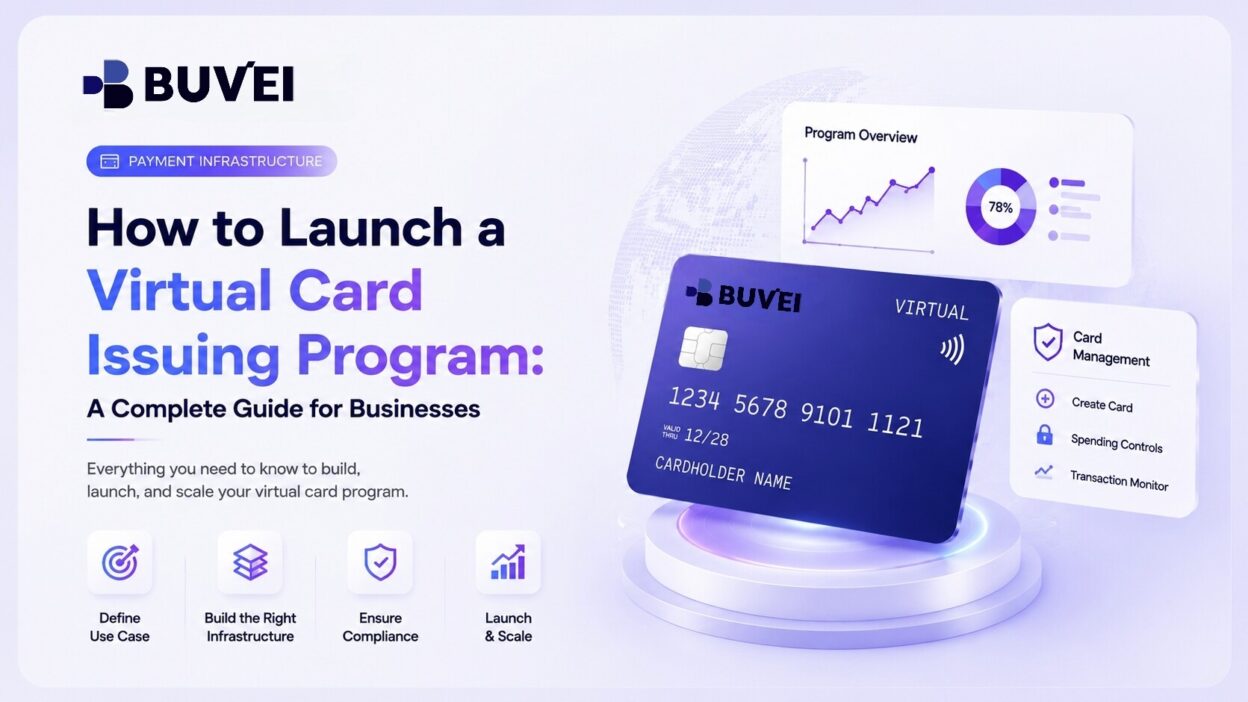
Launching a virtual card issuing program requires the right strategy, technology, and infrastructure. Most businesses follow five key steps:
Step 1: Define Your Payment Use Case
Before selecting a card issuing solution, businesses should identify their main payment goals. Common use cases include:
- Employee expense management;
- SaaS subscription payments;
- Digital advertising payments;
- Customer payment solutions.
Understanding the use case helps businesses determine the required card features, payment networks, and management capabilities.
Step 2: Choose a Card Issuing Platform
Businesses can either build their own infrastructure or work with a card issuing platform. Building internally provides customization but requires significant investment in:
- Technology development;
- Payment connections;
- Compliance management;
- Security systems.
Using a card issuing platform allows businesses to access ready-to-use infrastructure and launch programs faster.
Step 3: Select Card Features and Payment Options
A scalable virtual card program should support flexible payment options, including:
- Visa and Mastercard support;
- Multiple BIN options;
- Virtual card creation;
- Spending controls;
- Transaction monitoring.
The right card configuration depends on business requirements and target markets.
Step 4: Integrate Virtual Card API
API integration allows businesses to connect virtual card capabilities with their existing systems. Through APIs, companies can:
- Create virtual cards automatically;
- Manage card status;
- Control spending;
- Access transaction data.
This is especially important for SaaS platforms, FinTech companies, and businesses managing large-scale payments.
Step 5: Launch and Scale
Launching the program is only the beginning. Businesses should continue optimizing:
- Transaction monitoring;
- Payment performance;
- Card management;
- Regional expansion.
A scalable infrastructure allows companies to grow their virtual card programs without rebuilding their payment systems.
Build vs Use a Card Issuing Platform
| Build Internally | Use a Card Issuing Platform | |
| Development Cost | High | Lower |
| Launch Speed | Slow | Faster |
| Compliance | Managed internally | Partner-supported |
| API Integration | Requires development | Ready solutions |
| Scalability | More complex | Easier expansion |
For most businesses, working with a card issuing platform provides a faster path to launching virtual card products.
How BUVEI Helps Businesses Launch Virtual Card Programs
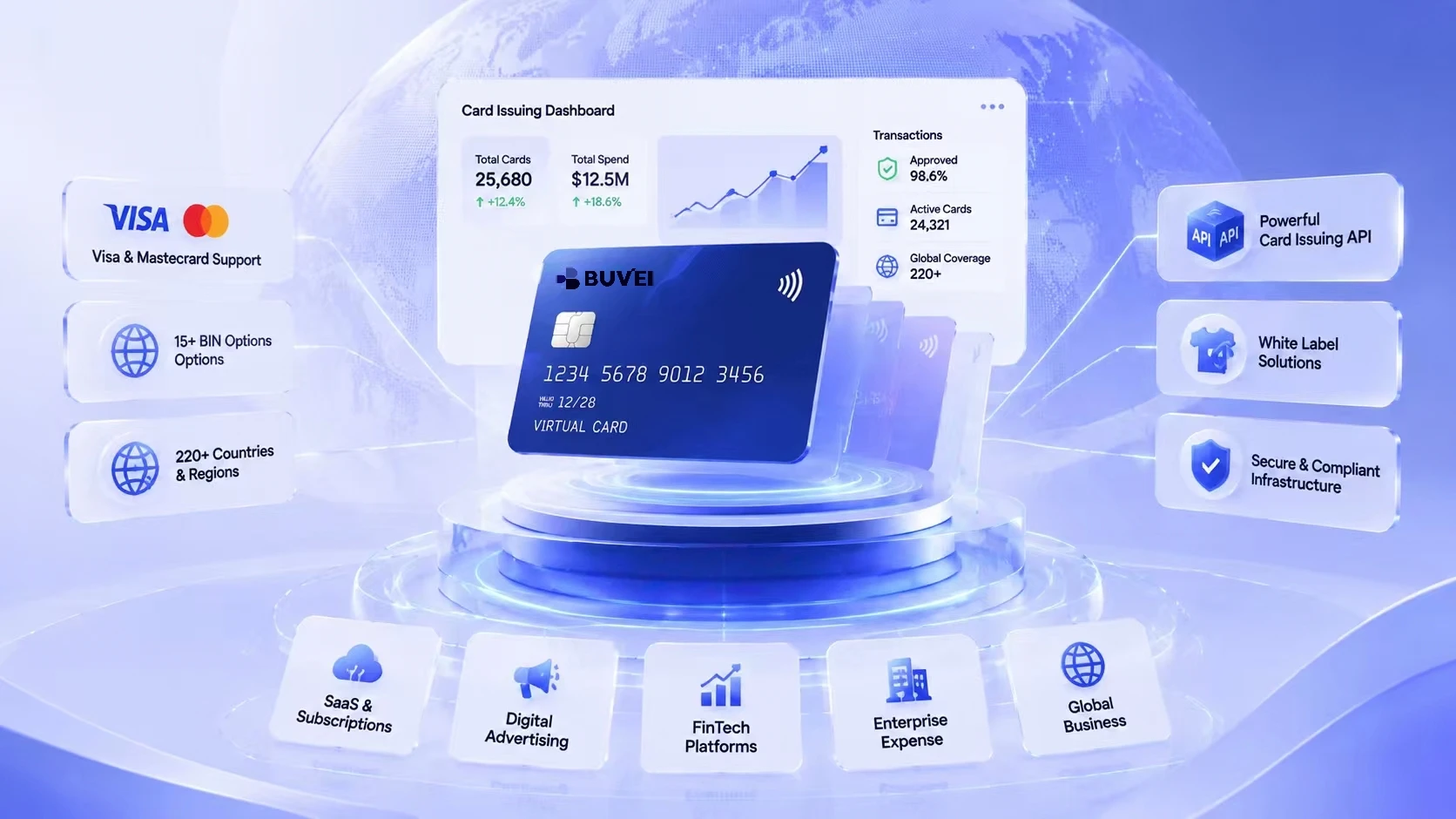
Choosing the right infrastructure partner is one of the most important steps when launching a virtual card issuing program. Instead of building complex payment systems from scratch, businesses can use BUVEI’s virtual card infrastructure to create, manage, and scale payment solutions more efficiently. BUVEI provides businesses with flexible card issuing capabilities, including virtual card management, global payment support, API integration, and customizable payment solutions.
Flexible Virtual Card Infrastructure
BUVEI provides the core infrastructure businesses need to operate virtual card programs. Key capabilities include:
- Virtual card creation;
- Card management;
- Transaction monitoring;
- Spending controls;
- Card lifecycle management.
This allows companies to manage different payment scenarios through one centralized platform.
Visa, Mastercard, and Multiple BIN Options
Payment flexibility is essential for global businesses. BUVEI supports:
- Visa virtual cards;
- Mastercard virtual cards;
- 15+ BIN options.
Multiple BIN options allow businesses to adapt to different payment environments and improve flexibility across regions and platforms.
Global Payment Support
Businesses operating internationally need payment solutions that support different markets. BUVEI supports users across 220+ countries and regions, helping individuals and businesses manage global payment requirements more efficiently. Combined with flexible card options and funding methods, BUVEI provides a broader environment for international transactions.
Virtual Card API and White Label Solutions
For businesses building their own payment products, API capabilities and customization options are essential. BUVEI provides API integration that allows companies to:
- Create virtual cards;
- Manage card operations;
- Connect payment capabilities with existing systems.
For companies that want to launch branded payment products, White Label virtual card solutions provide additional flexibility. This makes BUVEI suitable for:
- FinTech companies;
- SaaS platforms;
- Payment service providers;
- Businesses building digital payment solutions.
Why Businesses Choose BUVEI?
Launching a virtual card issuing program requires more than card creation. Businesses need:
- Reliable infrastructure;
- Flexible card options;
- Global payment support;
- Scalable management tools.
With virtual card infrastructure, multi-BIN support, API capabilities, and global coverage, BUVEI helps businesses build scalable payment solutions without developing the entire system internally.
Virtual Card Issuing Use Cases
Virtual card issuing programs are used by businesses across different industries to improve payment flexibility and control. Common use cases include:
SaaS and Digital Services
Businesses can use virtual cards to manage:
- Software subscriptions;
- AI tools;
- Cloud services.
Dedicated virtual cards help companies track expenses and manage recurring payments more efficiently.
Digital Advertising
Marketing teams can create separate virtual cards for different advertising accounts. This helps businesses:
- Control campaign budgets;
- Track spending;
- Manage multiple payment accounts.
FinTech and Business Payment Solutions
FinTech companies and platforms can integrate virtual card capabilities into their products through APIs.
This allows businesses to create customized payment experiences for their customers.
How Much Does Virtual Card Issuing Cost?
The cost of launching a virtual card program depends on factors such as:
- Infrastructure requirements;
- Number of cards;
- API usage;
- Customization needs.
Building an internal card issuing system usually requires significant investment in technology, compliance, and payment connections. For many businesses, using a card issuing platform provides a faster and more cost-effective way to launch virtual payment solutions.
Frequently Asked Questions
What is a virtual card issuing program?
A virtual card issuing program allows businesses to create and manage digital payment cards through a dedicated infrastructure platform.
What is BIN sponsorship?
BIN sponsorship allows businesses to access card issuing capabilities through an approved payment infrastructure provider.
Can businesses create branded virtual cards?
Yes. White Label virtual card solutions allow companies to create customized payment experiences under their own brand.
Conclusion
A successful virtual card issuing program requires reliable infrastructure, payment network access, BIN support, API capabilities, and scalable management tools.
Instead of building complex payment systems from scratch, businesses can use card issuing platforms to launch and expand virtual card solutions more efficiently.
With flexible virtual card infrastructure, Visa and Mastercard support, multiple BIN options, API capabilities, and global payment coverage, BUVEI helps businesses build scalable payment solutions for modern digital commerce.