
Biometric payments have been trying to break into mainstream commerce for years.
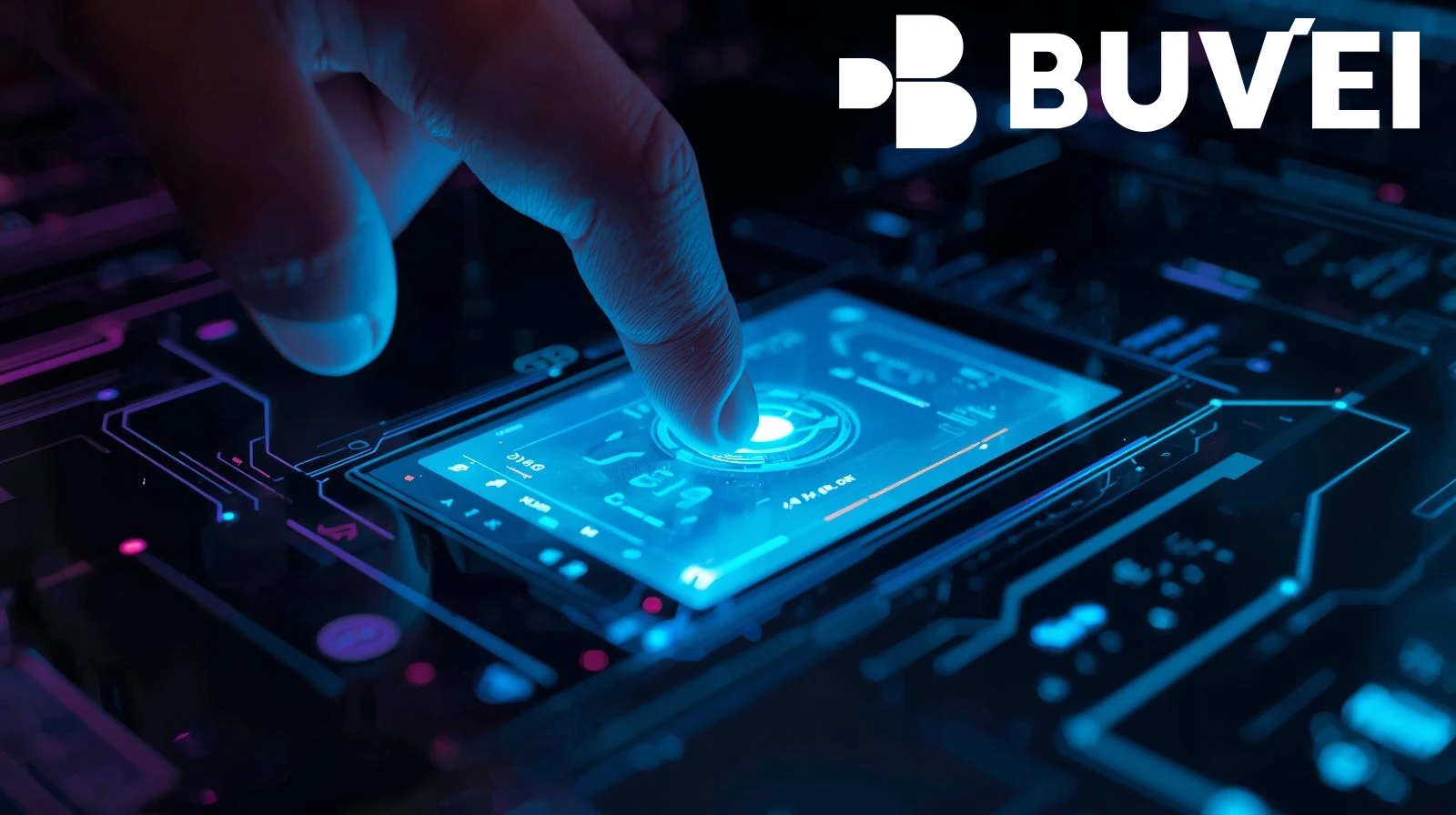
Long before Face ID and fingerprint unlocking became normal, companies were already experimenting with biometric payment systems. In the mid-2000s, some grocery chains in the United States tested fingerprint-based checkout terminals that allowed shoppers to pay with a touch of a finger instead of a card or cash.
The idea sounded futuristic at the time.
The problem was that consumers simply weren’t ready for it.
Today, the situation looks very different.
With smartphones normalizing facial recognition and fingerprint authentication, many experts now believe the market is finally prepared for large-scale adoption of biometrics in payments.
Why Early Biometric Payment Systems Failed
The technology itself wasn’t necessarily the problem.
Timing was.
Consumers were unfamiliar with biometrics
Back then, fingerprint scanning felt unusual to most people.
Many consumers worried about:
- Privacy
- Data storage
- Security risks
- Technical reliability
Using biometrics for payments sounded more experimental than practical.
At the time, even basic digital payments were still evolving.
The infrastructure wasn’t mature enough
Early biometric systems also struggled with:
- Limited compatibility
- Expensive hardware
- Slow processing
- Weak merchant adoption
Without widespread ecosystem support, the technology failed to scale.
Why Biometric Payments Are Different Today
Several major changes have completely reshaped consumer behavior.
Smartphones normalized biometrics
Apple and Google played a huge role in consumer adoption.
Millions of people now use:
- Face recognition
- Fingerprint scanning
- Biometric login systems
every single day.
What once felt unfamiliar is now routine.
That behavioral shift matters because payment adoption often follows habits already established by consumer devices.
Password fatigue is real
Another major driver is frustration with passwords.
Consumers constantly deal with:
- Password resets
- Verification codes
- PIN management
- Account lockouts
Biometric authentication removes much of that friction.
Instead of remembering credentials, users can simply:
- Scan a fingerprint
- Use facial recognition
- Authenticate instantly
How Biometric Payments Work
At a basic level, biometric payments replace traditional authentication methods with physical identity verification.
Instead of typing:
- Passwords
- PINs
- Security questions
users verify payments through unique biometric traits.
Common biometric payment methods
Current systems typically use:
- Fingerprints
- Facial recognition
- Palm scanning
- Voice authentication
The most widely adopted versions today rely on smartphone-based authentication.
Combining biometrics with contactless payments
Modern payment systems increasingly combine biometrics with:
- NFC technology
- Mobile wallets
- EMVCo standards
This creates a smoother payment flow while also improving security.
In practice, the process often feels almost invisible to users.

Why Payment Companies Are Investing in Biometrics
The biggest motivation is fraud reduction.
Card-not-present fraud continues to grow
Online payment fraud remains a massive challenge for the industry.
Traditional authentication methods can be compromised through:
- Phishing
- Password leaks
- Social engineering
- Credential stuffing
Biometric authentication is much harder to duplicate because it relies on physical identity markers.
Faster checkout improves conversion
Payment companies also want to reduce checkout friction.
Even small delays during payment can lower:
- Ecommerce conversion rates
- App purchases
- Subscription signups
Biometric verification speeds up the process significantly.
That matters for:
- Retailers
- Payment processors
- Digital wallets
- Ecommerce platforms
Facial Recognition Payments vs Fingerprint Payments
Different biometric systems solve different problems.
Fingerprint payment technology
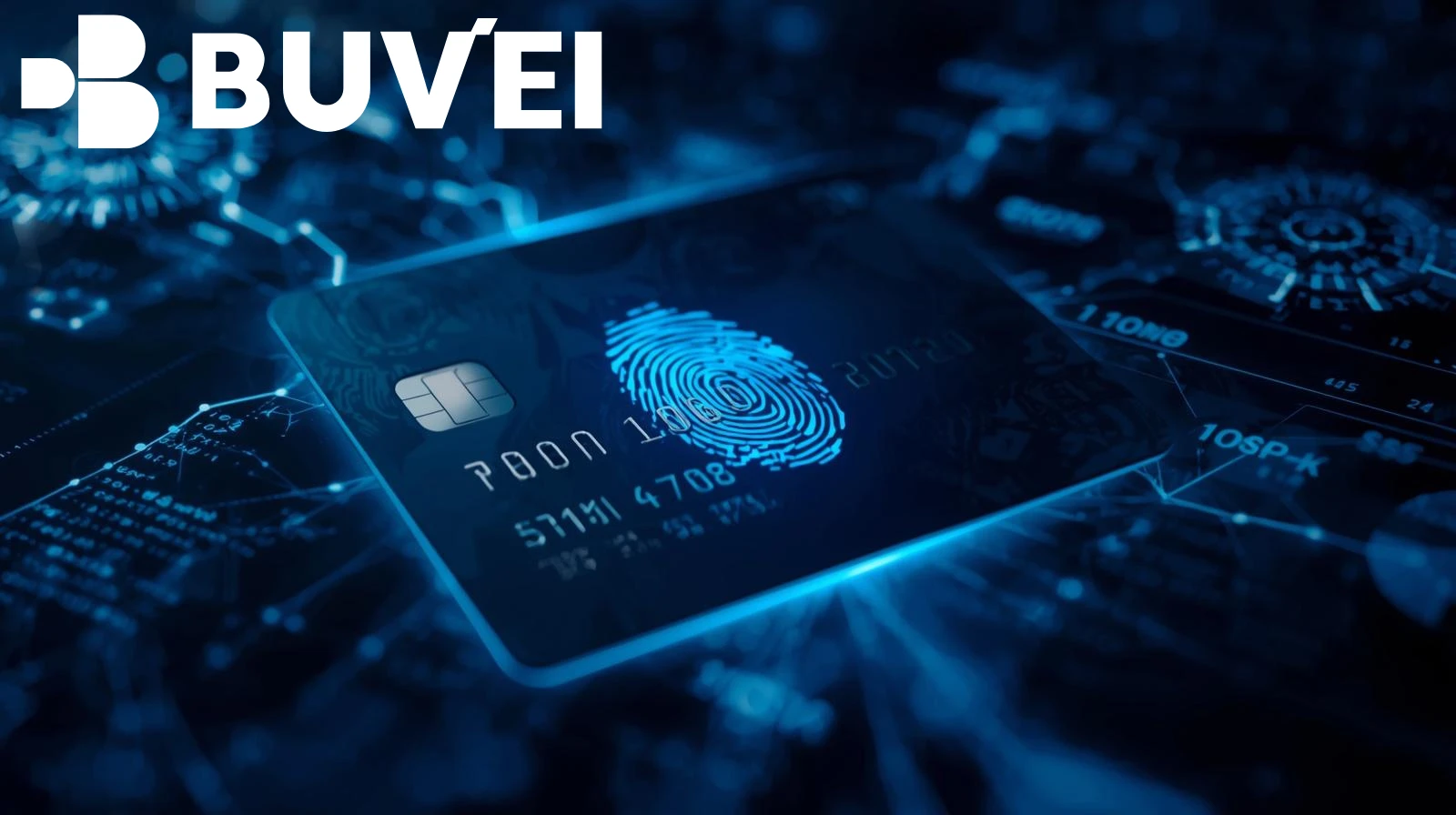
Fingerprint authentication is currently the most common biometric payment method.
Users are already familiar with it through:
- Smartphones
- Banking apps
- Mobile wallets
It’s generally considered:
- Fast
- Convenient
- Relatively secure
Facial recognition payments
Facial recognition creates a more seamless experience because users may not even need to touch a device.
This type of payment has already expanded in parts of Asia, particularly China.
However, facial recognition raises stronger privacy concerns in Western markets.
Privacy Concerns Around Biometric Payments
This remains one of the biggest adoption challenges.
Unlike passwords, biometric identifiers cannot simply be changed if compromised.
Consumers often worry about:
- Data misuse
- Surveillance concerns
- Centralized identity storage
That’s why payment providers increasingly focus on decentralized authentication systems where biometric data remains stored locally on the user’s device.
The Role of the FIDO Alliance
Organizations like the FIDO Alliance are helping standardize biometric authentication.
Their goal is to reduce dependence on passwords while improving:
- Security
- Authentication reliability
- Consumer trust
Many modern authentication systems now rely on standards supported by:
- Apple
- Microsoft
- Financial institutions
This broader ecosystem support is helping biometrics move further into mainstream payments.
Where Biometric Payments Are Growing Fastest
Biometric payments are especially attractive in:
- Mobile commerce
- Digital wallets
- Contactless retail
- Banking apps
- Public transportation
- Smart devices
The rise of contactless behavior after the pandemic accelerated interest even more.
Consumers increasingly expect payments to feel:
- Fast
- Invisible
- Frictionless
Challenges Still Facing Biometrics in Payments
Despite the momentum, adoption is not guaranteed.
Several barriers still exist.
U.S. consumers adopt new payment tech slowly
Compared to some Asian markets, the U.S. payment ecosystem is:
- More fragmented
- More privacy-sensitive
- More dependent on legacy systems
That often slows innovation rollout.
Merchant infrastructure costs
Retailers may still need:
- Hardware upgrades
- Software integration
- Compliance investments
before biometric payment systems become widely available in stores.
The Future of Biometric Payments
Most experts agree that biometrics will continue expanding across digital commerce.
The biggest question is not whether biometric authentication will grow — it’s how quickly consumers and merchants will fully embrace it.
Over time, payments may rely less on:
- Cards
- Passwords
- Manual verification
and more on identity-based authentication that happens automatically in the background.
Conclusion
Biometric payments failed to gain traction years ago because consumers and technology ecosystems simply weren’t ready. Today, widespread smartphone adoption, password fatigue, and the push for frictionless commerce have changed the landscape completely.
As fraud prevention and checkout speed become increasingly important, biometric payments are now positioned as one of the most important trends in digital commerce.
While privacy concerns and infrastructure challenges still exist, the growth of biometrics in payments suggests that fingerprint and facial recognition authentication could soon become a normal part of everyday transactions.