Ever signed up for a free trial and then forgot to cancel—only to get charged later?
That’s exactly the situation a one-time use virtual card is designed to prevent.
Instead of relying on reminders or manual cancellation, a virtual card lets you control whether a payment can happen at all. We tested different setups, including single-use cards and limited-balance cards, to see what actually works in real scenarios.

What Is a One-Time Use Virtual Card
A one-time use virtual card is a temporary card number generated for a single transaction or limited use.
How it works
- You generate a virtual card instantly
- Set limits (amount or usage)
- Use it for a payment
- The card becomes inactive after use or limit is reached
What makes it different from a regular card
- No connection to your main bank account
- Can be restricted to one transaction
- Can be disabled anytime
In practice: It acts as a disposable payment method rather than a permanent one.
Why Use Temporary Cards for Online Payments
At first glance, using your regular card seems easier. But in testing, the risks show up quickly.
1. Avoid unexpected charges
Subscriptions often renew automatically.
A temporary virtual card for online payments ensures:
- Charges stop once the limit is reached
- No surprise renewals
2. Improve payment security
Using your main card repeatedly increases exposure.
A secure virtual card for online shopping:
- Hides your real card details
- Reduces fraud risk
3. Better control over trials
Free trials are one of the biggest sources of unwanted charges.
Using a virtual card for free trials:
- Prevents automatic billing after trial ends
- Eliminates the need to remember cancellation dates
4. Manage multiple payments easily
If you handle multiple services:
- Separate cards simplify tracking
- Limits prevent overspending
In short: You move from passive billing to active control.
Step-by-Step Guide to Creating a Virtual Card
Here’s the exact process based on real usage.
How to create a one-time use virtual card
- Register on a virtual card platform
- Log into your dashboard
- Add funds (if required)
- Click Create Card
- Set usage rules:
- Single-use or multi-use
- Spending limit
- Generate the card
- Copy card details for payment
What we noticed during testing
- Card creation typically takes seconds
- Limits can be adjusted instantly
- Cards can be disabled at any time
Result: You get a fully functional one-time virtual card for subscriptions or purchases almost instantly.

Use Cases: Subscriptions, Trials, Online Shopping
This is where one-time cards become practical.
1. Subscriptions
Using a one-time virtual card for subscriptions:
- Prevents unwanted renewals
- Limits total spend
2. Free trials
This is one of the most effective use cases.
Instead of canceling manually:
- Use a limited card
- Let the system block future billing
3. Online shopping
For unfamiliar websites:
- Use a disposable card
- Avoid exposing your primary card
4. Testing payments
If you run ads or test platforms:
- Use separate cards
- Isolate transactions
In practice: You reduce both risk and manual effort.
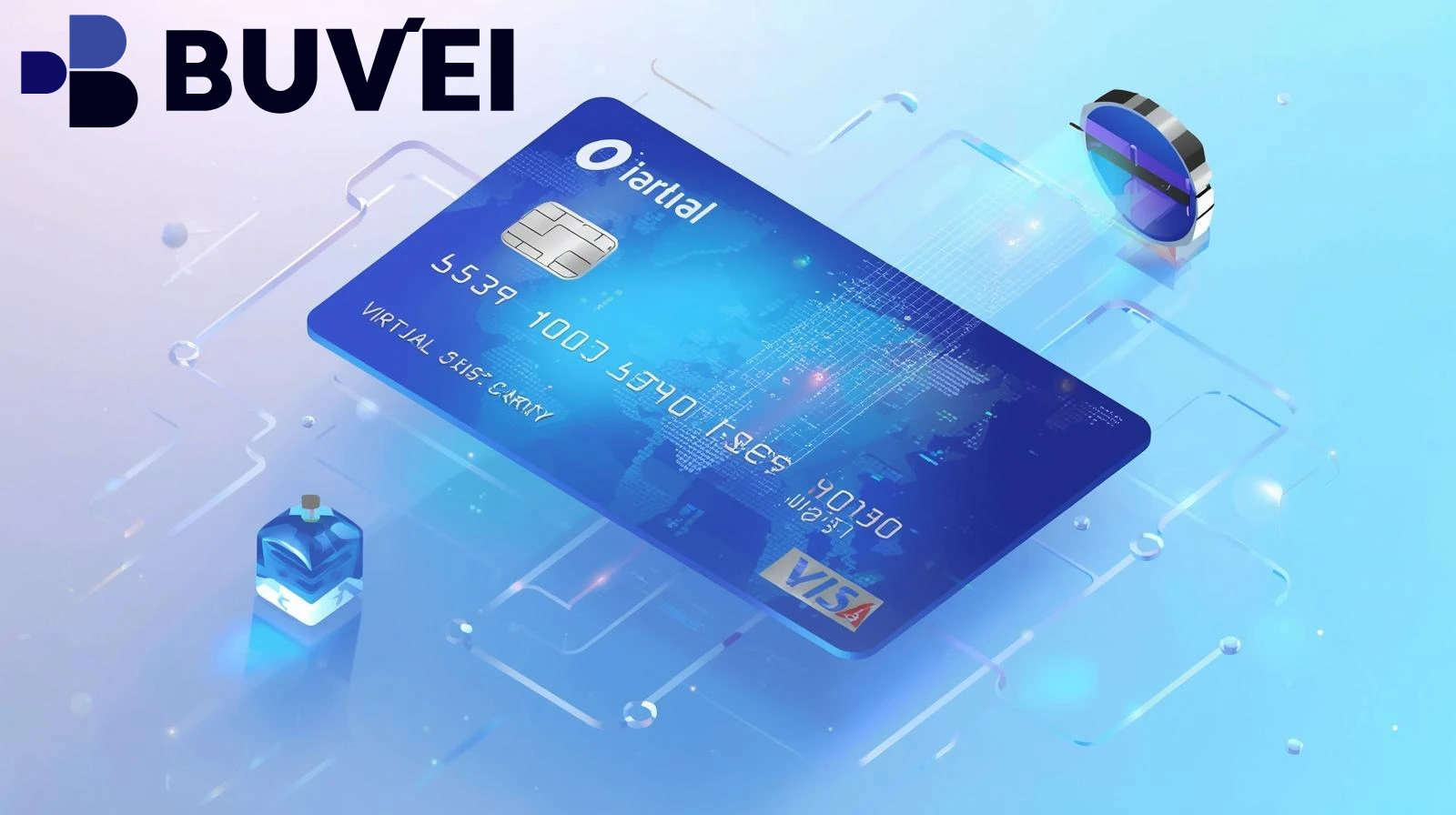
Using Buvei for Instant One-Time Virtual Cards
This is where things become more scalable.
What changes with Buvei
Instead of basic card generation, you get:
- Instant card issuance
- Flexible spending limits
- Multi-card management
- Fast funding via USDT
How to generate a card with Buvei
- Sign up and access your dashboard
- Top up using USDT (TRC20 or ERC20)
- Create a new card
- Set it as a one-time or limited-use card
- Use it for your transaction
Real-world setup
We tested this with multiple scenarios:
- Trial signup → card limit set to $1
- Subscription → monthly capped card
- Online purchase → single-use card
In each case, once the limit was reached, further charges were automatically blocked.
Best practices
- Use one card per platform
- Set strict limits for trials
- Disable cards after use
Conclusion
A one-time use virtual card is one of the simplest ways to control online payments.
Instead of relying on cancellation or tracking billing cycles, you decide whether a charge can happen in the first place. Combined with a flexible virtual card system, this approach gives you full control over subscriptions, trials, and online purchases.
If you regularly deal with recurring payments or unfamiliar platforms, this isn’t just convenient—it’s a smarter way to manage your money.