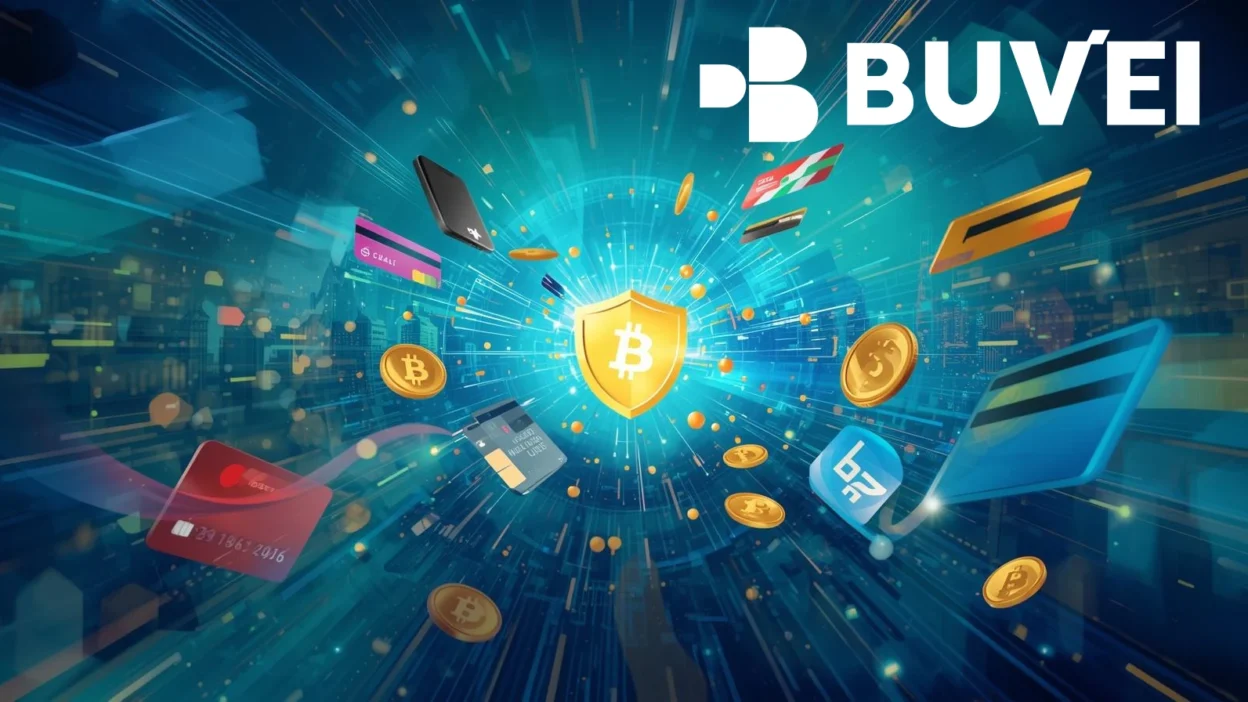
Over the past decade, digital payments have evolved from a simple choice between cash and credit cards into a complex ecosystem filled with wallets, bank transfers, installment plans, and cryptocurrencies.
While innovation has introduced convenience and flexibility, the growing number of payment methods is also creating confusion and fragmentation. Many industry experts believe this trend could eventually lead to consolidation, where multiple payment systems merge into unified platforms.
Understanding this shift helps businesses and consumers prepare for the next phase of payment technology.
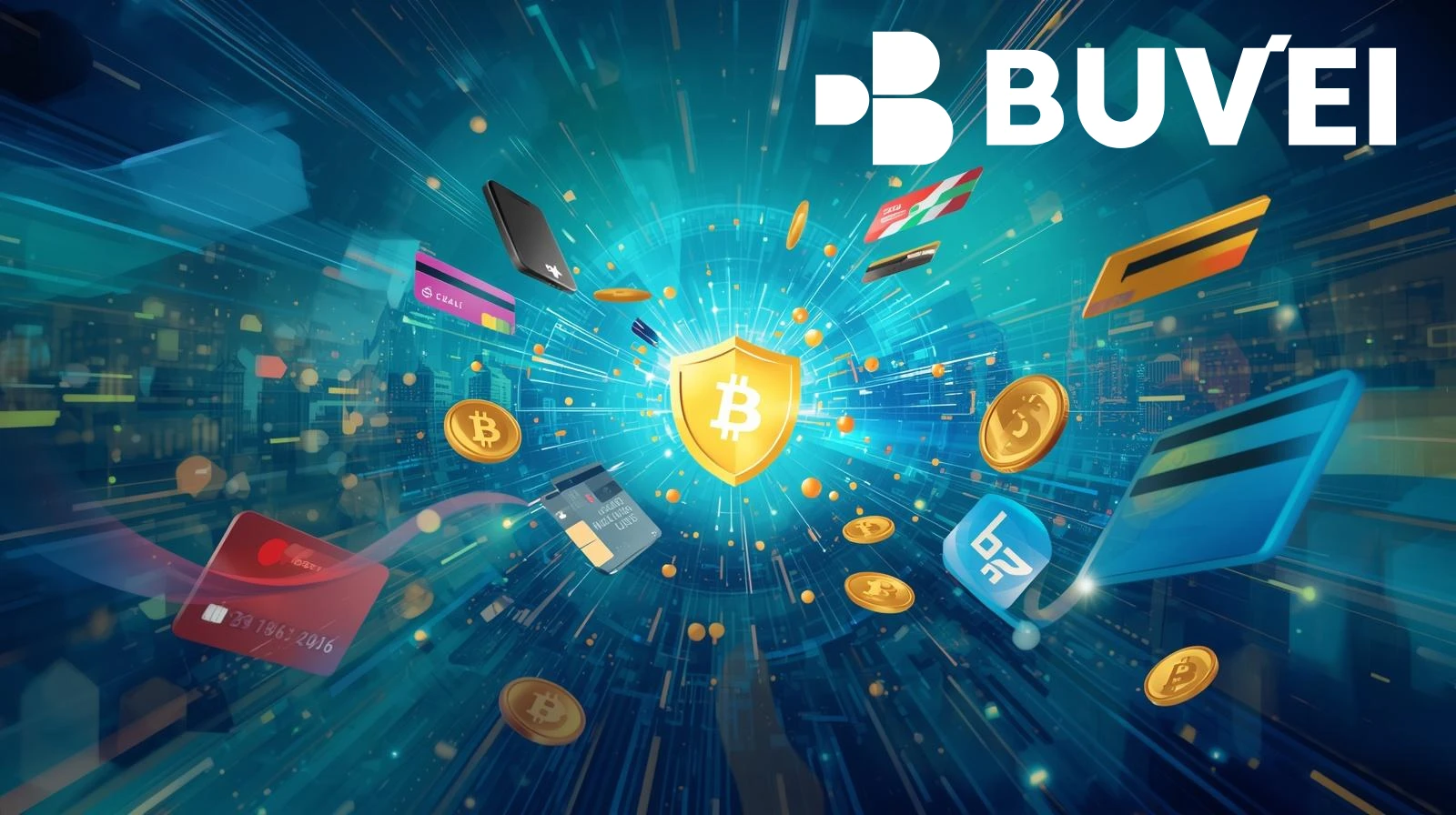
The Rise of Payment Fragmentation
Payment fragmentation occurs when too many payment methods coexist without standardization.
From Simple Payments to Multiple Choices
Historically, consumers had only a few payment options:
- Cash
- Credit cards
- Debit cards
Today, payment choices include:
- Digital wallets
- Buy Now, Pay Later (BNPL) services
- Bank account transfers
- Peer-to-peer payments
- Cryptocurrency payments
Each solution was introduced to solve specific business or consumer challenges, but collectively they created a complicated payment environment.
Retailers Building Their Own Payment Systems
Many large retailers are now developing their own payment ecosystems.
Examples include:
- Retailers offering store-specific apps
- Companies promoting direct bank transfers
- Businesses encouraging loyalty-based wallet usage
These systems aim to reduce reliance on traditional card networks and lower transaction fees.
Why Payment Options Continue to Expand
Businesses are motivated to introduce alternative payment methods for several reasons:
- Reducing credit card processing fees
- Increasing customer engagement
- Controlling payment data
- Creating brand-specific ecosystems
While these goals benefit businesses, they can increase complexity for consumers.

The Consumer Experience in a Fragmented Payment World
Consumers often face a growing list of payment methods depending on the situation.
Multiple Payment Methods for Different Tasks
Modern consumers may use:
- One app to split bills
- Another service for subscriptions
- A separate wallet for retail purchases
- Installment plans for larger purchases
This creates what some experts describe as a “digital keychain” filled with different payment tools.
The Hidden Cost of Complexity
Too many payment methods can create challenges such as:
- Confusion during checkout
- Difficulty managing accounts
- Increased security risks
- Reduced convenience
Consumers typically prefer simple and reliable payment experiences rather than a large number of choices.
Businesses vs Consumer Needs
Many new payment solutions address business goals rather than consumer demand.
For example:
- Lowering transaction costs
- Capturing customer data
- Increasing brand loyalty
However, consumer satisfaction ultimately determines whether these systems succeed.
Why Payment Consolidation Is Likely
Industry history shows that fragmentation is often followed by consolidation.
The Typical Innovation Cycle
Technology industries usually follow a predictable pattern:
- Innovation introduces multiple solutions
- Competition increases fragmentation
- Consumers demand simplicity
- Platforms merge or standardize
This pattern has occurred in industries such as:
- Telecommunications
- Broadcasting
- Digital streaming
Payments may follow a similar path.
Signs of Consolidation Already Appearing
Several developments suggest that consolidation has begun.
These include:
- Unified payment platforms
- Interconnected payment networks
- Standardized real-time payment systems
Such changes indicate a shift toward simplicity and interoperability.
The Role of Real-Time Payment Networks
Modern payment infrastructure is moving toward faster settlement systems.
Examples include:
- Real-time payment rails
- Instant settlement platforms
- Unified clearing systems
These networks reduce delays and improve transaction reliability.
Unified Payment Platforms and “Networks of Networks”
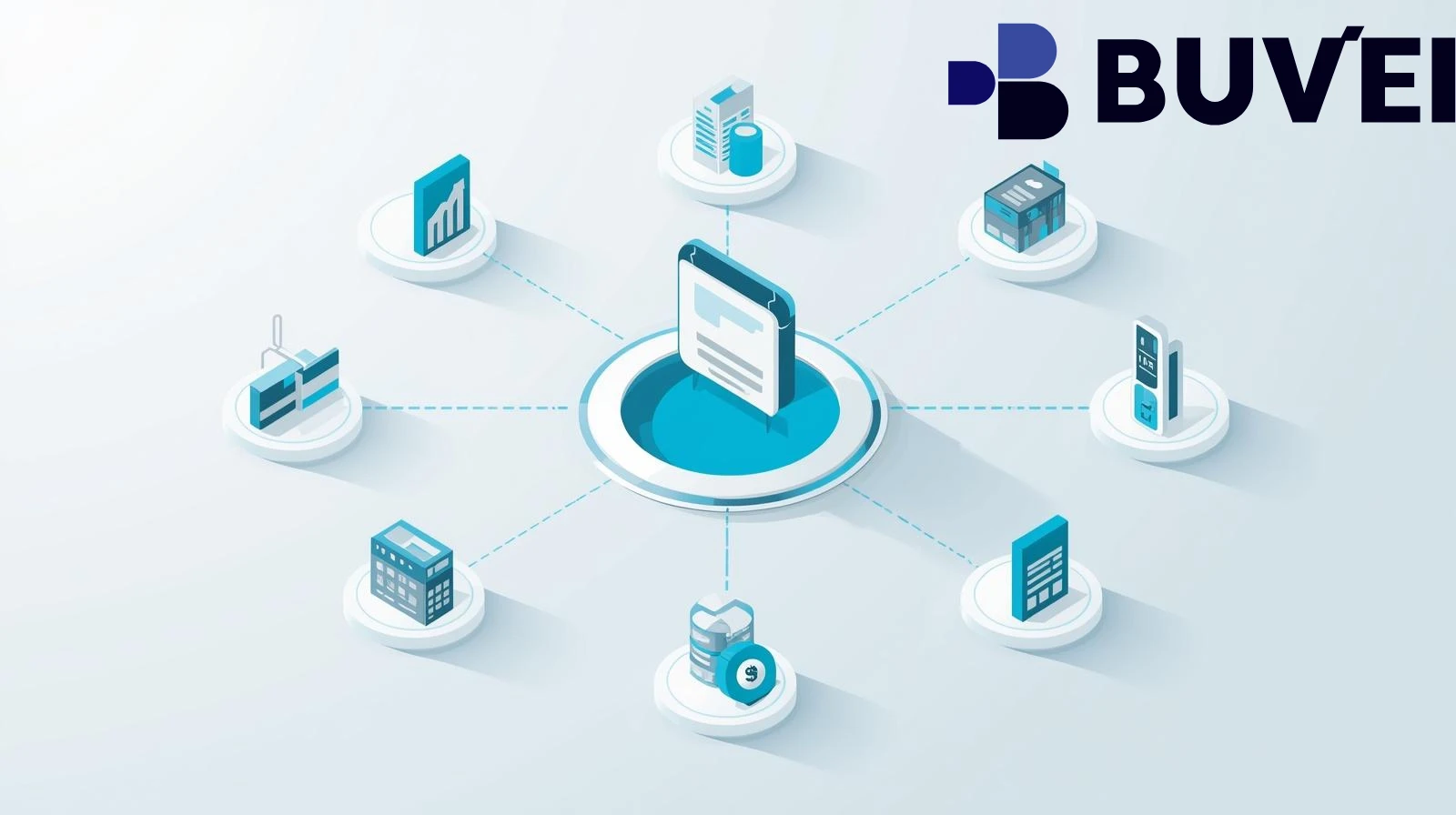
One proposed solution to fragmentation is the concept of unified payment platforms.
What Are Unified Payment Platforms?
Unified platforms combine multiple payment methods into a single system.
They allow users to:
- Choose preferred payment methods
- Manage transactions centrally
- Switch seamlessly between options
This improves convenience without limiting flexibility.
The “Network of Networks” Concept
Some payment innovators are exploring interconnected systems that link different payment networks.
Benefits include:
- Greater compatibility
- Reduced fragmentation
- Simplified transaction routing
This model allows multiple technologies to coexist within a standardized framework.
Retailers Moving Toward Integration
Large merchants are exploring ways to unify payment processes.
This includes:
- Integrating digital wallets
- Supporting direct bank payments
- Connecting loyalty programs
Integration helps create smoother checkout experiences.
Lessons from Other Industries
Payment fragmentation is not unique.
Other industries have experienced similar cycles.
The Streaming Industry Parallel
Digital streaming initially offered consumers freedom and choice.
Over time:
- Subscription numbers increased
- Costs grew
- Platforms merged
This pattern demonstrates how fragmentation eventually leads to consolidation.
Historical Examples of Consolidation
Other industries followed similar paths:
- Railroads in the 19th century
- Radio networks in the 20th century
- Telecommunications systems
These sectors became more efficient after standardization.
Why Payments Will Likely Follow the Same Path
The payments industry is facing:
- Rising complexity
- Consumer fatigue
- Competitive pressure
These forces often trigger industry consolidation.
Final Thoughts
The modern payments ecosystem has grown rapidly, introducing new technologies designed to improve efficiency and reduce costs. However, the explosion of payment methods has also created fragmentation that complicates the user experience.
History suggests that fragmentation rarely lasts forever. As consumers demand simplicity and businesses seek efficiency, payment systems are likely to evolve toward unified platforms and standardized networks.
In the long term, the future of payments may not involve more options—but smarter, simpler systems that connect existing ones into a seamless global payment infrastructure.