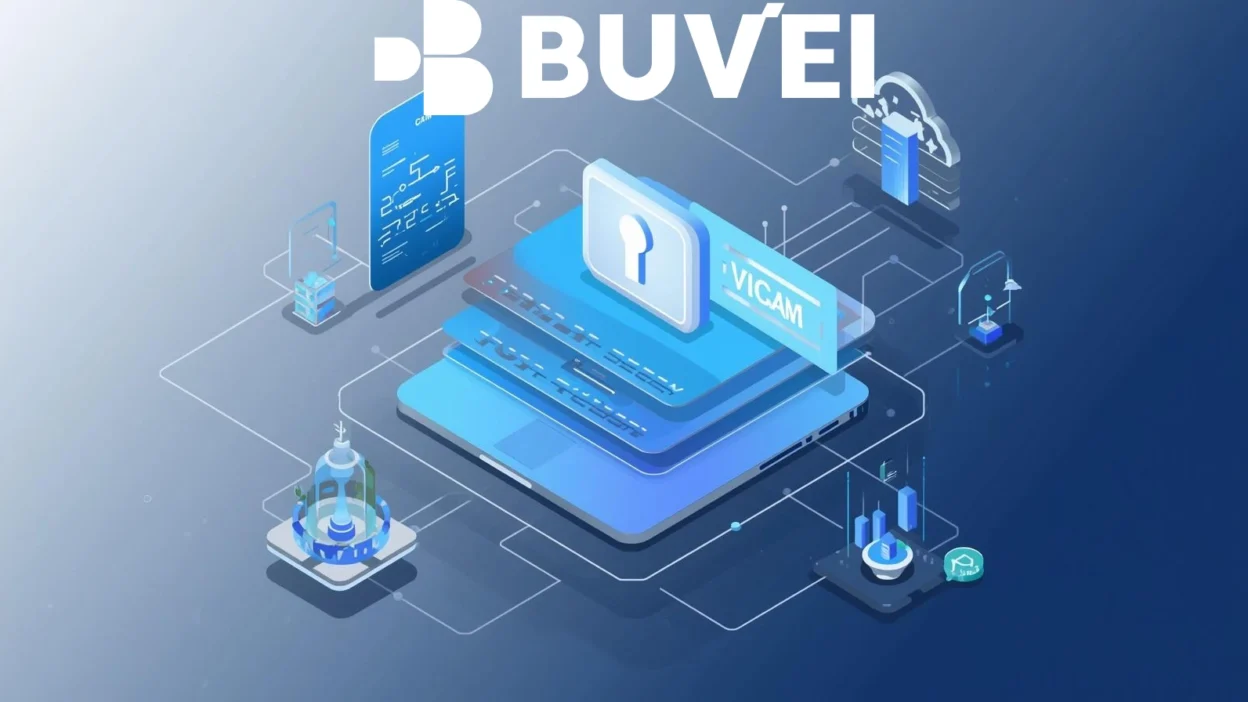
In April 2026, as AI-powered "Deepfake" social engineering and sophisticated "Magecart" skimming attacks have professionalized the fraud economy, the traditional static credit card has become an enterprise liability. Virtual Card Platforms have transitioned from simple convenience tools to the primary line of defense in corporate cybersecurity.
By utilizing Dynamic Tokenization and Software-Defined Spend Controls, these platforms provide a "Zero-Trust" framework for online payments, ensuring that a single security breach does not compromise an entire organization's treasury.
 Common Online Payment Fraud Scenarios (2026)
Modern fraud has moved beyond simple card theft into the realm of Automated Exploitation.
-
AI-Driven Skimming (Magecart 4.0): In 2026, attackers use AI to rewrite the code on a merchant’s checkout page in real-time, "skimming" card data as it is entered.
-
Subscription Creep & "Zombie" Charges: Vendors often make it difficult to cancel recurring payments, leading to unauthorized "rebilling" after a relationship has ended.
-
Vendor Impersonation (BEC): Fraudsters use deepfake audio and synthetic emails to pose as trusted suppliers, convincing employees to redirect high-value payments to fraudulent accounts.
-
BIN-Attack Brute Forcing: Criminals use high-speed computing to "guess" the 16-digit numbers of traditional credit card ranges, targeting static numbers that remain active for years.How Virtual Cards Mitigate Fraud Risks
How Virtual Cards Mitigate Fraud Risks
Virtual cards act as a Security Buffer, breaking the "Chain Reaction" of a data breach.
-
Unique Vendor Tokens: Instead of one card for everything, you issue a unique 16-digit number to every vendor. If your "Amazon" card is leaked, it cannot be used at "Google" or "Facebook."
-
Elimination of the "Master Key": A breach at one vendor only exposes a temporary, low-limit virtual card. Your primary bank account and corporate credit line remain entirely invisible to the outside world.
-
Real-Time Deactivation: Unlike physical cards that take 7 days to replace, a virtual card can be deleted in a single click via a mobile app, instantly terminating a fraudster’s access without affecting other business operations.
-
Tokenized Isolation: According to 2026 Visa research, tokenized payments cut e-commerce fraud by 34% because the credentials used for one transaction are functionally useless for the next if they do not match the merchant profile.
Security Features of Virtual Card Platforms
The 2026 "Defensive Stack" includes features that go far beyond a simple CVV.
| Feature | Technical Benefit | Fraud Protection |
| Merchant Locking | Binds a card to the first merchant that uses it. | Prevents a stolen card number from being used at any other retailer. |
| Single-Use Tokens | Cards expire immediately after one transaction. | Ideal for one-time purchases from unfamiliar international vendors. |
| Hard Spend Limits | Caps the total amount a card can ever charge. | Prevents "Over-billing" or mass drainage if a card is compromised. |
| Dynamic CVV | The 3-digit code changes every few hours or after every use. | Renders "skimmer" data obsolete within minutes of the theft. |
| Contextual Alerts | Instant push notifications for every attempted charge. | Allows finance teams to "Freeze" suspicious activity in sub-seconds. |
Use Cases: Ads, SaaS, and Marketplaces
Digital Advertising (High-Velocity Spend)
Media buyers often run hundreds of ad accounts on Meta and Google. Using virtual cards allows them to:
-
Isolate Accounts: If one ad account is "Suspended" or "Hacked," the others remain unaffected because they use distinct financial identities.
-
Budget Enforcer: Set a $500 daily limit to prevent a runaway ad script from draining $50,000 overnight.
SaaS & Recurring Subscriptions
Companies in 2026 manage an average of 250+ software subscriptions.
-
The Strategy: One card per software tool. If a tool like "Slack" or "Zoom" attempts a 20% price hike without notice, the virtual card (with its strict $15.00 limit) will decline the charge, forcing a manual review.
Enterprise Marketplaces
For platforms like DoorDash or Amazon, virtual cards allow for Just-In-Time (JIT) Procurement.
The Strategy: Issue a virtual card to an employee or contractor with a limit of exactly the purchase order amount. Once the purchase is made, the card's balance drops to zero, removing any incentive for future theft.
 Final Thoughts: The Shift to Proactive Security
In 2026, the best fraud prevention is Zero Exposure. By shifting from static physical cards to dynamic virtual tokens, businesses move from reacting to fraud (disputing charges) to preventing it (declining unauthorized access before it happens). Secure your treasury by treating every payment as a programmable, isolated event.