By April 2026, the financial technology sector has moved beyond "Embedded Finance" as a buzzword and into a reality where Software-Defined Card Issuing is a core infrastructure requirement. Whether it is a fleet management company issuing real-time fuel cards, a neobank launching a "Quiet Luxury" metal card tier, or an AI-agent-driven procurement system, the Card Issuing API is the fundamental interface.
The 2026 market is no longer defined by who can print plastic, but by whose API provides the highest Authorization Logic, the lowest Provisioning Latency, and the most robust Regulatory Resilience. This whitepaper analyzes the technical apex of card-issuing providers, comparing their ability to handle the "Machine-to-Machine" economy of the late 2020s.
 What Are Card Issuing APIs
A Card Issuing API is a programmable gateway that allows businesses to instantly create, manage, and distribute payment cards (virtual or physical) without building a direct relationship with a banking network.
In 2026, these APIs serve as the abstraction layer between complex legacy banking rails (Visa, Mastercard) and modern cloud environments. They allow a developer to convert a line of code into a functional 16-digit PAN (Primary Account Number) with granular spending rules attached. Unlike traditional "batch" issuance, these APIs operate on Just-In-Time (JIT) Funding models, where the decision to approve or decline a transaction happens in the issuer's cloud in under 100 milliseconds.
How API-Based Card Issuing Works
The 2026 issuance workflow is defined by three distinct phases: Provisioning, Decisioning, and Settlement.
1. Instant Digital Provisioning
Through a single request, the API generates a card object. In 2026, this includes immediate Push Provisioning metadata for Apple Pay and Google Pay. The cardholder can use the card in a digital wallet within seconds of account approval, long before a physical card is ever manufactured.
2. Real-Time Authorization (The JIT Model)
The defining feature of a modern API is the Webhook Handshake.
-
When a merchant swipes a card, the network sends an authorization request to the Issuing API.
-
The API forwards this to the business's own server via a high-speed webhook.
-
The business's server applies custom logic—checking real-time budgets, merchant categories, or even AI fraud scores—and sends back an "Approve" or "Decline" signal.
3. Programmatic Lifecycle Management
Post-issuance, the API handles the "Maintenance" layer: In 2026, this is increasingly handled by autonomous "Agentic Commerce" systems that manage corporate spend without human intervention.

Key Features to Compare: BINs, Fees, and Scalability
When evaluating a provider in 2026, the "Standard Features" of 2022 are now table stakes. Architects must look at deeper technical metrics.
Institutional BIN Authority
The quality of the Bank Identification Number (BIN) determines merchant acceptance.
-
BIN Freshness: Stale BIN ranges are often flagged by high-risk merchants. The best APIs rotate their pools regularly.
-
Commercial Credit vs. Debit: For B2B use cases, an API that can issue "Commercial Credit" BINs is essential for higher spending limits and lower interchange costs.
Global Multi-Currency Native Rails
By 2026, a top-tier API must offer Like-for-Like Settlement. If a business issues a card in Europe but the transaction happens in USD, the API should settle directly from a USD wallet to avoid the 3% "FX Leakage" common in legacy systems.
Compliance-as-Code
The 2026 regulatory environment is intense. A "Good" API includes built-in KYB/KYC (Know Your Business/Customer) workflows and automated SCA (Strong Customer Authentication) triggers that are localized for the region of use (e.g., PSD3 compliance in Europe).
Top Card Issuing API Providers in 2026
| Provider | Core Strength | Best Use Case | API Latency |
| Marqeta | Programmable JIT Funding | Complex Fintech (BNPL, Expense Apps) | <80ms |
| Stripe Issuing | Ecosystem Integration | SaaS & Marketplaces (DoorDash style) | <100ms |
| Adyen | Global Unified Stack | Enterprise Retail & Multi-Region Ops | <110ms |
| Lithic | Developer Flexibility | Startups & Rapid Prototyping | <70ms |
| Airwallex | FX Efficiency | Cross-Border Corporate Spend | <120ms |
Marqeta: The Architect’s Choice
Marqeta remains the gold standard for "Deep Customization." Their 2026 API offers the most granular control over authorization rules. If you need a card that only works at specific GPS coordinates or for specific SKU-level data, Marqeta is the platform.
Stripe Issuing: The Speed Leader
For platforms already using Stripe for acquiring, Stripe Issuing is the path of least resistance. It offers a "Unified Dashboard" where incoming payments from customers can be instantly diverted into outgoing virtual cards for contractors or suppliers.
Adyen: The Enterprise Powerhouse
Adyen’s strength lies in its Global Operating Posture. It is the only provider that truly offers a single API for issuing across North America, Europe, and parts of Asia-Pacific with a consolidated regulatory and reporting layer.
Lithic: The High-Velocity Challenger
Lithic has optimized for the "Developer Experience." Their sandbox is the fastest to set up, and they specialize in the "Card-as-a-Service" model, allowing startups to go from "Idea" to "Live Virtual Card" in less than two weeks.
 Final Thoughts: The Shift Toward Autonomous Proxies
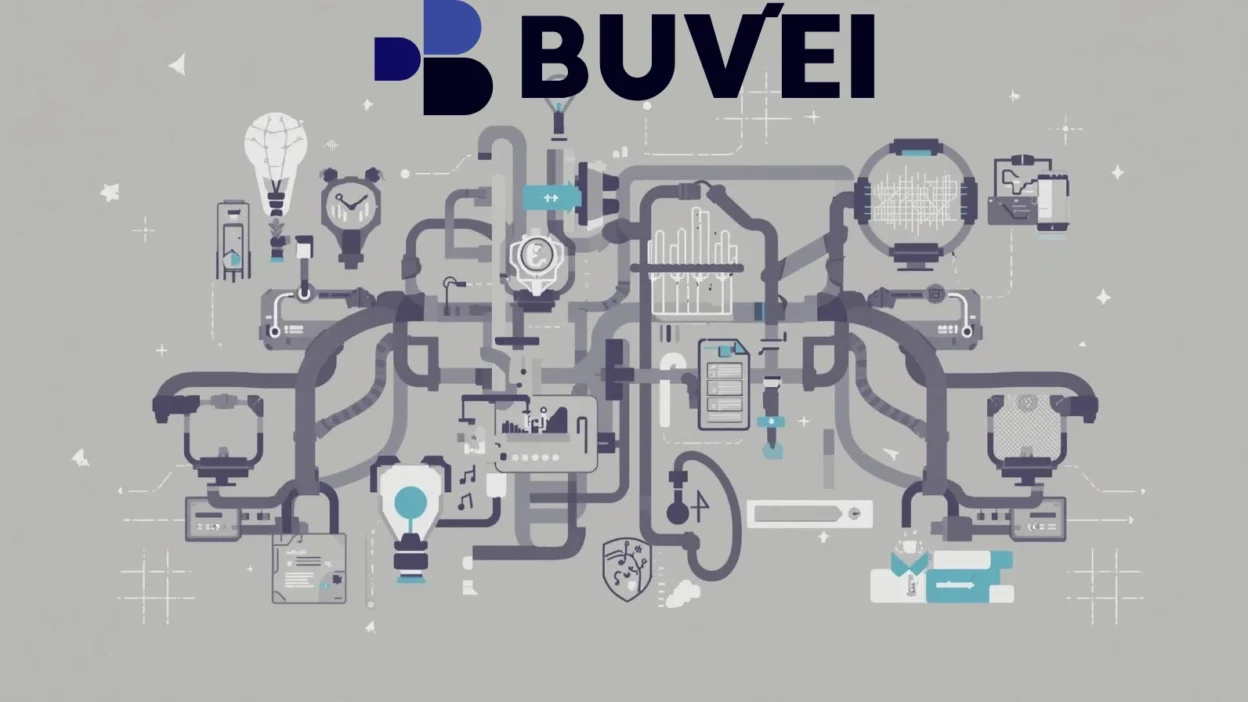
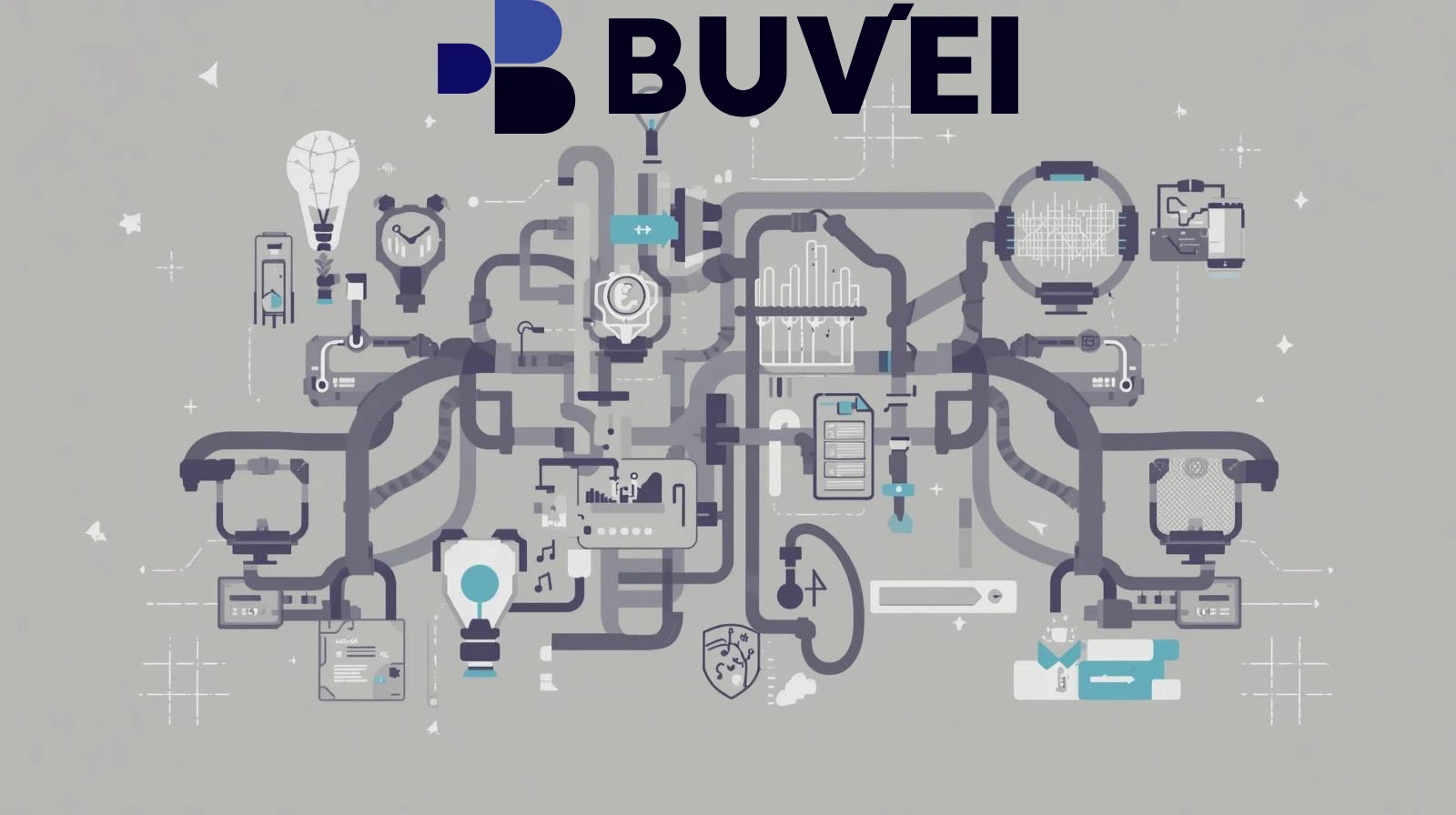
The defining trend of 2026 is Agentic Commerce. As AI agents begin to negotiate and pay for services autonomously, the requirements for Card Issuing APIs are shifting. The API must now be "discoverable" and "executable" by machines. Choosing a provider in 2026 is no longer just about paying people; it is about building the financial plumbing for a machine-directed economy.