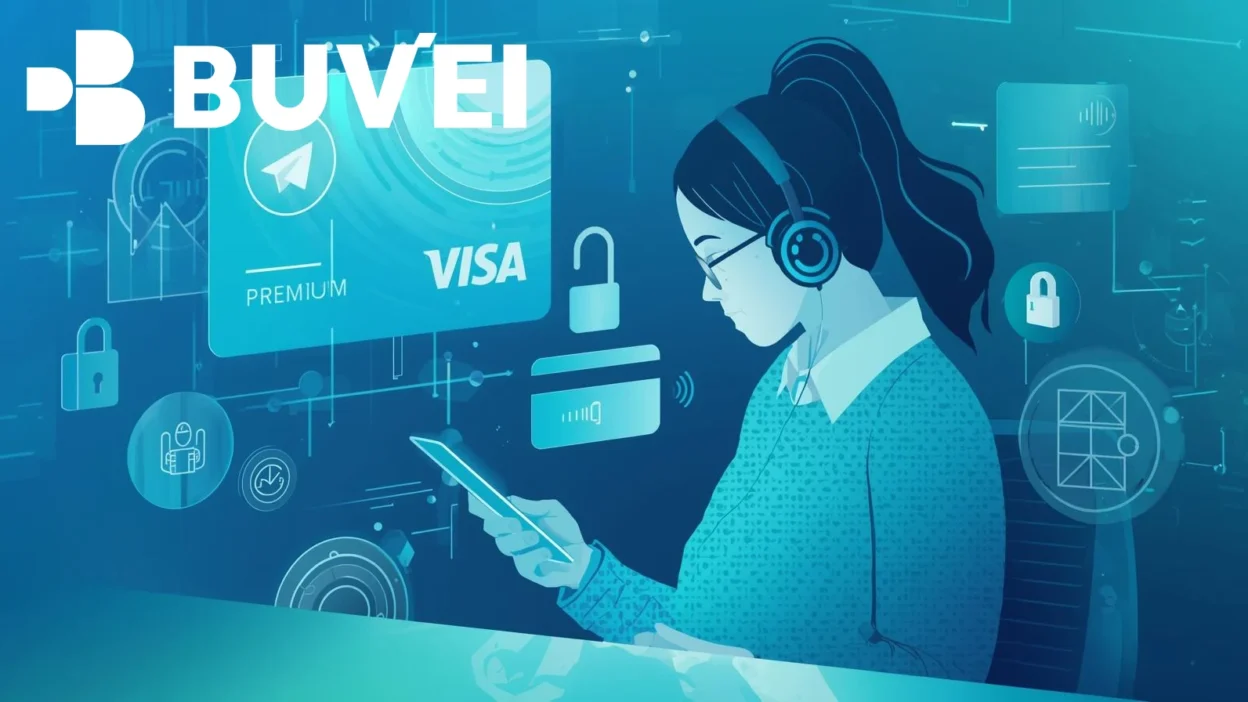
Many users of Telegram value privacy and prefer payment methods that reduce exposure of personal financial details. With the growth of subscription-based features like Telegram Premium, anonymous or privacy-focused payment methods have become increasingly popular.
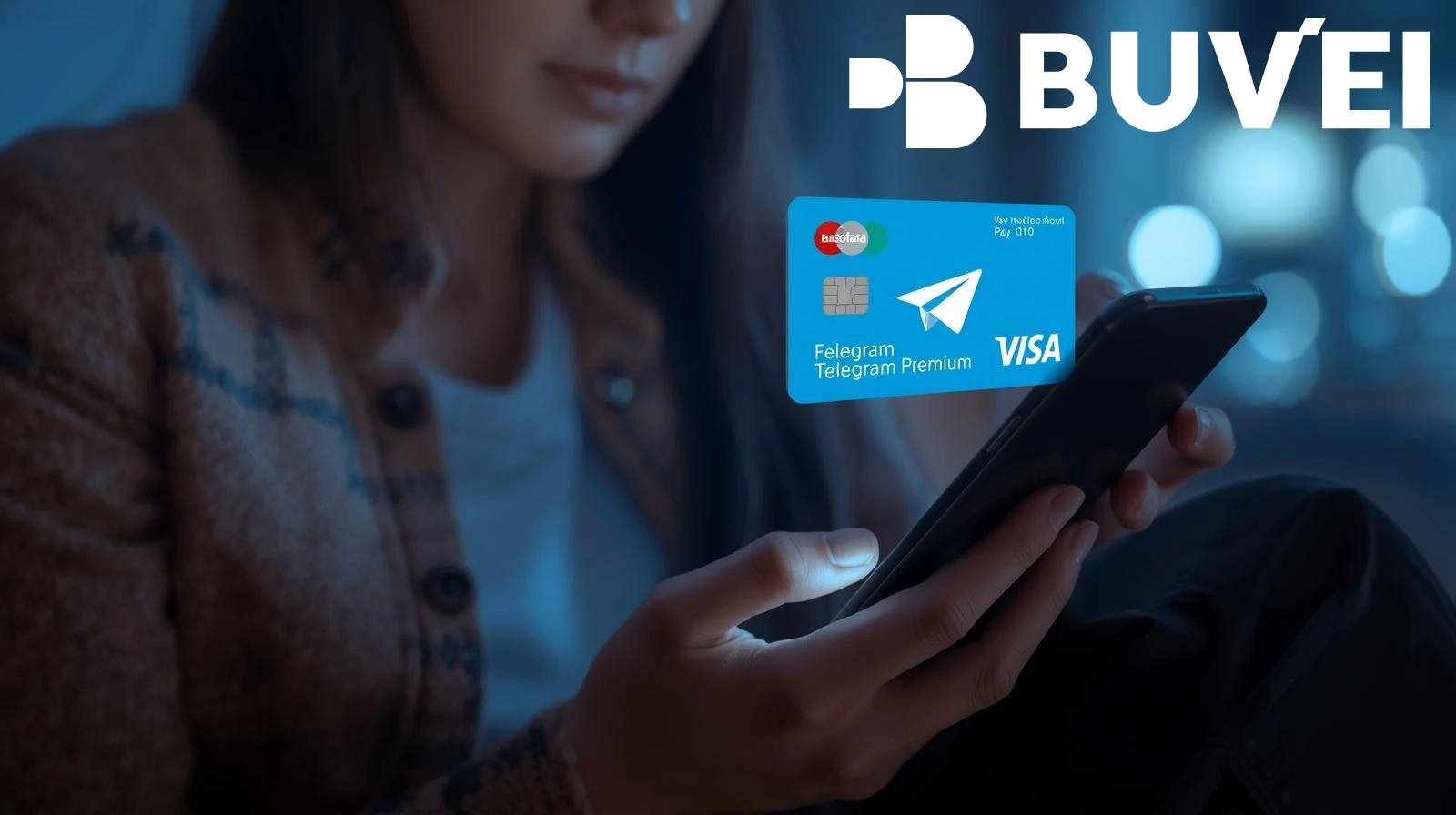
1. Why Users Want Anonymous Payments
Privacy concerns have become more common as digital subscriptions increase worldwide. Many users want to limit how much personal data is shared during online transactions.
Protecting Financial Privacy
Traditional cards are directly linked to personal bank accounts.
This means:
- Real banking details are exposed during transactions
- Personal information may be stored by merchants
- Payment histories may be traceable
- Financial data may be shared across systems
Privacy-conscious users prefer payment methods that reduce direct exposure.
Avoiding Subscription Tracking
Subscription services typically store payment credentials for recurring billing.
Some users want to:
- Separate subscriptions from personal banking
- Avoid long-term storage of sensitive data
- Limit merchant visibility into their financial activity
- Reduce risk from potential data leaks
Virtual cards provide flexibility in how payment details are shared.
Reducing Fraud Risk Exposure
Cyber threats and payment fraud continue to increase globally.
Users often seek:
- Temporary card numbers
- Limited-use payment methods
- Isolation from primary accounts
- Controlled spending environments
Privacy-focused payment tools reduce potential financial exposure.
2. How Virtual Cards Protect Privacy
Virtual cards offer multiple privacy benefits compared to traditional bank cards.
Masked Card Details
Virtual cards generate unique card numbers separate from primary accounts.
This means:
- Real bank card numbers remain hidden
- Merchant systems only receive virtual card details
- Sensitive financial data exposure is reduced
- Cards can be replaced easily if compromised
Many virtual cards operate on trusted networks such as:
Visa
Mastercard
These networks support global acceptance while maintaining strong security standards.
Temporary and Disposable Cards
Some virtual card systems allow users to create temporary cards.
These cards can:
- Be used once or for limited transactions
- Expire automatically
- Be deleted after payment
- Reduce long-term exposure
Temporary cards are especially useful for subscriptions and trials.
Custom Spending Limits
Virtual cards allow precise control over spending.
Users can:
- Set daily or monthly limits
- Restrict transaction values
- Disable cards instantly
- Prevent unexpected charges
This improves both privacy and financial safety.
3. Step-by-Step Guide to Paying Telegram Premium
Using virtual cards to pay for Telegram Premium is usually straightforward.
Step 1: Create a Virtual Card
Start by signing up with a trusted virtual card provider.
After registration:
- Generate a new virtual card
- Assign spending limits
- Fund the card balance
- Verify activation
Make sure the card supports recurring payments.
Step 2: Open Telegram Premium Payment Page
Within Telegram, navigate to:
Settings → Telegram Premium → Subscribe
You can also subscribe through:
App Store
Google Play
Depending on your device.
Step 3: Enter Virtual Card Details
Input the virtual card information:
- Card number
- Expiry date
- CVV code
- Billing details (if required)
Use minimal personal data when possible, while staying compliant with service rules.
Step 4: Confirm Subscription
Once payment is approved:
- Telegram Premium activates instantly
- Subscription renews automatically
- Billing repeats monthly or annually
You can manage recurring payments directly from your virtual card dashboard.
4. Risks and Limitations to Consider
Although virtual cards improve privacy, they are not completely anonymous.
Understanding the limitations helps avoid problems.
KYC and Identity Requirements
Most virtual card providers require identity verification.
This may include:
- Email verification
- Identity documents
- Payment source verification
- Compliance checks
These requirements are necessary for regulatory compliance.
Subscription Compatibility Issues
Not all virtual cards work with recurring billing.
Potential issues include:
- Payment rejections
- Unsupported merchants
- Currency mismatches
- Recurring payment failures
Always verify subscription compatibility.
Risk of Account Suspension
Using false or misleading information may violate platform policies.
This can result in:
- Subscription cancellation
- Account restrictions
- Payment refusal
- Loss of service access
Always follow platform rules when creating payment accounts.
5. Using buvei Virtual Cards for Private Payments
Virtual card services such as buvei provide features designed for privacy-conscious payments.
(This section keeps promotional content minimal and practical.)
Multiple Card Creation
Users can generate separate cards for:
- Telegram Premium
- Online subscriptions
- SaaS services
- Digital platforms
This helps isolate payment activity across services.
Controlled Subscription Billing
Virtual cards allow users to:
- Assign spending caps
- Track subscription charges
- Disable recurring payments
- Manage multiple subscriptions
These features help maintain payment control.
Suitable for Global Payments
Modern virtual card systems often support:
- International transactions
- Multi-currency billing
- Online subscription platforms
- Recurring payment workflows
These capabilities support reliable Telegram Premium payments.
Conclusion
Paying for Telegram Premium anonymously or with enhanced privacy is possible using virtual cards. While complete anonymity is rarely achievable due to compliance requirements, virtual cards significantly reduce exposure of sensitive banking information.
By choosing a reliable virtual card provider, setting spending limits, and using disposable card options, users can enjoy Telegram Premium while maintaining stronger privacy and payment security.