Card issuing APIs have become a core component of modern payment infrastructure. Businesses today—from SaaS platforms to fintech startups—use APIs to create virtual cards instantly, automate billing workflows, and manage global payments at scale.
1. What Is a Card Issuing API
A card issuing API is a software interface that allows businesses to create and manage payment cards programmatically.
Instead of manually requesting cards from banks, companies can generate virtual cards automatically through code.
Simple Definition
A card issuing API enables businesses to:
Create virtual cards instantly
Set spending limits
Assign cards to users
Track transactions
Control payment permissions
These APIs are commonly provided by financial infrastructure companies such as Stripe, Marqeta, and Adyen.
Why Card Issuing APIs Matter in 2026
Modern businesses operate across multiple regions, currencies, and platforms. Manual payment processes are no longer practical.
Card issuing APIs help businesses:
Automate financial operations
Improve payment approval rates
Reduce operational overhead
Scale globally
Improve expense visibility
These capabilities are especially valuable for fast-growing digital businesses.
2. How Card Issuing APIs Work Step by Step
Behind every virtual card is a structured workflow involving multiple payment components.
Here is a simplified step-by-step overview.
Step 1: Business Connects to the API
A company integrates its internal system with a card issuing platform.
This typically involves:
Creating developer credentials
Setting API authentication keys
Connecting backend systems
Once integrated, the system can request card creation automatically.
Step 2: Card Request Is Sent
When a new card is needed, the system sends a request to the API.
Typical request parameters include:
Cardholder ID
Spending limit
Currency
Expiration settings
Merchant restrictions
This step determines how the card will behave.
Step 3: Card Is Generated Instantly
The issuing platform generates a virtual card using available card infrastructure.
This includes:
Card number
Expiration date
CVV code
Billing configuration
The card becomes available within seconds.
Step 4: Card Is Used for Payments
The virtual card can be used immediately for online transactions.
Common payment destinations include:
Google advertising accounts
Meta Platforms campaigns
Amazon services
Subscription tools
Payments are processed through standard card networks.
Step 5: Transaction Data Is Returned
After each transaction, the API sends detailed data back to the business.
This includes:
Transaction amount
Merchant details
Payment status
Decline reasons
Businesses use this data for reporting and automation.
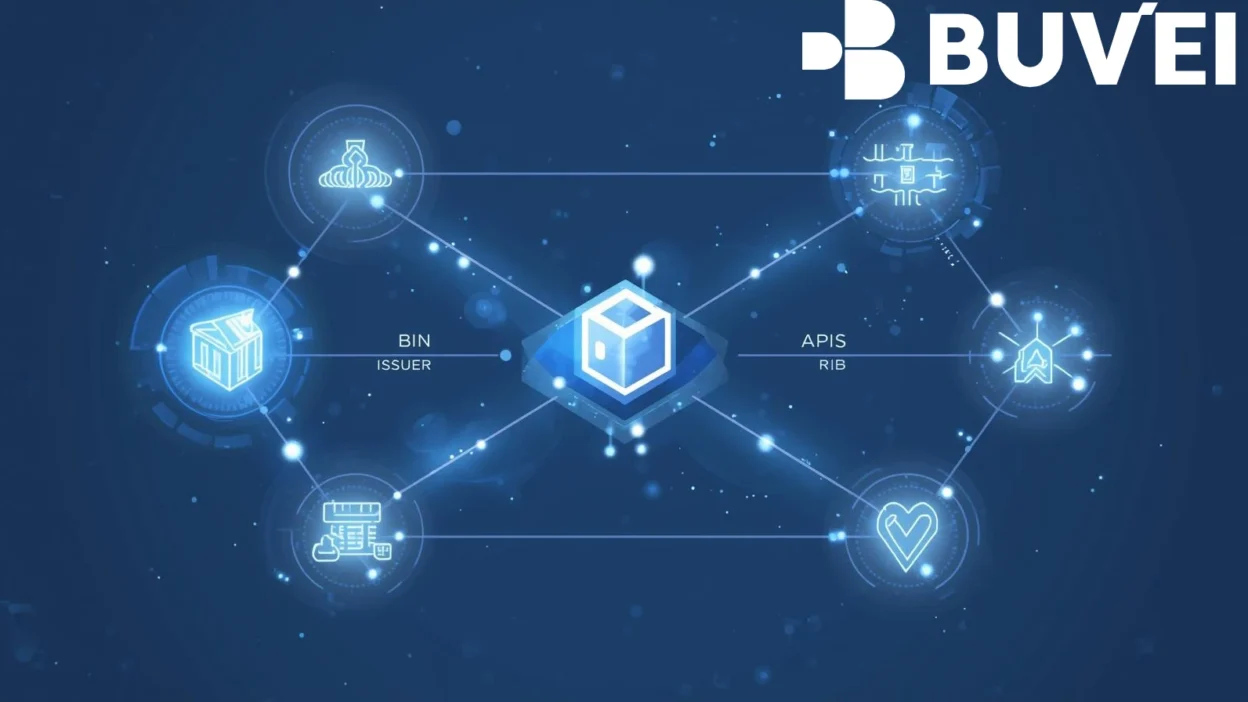
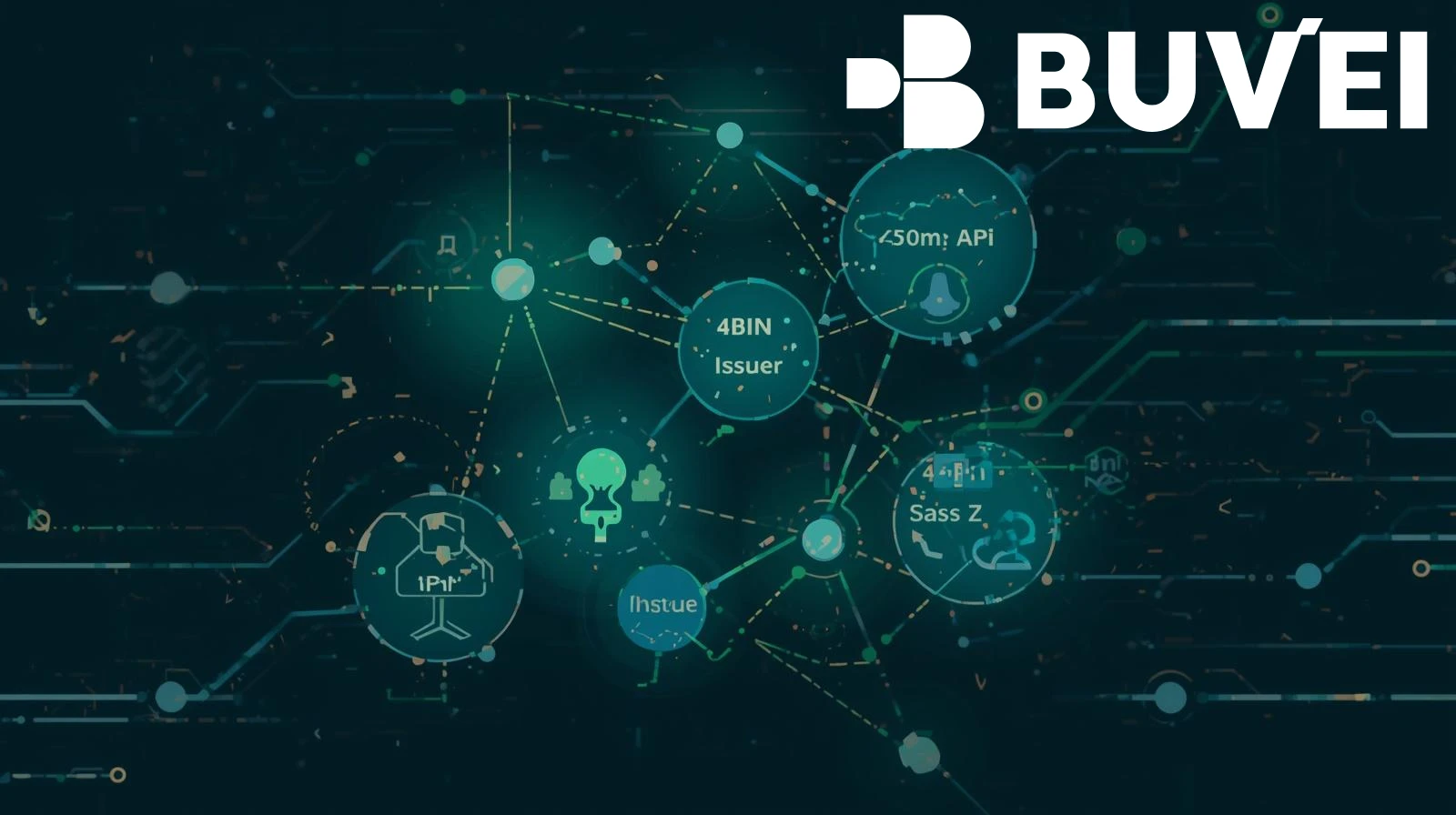
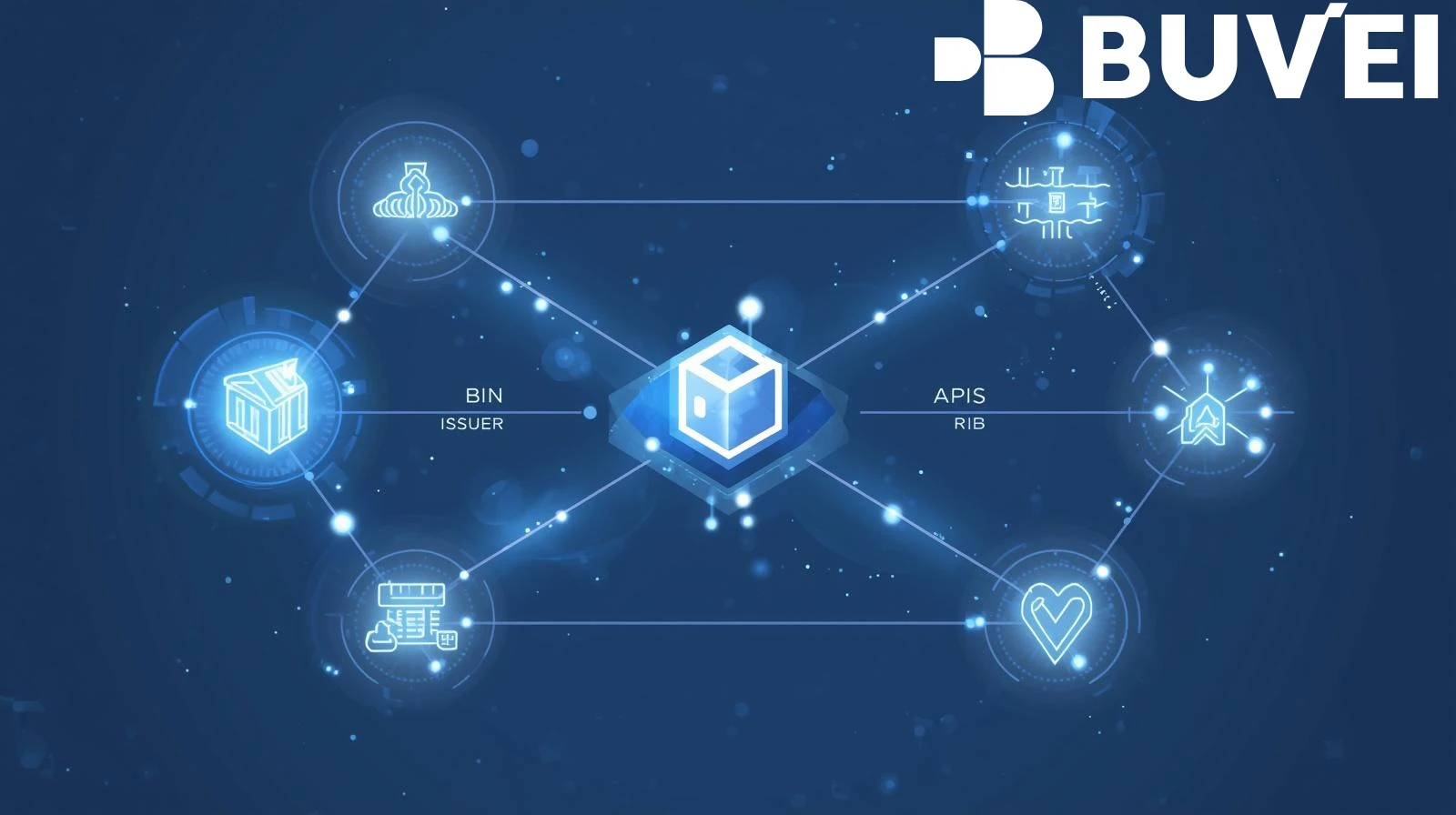
3. Key Components: BIN, Issuer, Processor, API
Several technical elements work together to make card issuing possible.
Understanding these components helps clarify how the system functions.
BIN (Bank Identification Number)
A BIN is the first six to eight digits of a payment card.
It identifies:
Issuing bank
Card type
Geographic region
Payment network
BIN quality affects:
Payment approval rates
Merchant compatibility
Geographic acceptance
Multiple BIN options improve payment reliability.
Issuer Bank
The issuer is the financial institution responsible for creating and managing the card.
Issuer banks:
Approve transactions
Monitor fraud
Manage compliance
Hold financial liability
Without an issuer, cards cannot function.
Payment Processor
Processors handle communication between merchants and issuing banks.
They manage:
Authorization requests
Transaction routing
Settlement processes
Payment confirmation
Reliable processors reduce payment failures.
Card Issuing API Platform
The API platform connects all components together.
It provides:
Developer tools
Card management systems
Transaction dashboards
Security frameworks
This is the interface businesses use to control payment workflows.
4. Use Cases: SaaS, Ads, Fintech Platforms
Card issuing APIs support a wide range of industries.
Below are the most common real-world applications.
SaaS Billing and Subscription Management
Software companies frequently rely on recurring billing.
Virtual cards help:
Pay for cloud services
Manage subscription tools
Track departmental spending
Control recurring charges
These features simplify subscription management.
Advertising and Media Buying
Marketing teams often run multiple campaigns simultaneously.
Virtual cards allow:
Separate campaign budgets
Controlled ad spend
Fast payment approvals
Real-time cost tracking
Platforms commonly supported include:
Google Ads
Meta Ads
TikTok
Campaign-level card control improves financial efficiency.
Fintech and Embedded Finance Products
Many fintech platforms build services on top of issuing APIs.
Examples include:
Digital wallets
Expense tracking apps
Corporate card programs
Payment automation tools
Embedded finance relies heavily on API-driven infrastructure.
Marketplace and Platform Payments
Online marketplaces use virtual cards to manage payments between parties.
Common functions include:
Vendor payouts
Refund handling
Transaction tracking
Budget segmentation
These systems reduce manual payment errors.
5. How buvei Provides Card Issuing API Solutions
Modern card issuing platforms provide infrastructure designed for automation-heavy businesses.
Flexible API Integration
API issuing platforms typically support:
Instant card creation
Custom spending rules
Real-time transaction updates
Bulk card generation
These tools help businesses automate financial workflows.
Multi-BIN Support
Platforms offering multiple BIN ranges improve acceptance across regions.
This helps:
Reduce decline rates
Improve international compatibility
Support global merchants
Increase payment reliability
Multi-BIN availability is especially useful for cross-border payments.Scalable Infrastructure for Growing Businesses
Businesses handling large volumes of payments require reliable systems.
Scalable issuing platforms support:
High-volume transactions
Rapid user growth
Multiple currencies
Global operations
This ensures long-term system performance.
Conclusion
Card issuing APIs are transforming how businesses create, manage, and automate payment systems. By enabling instant virtual card generation and real-time financial tracking, these tools reduce manual work and improve operational efficiency.
As digital payments continue to expand in 2026, businesses that integrate card issuing APIs into their infrastructure gain greater flexibility, stronger financial control, and improved scalability across global operations.
Understanding how card issuing APIs work—and selecting the right platform—can significantly impact payment performance, automation capabilities, and long-term growth.