Digital transformation is reshaping how companies handle payments, data, and financial workflows. In the rapidly changing world of business-to-business (B2B) transactions, adopting modern payment solutions is no longer optional—it is becoming essential for long-term competitiveness.
Digital wallets, once mainly used by consumers, are now playing a major role in B2B payments. As businesses demand faster transactions, stronger security, and more efficient processes, digital wallets are emerging as a powerful tool that supports modern financial operations.
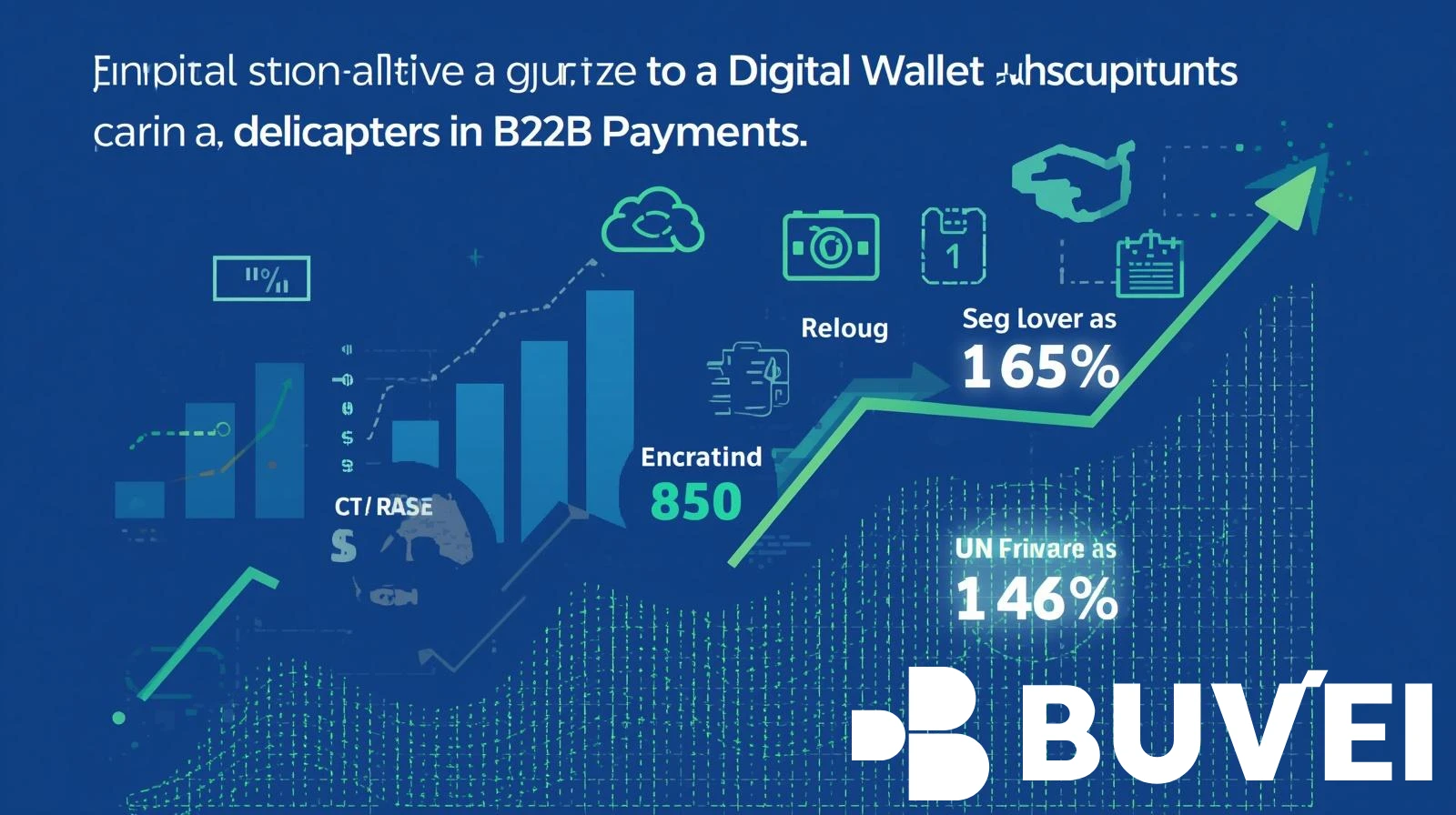
The Rise of Digital Wallets in B2B Payments
Digital wallets have evolved far beyond their original consumer-focused use cases. Today, they are widely used in professional environments to support fast, secure, and trackable financial transactions.
From Consumer Payments to Business Solutions
Digital wallets initially gained popularity through consumer platforms like Apple Pay, Google Pay, and PayPal.
However, businesses quickly recognized that the same convenience offered to consumers could also improve operational workflows.
In B2B environments, digital wallets now support:
Supplier payments
Vendor settlements
Subscription billing
Cross-border transactions
This shift demonstrates how digital payment tools are becoming essential components of modern business infrastructure.
Changing Expectations in the Business Environment
Just as younger generations have reshaped consumer behavior, businesses are also adjusting their expectations.
Companies now demand:
Faster payment processing
Simplified workflows
Real-time transaction tracking
Traditional methods such as manual invoicing and paper-based payments no longer meet these expectations.
Digital wallets provide a frictionless payment experience that aligns with modern operational needs.
Benefits of Digital Wallet Adoption for B2B Organizations
Adopting digital wallets delivers measurable advantages across financial management, efficiency, and customer relationships.
Streamlined Payment Processes
One of the most significant advantages of digital wallets is automation.
By digitizing payments, companies can:
Reduce manual processing
Eliminate repetitive tasks
Accelerate transaction speed
Instead of managing paper invoices or manual transfers, businesses can complete transactions instantly using centralized digital systems.
This reduces delays and improves overall productivity.
Improved Cash Flow Management
Cash flow visibility is critical for B2B operations.
Digital wallets provide real-time tracking features that allow businesses to monitor:
Incoming payments
Outgoing transactions
Account balances
With better financial visibility, organizations can make more accurate budgeting and investment decisions.
Efficient cash flow management reduces financial risk and improves operational stability.
Reduced Administrative Errors
Manual financial processes often lead to:
Data entry mistakes
Invoice mismatches
Delayed reconciliation
Digital wallets minimize these risks by automating transaction recording.
This leads to:
Fewer accounting errors
Faster reconciliation cycles
Improved financial accuracy
Reducing errors directly improves business performance and operational efficiency.
Security Advantages of Digital Wallets
Security remains one of the top priorities for B2B financial operations. As cyber threats continue to evolve, businesses require stronger protection mechanisms.
Digital wallets provide advanced security features that protect sensitive financial information.
Advanced Encryption and Authentication
Digital wallets use encryption technologies that secure payment data during transmission.
Security features typically include:
Tokenization
Multi-factor authentication
Secure login protocols
These protections prevent unauthorized access and reduce the risk of data breaches.
As cybercrime increases globally, strong encryption becomes a critical requirement for modern financial systems.
Fraud Prevention and Risk Management
Fraud remains a significant challenge in B2B environments.
Digital wallets help reduce fraud risks by:
Monitoring transaction patterns
Flagging suspicious behavior
Limiting unauthorized payments
Automated fraud detection improves financial safety and maintains trust between partners.
Security-focused payment infrastructure strengthens long-term business relationships.
Digital Wallets Enable Innovation and Collaboration
Digital wallets do more than improve payment efficiency—they also enable innovation across supply chains and financial networks.
Integration with Business Systems
Modern digital wallets can integrate with:
Accounting software
Enterprise resource planning (ERP) systems
Customer relationship management (CRM) platforms
Integration allows companies to connect financial workflows with operational tools.
This reduces complexity and improves coordination across departments.
Seamless integration supports data-driven decision-making.
Strengthening Business Partnerships
Digital wallets create opportunities for deeper collaboration between organizations.
For example:
Suppliers can receive payments faster
Partners can track financial activity in real time
Businesses can reduce payment disputes
Faster payments improve supplier satisfaction and strengthen supply chain relationships.
Reliable payment workflows enhance trust and long-term cooperation.
Why Some B2B Organizations Are Slow to Adopt Digital Wallets
Despite clear advantages, digital wallet adoption in B2B sectors has progressed slower than expected.
Several factors contribute to this hesitation.
Resistance to Change
Many companies continue to rely on legacy payment systems.
These systems may include:
Paper-based invoicing
Manual reconciliation processes
Traditional banking workflows
Organizations often hesitate to replace familiar systems, even when modern alternatives offer better performance.
However, delaying adoption increases operational risk and limits growth potential.
Concerns About Integration Complexity
Some businesses worry that integrating digital wallets will disrupt existing workflows.
While integration requires planning, modern payment platforms are designed to support:
Flexible APIs
Gradual system upgrades
Modular implementation strategies
With proper planning, digital wallet integration can occur without major operational disruption.
Preparing for the Future of B2B Payments
As digital transformation accelerates, businesses must take proactive steps to modernize their payment infrastructure.
Organizations that prepare early gain a competitive advantage.
Evaluate Current Payment Processes
The first step toward digital adoption is understanding current workflows.
Businesses should analyze:
Payment processing time
Error rates
Operational costs
Identifying inefficiencies highlights areas where digital wallets can provide immediate benefits.
This evaluation supports informed decision-making.
Invest in Scalable Payment Infrastructure
Future-ready payment systems must support growth.
Scalable infrastructure allows businesses to:
Handle increased transaction volumes
Expand internationally
Adapt to new technologies
Digital wallets provide the flexibility required for long-term expansion.
Organizations that invest in scalable systems remain competitive in evolving markets.
Train Teams on Digital Payment Tools
Technology adoption succeeds when employees understand how to use new tools effectively.
Training programs should focus on:
System usage
Security best practices
Workflow optimization
Well-trained teams maximize the value of digital wallet technology.
The Future of B2B Payments Is Digital
The shift toward digital wallets represents a major transformation in how businesses manage transactions.
Companies that adopt digital payment solutions gain advantages such as:
Faster transaction speeds
Stronger security
Improved financial visibility
These improvements support sustainable growth and operational efficiency.
Businesses that delay modernization risk falling behind competitors who embrace digital innovation.
Digital wallets are no longer optional tools—they are becoming core components of modern B2B financial ecosystems.
Conclusion
Digital wallets are reshaping the B2B payments landscape by delivering faster transactions, enhanced security, and improved operational efficiency.
As business expectations continue to evolve, companies must adopt modern payment technologies to remain competitive. The transition to digital wallet infrastructure supports automation, improves financial accuracy, and strengthens relationships across supply chains.
Organizations that embrace digital wallets today position themselves for long-term success in a rapidly changing financial environment. Those that delay adoption risk increased costs, operational inefficiencies, and missed growth opportunities.
The future of B2B payments is digital—and the time to act is now.