Online Payment Landscape in Poland
Poland has become one of the fastest-growing digital commerce markets in Central Europe. Over the past few years, online shopping has expanded rapidly, supported by reliable banking infrastructure and strong adoption of digital payment methods.
Polish consumers commonly use online banking transfers, debit cards, and mobile payment solutions. Services such as BLIK have played a major role in accelerating domestic online payments. BLIK allows users to complete transactions quickly using short authorization codes, making it especially popular for local purchases.
However, while local payment tools work well within Poland, they are not always suitable for international platforms. Many global websites still rely on card payments, especially those operating outside the Polish financial ecosystem.
As cross-border shopping grows, users increasingly require payment solutions that support international transactions without delays or authorization failures. This is where virtual cards have gained significant popularity among Polish users.
Popular Platforms: Allegro and Local Marketplaces
Poland’s e-commerce market is dominated by large local marketplaces that connect buyers with thousands of merchants.
The most widely used platform is Allegro, which serves millions of users across the country. It offers a wide range of products, including electronics, clothing, home goods, and digital services.
Why Allegro Dominates the Market
Several factors contribute to Allegro’s popularity:
Wide product availability
Competitive pricing
Reliable delivery systems
Integrated local payment solutions
Many Polish consumers rely on Allegro as their primary shopping platform. Sellers also benefit from its established logistics network and large customer base.
Other Local Marketplaces in Poland
In addition to Allegro, Polish users frequently shop on:
OLX Poland — widely used for second-hand goods and local transactions
Ceneo — helps buyers compare prices across multiple stores
Empik — popular for books, electronics, and digital products
These platforms continue to expand as more businesses move online.
However, payment flexibility remains a challenge, especially for cross-border purchases or subscription-based services.
Why Virtual Cards Are Useful for Polish Users
Virtual cards have become increasingly valuable tools for online shoppers in Poland. They provide greater flexibility compared to traditional debit or credit cards.
Improved Compatibility with Global Platforms
Many Polish bank cards work well domestically but may experience issues with foreign merchants. International platforms sometimes reject local cards due to:
Authorization mismatches
Currency conversion limitations
Cross-border security filters
Virtual cards are designed specifically for online use and often support international payments more reliably.
This makes them especially useful when purchasing from foreign sellers or subscribing to international services.
Better Spending Control
Virtual cards allow users to define:
Spending limits
Transaction rules
Card expiration settings
These features help users maintain strict control over their budgets.
For example:
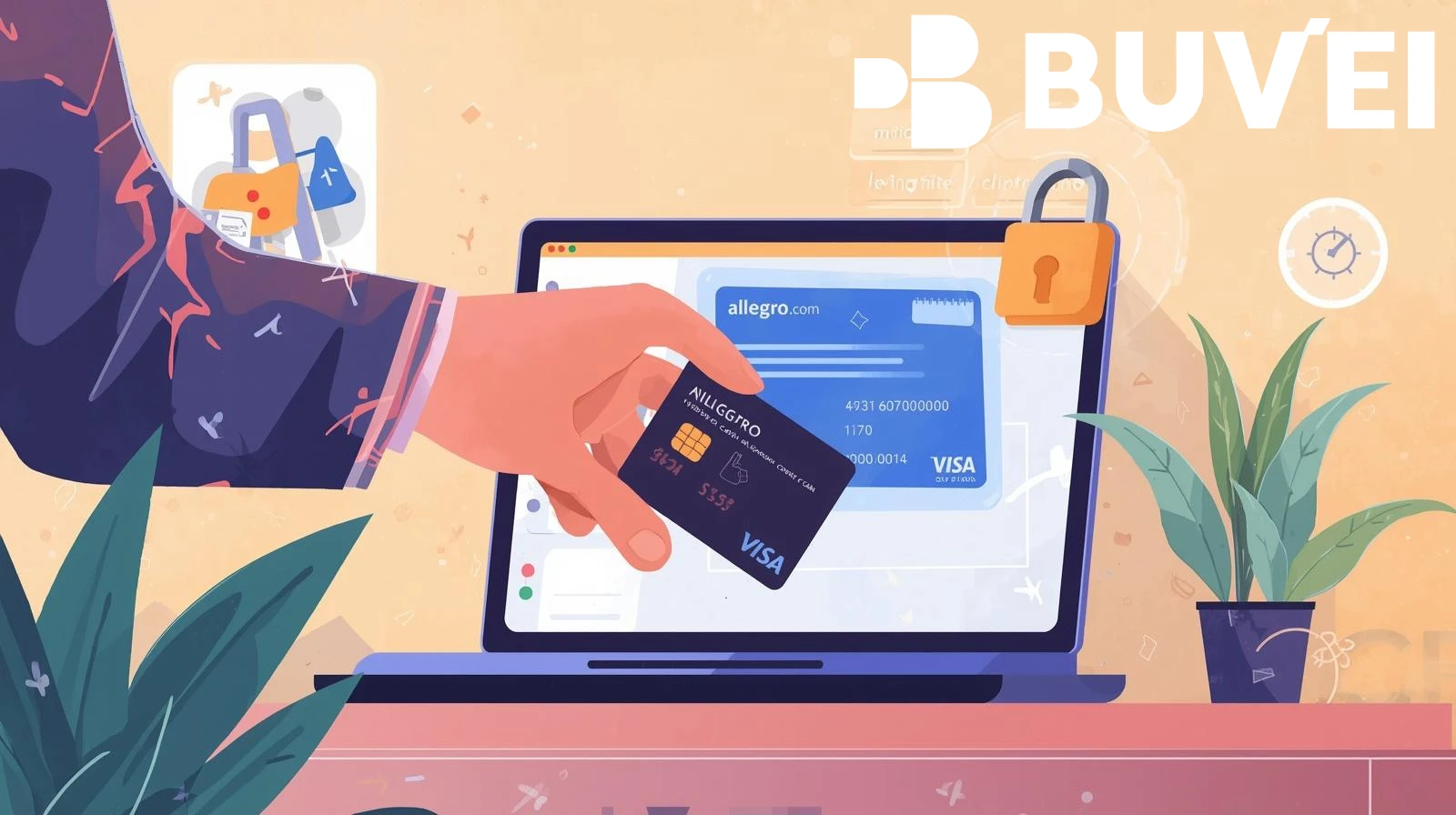
A separate virtual card can be created specifically for online shopping on Allegro.
If spending exceeds expectations, the card can be paused or adjusted instantly.
Faster Setup Compared to Physical Cards
Traditional cards require:
Shipping time
Activation steps
Virtual cards can be generated instantly.
This allows users to begin shopping or subscribing immediately without waiting for physical delivery.

Use Cases: E-commerce, Subscriptions, Cross-Border Payments
Virtual cards support many common payment scenarios used by Polish consumers and businesses.
E-commerce Purchases
Online shopping remains the primary use case for virtual cards.
Users buying products from:
Local marketplaces
International e-commerce stores
Independent online sellers
benefit from improved transaction approval rates.
Virtual cards also help reduce payment errors when purchasing from unfamiliar websites.
Subscription Services
Many global platforms use recurring billing models.
These include:
Streaming services
Cloud software
Digital productivity tools
Online learning platforms
Virtual cards allow users to isolate subscriptions by assigning:
One card per service.
This improves tracking and makes cancellations easier.
If a subscription is no longer needed, simply disable the card associated with that service.
Cross-Border Payments
Cross-border transactions can be challenging with traditional local cards.
Issues may include:
Currency conversion failures
International transaction blocks
Delayed approvals
Virtual cards simplify cross-border payments by providing globally compatible payment credentials.
This makes them ideal for:
Shopping from international sellers
Paying for foreign digital services
Running cross-border businesses
Using buvei Virtual Cards for Poland Payments
Choosing a reliable virtual card provider improves payment success rates and simplifies financial management.
Buvei offers several features designed to support Polish users and businesses.
Instant Virtual Card Creation
Buvei allows users to generate virtual cards quickly after account setup.
This feature supports:
Immediate online purchases
Fast subscription activation
Rapid payment testing
Users do not need to wait for physical card delivery.
Multi-Currency Payment Support
Polish consumers frequently shop on international platforms.
Buvei supports multi-currency transactions, allowing users to pay in:
USD
EUR
Other supported currencies
This improves compatibility with global marketplaces and subscription services.
Flexible Spending Controls
Buvei allows users to set:
Daily limits
Transaction limits
Card expiration dates
These controls reduce financial risk and prevent unexpected charges.
For example:
A Polish e-commerce seller running advertising campaigns can assign separate cards for each campaign budget.
This simplifies expense tracking and improves financial organization.
Secure Payment Management
Security remains one of the most important aspects of online payments.
Buvei provides:
Transaction monitoring
Card management tools
Activity tracking dashboards
These features help users detect unusual activity and respond quickly.
Tips for Using Virtual Cards in Poland
To maximize the benefits of virtual cards, Polish users should follow several practical strategies.
Use Dedicated Cards for Different Purposes
Create separate cards for:
Online shopping
Subscriptions
Advertising payments
International purchases
This improves financial visibility and simplifies account management.
Monitor Transaction Activity Regularly
Review payment history frequently to detect:
Unauthorized charges
Duplicate transactions
Subscription renewals
Early detection reduces financial risk.
Maintain Adequate Card Balance
Ensure funds are available before initiating payments.
This prevents:
Transaction failures
Service interruptions
Delayed orders
Maintaining sufficient balance is especially important for recurring subscriptions.
Conclusion
Poland’s digital payment ecosystem continues to grow rapidly, driven by strong e-commerce adoption and expanding cross-border trade.
Platforms like Allegro and other local marketplaces dominate the domestic shopping landscape, but global purchases are becoming increasingly common.
Virtual cards offer Polish users a flexible and secure solution for managing online payments, subscriptions, and international transactions.
With features such as instant card creation, multi-currency support, and advanced spending controls, solutions like buvei provide practical tools for navigating modern digital commerce—both locally and globally.