In 2026, the distinction between "convenience-first" and "utility-first" payment platforms has never been sharper. While PayPal remains a titan of consumer digital wallets, specialized platforms like Buvei have carved out a dominant position for users requiring high-performance, programmable financial tools. This analysis dissects the architectural differences between PayPal’s consumer-centric virtual card and Buvei’s professional-grade infrastructure.
 What Is PayPal Virtual Card
The PayPal Virtual Card serves as a digital extension of the traditional PayPal balance or linked bank account. In 2026, it primarily functions as a "single-point" solution for users who want to spend their PayPal funds at merchants that do not natively accept the PayPal "Yellow Button." It is designed for the casual consumer, offering a layer of privacy by masking the primary linked bank account, but it remains tethered to the strict risk-mitigation algorithms of the PayPal ecosystem.
Overview of Buvei Virtual Card Platform
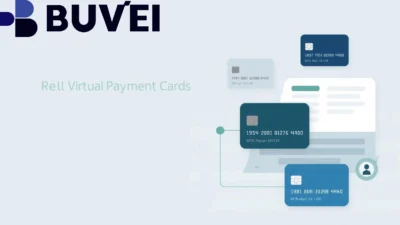
Buvei represents the next generation of "Programmable Money." Unlike traditional wallets, Buvei is a multi-BIN issuing platform engineered for high-frequency, high-stakes transactions. It offers a sophisticated dashboard and API layer that allows for the creation of hundreds of unique cards, each with its own merchant-lock, spending limit, and verifiable US billing address. It is the infrastructure of choice for digital marketers, SaaS managers, and global procurement teams.
Key Differences: Fees, Control, Global Usage
The fundamental divergence between these platforms lies in their "Permissioning" and "Global Rails."
-
Fee Structure: PayPal often utilizes a "Hidden Spread" model, where FX conversion fees can reach 3.5% to 4%. Buvei offers transparent, institutional-grade exchange rates, making it significantly more cost-effective for large-scale international spend.
-
Control and Granularity: PayPal offers a "One-Card-Fits-All" approach. In contrast, Buvei allows for Transactional Isolation. You can assign one card to a single vendor, ensuring that a breach at one merchant does not compromise your entire treasury.
-
Global Acceptance (BIN Quality): PayPal’s virtual cards are often flagged as "Consumer Debit," which may face blocks on aggressive advertising platforms. Buvei provides high-authority "Commercial Credit" BINs that carry a higher trust score in merchant risk engines.

Which One Is Better for Different Use Cases
-
For Casual Online Shopping: PayPal is superior for the average user buying a pair of shoes from a major retailer where PayPal is not an option. Its "Purchase Protection" provides a safety net for consumer disputes.
-
For Digital Advertising and SaaS: Buvei is the clear winner for Meta, Google, and TikTok Ads. Its ability to generate fresh BINs ensures that your ad campaigns stay live even when merchant filters become hyper-sensitive.
Why Buvei Is Better for Advanced Payment Needs
As we move through 2026, advanced users require more than just a payment token; they require Data Richness. Buvei supports L3 data capture and real-time Webhook notifications, allowing for automated reconciliation with ERP software like NetSuite or Xero. Its hybrid funding model—supporting both fiat and digital assets—provides a level of liquidity management that traditional "Closed-Loop" systems like PayPal cannot match.
 Final Thoughts
Choosing between PayPal and Buvei in 2026 comes down to the nature of your "financial footprint." If you are a casual shopper, PayPal's ubiquity and buyer protection are invaluable. However, for those operating at the speed of the modern digital economy—where BIN reputation and programmatic control are the difference between a successful campaign and a suspended account—Buvei offers the technical edge that traditional e-wallets simply cannot replicate.