Online payments are simple—until they fail.
You're subscribing to a SaaS tool.
Buying digital services.
Running online ads.
Then suddenly:
Payment declined.
Transaction blocked.
Account suspended.
We tested multiple payment methods used for online transactions, including debit cards, physical prepaid cards, and virtual prepaid cards.
The results were consistent:
Virtual prepaid cards for online payments provide better flexibility, stronger control, and safer transactions compared to traditional payment methods.
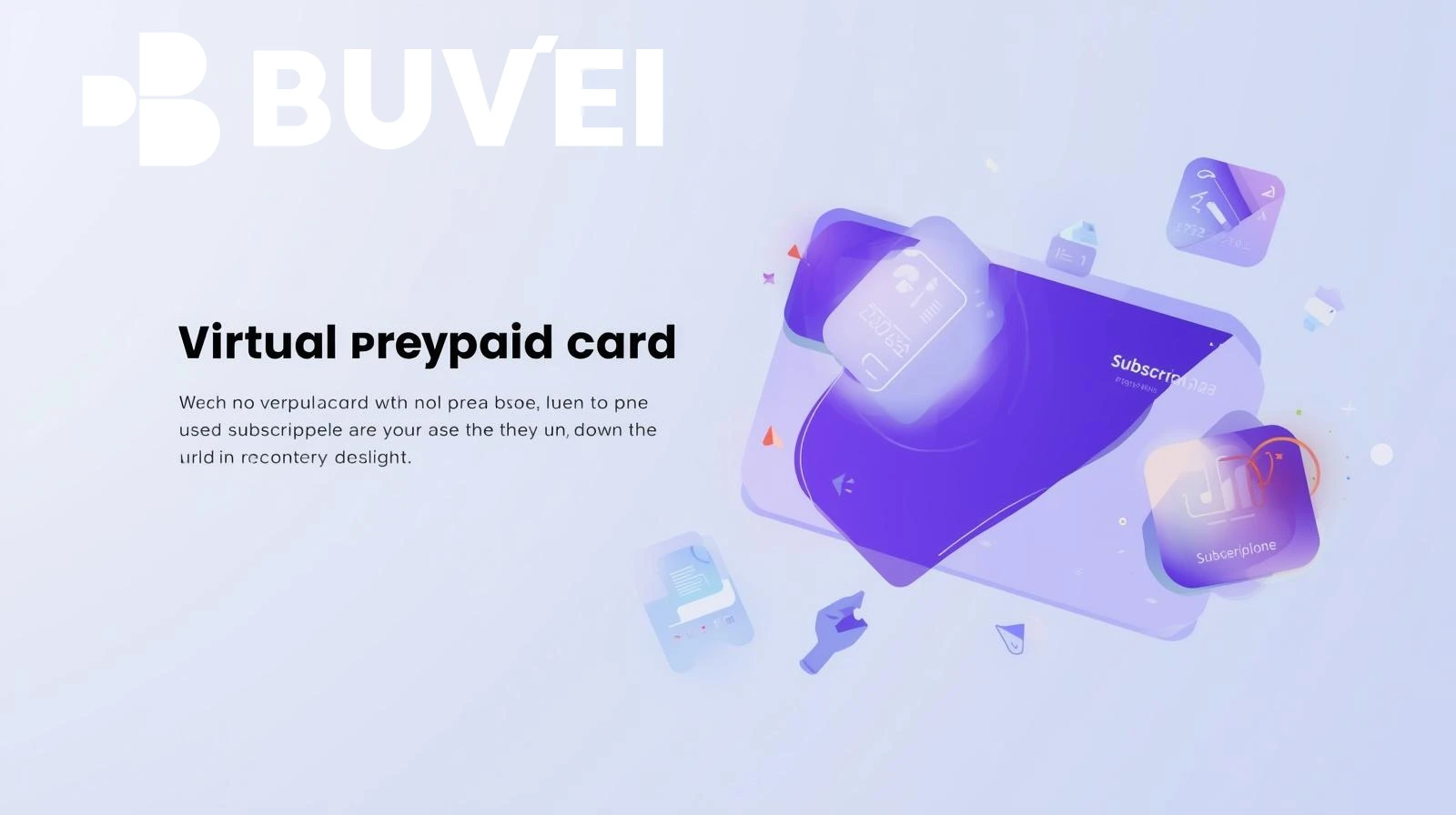
What Are Virtual Prepaid Cards and How Do They Work
Virtual prepaid cards are digital payment cards.
Unlike traditional credit cards:
They are preloaded with funds.
You spend only what you load.
No credit required.
How Virtual Prepaid Cards Function
The process is simple.
You:
Load funds into an account
Generate a virtual card
Use the card for online payments
Each card includes:
Card number
Expiration date
CVV security code
These details work exactly like standard bank cards.
But with more flexibility.
Why Virtual Prepaid Cards Are Growing in Popularity
Many users now prefer prepaid virtual cards because they offer:
Controlled spending
Reduced fraud exposure
Global payment support
They are widely used across:
Digital services
E-commerce
Online subscriptions
This trend continues to accelerate in 2026.
Key Features to Compare When Choosing a Virtual Prepaid Card
Not all virtual prepaid cards are built the same.
Choosing the right one requires evaluating core features.
Fees and Cost Transparency
Always check:
Funding fees
Transaction fees
Maintenance costs
Hidden fees create long-term problems.
Transparent pricing improves:
Budget planning.
Spending Limits and Flexibility
Good virtual cards allow:
Custom spending limits.
This helps:
Control subscription costs.
Prevent overspending.
BIN Compatibility and Global Acceptance
Global BIN support increases:
Payment success rates.
Especially for:
International platforms.
Such as:
Google Ads
Meta Ads
SaaS subscriptions
Compatibility matters more than most users realize.
Card Creation Speed
Instant issuance is critical.
Waiting hours—or days—slows operations.
Fast card creation improves:
Workflow efficiency.
Real Use Cases for Virtual Prepaid Cards
Virtual prepaid cards support a wide range of real-world applications.
Understanding these use cases helps maximize value.
Online Shopping Payments
Virtual prepaid cards are commonly used for:
E-commerce purchases.
Benefits include:
Fraud protection
Spending control
If a card is compromised:
Replace it instantly.
SaaS and Subscription Payments
Subscription-heavy users benefit significantly.
Examples include:
Cloud tools
AI platforms
Design software
Separate cards improve:
Billing management.
Advertising Payments
Online advertising requires reliable billing.
Virtual prepaid cards help:
Control campaign budgets.
Reduce payment failures.
Popular platforms include:
Google Ads
Meta Ads
TikTok Ads
Gaming and Digital Services
Gamers use virtual cards for:
Game purchases
Subscriptions
In-game items
Controlled balances reduce:
Overspending risk.
Pros and Cons of Virtual Prepaid Cards
Every payment method has strengths and limitations.
Understanding both helps set expectations.
Advantages of Virtual Prepaid Cards
Flexible spending control
Better security protection
Easy card replacement
Suitable for multiple subscriptions
Supports international transactions
These features make prepaid cards ideal for digital-first environments.
Limitations to Consider
Requires upfront funding
May involve small transaction fees
Acceptance varies by provider
However:
Most limitations are manageable.
With proper setup.

Managing Multiple Payments with Virtual Prepaid Cards
Many users operate across multiple platforms.
Without structure:
Costs become difficult to manage.
Virtual prepaid cards introduce organization.
Separate Cards by Use Case
Create:
One card per category.
For example:
Shopping card
Subscription card
Advertising card
This reduces:
Financial confusion.
Monitor Spending by Category
Tracking becomes:
Simpler.
Costs remain:
Predictable.
Why Buvei Is a Strong Option for Online Payments
Choosing the right provider matters as much as choosing the right card type.
Buvei offers features designed for modern payment environments.
Multiple BIN Support
Buvei supports:
Global BIN regions.
This improves:
Payment success rates.
Across international platforms.
Strong Payment Compatibility
Buvei virtual cards work with:
Google Ads
Meta Ads
TikTok Ads
Microsoft Ads
SaaS subscriptions
This supports:
Multiple payment workflows.
Instant Virtual Card Issuance
Cards are issued:
Immediately after funding.
No long delays.
This supports:
Fast deployment.
Transparent Fee Structure
All fees remain visible.
Users avoid:
Unexpected costs.
This improves:
Financial planning.
Multi-Account Management
Users can create:
Multiple cards under one account.
Ideal for:
Teams and businesses.
Common Mistakes to Avoid When Using Virtual Prepaid Cards
Avoiding simple mistakes improves payment success.
Using One Card for Too Many Payments
This increases:
Risk exposure.
Separate cards improve:
Security.
Ignoring Card Limits
Always verify:
Spending thresholds.
Adjust when necessary.
Forgetting Subscription Renewal Dates
Track:
Recurring payments.
Prevent:
Unexpected charges.
Future Trends in Virtual Prepaid Cards
Digital payments continue evolving.
Virtual prepaid cards are becoming essential tools.
More Subscription-Based Services
Businesses are shifting toward:
Recurring billing models.
Virtual cards support:
Structured payment control.
Increased Demand for Security
Fraud risks are rising.
Virtual cards reduce:
Exposure risk.
Growth of Global Payments
International transactions continue expanding.
Virtual prepaid cards support:
Cross-border commerce.
Conclusion
Choosing the best virtual prepaid cards for online payments requires understanding how they work, what features matter most, and how to use them strategically.
Virtual prepaid cards offer:
Greater spending control
Improved payment reliability
Enhanced security protection
Flexible subscription management
For individuals, businesses, and teams handling multiple online payments, structured card management is becoming essential.
And as online services continue expanding globally, virtual prepaid cards will remain one of the most practical tools for secure, flexible, and reliable digital payments.