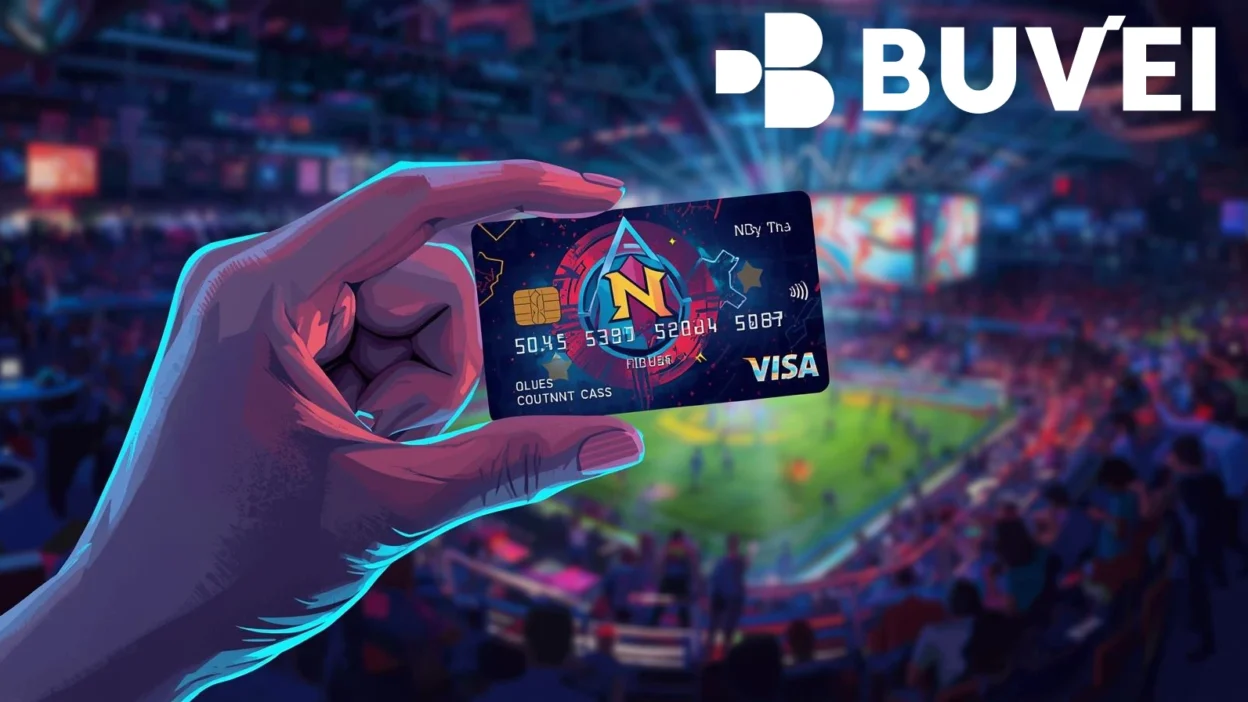
If you're a gamer in Vietnam, this situation probably feels familiar.
You're ready to buy a new game, upgrade gear, or unlock a battle pass.
You click Buy Now.
And then:
Payment failed.
It’s frustrating—and surprisingly common.
Many Vietnamese gamers run into payment problems when trying to purchase from international gaming platforms like Steam, PlayStation, Xbox, or mobile app stores. These failures usually happen because local payment systems don’t always align with global billing requirements.
After testing multiple gaming payment setups—including local debit cards, prepaid cards, and virtual cards—the pattern is clear:
Virtual cards are becoming one of the most reliable payment tools for gamers in Vietnam.
Why Gamers in Vietnam Use Virtual Cards
Gaming in Vietnam has become increasingly global.
Players regularly purchase:
- Steam games
- PlayStation subscriptions
- Xbox content
- In-game currency
- DLC and battle passes
But many of these platforms are international.
That creates payment friction.
Global Games Require Global Payments
Modern gaming ecosystems operate across borders.
That means:
Payments often require:
- International cards
- Foreign currency support
- Stable authorization systems
Virtual cards bridge this gap by providing globally compatible payment credentials without requiring traditional foreign bank accounts.
Faster Checkout During Limited-Time Sales
Gamers know how fast deals disappear.
Flash sales on:
- Steam
- Epic Games
- Mobile stores
Require:
Instant payments.
Virtual cards reduce delays and make checkout faster.
Better Spending Control
Gaming spending can escalate quickly.
Virtual cards allow:
- Spending limits
- Budget separation
This prevents:
Unexpected overspending.
Reality:
Gaming is global—but many local payment systems are not.
Common Gaming Payment Issues in Vietnam
Payment failures are one of the biggest frustrations for gamers.
And most problems follow predictable patterns.
Card Declines on International Platforms
Many local bank cards are optimized for domestic payments.
When used internationally:
They may be rejected.
Common reasons include:
- Cross-border filters
- Merchant risk scoring
- Bank restrictions
These are among the most frequent causes of failed gaming payments in Vietnam.
Region and Currency Mismatch
Some platforms validate:
- Card issuing region
- Billing location
If mismatched:
Payments fail.
Reddit users often describe region-related errors like:
"Google says country mismatch… Apple store declines outright."
This highlights how regional validation affects gaming payments.
Subscription Renewal Failures
Recurring billing introduces additional risks.
Problems occur when:
- Cards expire
- Authorization fails
- Risk filters trigger
This interrupts:
Game access.
Bank Restrictions on Digital Goods
Some Vietnamese banks:
- Apply strict controls
- Flag digital purchases
This results in:
Temporary blocks.
Bottom line:
Most gaming payment failures are structural—not user mistakes.
What to Look for in a Gamer-Friendly Virtual Card
Not all virtual cards work equally well for gaming.
Some fail frequently.
Others perform consistently.
Here’s what actually matters.
Global BIN Support
BIN regions influence:
- Authorization success
- Platform compatibility
Cards with international BINs usually perform better on global gaming stores.
Instant Card Issuance
Gamers often need:
Immediate payments.
Delays create:
Missed deals.
Strong Security Standards
Gaming accounts often store:
- Purchased assets
- Payment details
Secure cards reduce:
Fraud risk.
Multi-Card Capability
Serious gamers often manage:
- Multiple subscriptions
- Multiple games
Separate cards improve:
Budget tracking.
Transparent Fees
Hidden fees reduce:
Gaming budgets.
Always verify:
Total cost structure.
In practice:
Performance matters more than branding.
Popular Virtual Card Options for Vietnamese Gamers
Most gamers choose between three main categories.
Each has strengths and limitations.
Bank-Linked Virtual Cards
These are issued by:
Local banks.
Advantages:
- Familiar systems
Limitations:
- Lower international approval rates
Fintech Virtual Cards
Fintech providers offer:
- Faster onboarding
- Better UI
But compatibility varies.
Crypto-Funded Virtual Cards
These cards allow:
- Borderless funding
- Faster transactions
They are becoming increasingly popular among gamers purchasing international content.
Choosing the right type depends on your gaming habits.
Real Gaming Use Cases in Vietnam
Virtual cards aren’t theoretical tools.
They’re used daily across gaming ecosystems.
Buying Steam Games
Steam sales create heavy demand.
Virtual cards help:
- Avoid declines
- Enable fast checkout
Paying for PlayStation or Xbox Subscriptions
Subscription services require:
Reliable recurring payments.
Virtual cards improve:
Renewal success.
Mobile Game Purchases
Mobile gamers frequently buy:
- Gems
- Coins
- Battle passes
Virtual cards support:
International app stores.
Game Marketplace Transactions
Some games use:
Third-party marketplaces.
Virtual cards:
Improve compatibility.
In real usage:
Reliability determines gaming continuity.
How Buvei Virtual Cards Support Gaming Payments in Vietnam
For gaming-heavy users, compatibility is everything.
Buvei provides infrastructure built for digital payments.
Multiple BIN Support
This improves:
- Global authorization success
Especially important for:
International game stores.
Stable Platform Compatibility
Works across:
- Steam
- PlayStation
- Xbox
- Mobile game stores
Reliable compatibility reduces:
Payment interruptions.
Instant Card Issuance
Gamers can:
Create cards immediately.
No waiting required.
USDT Top-Up Support
Benefits include:
- Faster funding
- Lower transaction costs
Multi-Card Management
Create separate cards for:
- Subscriptions
- Game purchases
Improves:
Spending control.
In practice:
This reduces both declines and gaming interruptions.
Common Mistakes Gamers Make With Virtual Cards
Avoid these mistakes to improve success rates.
Using One Card for Everything
Separate cards:
Reduce risk.
Ignoring Region Settings
Always check:
Billing region.
Repeated Failed Attempts
Multiple failures:
Trigger risk flags.
Not Monitoring Spending
Track:
Transaction history.
Small habits create stable payments.
The Future of Gaming Payments in Vietnam
Gaming continues growing rapidly.
Payment systems are evolving alongside it.
More Cross-Border Purchases
Games are increasingly:
Global.
Payments must match.
Virtual Cards Becoming Standard
Expect:
Higher adoption rates.
Especially among:
Competitive gamers.
Faster Digital Funding Methods
Cryptocurrency-based funding:
Will likely expand.
Gaming payments are becoming borderless.
Conclusion
Using virtual cards for gamers in Vietnam is no longer just a workaround.
It’s becoming the standard.
Payment failures, region mismatches, and subscription errors remain common—but they’re solvable with the right setup.
By choosing compatible virtual cards and structuring payments correctly, gamers can:
- Avoid declined transactions
- Pay for international games reliably
- Manage subscriptions efficiently
- Maintain full control over gaming spending
And once your payment system is stable, gaming becomes what it should be:
Fast, uninterrupted, and frustration-free.