
For a while, it felt like checkout lines were about to disappear.
Walk into a store, grab what you need, and just walk out. No cashier. No waiting. No friction.
Then things changed.
When companies like Grabango shut down and Amazon scaled back its “Just Walk Out” system, many started asking the same question:
Are checkout-free payments actually viable—or just overhyped?
We looked at what went wrong, what still works, and where checkout-free payments are heading next.
The conclusion is more nuanced than you might expect:
the concept isn’t dead—it’s evolving, and AI may be the key to making it work.

What Checkout-Free Payments Actually Are
Before diving into the future, it helps to understand how these systems work.
The Core Idea
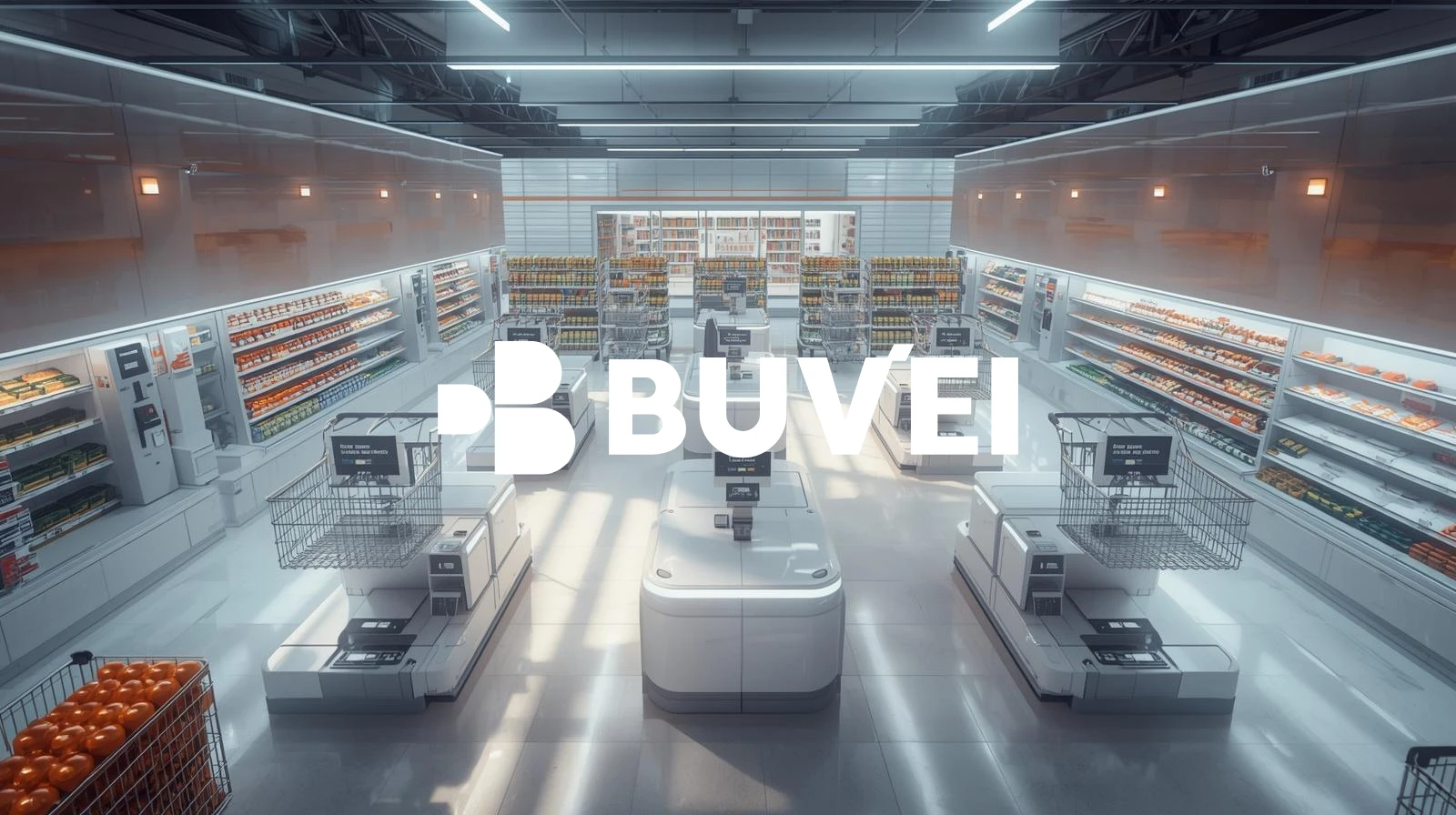
Checkout-free systems remove the traditional payment step.
Instead of:
- Waiting in line
- Scanning items
- Paying at a register
You simply:
- Walk in
- Pick up items
- Walk out
How the Technology Works
Behind the scenes, these systems rely on:
- Cameras tracking movement
- Sensors detecting item selection
- AI identifying products
Automatic Payment Processing
Once you leave the store:
- Your items are calculated
- Payment is processed automatically
In short:
The checkout disappears entirely.
Why Checkout-Free Systems Struggled
If the idea is so appealing, why did major players pull back?
High Infrastructure Costs
Setting up these systems requires:
- Advanced cameras
- Sensor networks
- AI processing
For many retailers, the cost is hard to justify.
Operational Complexity
Maintaining accuracy is challenging.
Issues include:
- Misidentified items
- Tracking errors
- System glitches
Limited Scalability
What works in a small store doesn’t always scale to:
- Large supermarkets
- Complex layouts
Consumer Behavior
Not everyone is ready for:
- Fully automated shopping
- No human interaction
Reality check:
The technology worked—but not always economically.
Why the Idea Isn’t Going Away
Despite setbacks, the demand for frictionless checkout is still strong.
Retail Is Still Mostly Offline
Even with e-commerce growth:
- In-store shopping dominates
- Trillions are spent in physical retail
Speed Matters More Than Ever
Long lines mean:
- Lost sales
- Frustrated customers
High-Traffic Environments Need Solutions
Checkout-free systems work best in places like:
- Stadiums
- Airports
- Convenience stores
AI Is Improving Fast
This is the key shift.
AI can now:
- Recognize items more accurately
- Reduce system errors
- Lower operational costs
That’s why experts still see opportunity.
Where Checkout-Free Works Best Today
Instead of replacing all retail, checkout-free systems are finding specific use cases.
Stadiums and Event Venues
During breaks:
- Large crowds rush to buy
- Speed becomes critical
Faster checkout means:
- More sales
- Better customer experience
Small Format Stores
In smaller environments:
- Tracking is easier
- Costs are lower
Controlled Retail Spaces
Locations with:
- Predictable layouts
- Limited product variety
In practice:
Success depends on the environment.

What This Means for Retailers
If you’re running a retail business, this trend still matters.
Full Automation Isn’t Always Necessary
You don’t need:
- A fully checkout-free store
Instead, focus on:
- Reducing friction
Hybrid Models Are Emerging
Many retailers are combining:
- Self-checkout
- Mobile payments
- Partial automation
Payment Speed Is the Real Goal
Customers care about:
- Convenience
- Speed
- Reliability
Where Payment Optimization Comes In
Even without checkout-free systems, payment optimization plays a huge role.
Faster Payments = Better Conversions
If payments are slow or fail:
- Customers abandon purchases
Flexibility Improves Success Rates
Supporting multiple payment methods helps:
- Increase approval rates
- Reduce friction
Digital Payment Tools Matter
This includes:
- Mobile wallets
- Contactless payments
- Virtual cards
Why Buvei Fits Modern Retail Payments
As retail moves toward faster and more flexible systems, payment tools need to keep up.
Buvei helps by offering:
- Multiple BIN options
- High compatibility across platforms
- Fast funding
- Instant card issuance
- Multi-card management
In real-world scenarios, this allows businesses to:
- Improve payment success rates
- Reduce friction
- Adapt to changing payment trends
Conclusion
The future of checkout-free payments isn’t as simple as “replace all cashiers.”
Instead, it’s about:
- Reducing friction
- Increasing speed
- Improving experience
While fully automated stores face challenges, the demand for frictionless checkout is stronger than ever.
And with AI continuing to improve, the concept is far from over.
For businesses, the takeaway is clear:
You don’t need to go fully checkout-free—
but you do need to make payments faster, smoother, and more reliable.
Because in modern retail, the easier it is to pay…
the more likely customers are to buy.