Ever tried paying for something in another country—and your card either failed or charged way more than expected?
Maybe it worked… but the exchange rate felt off.
Or worse, the payment got blocked entirely.
If you’re dealing with international payments—subscriptions, ads, or even travel—you’ve probably run into this.
We tested different ways to handle global payments, including traditional bank cards, prepaid cards, and multi-currency virtual cards.
The conclusion is pretty straightforward:
multi-currency virtual cards make global payments significantly easier, faster, and more predictable.
Why Global Payments Are Still a Problem
At first glance, paying internationally shouldn’t be complicated.
But in reality, a lot is happening behind the scenes.
Currency Conversion Issues
Banks often:
- Add hidden FX markups
- Use unfavorable exchange rates
You don’t always see it—but you definitely feel it.
Payment Declines
Cross-border transactions can trigger:
- Fraud detection systems
- Regional restrictions
Especially on platforms like ads or SaaS tools.
Limited Card Compatibility
Some cards simply don’t work well with:
- International merchants
- Digital services
Bottom line:
Traditional payment systems weren’t built for seamless global use.
How Virtual Cards Make Global Payments Easier
This is where things start to change.
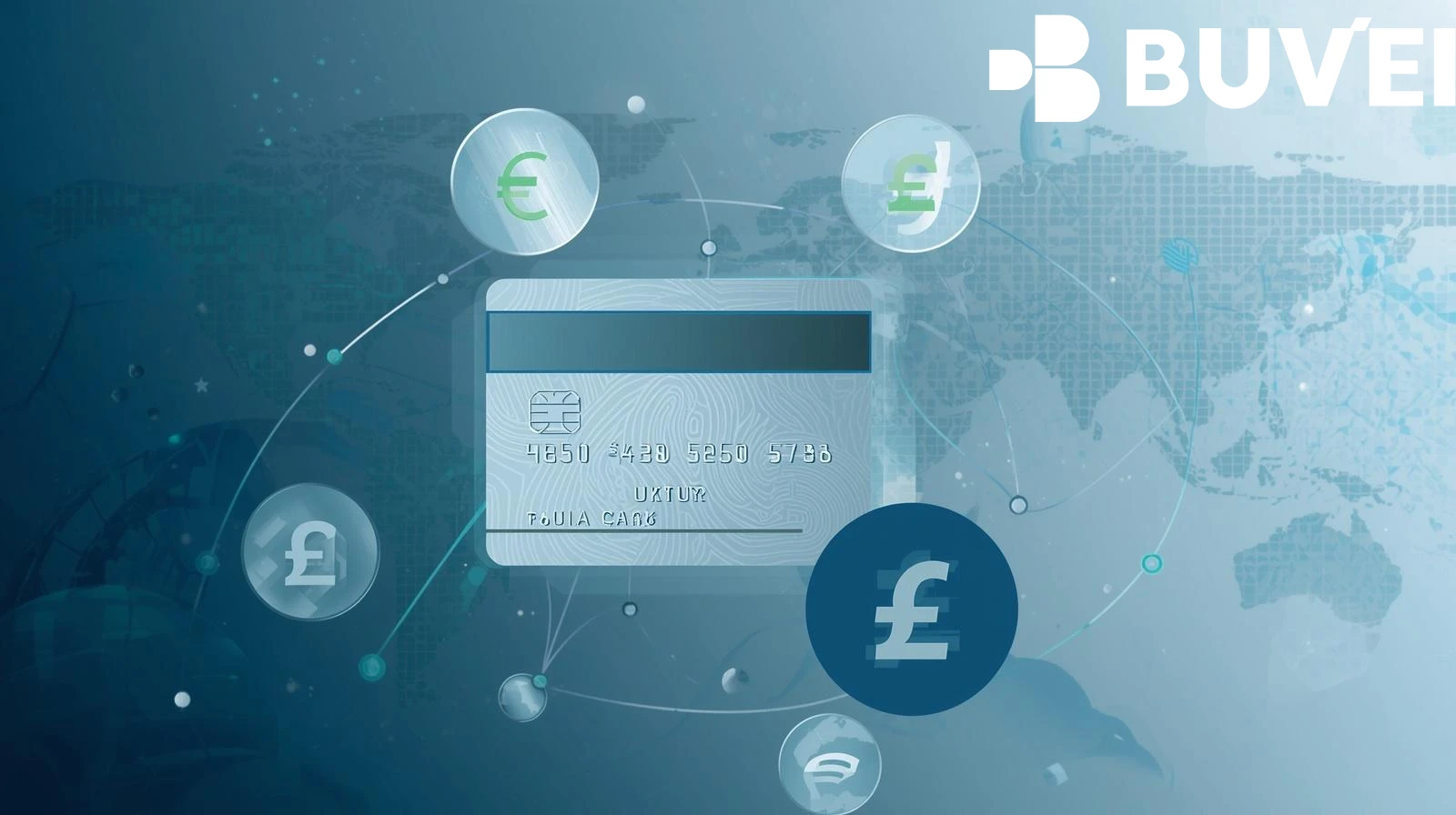
Multi-currency virtual cards aren’t just digital—they’re designed for international use.
They Support Multiple Currencies
Instead of relying on one currency, you can:
- Pay in USD, EUR, or other supported currencies
- Avoid unnecessary conversions
They Reduce Payment Friction
Virtual cards are typically optimized for:
- Online transactions
- Cross-border payments
- Digital services
They Give You More Control
You can:
- Create separate cards per currency
- Manage spending across regions
- Adjust limits easily
In practice:
It’s not just about paying globally—it’s about controlling how you pay.

What Actually Matters in Multi-Currency Virtual Cards
Not all cards handle global payments equally well.
Here’s what made the biggest difference in testing.
Currency Conversion
Look for:
- Transparent rates
- Low conversion fees
Some platforms allow you to minimize conversions entirely.
Spending Limits
For global payments, this helps:
- Control risk
- Manage budgets across currencies
Acceptance Rate
This is critical.
Cards need to work consistently across:
- SaaS platforms
- Ad networks
- International merchants
Funding Flexibility
Cards that support crypto (like USDT):
- Enable faster top-ups
- Reduce international transfer costs
Real Use Cases: Where Multi-Currency Cards Shine
This is where the benefits become obvious.
SaaS and Subscriptions
If you're paying for tools globally:
- Avoid repeated conversion fees
- Keep billing stable
Advertising Payments
Running ads internationally?
- Use different cards for different regions
- Improve payment success rates
Travel and Remote Work
For global users:
- Pay in local currencies
- Avoid carrying multiple cards
E-commerce and Marketplaces
If you're buying or selling globally:
- Simplify cross-border transactions
- Reduce friction
What We Noticed During Testing
At first, using a standard card seemed fine.
But over time:
- Fees added up
- Payments failed unpredictably
- Currency conversion became a hidden cost
Switching to multi-currency virtual cards changed that.
Payments became:
- More consistent
- Easier to manage
- Less expensive overall
Common Mistakes to Avoid
Even with the right setup, some issues still come up.
Ignoring Conversion Fees
Small percentages add up quickly.
Using One Card for All Regions
This increases risk and reduces control.
Not Matching BIN to Region
Wrong region = higher decline rates.
Not Testing Payments First
Always start with small transactions.

Why Platforms Like Buvei Work Well for Global Payments
After testing multiple providers, one thing stood out:
the platform determines how smooth global payments actually are.
Buvei performs well because it combines:
- Multiple BIN support (better international compatibility)
- Multi-currency flexibility
- Fast USDT top-ups
- Instant card creation
- Multi-card management
In real-world usage, this makes global payments feel much more predictable—and much less stressful.
Conclusion
Handling global payments doesn’t have to be complicated—but using the wrong tools makes it that way.
Multi-currency virtual cards simplify the process by:
- Reducing conversion issues
- Improving payment success rates
- Giving you more control
If you’re dealing with international transactions regularly, switching to multi-currency virtual cards is one of the most practical upgrades you can make.
And once everything runs smoothly across currencies, it’s hard to go back.