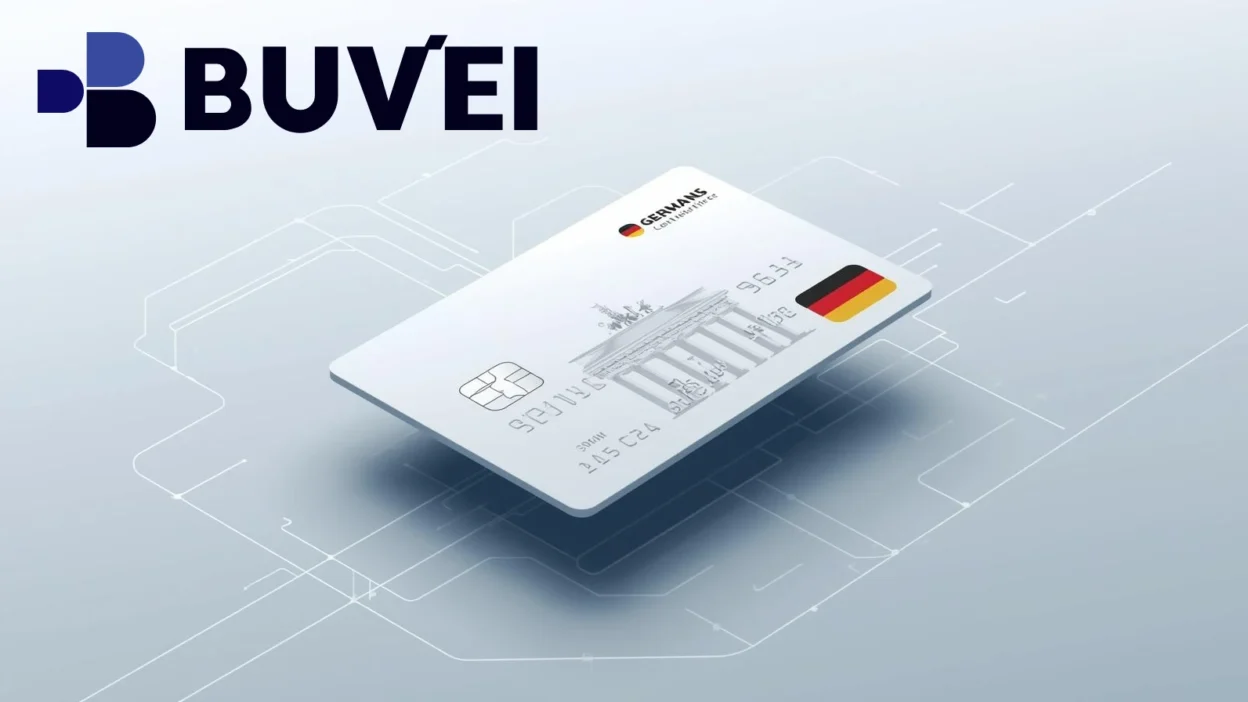
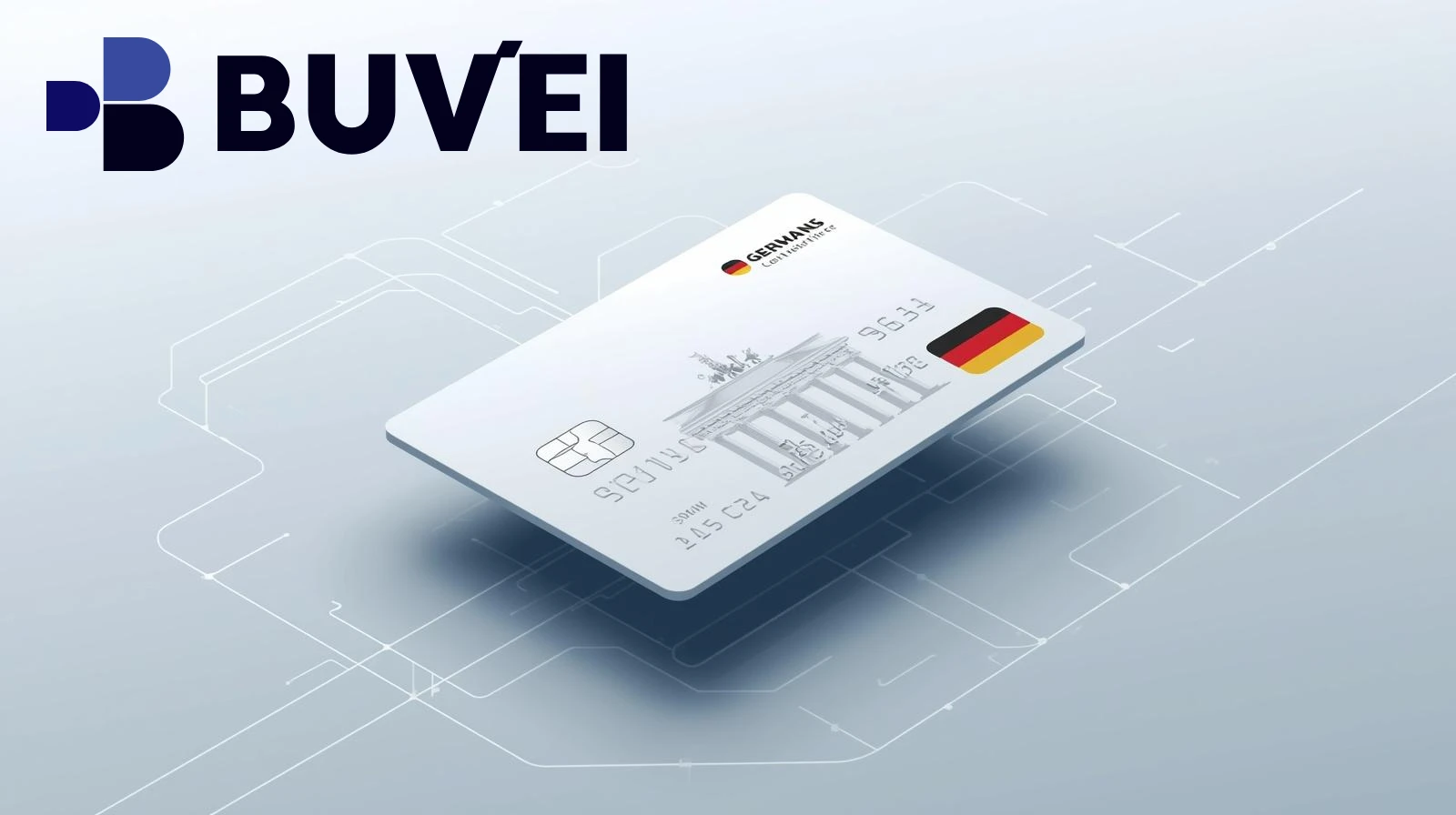
Germany has long been known for its conservative approach to payments, with cash and bank transfers dominating everyday transactions. But that trend is changing quickly. As digital services grow, businesses and individuals are increasingly turning to Germany virtual card platform solutions for faster and more flexible payments.
Online Payment Trends in Germany
Germany’s payment landscape is evolving.
Traditional Preferences
- Bank transfers (SEPA) remain widely used
- Credit card adoption has historically been lower than in other countries
Shift Toward Digital Payments
Recent trends show growth in:
- E-commerce payments
- Subscription-based services
- Cross-border transactions
Rise of Global Platforms
German users increasingly rely on:
- SaaS tools
- Advertising platforms
- International services
This shift creates demand for more flexible payment methods.
Why Virtual Cards Are Popular in Germany
Virtual cards are gaining traction due to their adaptability.
Flexibility for Online Payments
- Works across global platforms
- Not tied to physical banking limitations
Security Advantages
- Protects real bank account details
- Reduces fraud risk
Control Over Spending
- Set limits per card
- Allocate budgets easily
Ideal for International Use
German businesses operating globally benefit from:
- Better payment acceptance
- Reduced transaction friction
Virtual cards align well with Germany’s growing digital economy.
Key Features to Look for in German Platforms
Not all providers offer the same capabilities. Choosing the right Germany virtual card platform requires careful evaluation.
Multi-BIN Support
- Improves international payment success rates
- Helps match regional payment requirements
Multi-Currency Capability
- Enables seamless global transactions
Spending Controls
- Set limits per card or use case
- Manage budgets effectively
API Access
- Automate card creation and payment workflows
Transparent Fees
- Avoid hidden costs
- Improve financial planning
Strong Platform Compatibility
- Works with SaaS, ads, and e-commerce platforms
These features are essential for both individuals and businesses.
Common Use Cases: SaaS, Ads, Subscriptions
Virtual cards are widely used across industries in Germany.
SaaS Payments
- Manage tools like ChatGPT, Notion, Canva
- Avoid billing issues
Advertising Spend
- Assign cards per campaign
- Control budgets across platforms
Subscription Management
- Prevent unwanted renewals
- Track recurring payments
Cross-Border Payments
- Pay international vendors
- Improve acceptance rates
E-commerce Operations
- Secure online purchases
- Reduce fraud exposure
These use cases highlight the versatility of virtual cards.
Using Buvei Virtual Cards for Germany Payments
For users in Germany looking for a flexible solution, Buvei offers a strong alternative to traditional providers.
Multi-BIN Support
Optimize payment success across global platforms.
Strong Payment Compatibility
Works with:
- Google Ads, Meta Ads, TikTok Ads
- SaaS and AI tools
Crypto-Based Funding
- USDT (TRC20/ERC20)
- Faster and lower-cost deposits
Flexible Card Issuing
- Create multiple cards instantly
- Ideal for teams and businesses
Transparent Fees
- Clear pricing with no hidden charges
This makes Buvei particularly suitable for cross-border and digital-first use cases.
Final Thoughts
The demand for Germany virtual card platform solutions is growing as digital payments become more central to both business and personal finance. Virtual cards Germany users now have access to flexible, secure, and globally compatible payment tools.
Whether you’re managing SaaS subscriptions, running advertising campaigns, or making cross-border payments, virtual cards offer a modern solution to traditional payment limitations. Platforms like Buvei provide the flexibility and control needed to operate efficiently in today’s global economy.