As digital payments continue to evolve, compliance and identity verification have become central to financial infrastructure. For any business involved in issuing cards, understanding KYC virtual card issuing and compliance virtual cards requirements is critical.
Regulatory frameworks are designed not only to prevent fraud and financial crime but also to ensure trust and stability in the global payment ecosystem.
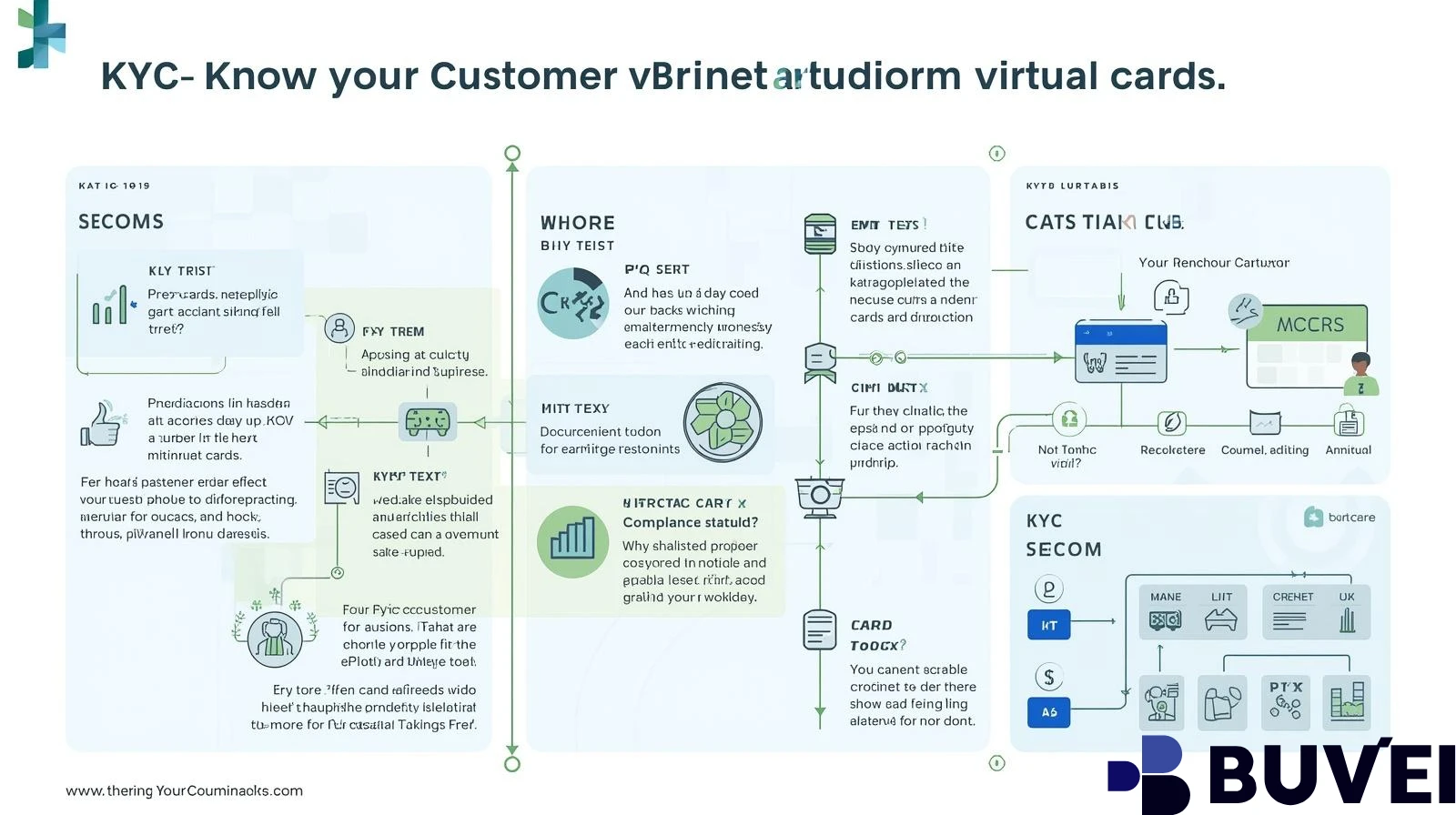
Why Compliance and KYC Matter in Card Issuing
Virtual card issuing involves handling financial transactions across borders, platforms, and users.
Risk of Financial Crime
Without proper controls, systems may be exposed to:
- Fraud
- Money laundering
- Unauthorized transactions
Regulatory Obligations
Financial institutions and fintech platforms must comply with:
- Local financial regulations
- International compliance standards
Building Trust
Strong compliance frameworks help:
- Protect users
- Improve platform credibility
- Enable long-term scalability
KYC (Know Your Customer) is the foundation of this system.
Key Regulatory Requirements for Virtual Cards
Virtual card providers must meet several global compliance standards.
KYC (Know Your Customer)
Verify the identity of users before issuing cards.
AML (Anti-Money Laundering)
Monitor transactions to detect suspicious activity.
PCI DSS Compliance
Ensure secure handling of card data and payment information.
Data Protection Regulations
Comply with privacy laws such as:
- GDPR (Europe)
- Other regional data protection frameworks
Licensing and Partnerships
Work with licensed issuers or banks to legally provide card services.
These requirements form the backbone of compliant card issuing platforms.
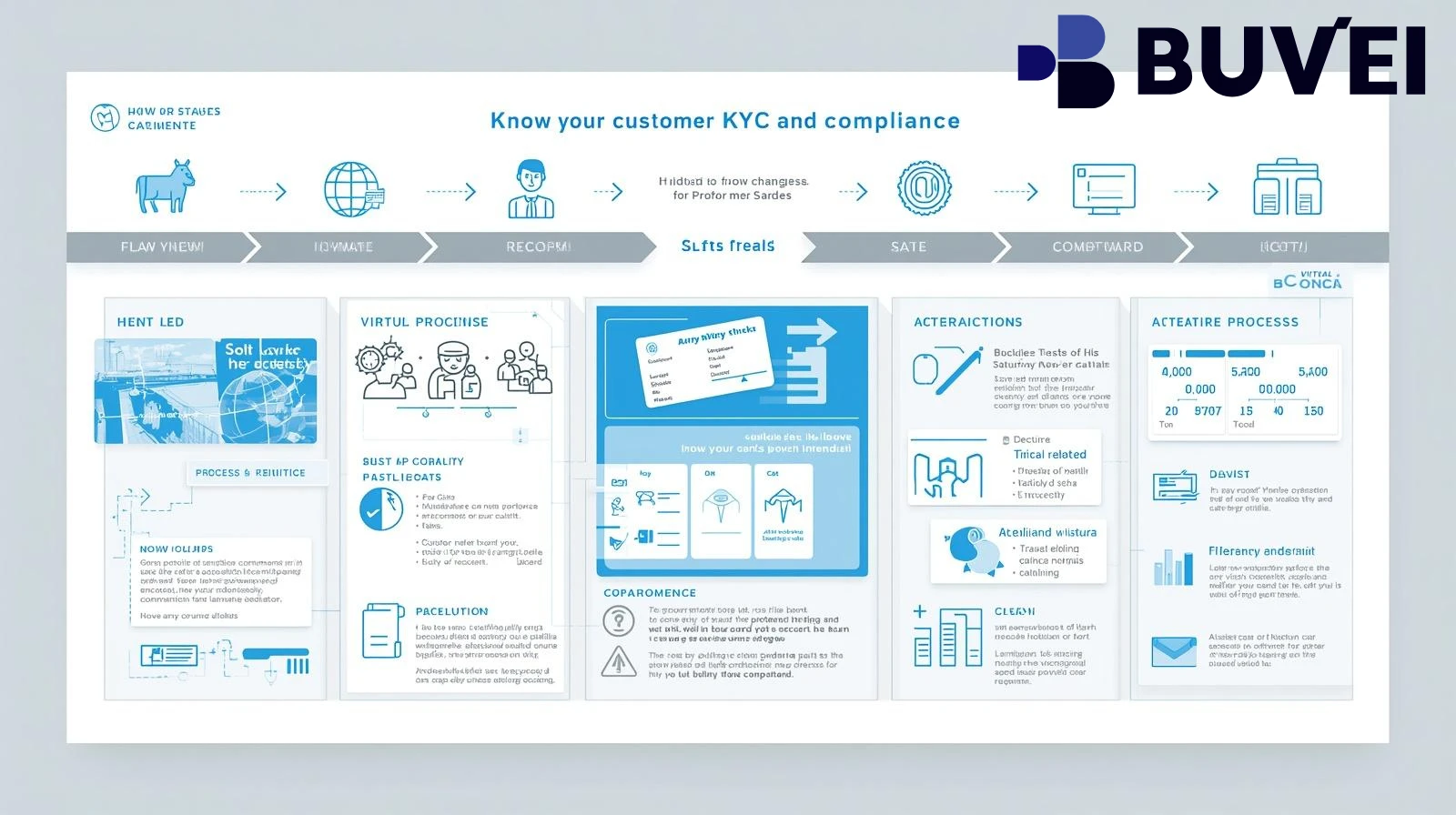
How KYC and AML Processes Work
Understanding how verification and monitoring work is essential for implementation.
Step 1 — User Registration
Collect basic user information:
- Name
- Contact details
Step 2 — Identity Verification
Verify identity through:
- Government-issued ID
- Facial recognition or document checks
Step 3 — Risk Assessment
Evaluate user risk based on:
- Geography
- Transaction behavior
- Usage patterns
Step 4 — Ongoing Monitoring (AML)
Track transactions to identify:
- Unusual activity
- High-risk transactions
Step 5 — Reporting and Compliance Actions
Flag and report suspicious activity to relevant authorities when required.
This continuous process ensures compliance throughout the user lifecycle.
Challenges in Global Compliance Management
Managing compliance across multiple regions introduces complexity.
Regulatory Fragmentation
Different countries have different rules and requirements.
Operational Overhead
Compliance processes can slow down onboarding and operations.
Balancing UX and Security
Strict verification may impact user experience.
Scaling Compliance Systems
As transaction volume grows, monitoring becomes more complex.
Evolving Regulations
Rules change frequently, requiring constant updates.
Businesses must design systems that are both flexible and compliant.
How Buvei Supports Secure and Compliant Issuing
For businesses seeking a balance between usability and compliance, Buvei provides a structured and secure virtual card solution.
Secure Virtual Card Infrastructure
Virtual cards reduce exposure of sensitive banking information.
PCI DSS Alignment
Ensures secure handling of payment data.
Multi-BIN Support
Allows compliant card issuing across different regions.
Transparent Operations
Clear transaction tracking supports compliance monitoring.
Controlled Card Usage
Set limits and restrictions to reduce risk.
Real-Time Support
Quick assistance helps resolve compliance-related issues efficiently.
Final Thoughts
As digital payments expand globally, KYC virtual card issuing and compliance virtual cards frameworks are becoming increasingly important. Businesses that prioritize compliance not only reduce risk but also build trust and scalability into their operations.
While regulatory requirements can be complex, adopting structured processes and modern tools makes compliance manageable. Platforms like Buvei provide the infrastructure needed to issue virtual cards securely while maintaining operational efficiency in a regulated environment.