Launching a card product used to take months — or even years — due to regulatory, technical, and banking complexities. Today, with the rise of fintech infrastructure, businesses can launch a white-label card program much faster.
Whether you're building a SaaS platform, fintech product, or global payment solution, the ability to launch card issuing program capabilities quickly is a major competitive advantage.
What Is a White-Label Card Program
A white-label card program allows businesses to issue payment cards (virtual or physical) under their own brand while relying on third-party infrastructure.
Instead of becoming a bank, companies partner with providers that handle:
- Card issuance
- Regulatory compliance
- Payment network integration
This allows you to focus on product experience while outsourcing complexity.
Typical use cases include:
- SaaS platforms offering expense management
- Fintech startups building payment tools
- Marketplaces handling payouts and spending
- Advertising platforms managing budgets
Key Components: BIN, Issuer, Processor, API
To successfully launch a card program, you need to understand the core infrastructure.
BIN (Bank Identification Number)
The BIN determines the issuing region and affects payment acceptance rates.
Issuer (Bank or Licensed Entity)
The issuer is responsible for regulatory compliance and card issuance.
Processor
Handles transaction processing, authorization, and settlement.
API Infrastructure
Allows your platform to:
- Create cards
- Manage users
- Track transactions
These components work together to form the foundation of any card issuing system.

Steps to Launch a Card Program Quickly
Launching fast requires a structured approach.
Step 1 — Define Your Use Case
Clarify how cards will be used:
- Subscriptions
- Expense management
- Advertising payments
- Cross-border transactions
This determines your technical and compliance requirements.
Step 2 — Choose the Right Infrastructure Provider
Select a provider that offers:
- Multi-BIN support
- API access
- Fast onboarding
- Global compatibility
This is the most critical decision for speed and scalability.
Step 3 — Set Up Your Account and Test the System
Before full integration, validate the workflow manually.
Step-by-step with Buvei:
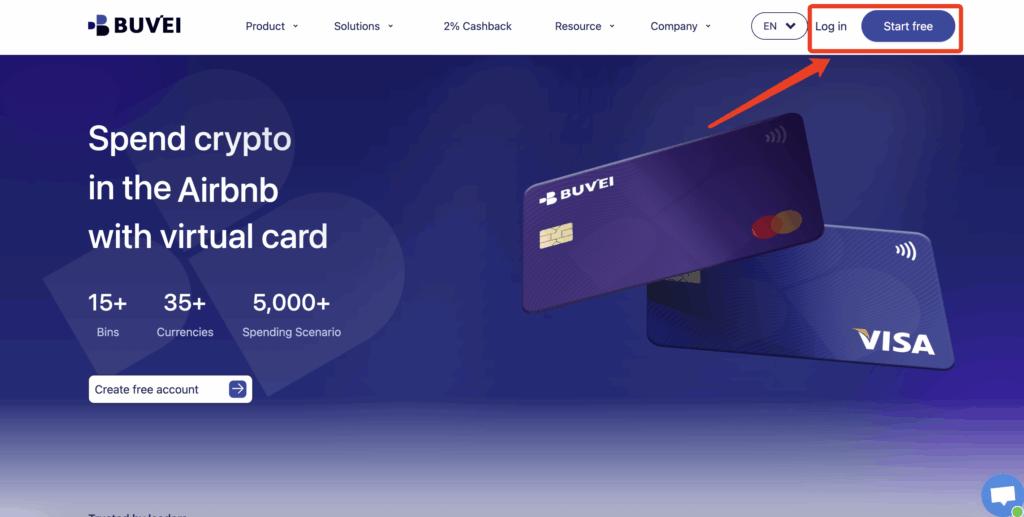
1. Register an Account
- Visit the official website
- Create a free account
- Verify your email
- Access the dashboard
2. Fund Your Wallet
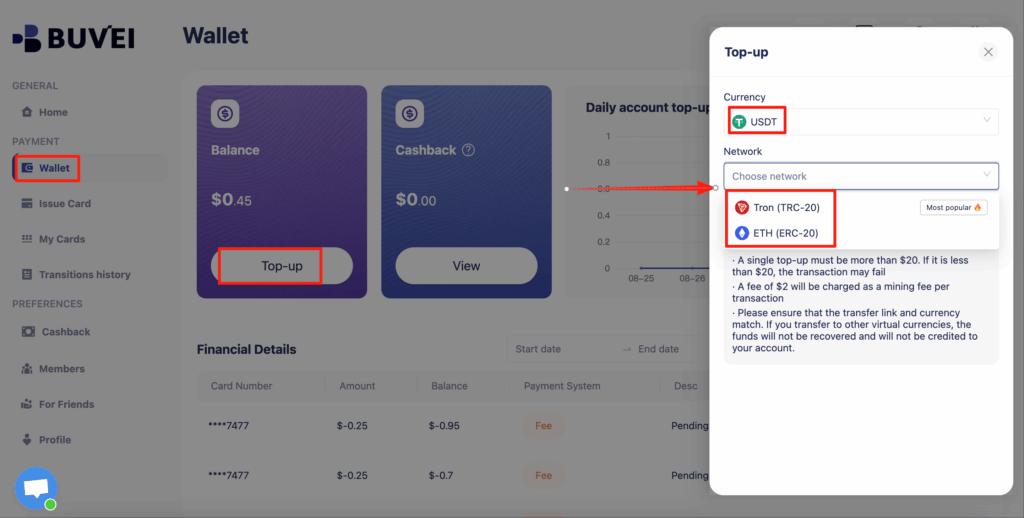
- Go to the Wallet tab
- Deposit USDT (TRC20/ERC20)
- Copy your dedicated address
- Transfer funds and wait for confirmation
3. Create Virtual Cards
- Navigate to the Cards section
- Select BIN region (U.S. BIN recommended)
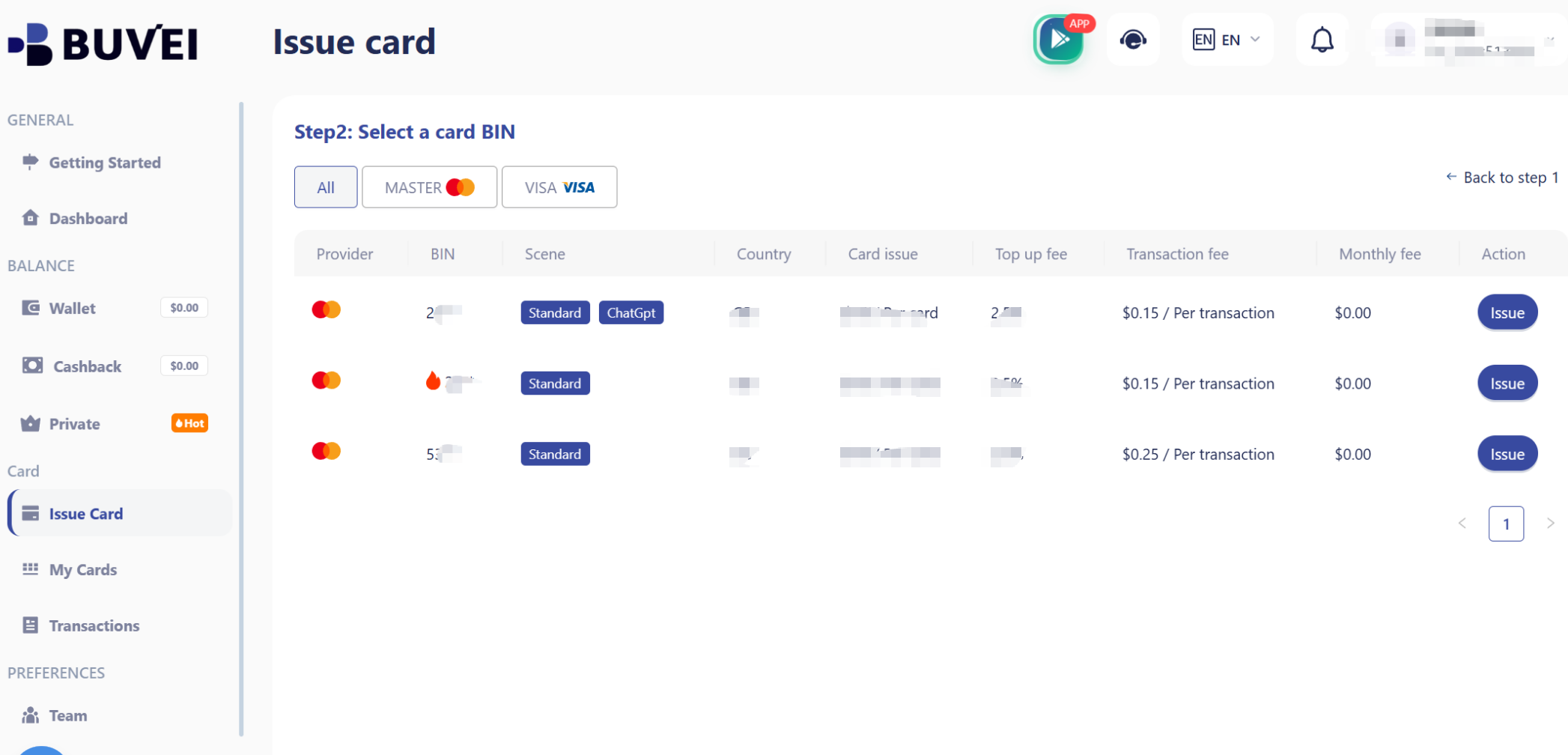
- Choose card type
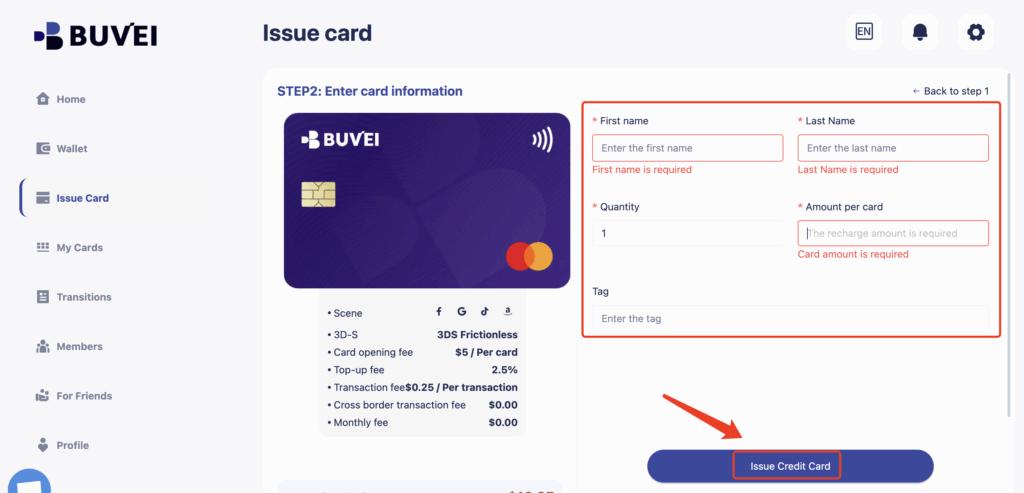
- Enter card details (name, amount, quantity)
- Click Issue Card
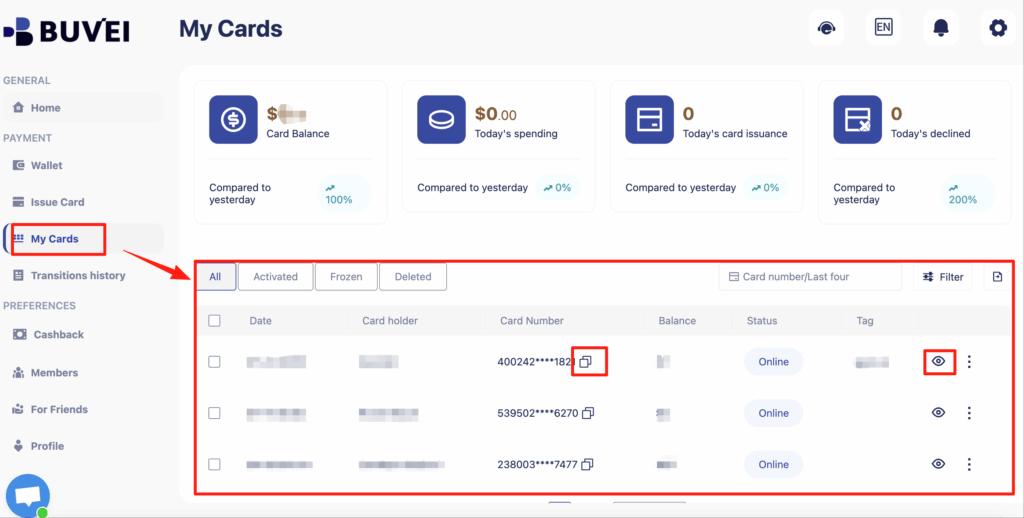
4. Review Card Details
- Card number
- Expiry date
- CVV
- Transaction history
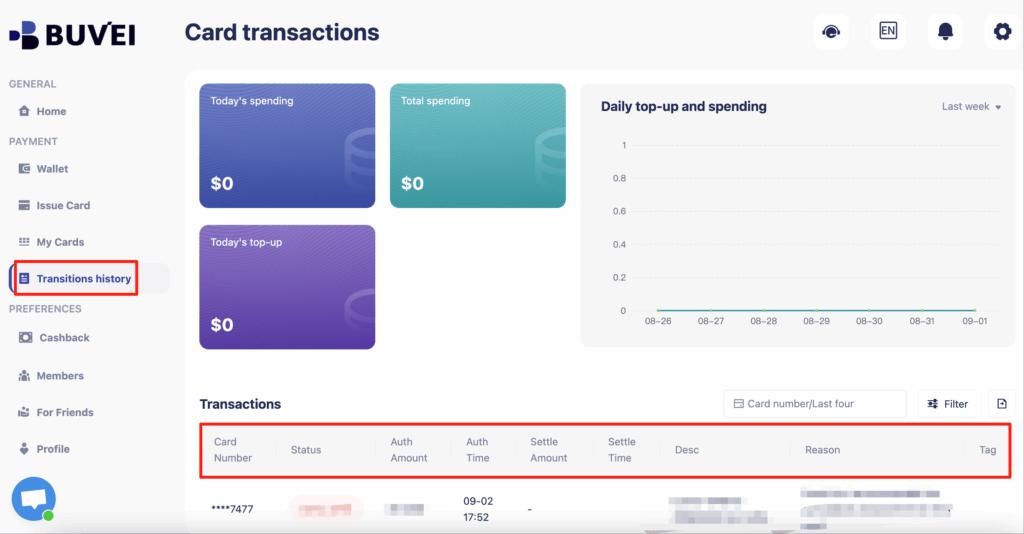
This allows you to test real-world payment scenarios before scaling.
Step 4 — Integrate APIs for Automation
Once validated:
- Connect to the provider’s API
- Automate card creation
- Manage users programmatically
- Sync transaction data
This transforms your product into a fully integrated financial platform.
Step 5 — Launch and Scale
After integration:
- Roll out to users
- Monitor performance
- Optimize payment success rates
- Expand to new regions
Speed to market is critical, but scalability is what sustains growth.
Common Challenges and How to Avoid Them
Even with modern infrastructure, there are common pitfalls.
Compliance Delays
Solution: Work with providers that already meet regulatory requirements.
Low Payment Approval Rates
Solution: Use multi-BIN support to optimize acceptance.
Integration Complexity
Solution: Choose APIs with clear documentation and support.
Funding Limitations
Solution: Use flexible funding options like crypto or global transfers.
Scaling Issues
Solution: Ensure your provider supports bulk card issuing and automation.
Avoiding these challenges can significantly reduce launch time.
Launching Faster with Buvei Infrastructure
For businesses aiming to move quickly, Buvei offers a streamlined approach to card issuing.
Fast Onboarding
Create and use virtual cards shortly after registration.
Multi-BIN Support
Improve global payment success rates with optimized BIN selection.
Strong Payment Compatibility
Cards work across SaaS tools, ad platforms, and online services.
Crypto-Based Funding
USDT (TRC20/ERC20) enables fast and cost-efficient deposits.
Multi-Card Management
Issue and manage multiple cards for teams and use cases.
Transparent Fees
Clear pricing helps control costs during scaling.
Final Thoughts
The ability to launch a white-label card program quickly can define how fast a business scales in today’s competitive landscape. By leveraging modern infrastructure, companies can bypass traditional barriers and focus on delivering value to users.
With the right provider, launching a card issuing program becomes a structured and achievable process — not a multi-year project. Solutions like Buvei make it possible to go from concept to execution in a fraction of the time, enabling businesses to compete globally from day one.