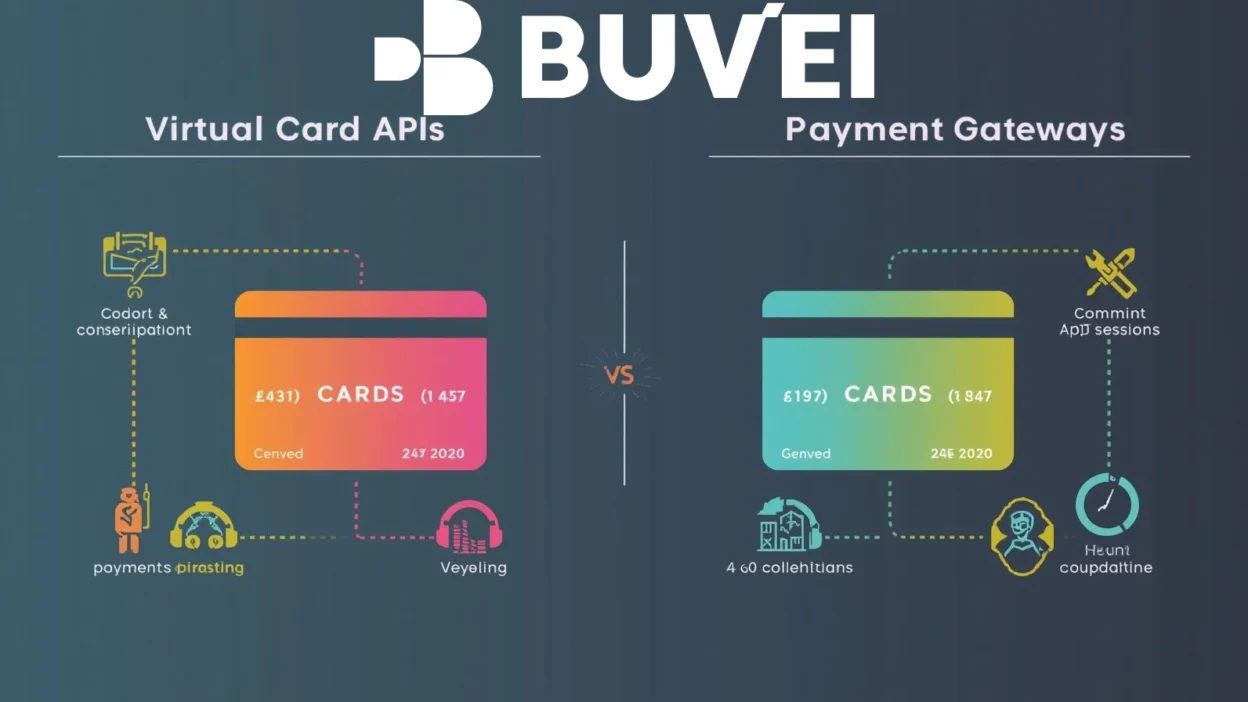
As digital payments evolve, businesses often face a key decision: should they use a virtual card issuing API or rely on a traditional payment gateway? While both solutions enable online transactions, they serve very different purposes.
Understanding the differences between these two approaches is essential for fintech companies, SaaS platforms, and global businesses building payment infrastructure.
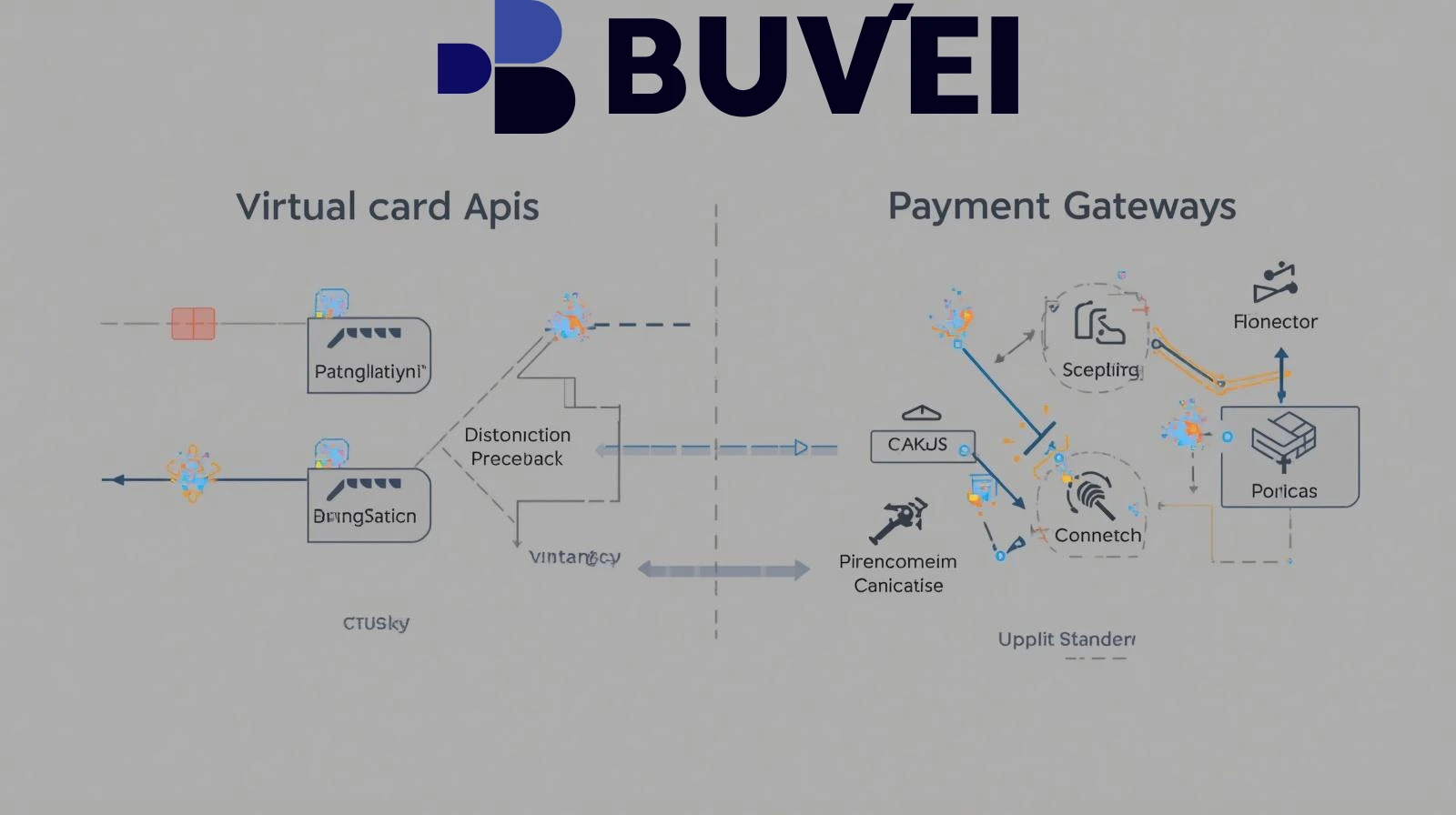
What Are Virtual Card APIs and Payment Gateways
Virtual Card APIs
A virtual card API allows businesses to programmatically create and manage payment cards. These cards can be issued instantly and used for online payments, subscriptions, and advertising spend.
Virtual card APIs typically connect to global card networks such as Visa and Mastercard, enabling real-world transactions.
With a virtual card API, businesses can:
-
Generate cards on demand
-
Set spending limits
-
Track transactions in real time
-
Assign cards to users, clients, or campaigns
Payment Gateways
A payment gateway is a service that allows businesses to accept payments from customers. It processes transactions between customers, merchants, and banks.
Popular providers like Stripe and PayPal act as intermediaries that securely handle payment authorization and settlement.
With a payment gateway, businesses can:
-
Accept card payments online
-
Process customer transactions
-
Handle refunds and settlements
-
Integrate checkout systems
Key Differences Between the Two Solutions
Although both tools are part of the payment ecosystem, their roles are fundamentally different.
Purpose
-
Virtual Card APIs: Enable businesses to spend money using issued cards
-
Payment Gateways: Enable businesses to receive money from customers
Control Level
-
Virtual card APIs provide full control over card creation and usage
-
Payment gateways provide limited control focused on transaction processing
Use Case Focus
-
Virtual card APIs are used for internal payments, ad spend, SaaS billing
-
Payment gateways are used for customer checkout and e-commerce payments
Integration Model
-
Virtual card APIs are integrated into backend systems and workflows
-
Payment gateways are integrated into websites, apps, and checkout pages
When to Use Card Issuing APIs vs Gateways
Choosing between these solutions depends on your business model.
Use Virtual Card APIs When:
-
You need to manage spending across multiple accounts
-
You run advertising campaigns on platforms like Google Ads or Facebook Ads
-
You want to issue cards to users, employees, or clients
-
You need budget control and transaction visibility
Use Payment Gateways When:
-
You sell products or services online
-
You need to accept customer payments
-
You operate an e-commerce store or SaaS platform
-
You require checkout and billing systems
In many cases, businesses use both solutions together to manage incoming and outgoing payments.
Benefits and Limitations of Each Approach
Virtual Card APIs
Benefits:
-
High level of control over spending
-
Scalable card issuance
-
Useful for internal payment workflows
Limitations:
-
Not designed for receiving payments
-
Requires integration effort for full functionality
Payment Gateways
Benefits:
-
Easy to integrate checkout systems
-
Supports customer payments globally
-
Handles compliance and payment processing
Limitations:
-
Limited control over outgoing payments
-
Less flexibility for internal expense management
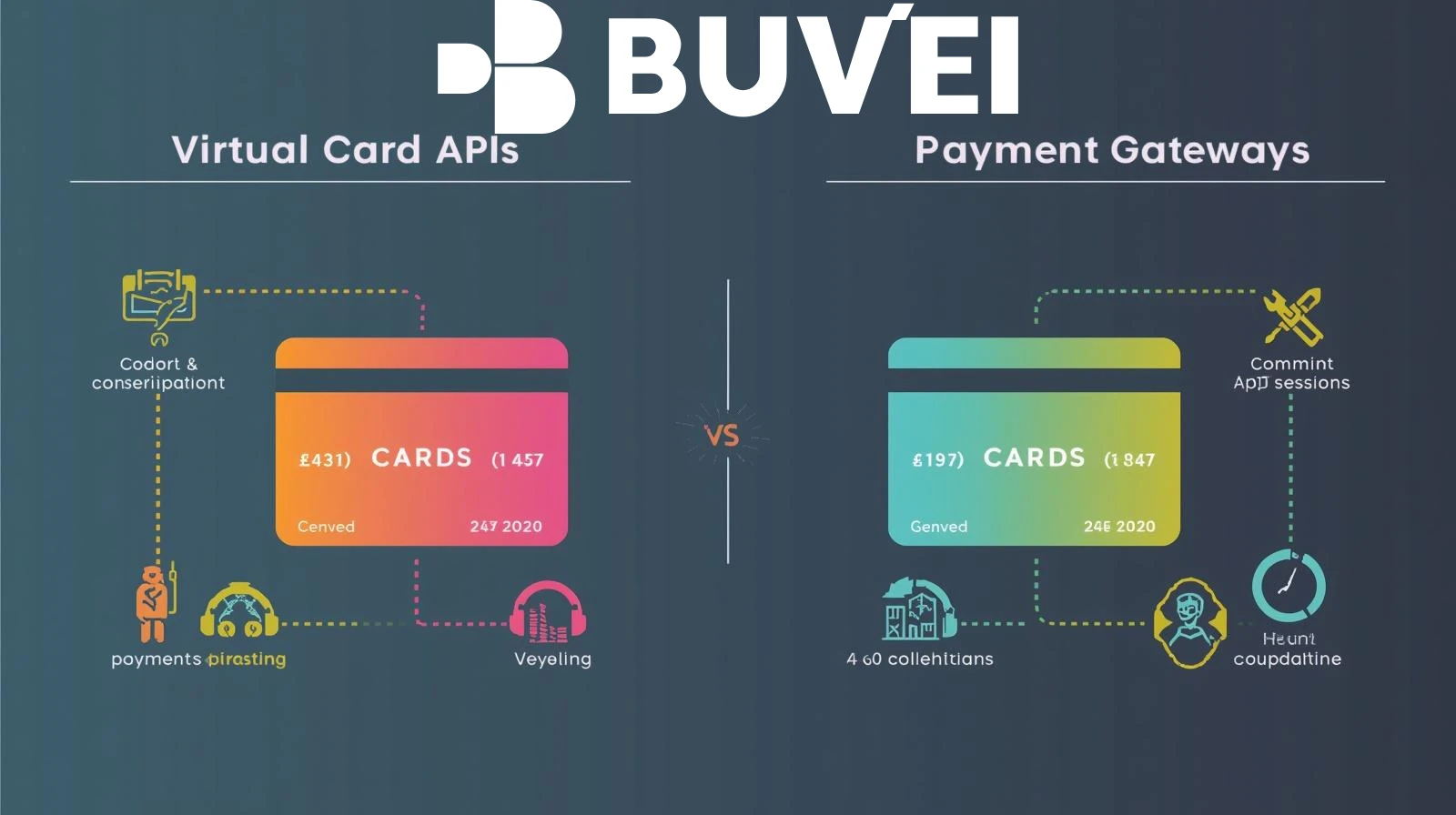 Why Buvei Offers Flexible Card Issuing Solutions
Buvei provides virtual card infrastructure designed for businesses that need flexible, scalable payment control.
Key capabilities include:
-
Instant virtual card issuance
-
Multi-region BIN support
-
Spending limits and card controls
-
Real-time transaction tracking
-
Compatibility with global merchants
These features make buvei suitable for businesses managing advertising budgets, SaaS payments, and operational expenses.
How to Create a Virtual Card on the Buvei Platform
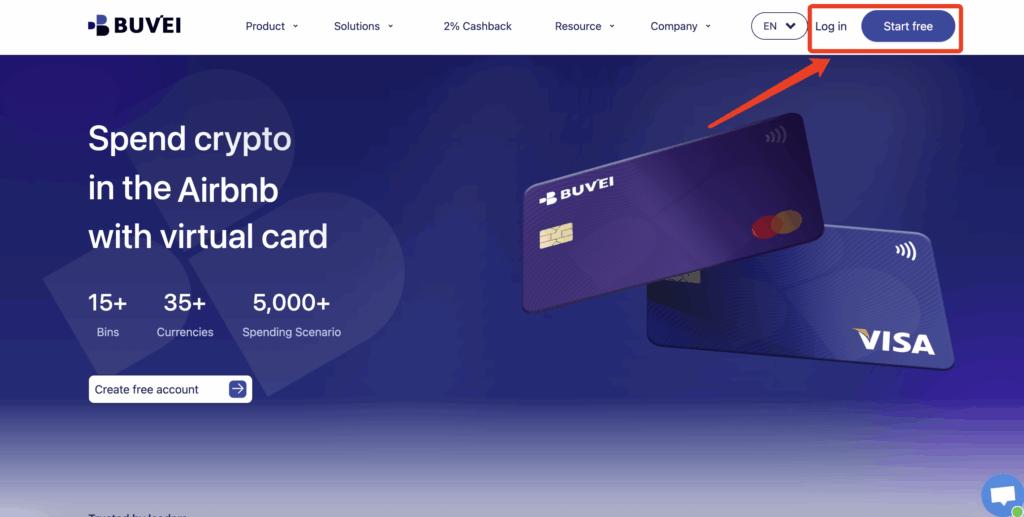
Step 1: Register a Buvei Account
Visit the Buvei platform and create a free account. Complete email verification and log in to your dashboard.
 Step 2: Fund Your Wallet
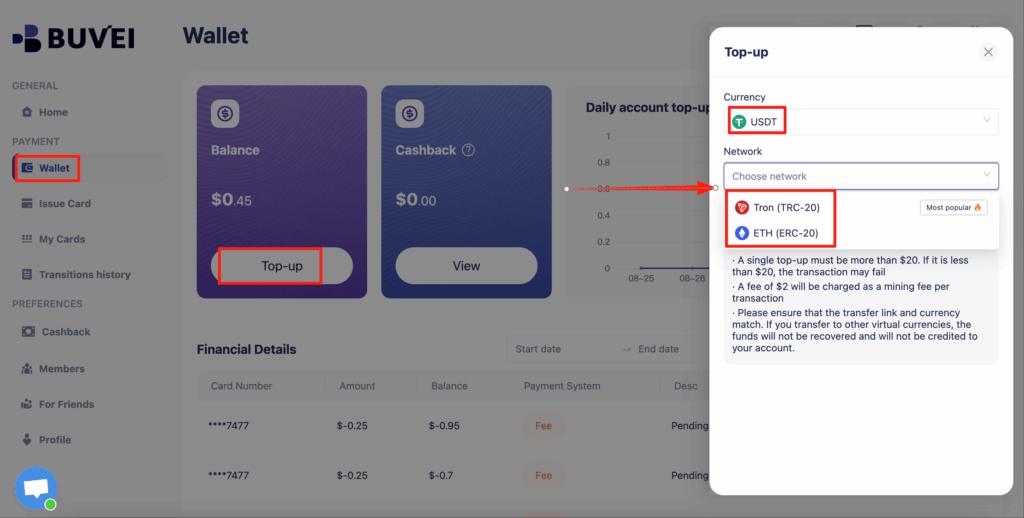
Go to the Wallet section and top up using supported stablecoins:
-
USDT (TRC20)
-
USDT (ERC20)
Once confirmed on-chain, your balance becomes available instantly.
 Step 3: Create a Virtual Card
Navigate to the Cards section:
-
Select your preferred BIN region (US BIN recommended)
-
Choose card type
-
Click Issue Card
Quick Setup for White-Label Card Programs
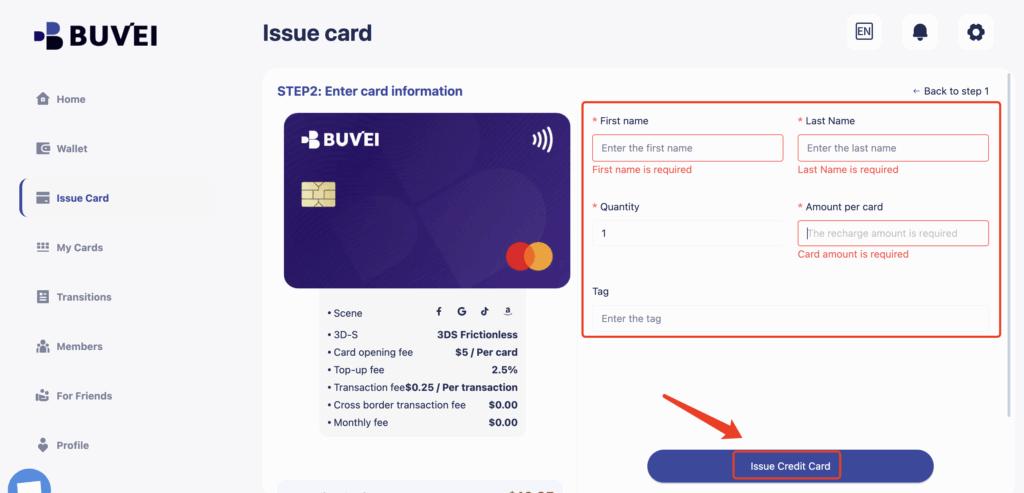
Enter the card name, initial amount, and number of cards, then click Create Card.
You’ll immediately see:
-
Card number
-
Expiration date
-
CVV
-
Transaction history
-
Card balance and usage
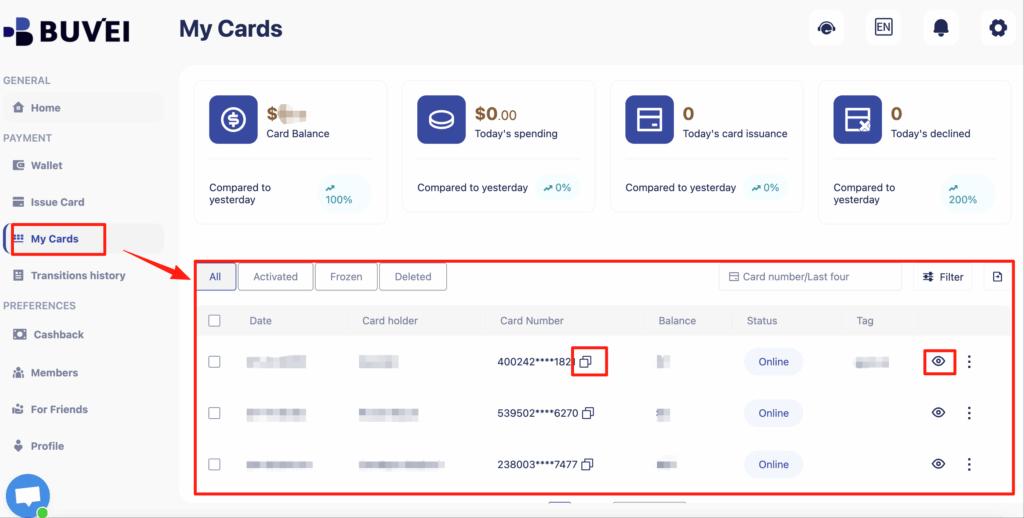
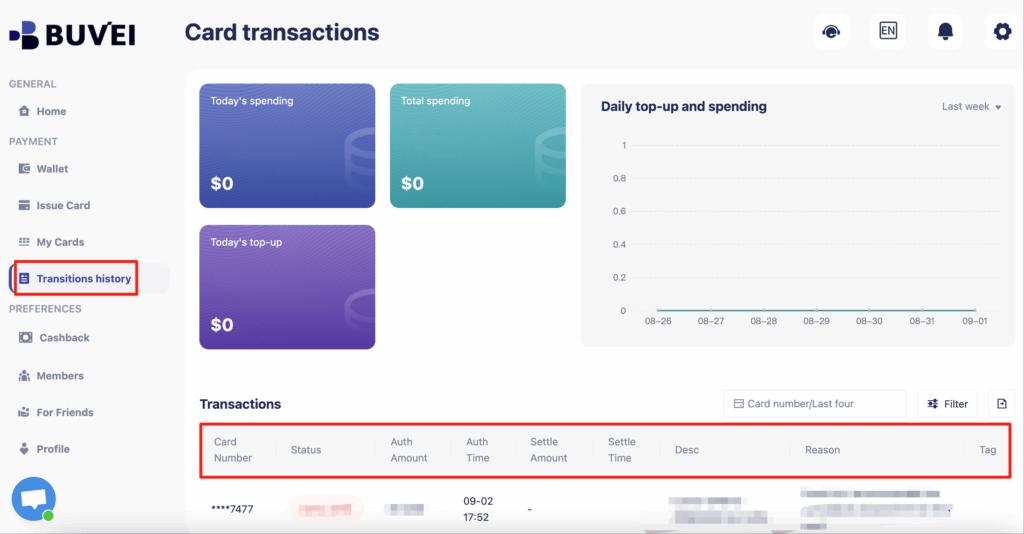
This process ensures that Buvei’s virtual cards are ideal for controlling your spending and managing online payments securely.
Conclusion
Virtual card APIs and payment gateways serve different but complementary roles in modern payment infrastructure. While gateways help businesses accept payments, virtual card APIs enable them to control and manage spending.
For companies operating globally, combining both solutions provides a complete financial workflow. Platforms like buvei make it easier to implement virtual card issuing, giving businesses the tools they need to scale efficiently and manage payments with precision.