
As digital payments continue to expand globally, more fintech companies, SaaS platforms, and payment startups are launching their own branded card products. Instead of building an issuing infrastructure from scratch, many businesses choose white-label virtual card providers that allow them to issue branded payment cards quickly and at lower cost.
In this guide, we explain what white-label virtual card issuing is, why companies choose these solutions, and what features to look for when selecting a provider.

What Is White-Label Virtual Card Issuing
White-label virtual card issuing is a payment infrastructure service that allows companies to launch their own branded payment cards while relying on a third-party provider for the underlying technology and compliance.
These platforms connect businesses with global card networks such as Visa and Mastercard while handling key components such as:
-
Card issuance infrastructure
-
Payment processing
-
Compliance and regulatory requirements
-
Card lifecycle management
With a white-label platform, companies can offer virtual debit or credit cards under their own brand without needing to become a licensed financial institution.
Why Businesses Choose White-Label Card Providers
Launching a card issuing system independently can require significant technical development, regulatory approvals, and banking partnerships. White-label solutions simplify this process.
Faster Product Launch
Companies can launch branded card products in weeks rather than years.
Reduced Regulatory Complexity
White-label providers usually work with licensed issuing banks and regulated payment networks, reducing the compliance burden for partner businesses.
Lower Infrastructure Costs
Building a full card issuing system requires payment gateways, fraud monitoring systems, and global network integrations. White-label providers already have these systems in place.
Scalable Payment Infrastructure
Businesses can issue thousands or millions of cards without building additional infrastructure.
Key Features to Look for in a White-Label Platform
When evaluating virtual card issuing platforms, companies should compare several critical capabilities.
Card Issuing API
A robust API allows businesses to generate virtual cards, manage balances, and track transactions programmatically.
Multi-Region BIN Support
Providers offering multiple Bank Identification Numbers (BINs) across different regions allow businesses to issue cards compatible with international merchants.
Fraud Protection and Security
A strong platform should include:
-
Real-time transaction monitoring
-
Risk management tools
-
Secure card tokenization
Flexible Card Controls
Businesses should be able to configure:
-
Spending limits
-
Merchant category restrictions
-
Single-use or multi-use cards
Developer-Friendly Integration
A modern platform should provide clear documentation, sandbox environments, and integration support for developers.
Comparing Leading Virtual Card Issuing Providers
Several fintech infrastructure companies currently provide virtual card issuing platforms.
Stripe
Stripe offers card issuing as part of its broader financial infrastructure. It is widely used by fintech startups and SaaS platforms, particularly in North America and Europe.
Strengths
-
Strong developer ecosystem
-
Integrated payments and issuing
Limitations
-
Limited availability in some regions
-
Higher compliance requirements for partners
Marqeta
Marqeta specializes in modern card issuing infrastructure and powers many fintech companies globally.
Strengths
-
Highly customizable card controls
-
Advanced transaction authorization features
Limitations
-
Complex onboarding for smaller companies
 Why Buvei Is a Strong White-Label Card Solution
Buvei provides virtual card infrastructure designed for businesses that want to launch card products quickly and manage online payment use cases such as advertising, SaaS subscriptions, and digital services.
Key capabilities include:
-
Instant virtual card issuance
-
Multi-region BIN options
-
Flexible card creation for different use cases
-
Real-time transaction monitoring
-
Developer-friendly integration
These features make the platform suitable for businesses that need scalable card issuing without complex infrastructure development.
How to Create a Virtual Card on the Buvei Platform
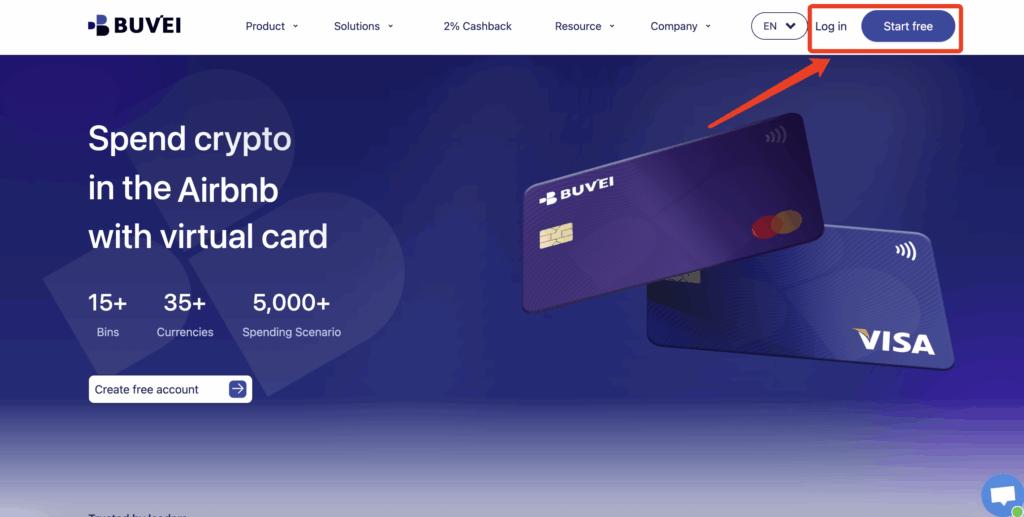
Step 1: Register a Buvei Account
Visit the Buvei platform and create an account using your email address. Complete the verification process and log in to the dashboard.
 Step 2: Fund Your Wallet
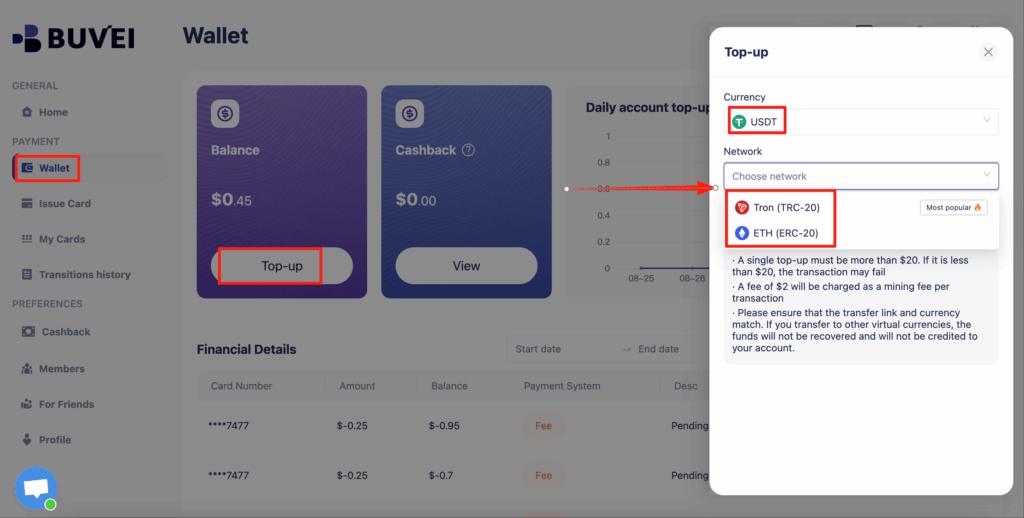
Go to the Wallet section and deposit funds using supported stablecoins:
-
USDT (TRC20)
-
USDT (ERC20)
Once the transaction is confirmed on the blockchain, your balance will be available for card issuance.
 Step 3: Issue a Virtual Card
-
Navigate to the Cards section
-
Select your preferred BIN region
-
Choose the card type
-
Enter the card name, initial amount, and number of cards
-
Click Create Card
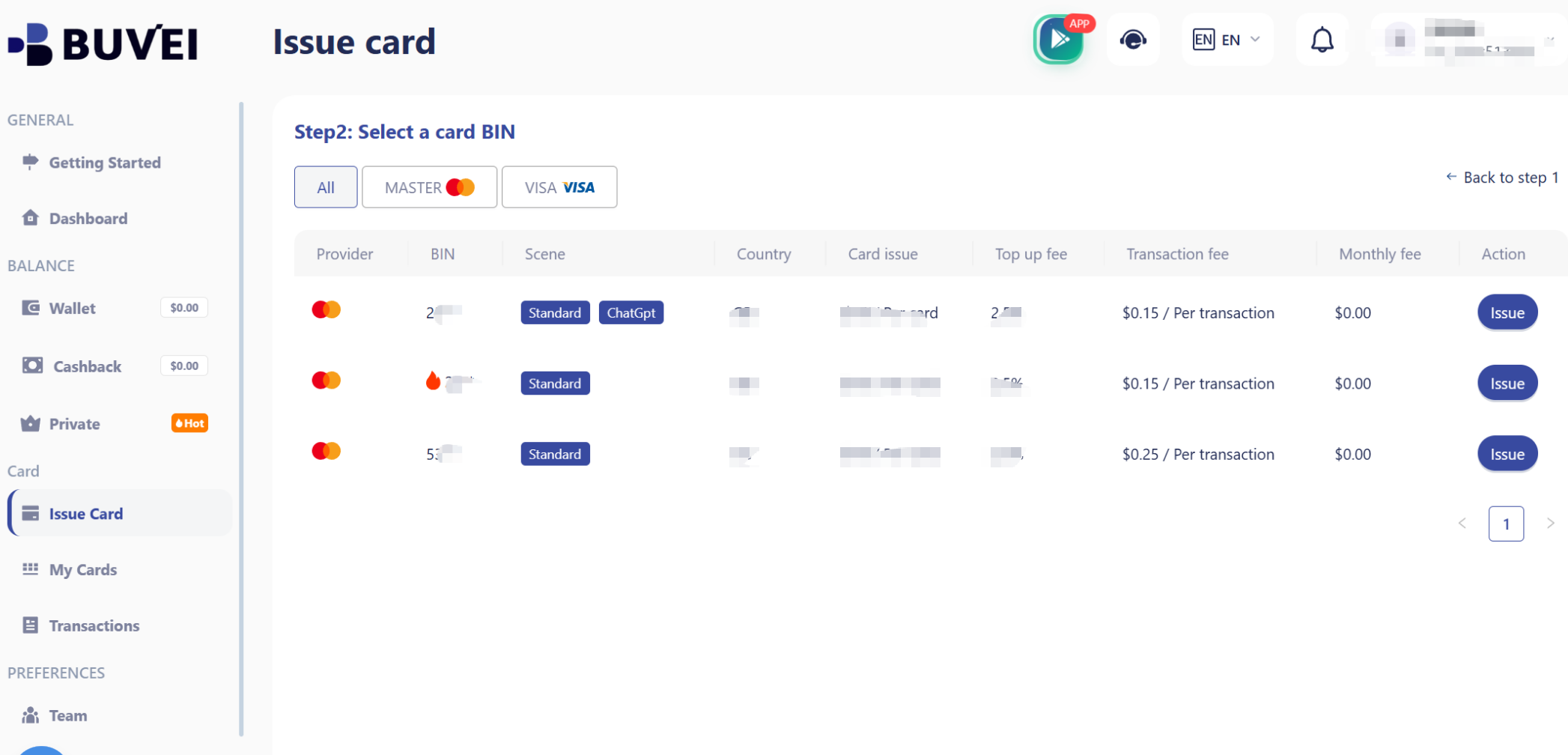
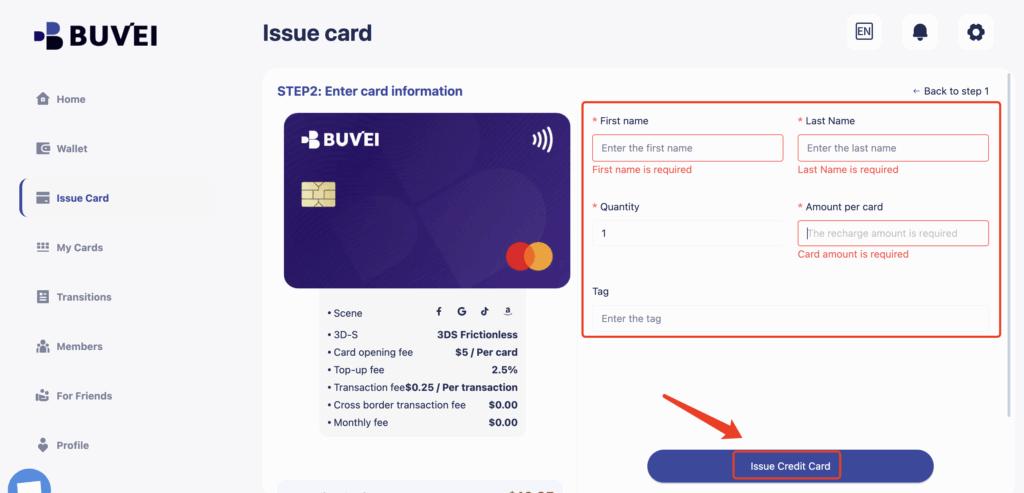
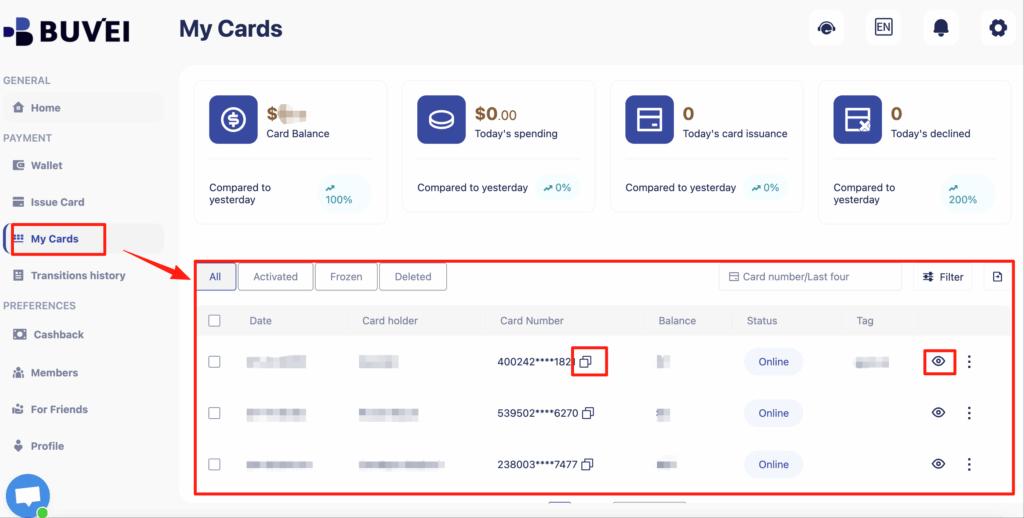
The virtual card will be generated instantly.
You will then be able to view:
-
Card number
-
Expiration date
-
CVV
-
Card balance
-
Transaction history
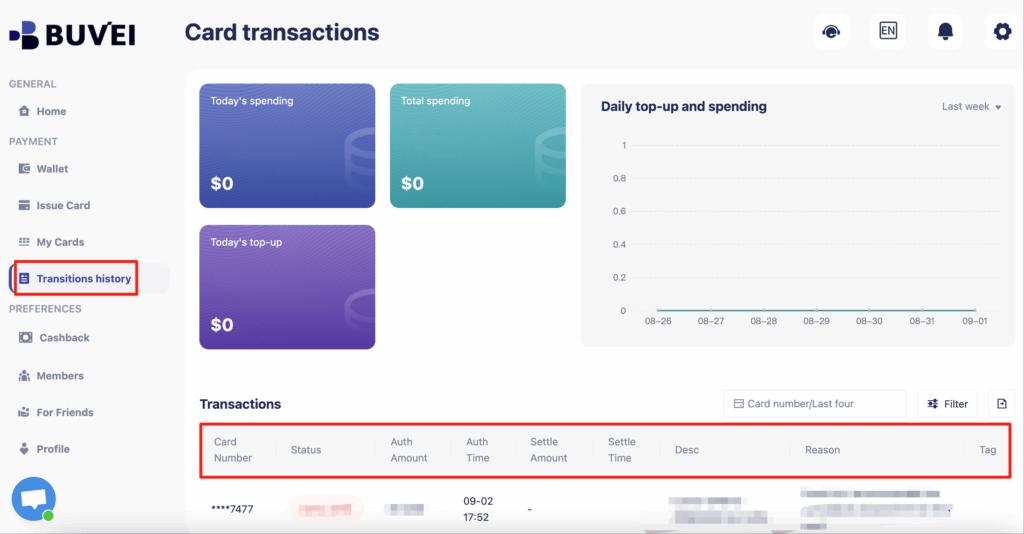
This process ensures that Buvei’s virtual cards are ideal for controlling your spending and managing online payments securely.
Conclusion
White-label virtual card issuing has become a key part of modern fintech infrastructure. It allows companies to launch branded payment products quickly without building a complex issuing system from scratch.
Providers such as Stripe, Marqeta, and Adyen offer powerful card issuing platforms, while solutions like buvei provide flexible options for businesses that want fast deployment and scalable virtual card management.
For companies building digital payment services, choosing the right white-label provider can significantly reduce development time and accelerate product launches.