Digital payments in Indonesia have grown rapidly as more people shop online, subscribe to digital services, and use global platforms. From streaming platforms to online games and software tools, international services are now part of everyday digital activity.
However, Indonesian users sometimes face challenges when paying on global websites. Certain payment methods may not work smoothly with international billing systems, while others may encounter limitations when handling cross-border transactions.
Because of these issues, many users in Indonesia are turning to virtual cards to manage online payments more efficiently.
This guide explains how online payments work in Indonesia, common payment challenges users face, and how Buvei virtual cards help simplify global transactions.
How Online Payments Work in Indonesia
Indonesia offers a variety of payment options for online services and digital purchases.
Bank Transfers and Local Payment Systems
Many local platforms support direct bank transfers or regional payment gateways.
Debit and Credit Cards
Some international websites allow users to pay with debit or credit cards connected to global payment networks.
Digital Wallets
Digital wallets are widely used for local purchases and mobile transactions.
While these options work well for many domestic services, international platforms sometimes require payment methods that fully support global online billing.
Why Indonesian Users Use Virtual Cards
Virtual cards are becoming increasingly popular among Indonesian users who frequently use global digital services.
Convenient Online Payments
Virtual cards are designed for internet transactions and are widely accepted on international platforms.
Faster Access
Users can generate virtual cards instantly without waiting for a physical card to be issued.
Spending Control
Virtual cards allow users to assign specific balances for different services.
Enhanced Security
Using a virtual card helps reduce the risk of exposing personal banking information during online transactions.
These advantages make virtual cards a practical option for many types of digital payments.
Popular Use Cases: Gaming, Subscriptions, and Ads
Virtual cards can be used across many types of online platforms.
Gaming Platforms
Many Indonesian gamers purchase games, downloadable content, and in-game items using virtual cards.
Digital Subscriptions
Streaming services, software platforms, and cloud tools often require international card payments.
Online Advertising
Freelancers and digital marketers may use virtual cards to pay for advertising platforms.
E-commerce Purchases
Users can shop on international online stores that require card payments.
These use cases demonstrate how virtual cards enable access to global digital services.
Common Payment Problems and Solutions
Indonesian users may encounter several payment issues when using traditional cards for international services.
Card Declines
Some banks may block international digital transactions for security reasons.
Currency Conversion Failures
Payments in foreign currencies may fail if the card does not support cross-border billing.
Subscription Billing Errors
Recurring payments sometimes fail when cards do not support automated international charges.
Verification Issues
Some platforms require authentication systems that certain payment methods may not support.
Virtual cards often help resolve these problems by providing a payment method designed for global online transactions.

Using Buvei Virtual Cards for Indonesia Payments
For users in Indonesia looking for flexible online payment solutions, Buvei virtual cards provide a convenient option.
Buvei allows users to create virtual cards that can be used for a wide range of digital services, including:
-
gaming platforms
-
streaming subscriptions
-
SaaS tools
-
advertising platforms
-
international online shopping
The platform supports USDT deposits (TRC20/ERC20), making it easier to fund accounts and manage cross-border payments.
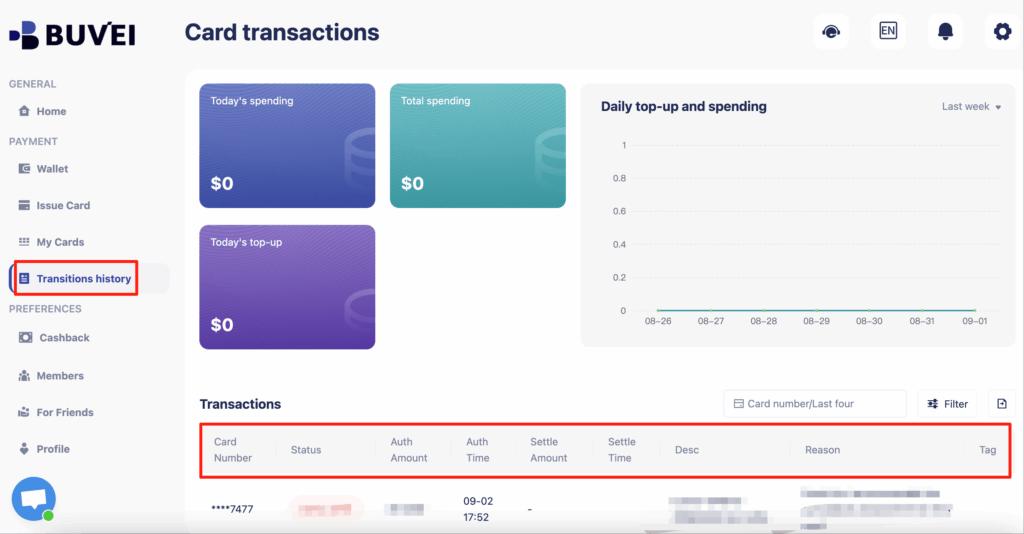
Users can also create multiple virtual cards and track all transactions through a centralized dashboard.
How to Create a Virtual Card on Buvei
Getting started with Buvei requires only a few simple steps.
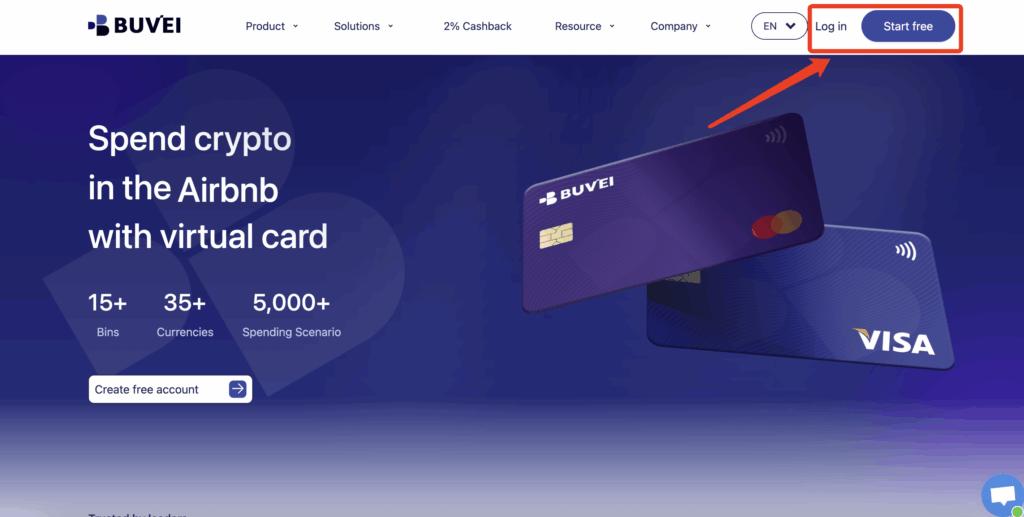
Step 1: Register a Buvei Account
Visit
https://buvei.com
Create a free account and complete email verification. After verification, log in to access the Buvei dashboard.
Step 2: Fund Your Account
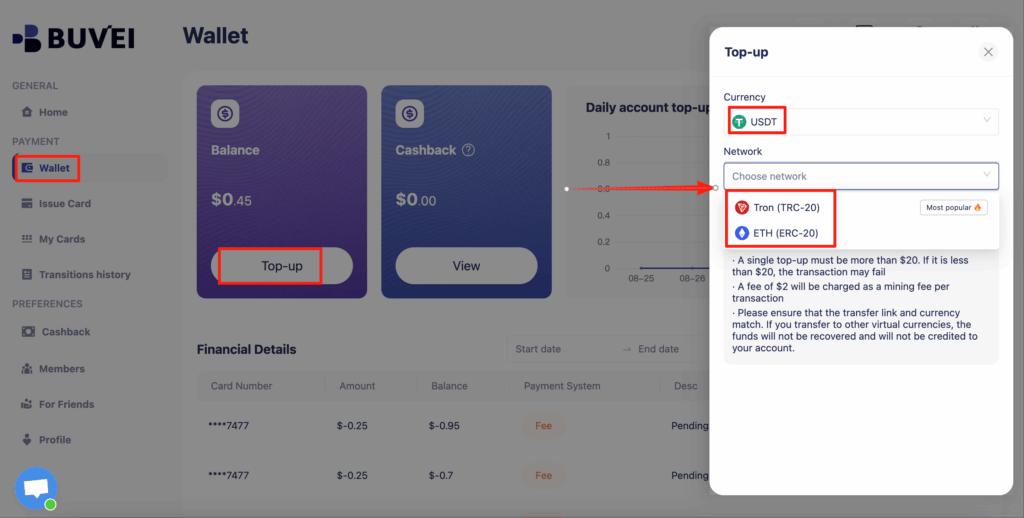
Go to the Wallet tab and recharge your account using supported stablecoins such as:
-
USDT (TRC20)
-
USDT (ERC20)
You will receive a unique deposit address. Copy the address and send your funds. After confirmation, the balance will appear in your wallet and be ready for use.
Step 3: Create a Virtual Card
Navigate to the Cards tab.
Choose your preferred BIN region (US BIN is recommended).
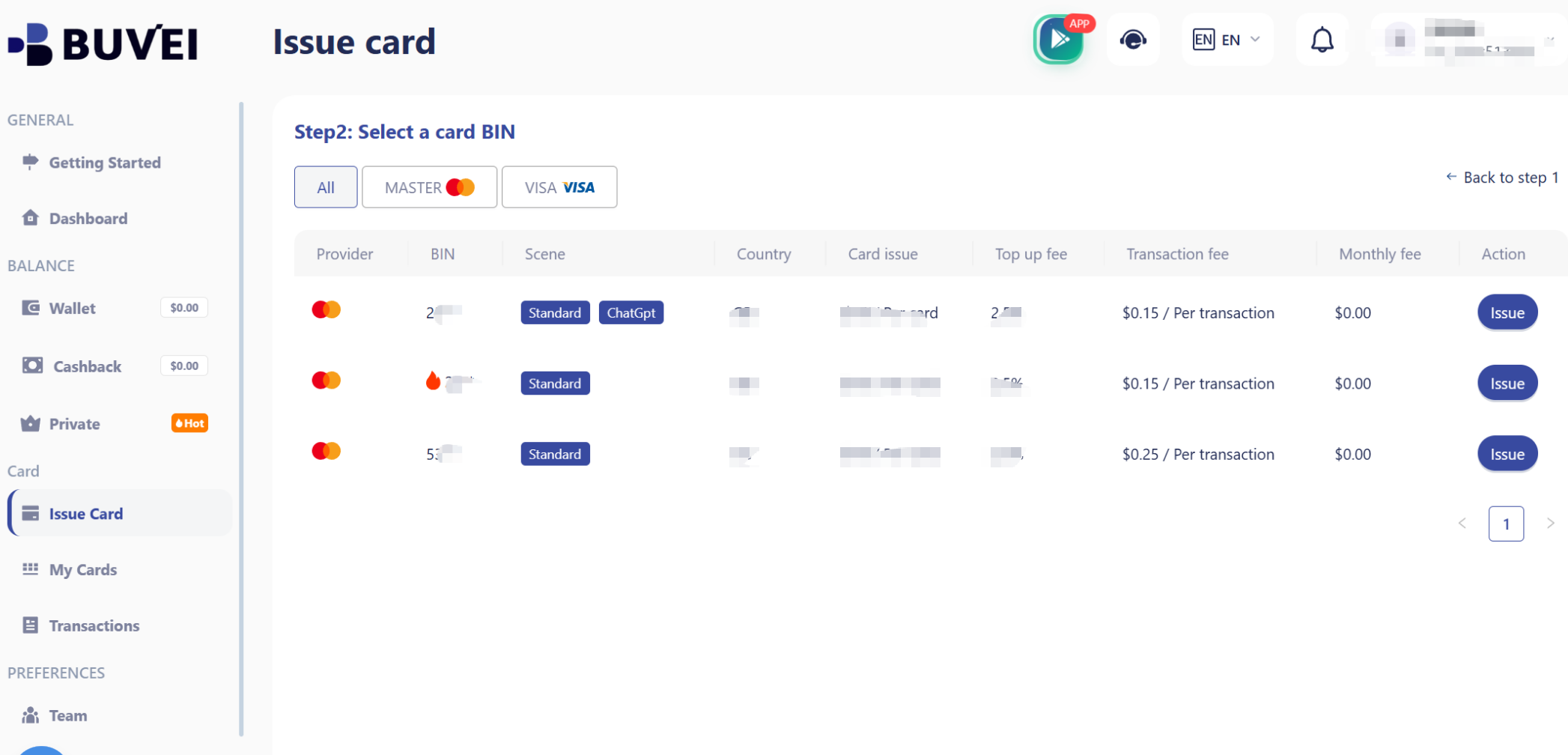
Select your card type.
Click Issue Card.
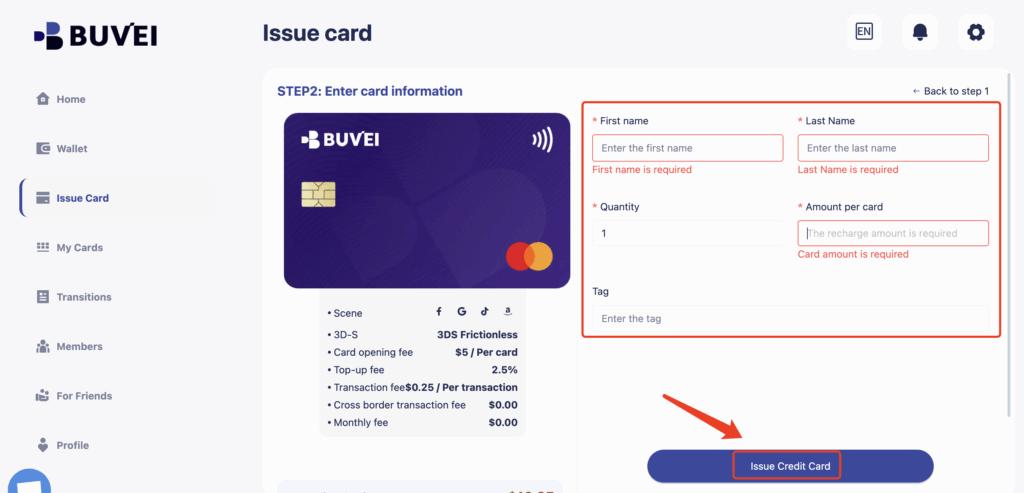
Enter the card name, amount, and quantity.
After issuing the card, go to My Cards to view:
card number
expiration date
CVV
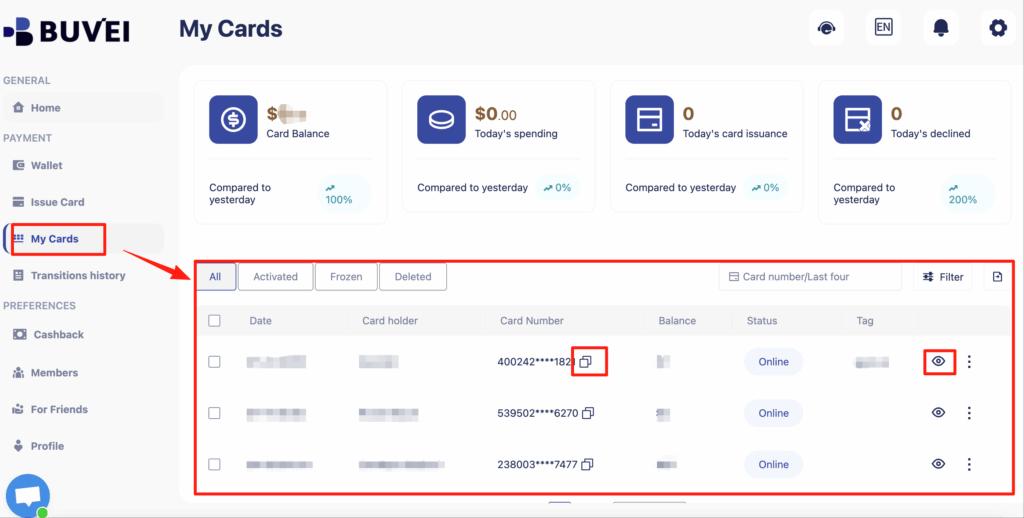
Users can also monitor transactions, review payment history, and manage multiple cards through the dashboard.
Final Thoughts
Indonesia’s digital economy continues to grow as more users rely on international platforms for gaming, subscriptions, and online services.
However, payment limitations can sometimes create obstacles when using traditional banking methods.
Virtual cards provide a flexible and secure solution, allowing Indonesian users to access global platforms and manage online payments more easily.
With services like Buvei, users can quickly create virtual cards, fund them with stablecoins, and complete international transactions without common payment interruptions.