
As global digital services continue to expand, many online platforms still rely heavily on US-based payment infrastructure. This can create challenges for users outside the United States who want to access international subscriptions, cloud services, or advertising platforms. Because of these limitations, many global users are turning to virtual cards as a practical solution for cross-border payments.
This guide explains why non-US residents often need virtual cards, the common payment restrictions they face, and how solutions like buvei virtual cards can help simplify international online payments.

Why Non-US Users Need Virtual Cards
Many global digital services are built primarily for users in the United States. Platforms such as Google Ads, Facebook Ads, and Amazon support international payments, but payment approval can sometimes depend on card origin, issuing bank, and billing consistency.
Virtual cards provide a flexible alternative because they are designed for digital payments and international transactions.
Payment Restrictions for Global Online Services
Many online platforms apply risk controls to prevent fraud and chargebacks. As a result, users outside the US may encounter certain payment restrictions.
Card Issuer Restrictions
Some services prioritize cards issued by banks in specific regions. If the issuing bank is not recognized by the platform’s payment processor, transactions may fail.
Currency Compatibility
Many platforms charge in US dollars. Users paying with local currency cards may face:
-
Conversion fees
-
Additional bank verification checks
-
Higher decline rates
Cross-Border Risk Monitoring
Platforms such as Google Ads and Facebook Ads use automated systems to detect unusual payment behavior. If the account region, IP location, and card issuing country do not align, the payment may be flagged.
Virtual cards designed for global payments can help reduce these issues by providing better compatibility with international merchants.
Key Features to Look for in International Virtual Cards
When choosing a virtual card provider for global payments, non-US users should consider several important features.
Multi-Currency Support
Cards that support multiple currencies make it easier to pay for international services without excessive conversion fees.
Reliable Merchant Acceptance
A good virtual card should work on widely used platforms such as Amazon, Netflix, and other global digital services.
Flexible Spending Controls
Spending limits help users manage budgets for subscriptions, advertising campaigns, and SaaS tools.
Instant Card Issuance
Being able to generate a card instantly allows users to start making payments without waiting for a physical card.
Card Management Tools
A clear dashboard with transaction tracking, card controls, and spending reports helps users monitor their online payments.
Using Virtual Cards for Subscriptions, Ads, and SaaS
Virtual cards are widely used by global users across several common online payment scenarios.
Subscriptions
Streaming platforms, productivity tools, and AI services typically require recurring payments. Virtual cards allow users to control subscription charges and avoid unexpected renewals.
Advertising Platforms
Digital marketers and media buyers frequently pay for campaigns on platforms like Google Ads and Facebook Ads. Virtual cards help separate budgets across multiple campaigns or ad accounts.
SaaS Platforms
Businesses and freelancers rely on cloud-based tools for collaboration, hosting, analytics, and marketing. Virtual cards simplify payment management for these services.
Online Shopping
Virtual cards can also be used on international e-commerce platforms to complete purchases securely without exposing a primary bank card.

Why Buvei Virtual Cards Work for Global Users
Buvei offers virtual cards designed for global online payments and digital services. These cards provide several features that are helpful for users outside the United States.
Key advantages include:
-
Instant virtual card creation
-
Multiple cards per account
-
Spending controls for budget management
-
Compatibility with international online merchants
These features make buvei virtual cards useful for managing subscriptions, advertising payments, and cross-border digital services.
How to Create a Virtual Card on the Buvei Platform
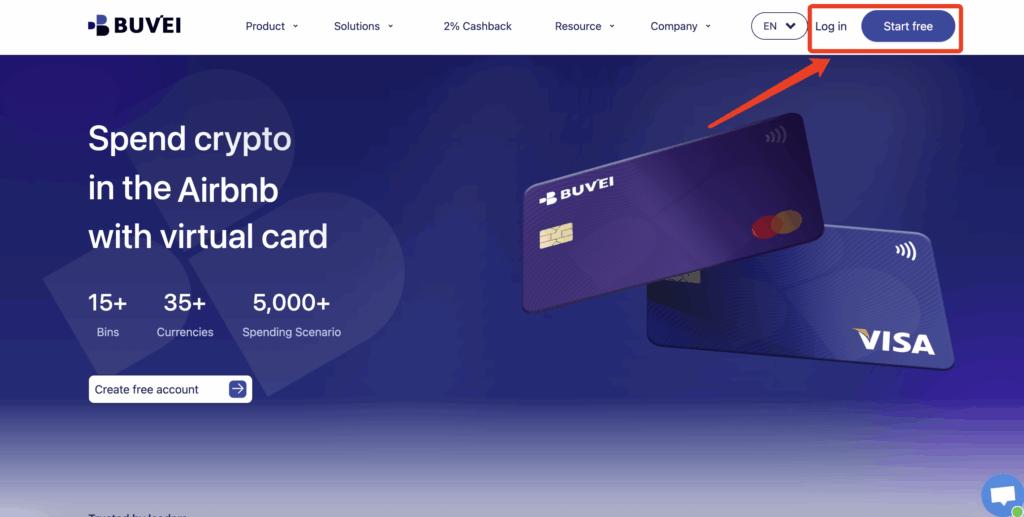
Step 1: Register a Buvei Account
Create an account on the Buvei platform using your email address and complete the verification process.
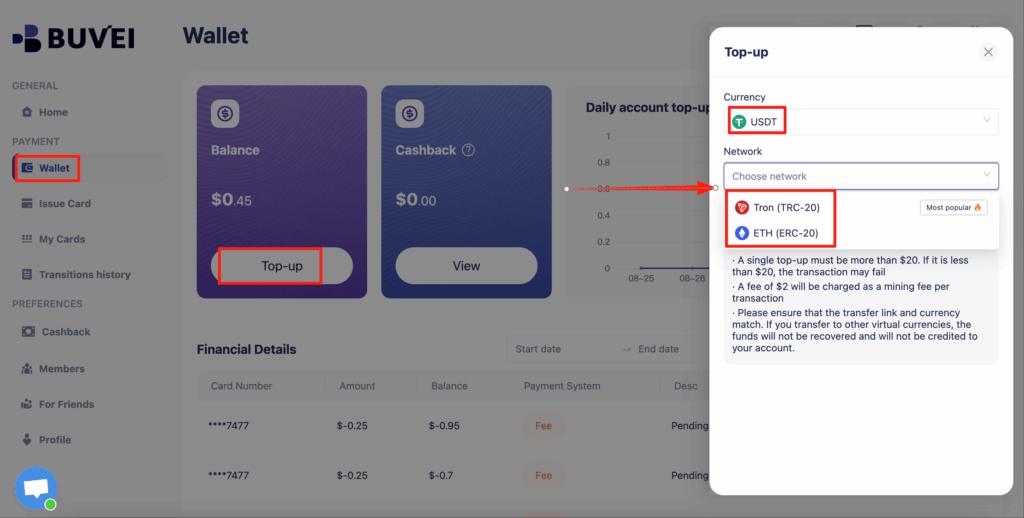
 Step 2: Fund Your Wallet
Navigate to the Wallet section and deposit funds using supported stablecoins:
-
USDT (TRC20)
-
USDT (ERC20)
After the blockchain transaction is confirmed, your wallet balance will appear in your account.
 Step 3: Issue a Virtual Card
-
Go to the Cards section
-
Select your preferred BIN region
-
Choose the card type
-
Enter the card name, initial balance, and number of cards
-
Click Create Card
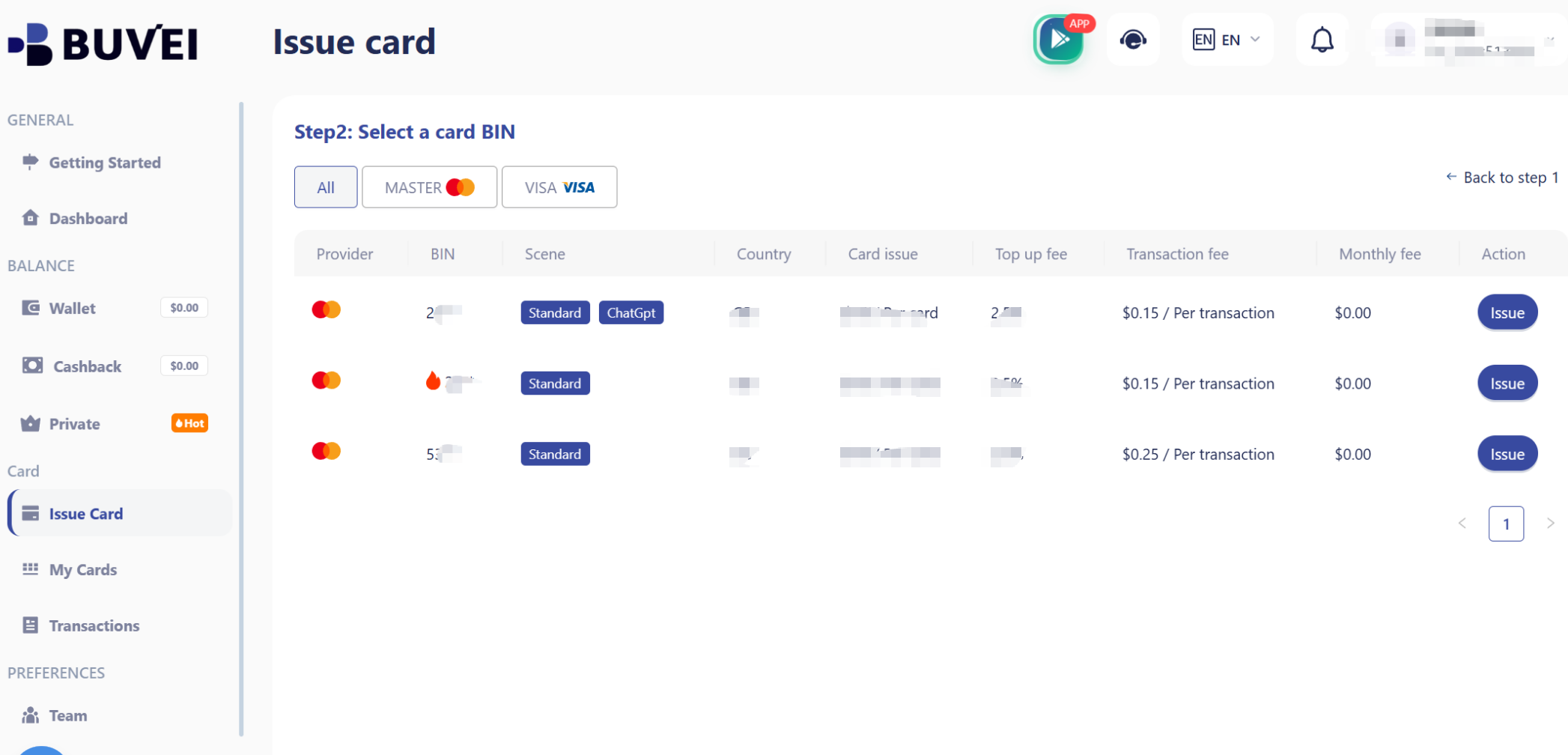
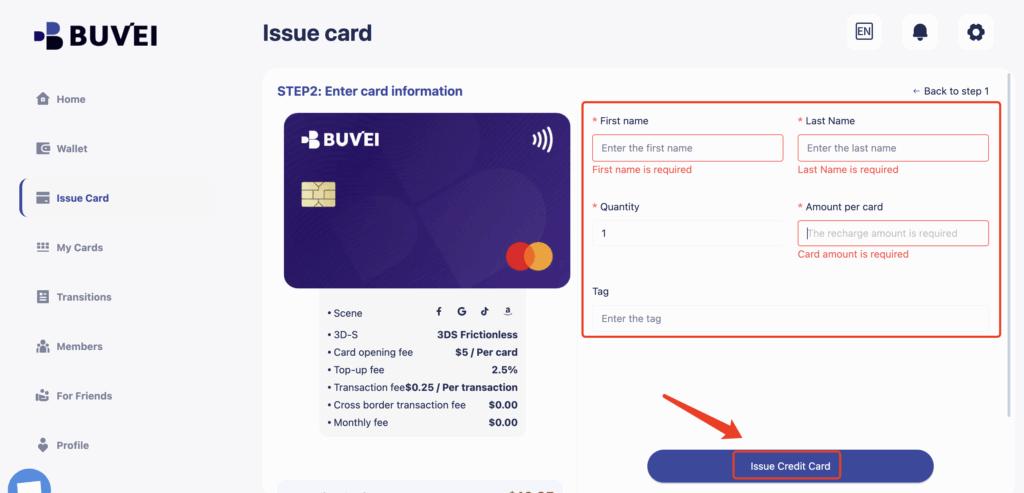
The card will be issued instantly.
You will be able to view:
-
Card number
-
Expiration date
-
CVV
-
Card balance
-
Transaction history
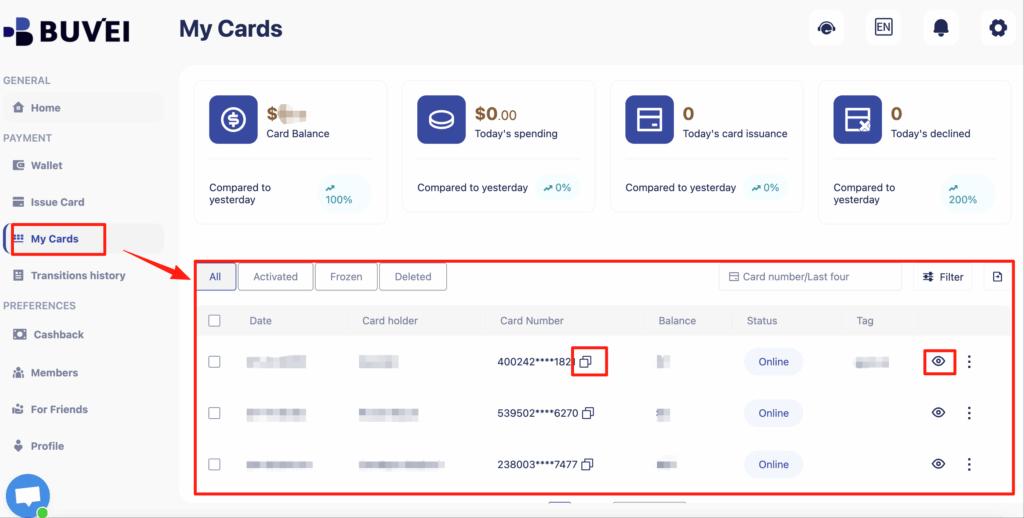
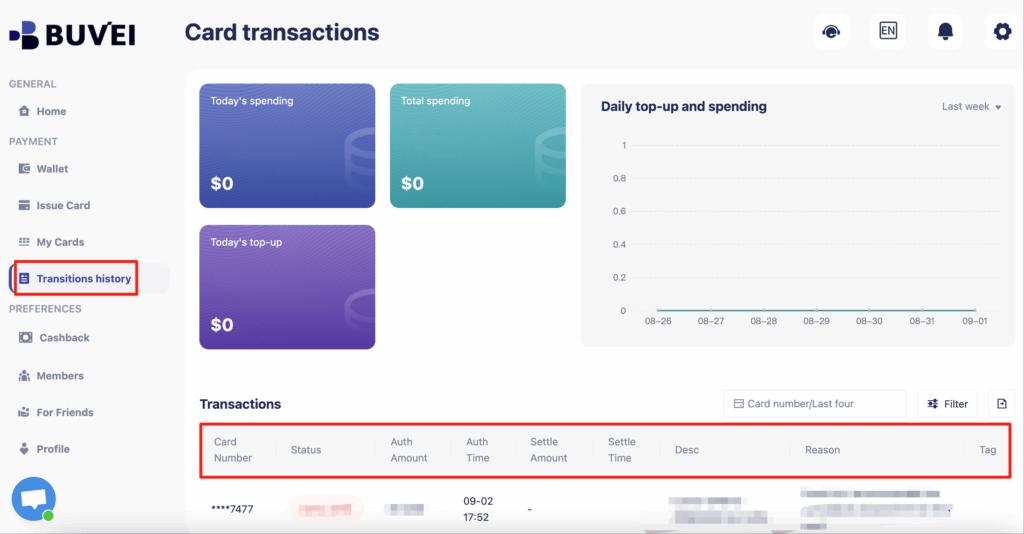
This process ensures that Buvei’s virtual cards are ideal for controlling your spending and managing online payments securely.
Conclusion
Many global online services are built around US payment infrastructure, which can create challenges for non-US residents. Virtual cards provide a flexible solution for handling international payments, subscriptions, and advertising budgets.
With instant card issuance, flexible spending controls, and compatibility with global platforms, solutions like buvei virtual cards allow users worldwide to manage digital payments more efficiently and securely.