Digital payment technologies are expanding quickly across Latin America. Mobile wallets, contactless payments, and digital banking solutions are becoming more common as consumers and businesses move away from cash-based systems.
Among these technologies, Apple Pay has gained attention as a convenient and secure mobile payment method. As adoption grows in countries such as Brazil, Mexico, and Chile, more users are combining Apple Pay with virtual cards to manage both local and international payments.
This guide explains how Apple Pay works in Latin America, how virtual cards integrate with the system, and why platforms like Buvei provide flexible payment options for digital users.
The Growth of Apple Pay in Latin America
Over the past few years, Latin America has seen significant growth in digital payment adoption.
Several factors contribute to the rise of Apple Pay in the region.
Increased Smartphone Usage
Mobile devices are now the primary way many users access financial services and online shopping platforms.
Expansion of Contactless Payments
Retailers and service providers increasingly support contactless payment terminals compatible with Apple Pay.
Growth of Digital Commerce
More businesses are offering online services and international subscriptions, requiring reliable digital payment methods.
Although Apple Pay is expanding across Latin America, not all local banks support the service directly. This is where virtual cards can provide an alternative solution.
How Virtual Cards Work with Apple Pay
Virtual cards are digital versions of traditional payment cards. Instead of receiving a physical card, users are issued a card number, expiration date, and security code that can be used for online or mobile payments.
These cards can often be added directly to mobile wallets such as Apple Pay.
Once connected, users can:
-
make contactless payments in stores
-
pay for mobile apps and subscriptions
-
complete online purchases securely
-
manage digital payments without sharing primary banking details
Virtual cards are particularly useful for users who want more control over online spending.
Benefits of Using Virtual Cards for Local Payments
Combining Apple Pay with virtual cards offers several advantages for users in Latin America.
Flexible Payment Management
Users can create separate cards for different services, subscriptions, or spending categories.
Global Compatibility
Virtual cards often support international payments, making it easier to pay for global platforms and digital tools.
Budget Control
Some platforms allow users to set spending limits or assign specific balances to each card.
Quick Card Creation
Virtual cards can typically be issued instantly without waiting for physical delivery.
These benefits make virtual cards especially useful for freelancers, entrepreneurs, and online shoppers who frequently interact with international platforms.
Security Advantages of Apple Pay and Virtual Cards
Security is one of the most important reasons users choose Apple Pay and virtual cards.
Tokenization Technology
Apple Pay replaces the real card number with a secure token during transactions, reducing the risk of data exposure.
Biometric Authentication
Payments usually require fingerprint or facial recognition, adding another layer of protection.
Reduced Fraud Risk
Virtual cards can be created for specific services, meaning compromised cards can be easily replaced.
Limited Exposure
Because virtual cards are not directly linked to primary bank accounts, users can reduce potential financial risks.
These security features help build trust in digital payment systems across the region.
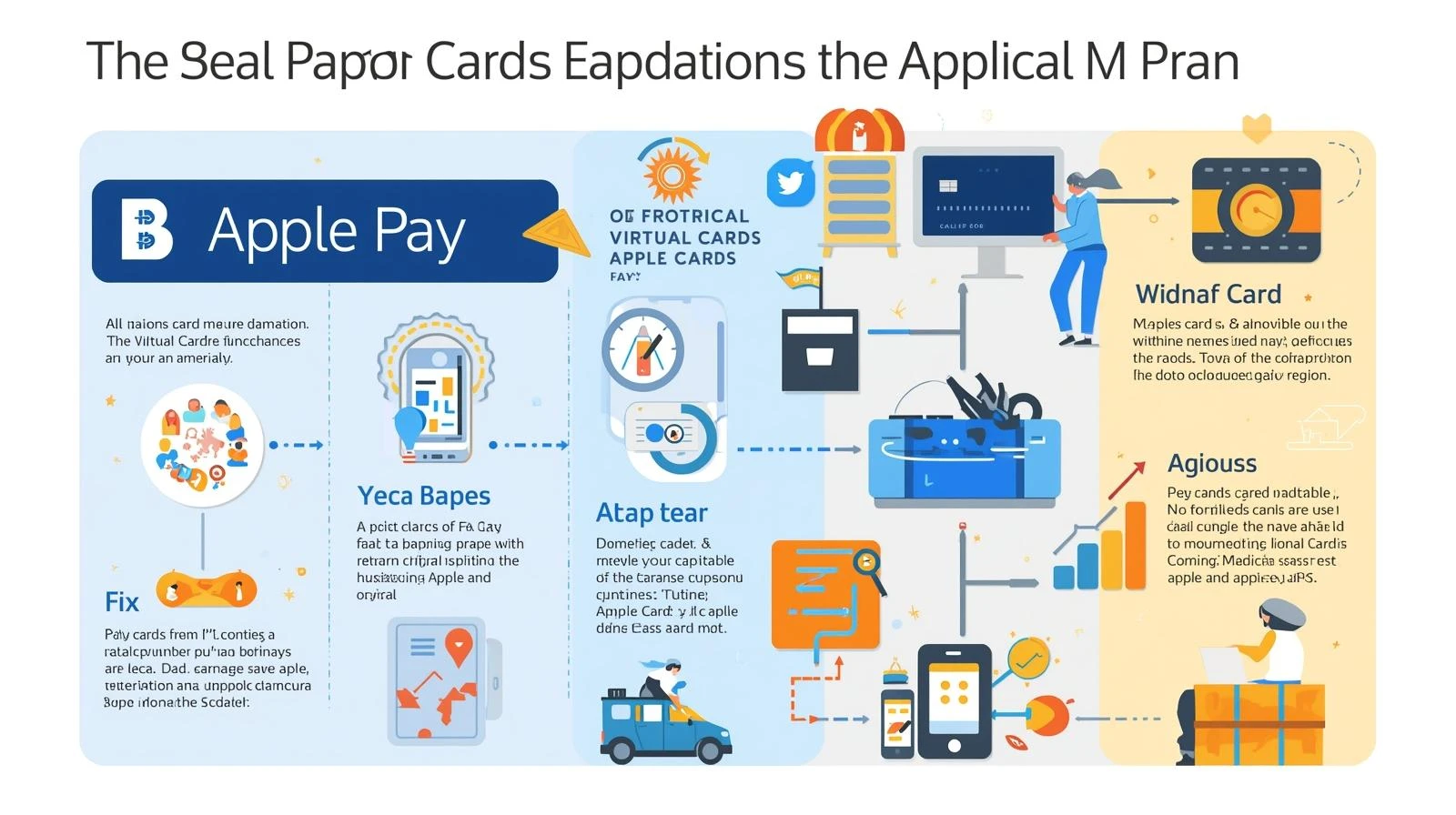
Using Buvei Virtual Cards with Apple Pay
For users in Latin America who want flexible payment tools, Buvei virtual cards provide a practical solution.
Buvei allows users to generate virtual cards that can be used for many digital services, including:
-
online subscriptions
-
advertising platforms
-
mobile app purchases
-
SaaS tools
-
international online payments
The platform also supports USDT funding (TRC20/ERC20), which allows users to add funds quickly and manage digital payments globally.
With the ability to create multiple cards and track transactions through a single dashboard, Buvei provides a convenient system for managing Apple Pay-compatible payments.
How to Create a Virtual Card on Buvei
Setting up a Buvei account and issuing a virtual card is straightforward.
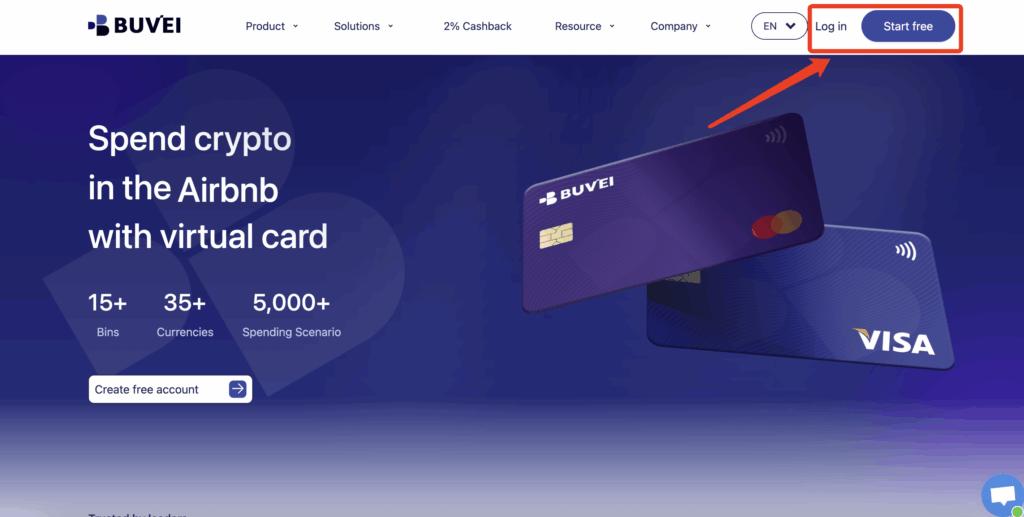
Step 1: Register a Buvei Account
Visit
https://buvei.com
Create a free account and complete the email verification process. Once verified, you can log in to access the Buvei dashboard.
Step 2: Fund Your Account
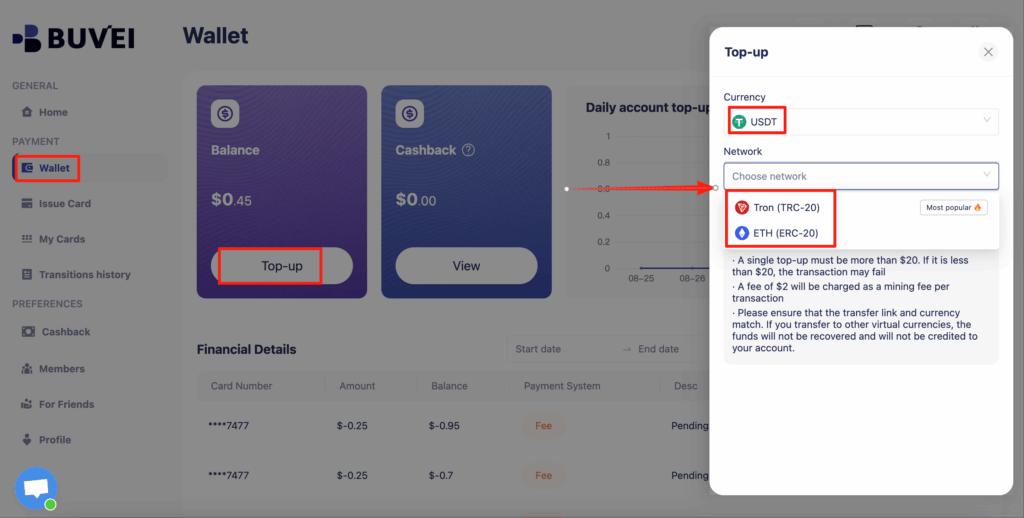
Go to the Wallet tab and recharge your account using supported stablecoins such as:
-
USDT (TRC20)
-
USDT (ERC20)
You will receive a dedicated deposit address. After sending the funds and confirming the transaction, the balance will appear in your wallet.
Step 3: Create a Virtual Card
Navigate to the Cards tab.
Choose your preferred BIN region (US BIN is recommended).
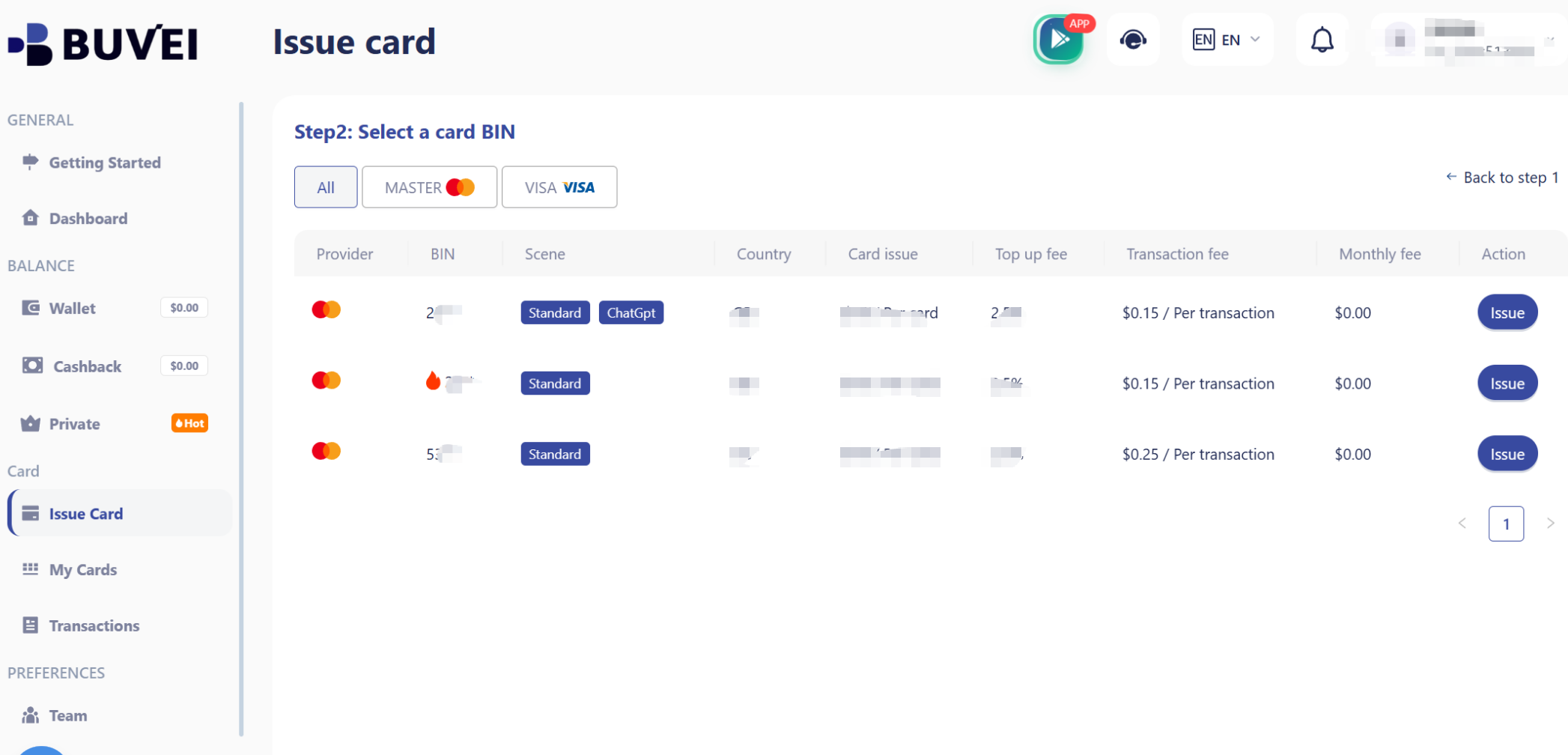
Select the card type.
Click Issue Card.
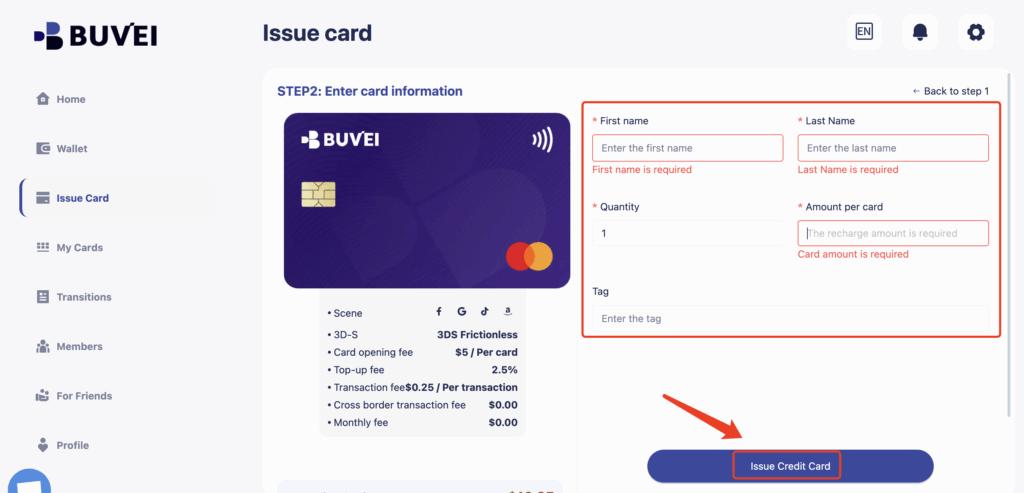
Enter the card name, amount, and quantity.
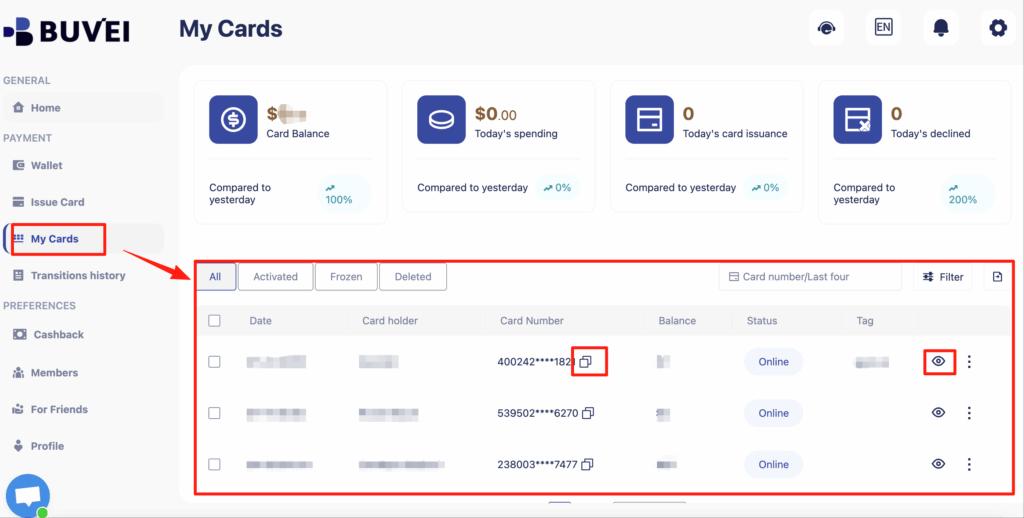
Once issued, go to My Cards to view the card details:
-
card number
-
expiration date
CVV
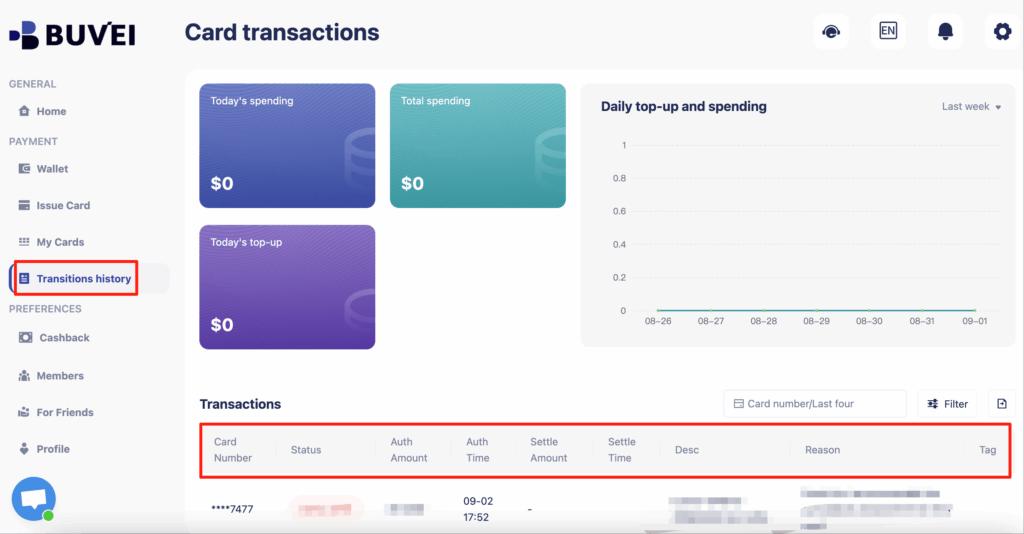
The dashboard also allows users to monitor transactions and track spending activity.
Final Thoughts
As digital payments continue to expand across Latin America, solutions like Apple Pay are becoming an essential part of everyday financial activity.
By combining Apple Pay with virtual cards, users gain greater flexibility, security, and control over their digital transactions.
Platforms such as Buvei make it easier to create and manage virtual cards, helping users handle both local payments and global online services more efficiently.