Native advertising remains one of the most scalable traffic channels for affiliates. However, payment processing on native ad platforms can be challenging—especially for media buyers running multiple accounts or testing aggressively.
Virtual cards have become a common solution for managing billing stability, risk control, and campaign scalability.
This guide explains why native ad payments are difficult, how virtual cards solve these problems, and how affiliates structure their payment setup.
Why Native Ads Payments Are Challenging for Affiliates
Affiliate media buyers often face:
-
Frequent card declines
-
Payment verification issues
-
Sudden ad account suspensions
-
Cross-border billing mismatches
-
Risk flags triggered by high spending velocity
Native ad platforms typically run strict fraud detection systems. If a payment method appears risky or inconsistent, campaigns may pause automatically.
For affiliates scaling across multiple geos, relying on one single bank card is rarely sustainable.
Common Payment Issues on Native Ad Platforms
Across major native networks, affiliates report:
🔹 1. Card Declines
Banks sometimes block high-volume ad spending due to risk algorithms.
🔹 2. Region Mismatch
Billing country not matching traffic geo can trigger review.
🔹 3. Spending Limits
Traditional cards may have daily caps unsuitable for scaling campaigns.
🔹 4. Account Flagging
Repeated failed transactions can lower account trust score.
These issues interrupt campaign momentum and reduce ROI.
How Virtual Cards Solve Native Ads Billing Problems
Virtual cards provide structural advantages:
✔ Multi-Card Setup
Affiliates can assign separate cards to separate ad accounts.
✔ Adjustable Spending Limits
Each card can have defined budgets to control risk.
✔ BIN Flexibility
Selecting different issuing regions can improve compatibility.
✔ Risk Isolation
If one card is flagged, other campaigns remain unaffected.
✔ Faster Replacement
New cards can be issued instantly without waiting for physical delivery.
This approach is widely used in media buying teams.
Step-by-Step: Paying for Native Ads with Virtual Cards
Below is a typical workflow used by affiliates:
Step 1: Open Multiple Virtual Cards
Create separate cards for:
-
Each ad account
-
Each GEO
-
Each testing batch
Step 2: Assign Budget Limits
Set spending limits aligned with campaign testing budgets.
Step 3: Add Card to Ad Platform
Enter card details in the platform billing section.
Step 4: Monitor Spending & Replace if Needed
If performance scales, increase limits or issue new cards.

How to Use Buvei Virtual Cards for Native Ads
For affiliates looking for crypto-funded flexibility, platforms that support USDT funding provide additional convenience.
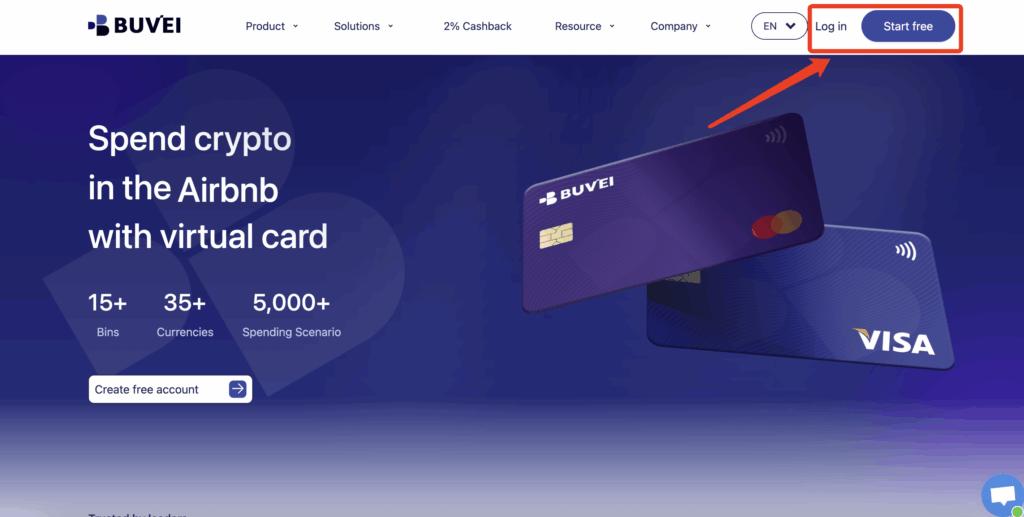
Step 1: Register
-
Visit https://buvei.com
-
Create a free account
-
Verify your email
-
Log into your dashboard
Step 2: Deposit USDT
-
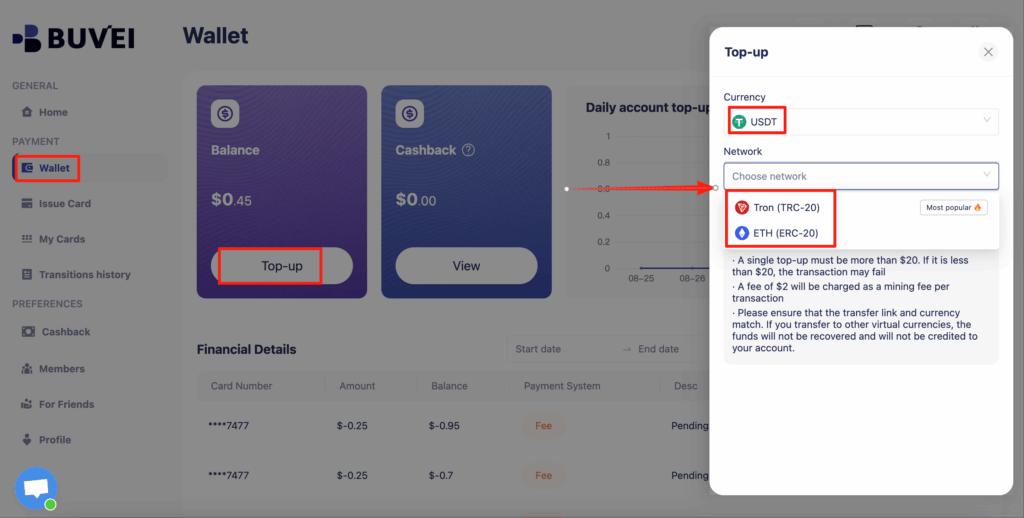
Navigate to Wallet
-
Select USDT (TRC20 or ERC20)
-
Copy your deposit address
-
Transfer USDT
-
Wait for confirmation
Your balance will update automatically.
Step 3: Issue Virtual Cards
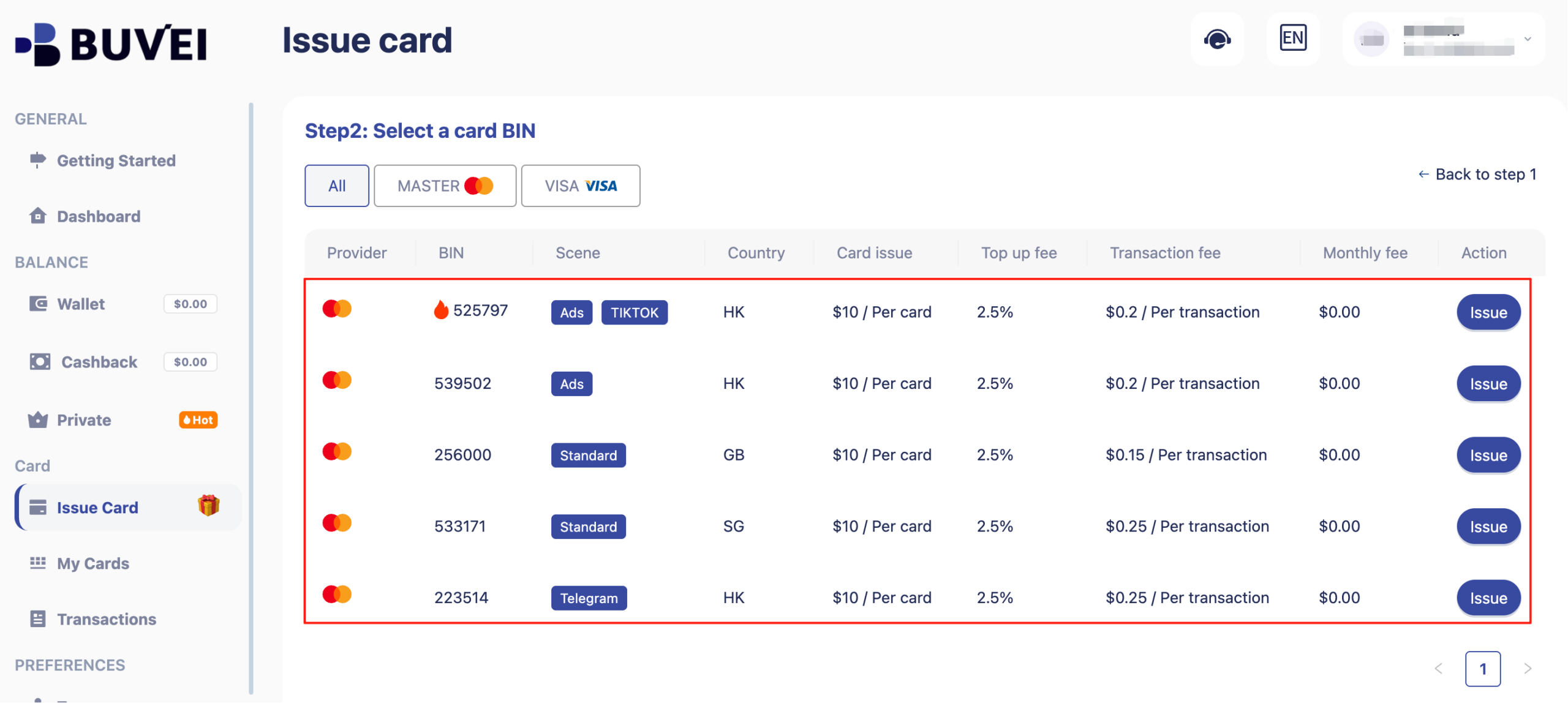
Go to the Cards section
Select preferred BIN region
Choose card type
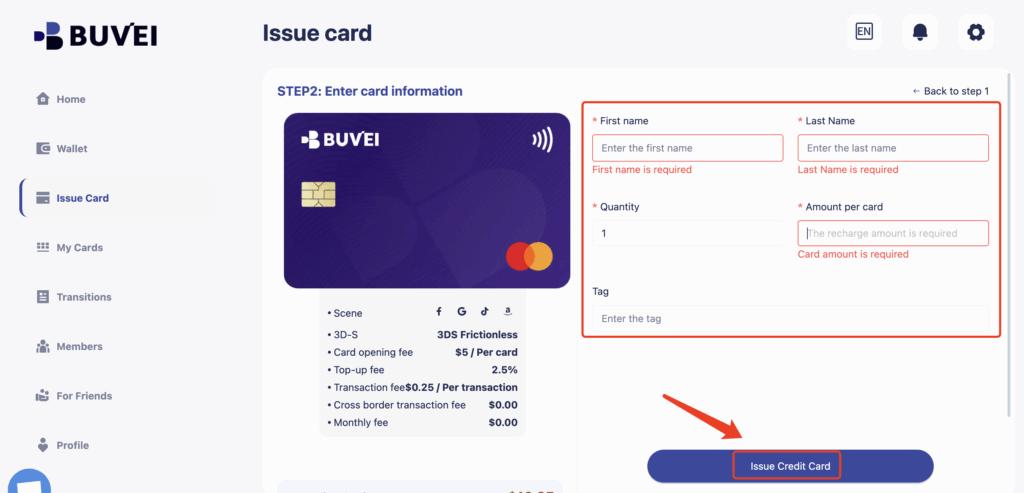
Set spending limit
Click Issue Card
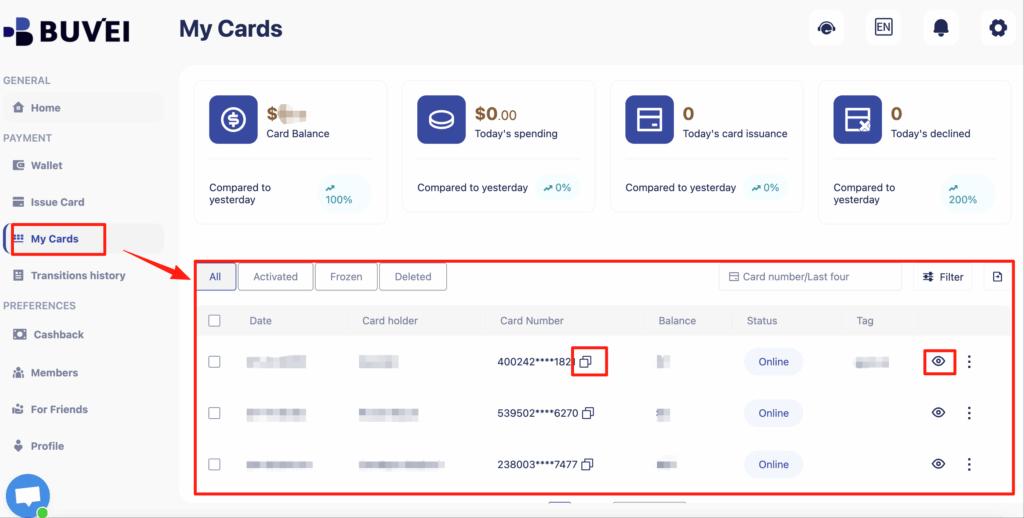
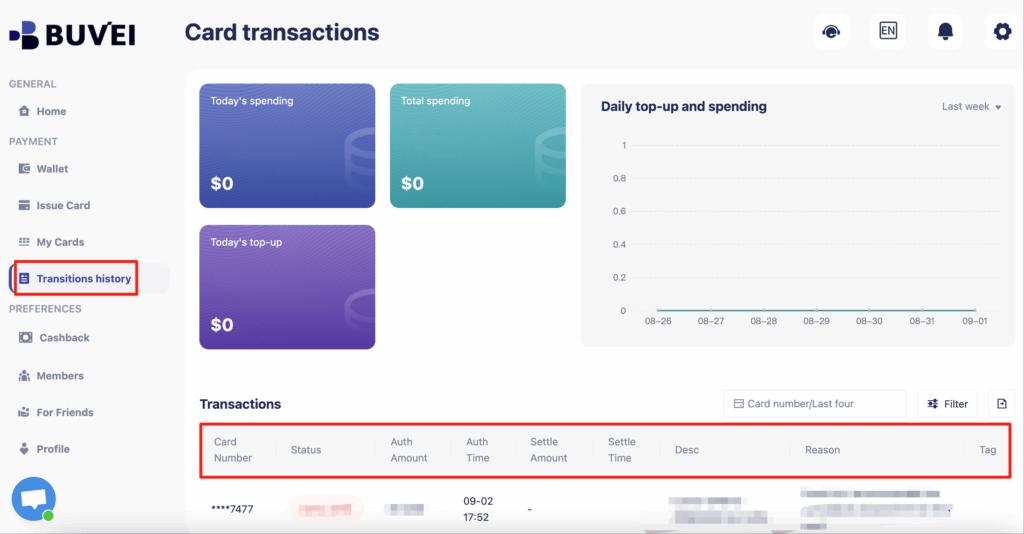
Card details appear in My Cards, ready for use in native ad platform billing.
-
Card number
-
Expiration date
-
CVV
-
Transaction history
Step 4: Structure for Scale
Advanced affiliates often:
-
Use one card per ad account
-
Rotate cards during scaling
-
Monitor transaction logs daily
-
Freeze unused cards
This creates a more resilient ad payment structure.
Best Practices for Scaling Native Campaigns
To maintain stability while scaling:
🔹 Separate Testing and Scaling Budgets
Do not mix aggressive testing with main scaling accounts.
🔹 Track Card Performance
Monitor approval rates and decline patterns.
🔹 Control Spending Velocity
Gradual scaling reduces fraud flags.
🔹 Maintain Clean Billing History
Avoid repeated failed charges.
🔹 Use Structured Risk Management
Multi-card systems reduce total operational risk.
Payment infrastructure is as important as campaign optimization.

Conclusion
Native advertising offers strong ROI potential, but payment stability is critical for affiliates running serious volume.
Virtual cards allow media buyers to isolate risk, control budgets, and maintain billing continuity across multiple accounts.
For users seeking crypto-funded flexibility and structured card management, platforms like Buvei support USDT deposits, instant issuance, and scalable multi-card setups — making them suitable for affiliate-native advertising operations.