Digital gift cards are widely used for online shopping, gaming, and app store purchases. They offer a convenient prepaid payment method without linking a traditional bank account.
However, when it comes to subscriptions, advertising platforms, or SaaS tools, digital gift cards often have limitations. In many cases, virtual cards provide a more flexible alternative.
This guide explains how digital gift cards work, where they are commonly used, and how they compare to virtual cards for online payments.

What Are Digital Gift Cards and How They Work
Digital gift cards are prepaid codes or digital balances issued by retailers or platforms.
They typically:
-
Have a fixed stored value
-
Are redeemable within a specific ecosystem
-
Cannot usually be converted back to cash
-
May have regional usage restrictions
When you redeem a digital gift card, the value is added to your account balance, and purchases are deducted from that balance.
Examples include:
-
Retail store gift cards
-
Gaming platform credits
-
App marketplace balances
They function as prepaid credit within a closed system.

Where Digital Gift Cards Are Commonly Used
Digital gift cards are most commonly used for:
-
E-commerce purchases
-
Gaming platforms
-
Streaming services (when supported)
-
App stores
-
Digital content platforms
They are popular because:
-
No bank account is required
-
They are easy to send as gifts
-
They limit spending to a predefined amount
For one-time purchases within a specific platform, gift cards work well.
Limitations of Using Gift Cards for Online Payments
Despite their convenience, gift cards have important limitations:
-
Often restricted to a single merchant
-
Not compatible with most recurring subscriptions
-
Cannot be used for ad accounts
-
Not accepted for SaaS billing
-
No global merchant compatibility
-
Limited refund flexibility
Most advertising platforms, cloud services, and AI tools do not accept gift cards as payment methods.
Additionally, if a subscription renews and the gift card balance is insufficient, the service may be suspended.
Gift Cards vs Virtual Cards for Subscriptions and Ads
Here is a simplified comparison:
Digital Gift Cards
-
Closed-loop system
-
Limited merchant acceptance
-
Poor support for recurring billing
-
Not suitable for global SaaS or ads
Virtual Cards
-
Operate on Visa/Mastercard networks
-
Accepted by global merchants
-
Compatible with recurring billing
-
Usable for ads, SaaS, AI tools, and subscriptions
-
Flexible funding options
For users managing multiple platforms or international services, virtual cards offer broader compatibility.
Using Buvei Virtual Cards as a Flexible Alternative
For users who need wider online payment coverage, virtual cards provide a practical alternative to gift cards.
Below is the standardized operation guide used across Buvei tutorials.
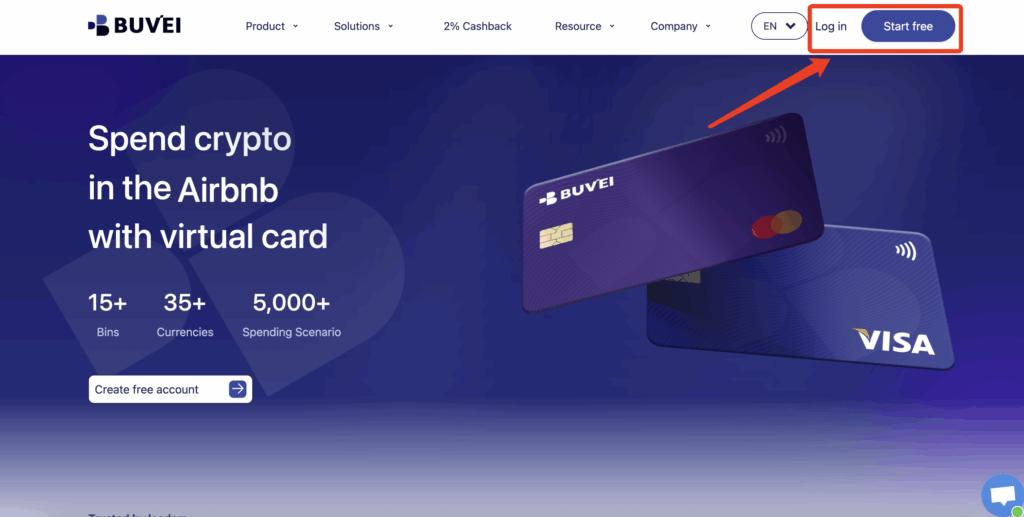
Step 1: Register a Buvei Account
-
Visit https://buvei.com
-
Create a free account
-
Complete email verification
-
Log in to your dashboard
No traditional credit card is required to get started.
Step 2: Fund Your Wallet with Stablecoins
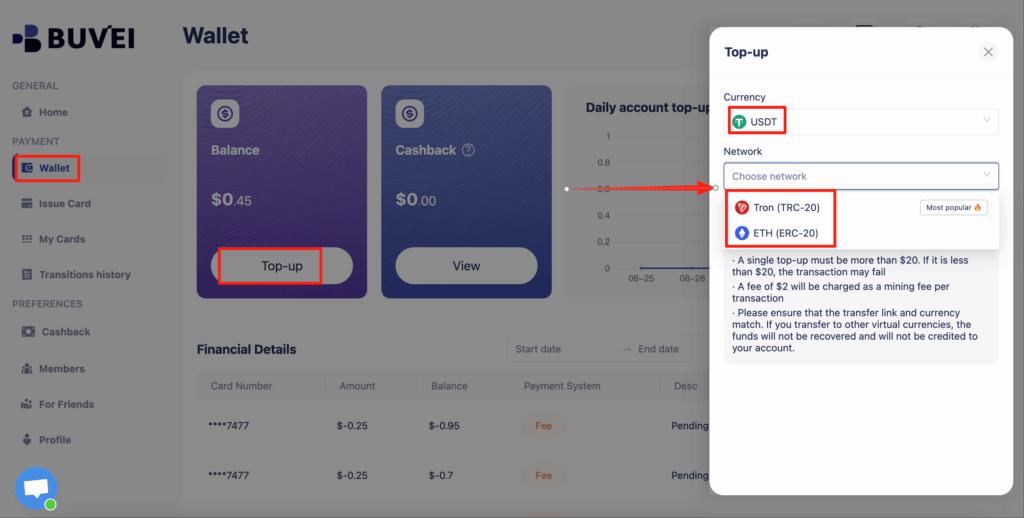
Go to the Wallet tab and deposit:
-
USDT (TRC20)
-
USDT (ERC20)
Once confirmed on-chain, the balance becomes available instantly.
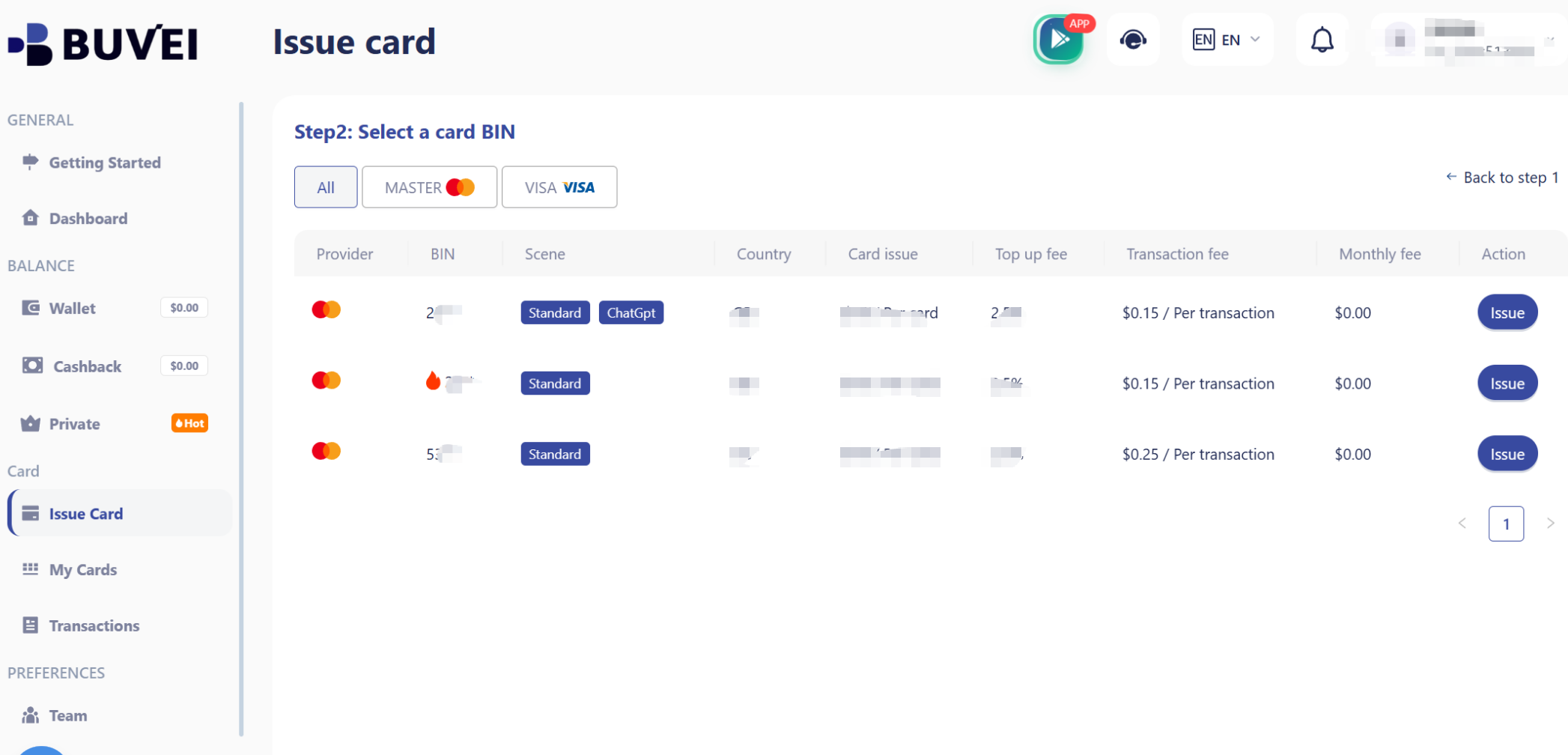
Step 3: Create a Virtual Card
Navigate to the Cards tab:
-
Select your preferred BIN region
-
Choose card type
-
Click Issue Card
Enter the card name and funding amount, then click Create Card.
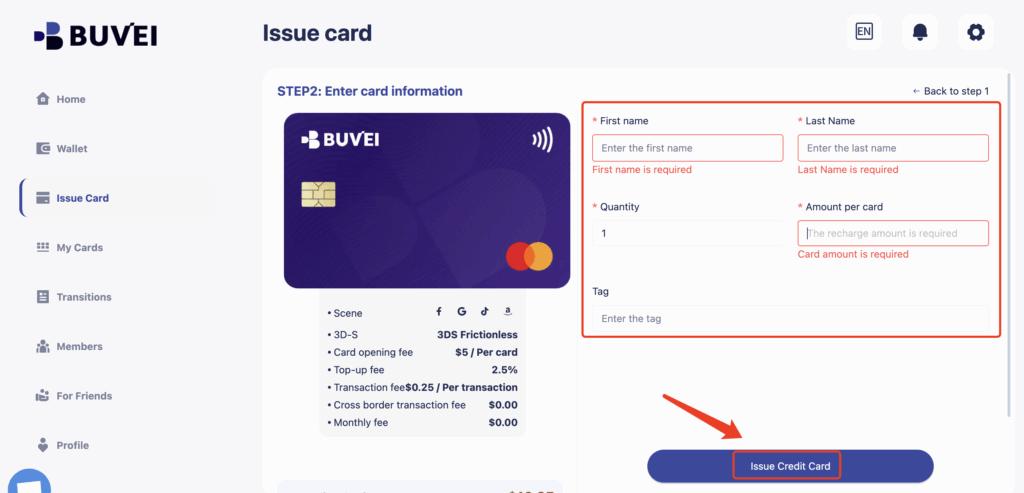
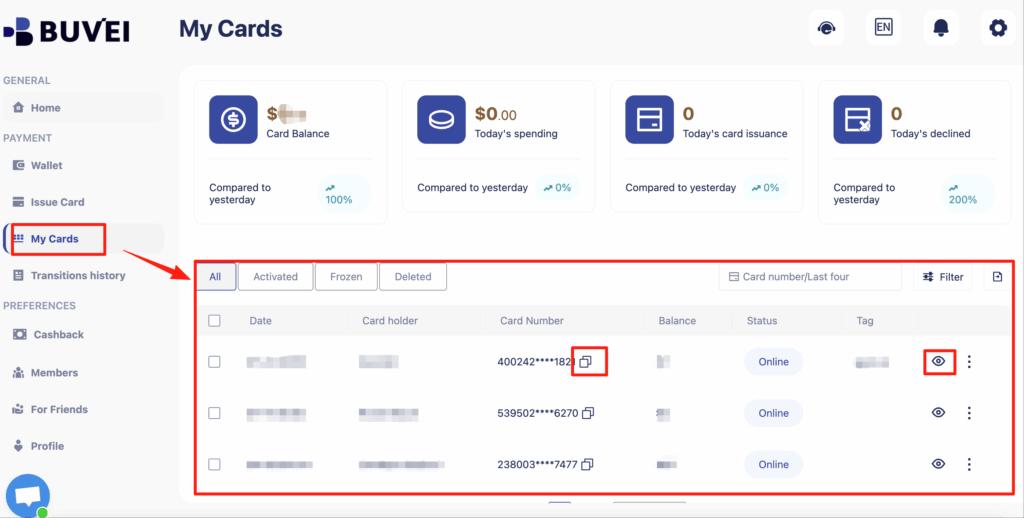
You will instantly receive:
-
Card number
-
Expiration date
-
CVV
-
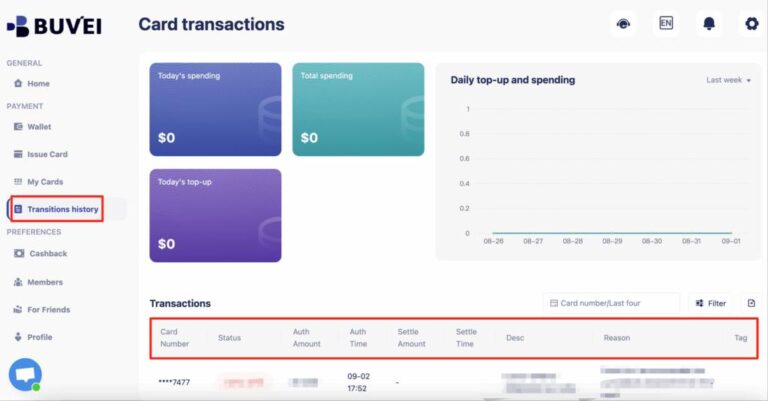
Balance tracking
-
Transaction history
This card can be used for:
-
Global e-commerce
-
SaaS subscriptions
-
Advertising platforms
-
AI tools
-
Cloud services
Unlike gift cards, virtual cards function across multiple merchants.
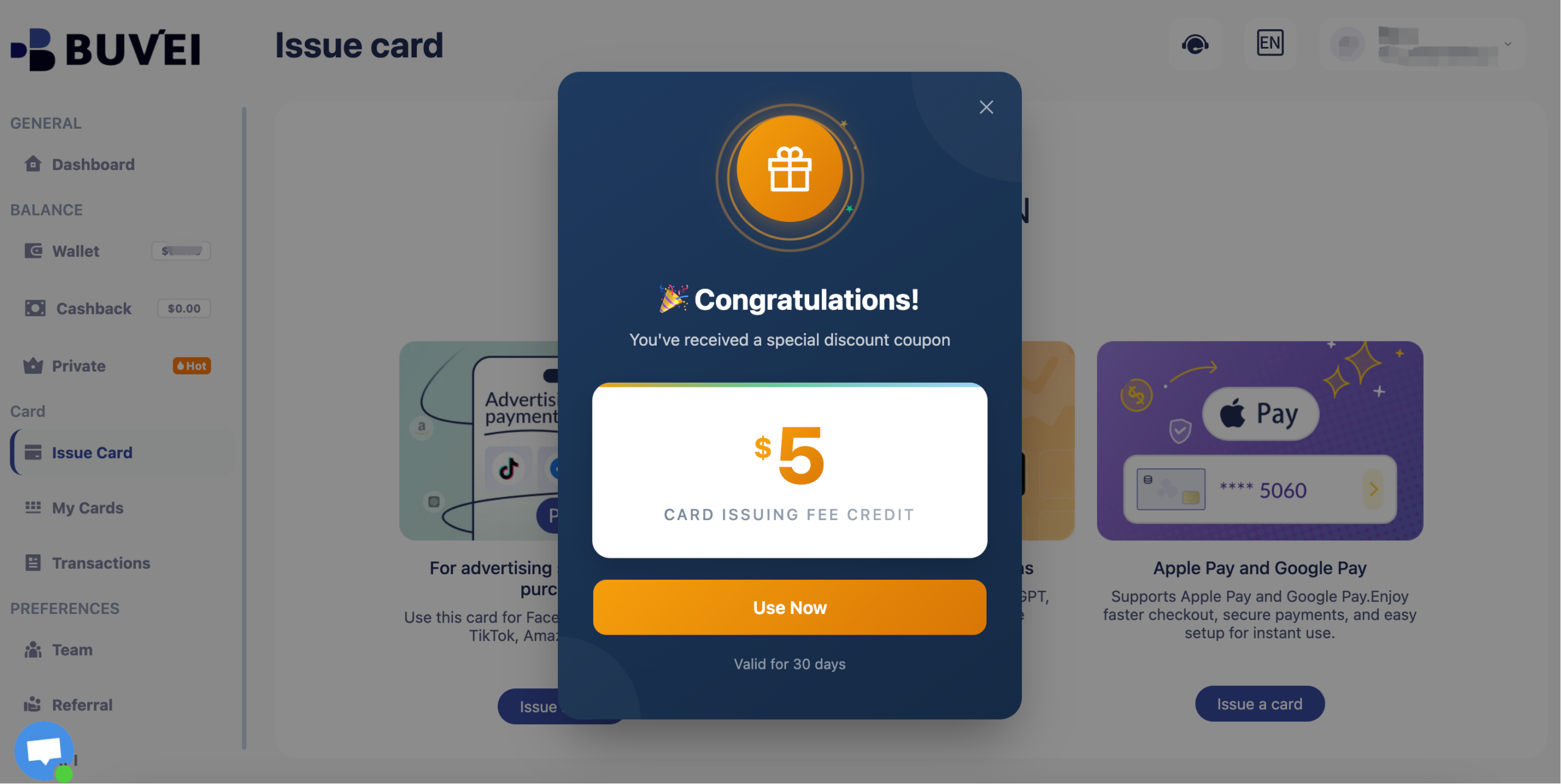
Buvei currently have a promotion: new registered users get a $5 sign-up coupon. You can claim it simply by registering.
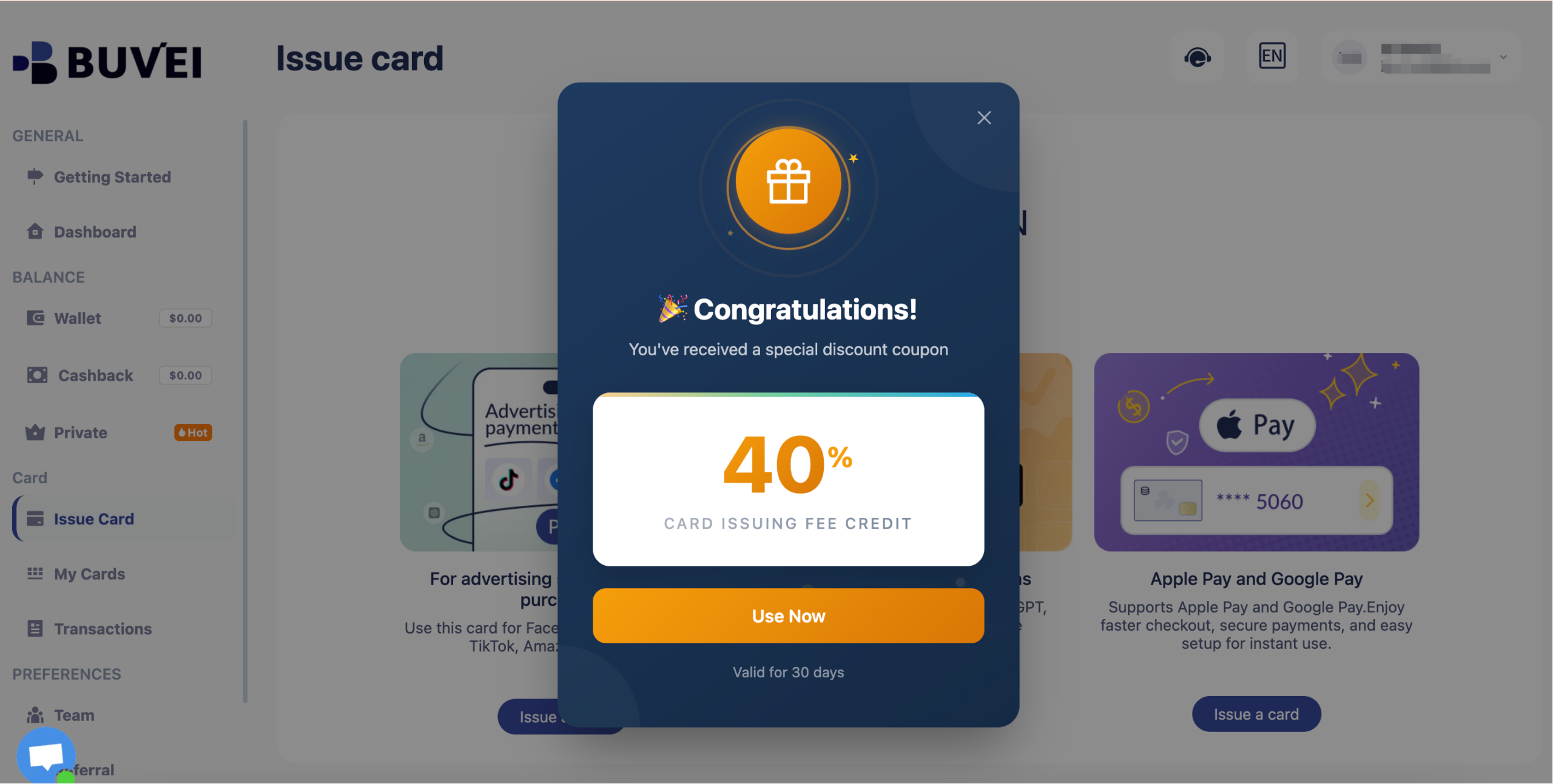
Long-term inactive users will receive a 40% discount coupon.
When to Choose Gift Cards vs Virtual Cards
Choose Digital Gift Cards if:
-
You are buying from a specific retailer
-
You want a one-time prepaid purchase
-
You are gifting someone
Choose Virtual Cards if:
-
You need recurring billing support
-
You use multiple global platforms
-
You manage ad accounts or SaaS tools
-
You want broader merchant acceptance

Final Thoughts
Digital gift cards are convenient for closed-platform purchases, but they are limited for broader online payments.
For subscriptions, ads, and cross-border SaaS usage, virtual cards offer:
-
Greater flexibility
-
Better compatibility
-
Recurring billing support
-
Controlled spending management
With structured virtual card solutions like Buvei, users gain significantly more payment flexibility compared to traditional digital gift cards.