In 2026, AI tools are no longer optional. From code generation to image creation, subscriptions to platforms like OpenAI, Anthropic (Claude), and Midjourney are part of daily workflows for developers, creators, and startups.
But as adoption grows, so do payment problems. Card declines, regional blocks, and recurring billing failures are increasingly common—especially for international users.
This guide breaks down the best virtual cards for AI subscriptions, what makes them work, and how to choose a reliable setup for long-term AI billing stability.

Why AI Subscriptions Often Reject Payments
AI platforms rely heavily on US-based payment processors and strict fraud detection systems. That combination can create friction.
Common reasons for payment failures include:
-
Cross-border transaction blocks
-
Bank fraud filters triggered by SaaS billing
-
Incompatible BIN (Bank Identification Number)
-
3D Secure authentication failures
-
Recurring billing authorization errors
If you’ve encountered an AI subscription payment declined fix search query, chances are the issue isn’t insufficient funds—it’s how the transaction is classified and routed.
AI tools are high-frequency digital services. That alone increases risk scoring in many banking systems.
Payment Requirements of Major AI Platforms
OpenAI
Subscriptions such as ChatGPT Plus or API usage require internationally enabled cards. Many users search for the best payment method for OpenAI subscription due to frequent regional blocks.
Claude (Anthropic)
Claude subscriptions often process through US-based gateways. A compatible virtual card for Claude AI improves approval rates.
Midjourney
Operating primarily through Discord-based subscriptions, Midjourney still relies on card authorization systems that may reject non-US cards. Many users look for ways to pay for Midjourney without a US card.
Across these platforms, approval rates improve when:
-
The card supports international e-commerce
-
The BIN aligns with US processors
-
Recurring billing is pre-authorized
What Makes a Virtual Card Work for AI Billing
Not all virtual cards are suitable for AI subscriptions. The best virtual cards for AI subscriptions typically offer:
Multi-BIN Support
Cards issued across multiple regions increase compatibility.
Stable SaaS Approval History
Some providers are optimized for digital subscriptions rather than retail transactions.
Crypto Funding Options
A USDT virtual card for AI tools allows fast top-ups and fewer cross-border delays.
Dedicated Card Issuance
Using one card per AI platform reduces risk scoring overlap.
Clear Transaction Monitoring
Real-time dashboards prevent accidental renewal failures.
Without these features, users risk recurring billing interruptions and unnecessary downtime.
Comparing Virtual Cards for AI Subscriptions
When evaluating providers, consider the following:
| Feature | Why It Matters |
|---|---|
| Multi-BIN availability | Improves approval on US-based processors |
| Recurring billing support | Prevents subscription lapses |
| Crypto funding (USDT) | Enables global access |
| Card isolation | Reduces account-wide payment risks |
| Transparent fees | Protects subscription margins |
Avoid providers that:
-
Issue single-region BIN cards only
-
Restrict SaaS usage
-
Frequently rotate card credentials
-
Lack clear dashboard reporting
A reliable virtual cards for AI billing setup should prioritize stability over novelty.
Why Buvei Virtual Cards Fit AI Subscription Payments
For users seeking a reliable payment solution for AI platforms, Buvei virtual cards align with common AI billing requirements.
Key advantages include:
-
Multi-BIN card issuance
-
USDT (TRC20/ERC20) wallet funding
-
Dedicated card allocation per platform
-
Real-time spend tracking
-
PCI DSS compliance
Step-by-Step: How to Get a Buvei Virtual Card for AI Subscriptions
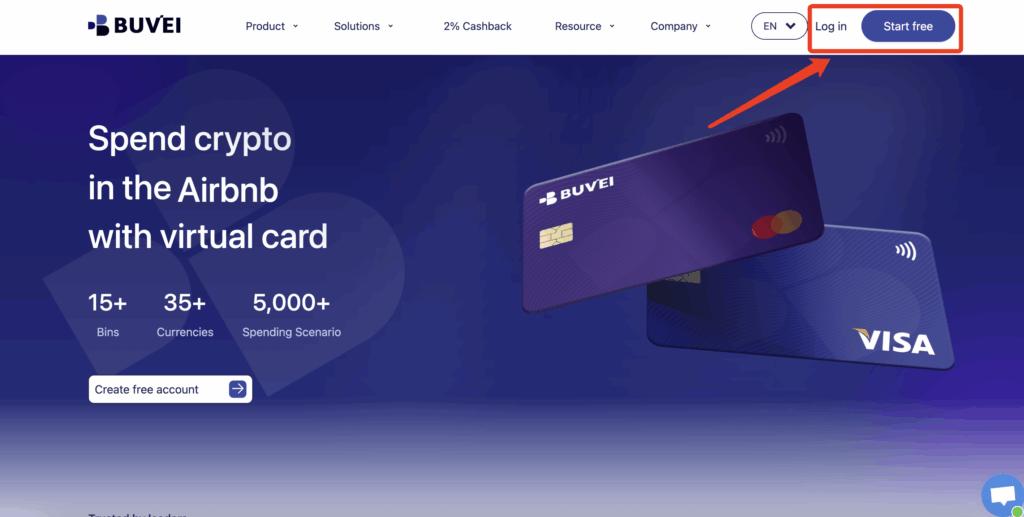
Step 1: Create Your Buvei Account
-
Visit https://buvei.com
-
Click Sign Up and create a free account
-
Complete email verification
-
Log in to access the dashboard
You’ll now have access to wallet and card management tools.
Step 2: Fund Your Wallet with USDT
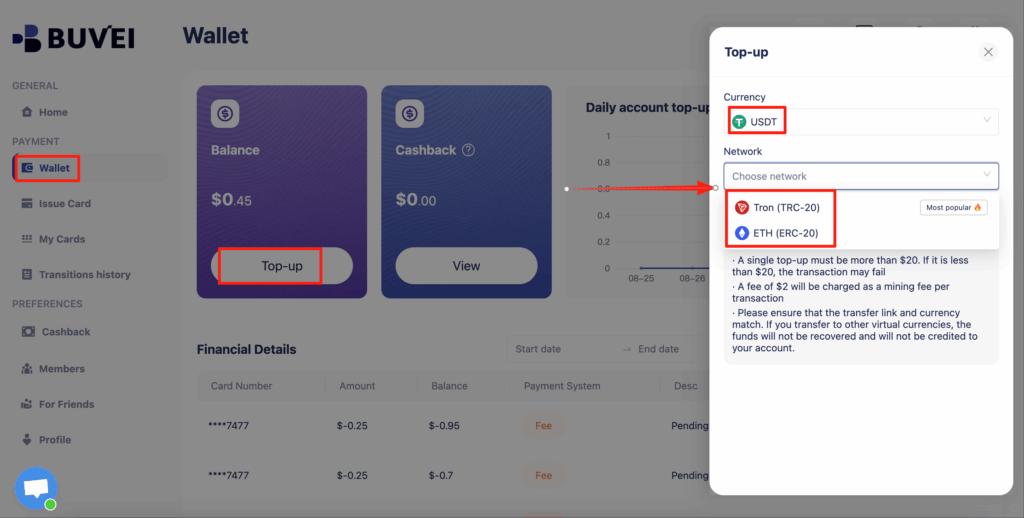
-
Go to the Wallet tab
-
Choose USDT (TRC20 or ERC20)
-
Copy your dedicated deposit address
-
Transfer funds
-
Wait for blockchain confirmation
Once confirmed, your balance appears and is immediately available.
Step 3: Create Your Virtual Card
Navigate to the Cards tab
Select your preferred BIN region (US BIN recommended for AI platforms)
Choose card type
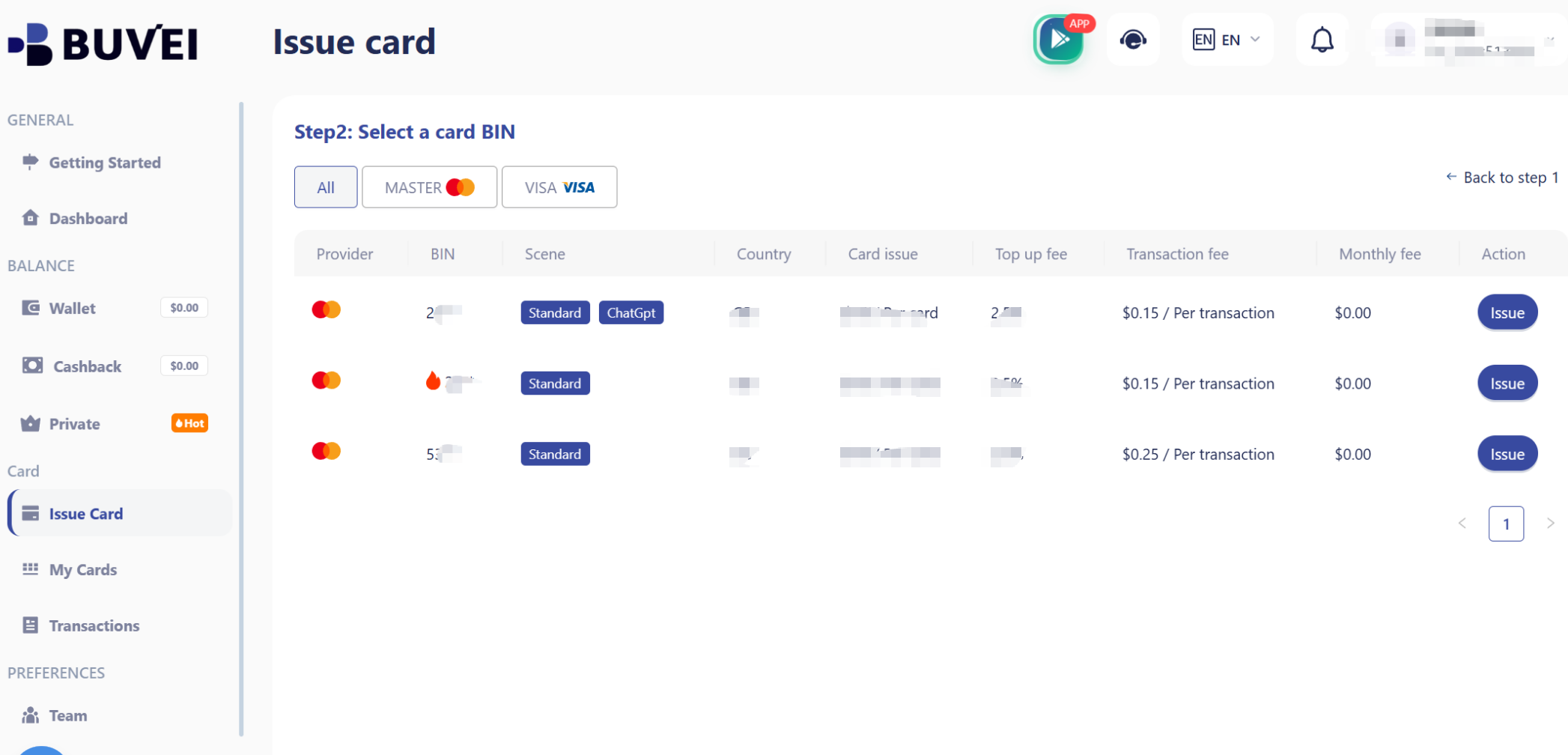
Click Issue Card
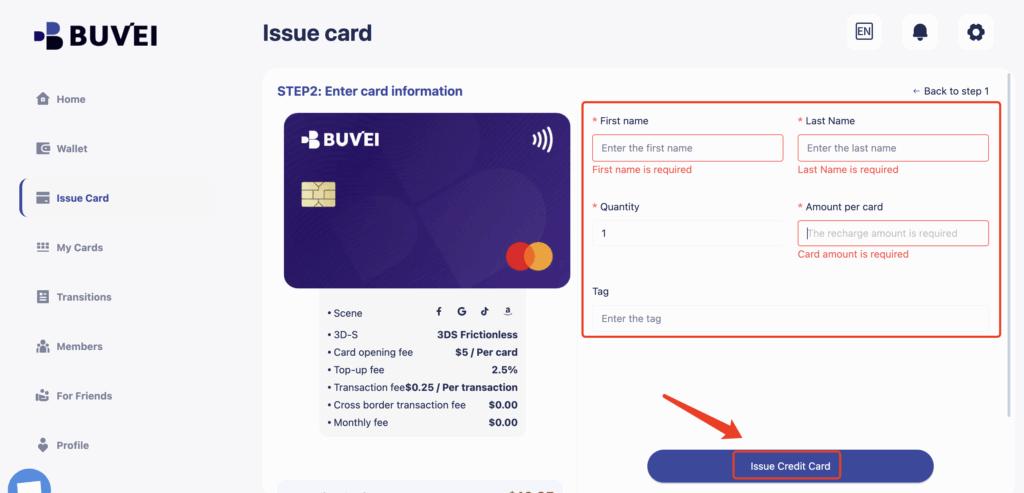
Enter:
-
-
Card name (e.g., “OpenAI Subscription”)
-
Funding amount
-
Card quantity
-
Confirm issuance
After creation, go to My Cards to view:
-
Card number
-
Expiration date
-
CVV
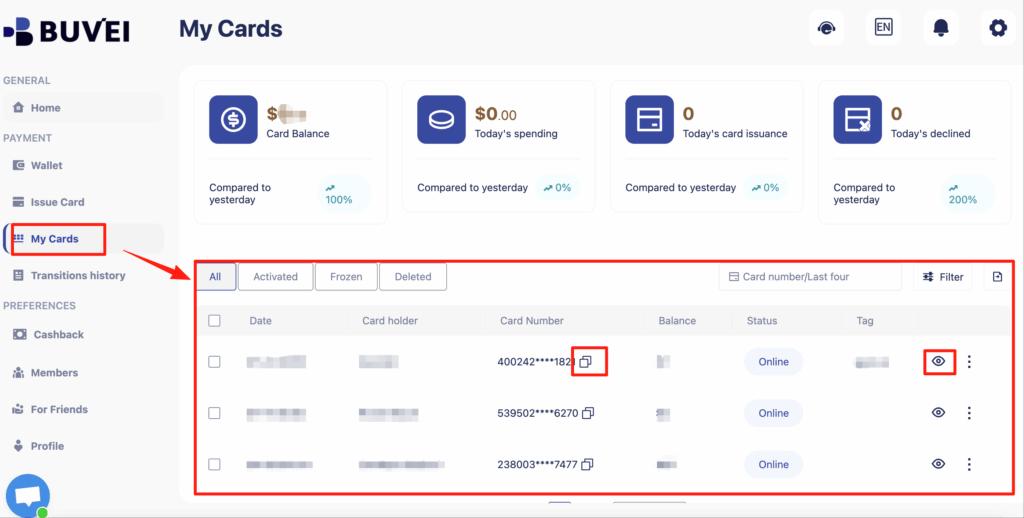
-
Transaction history
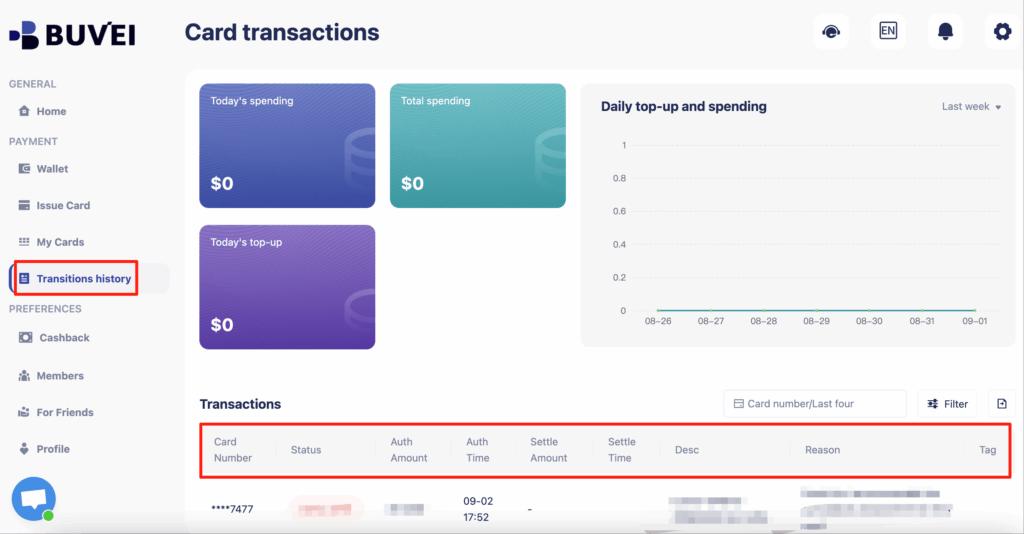
-
Top-up and spending overview
You can monitor recurring charges and balances in real time.

Final Thoughts
As AI platforms become foundational infrastructure in 2026, stable payments matter as much as model performance. Choosing the best virtual cards for AI subscriptions isn’t about convenience—it’s about reliability.
By selecting compatible BINs, isolating subscriptions, and funding efficiently via crypto-enabled systems, users can build a resilient virtual cards for AI billing framework.
In an ecosystem where AI tools power productivity, the simplest competitive advantage may be this: your subscription works every single month—without surprises.