Online payments in Thailand have improved significantly in recent years, but international transactions, subscriptions, and ad payments still fail far more often than users expect. Whether you’re paying for global SaaS tools, running ads, or shopping on overseas platforms, choosing the right virtual card can make the difference between smooth payments and constant declines.
This guide explains the best way to use virtual cards in Thailand, what challenges local users face, which features matter most, and how to create a reliable virtual card step by step using Buvei.

Online Payment Challenges in Thailand
Thai users frequently encounter issues when paying international merchants, even with valid local debit or credit cards.
Common challenges include:
-
Local cards blocked for overseas transactions by default
-
Inconsistent 3D Secure support
-
Merchant restrictions on Thai-issued BINs
-
Subscription renewals failing without notice
-
FX markups and unclear exchange rates
These problems are especially common on platforms like Google Ads, Meta Ads, Apple services, SaaS tools, and global e-commerce sites.
Local vs International Card Acceptance Issues
While Thai banks work well for domestic payments, international platforms often apply stricter risk rules.
Typical differences include:
-
Local cards
-
Strong domestic acceptance
-
Higher decline rates overseas
-
Limited control over spending and renewals
-
-
International virtual cards
-
Issued on Visa/Mastercard global networks
-
Higher acceptance on global platforms
-
Better support for subscriptions and recurring billing
-
For users who regularly pay non-Thai merchants, virtual cards provide a much more stable payment layer.
Features to Look for in Virtual Cards for Thai Users
Not all virtual cards perform equally well for Thailand-based users. The most reliable options share several key characteristics.
Important features include:
-
International BINs (US or EU preferred)
-
Visa or Mastercard network support
-
No mandatory local bank linkage
-
Support for subscriptions and recurring payments
-
Adjustable balances and spending control
-
Clear transaction history
These features reduce declines and give users more control over cross-border payments.
Multi-Currency Support and FX Rates
Currency handling is one of the biggest hidden costs in online payments.
Without multi-currency support, users may face:
-
Double currency conversion
-
Unfavorable exchange rates
-
Additional fees from both merchant and issuer
Virtual cards that support USD-based balances often perform best, especially for SaaS, ads, and international shopping. Transparent FX handling also makes expense tracking easier for freelancers and businesses.
Popular Use Cases: Ads, Travel, and SaaS
Virtual cards are widely used in Thailand for specific high-friction payment scenarios.
Common use cases include:
-
Running Google Ads, Meta Ads, TikTok Ads
-
Paying for cloud services and AI tools
-
Booking international flights and hotels
-
Subscribing to software and digital platforms
-
Managing online shopping on foreign websites
In these scenarios, virtual cards reduce declines and simplify recurring payments.
Creating Spend-Controlled Virtual Cards with Buvei
Buvei is designed for users who need flexibility, speed, and strong cost control across international platforms.
Here’s how to get started.
Step 1: Register a Buvei Account
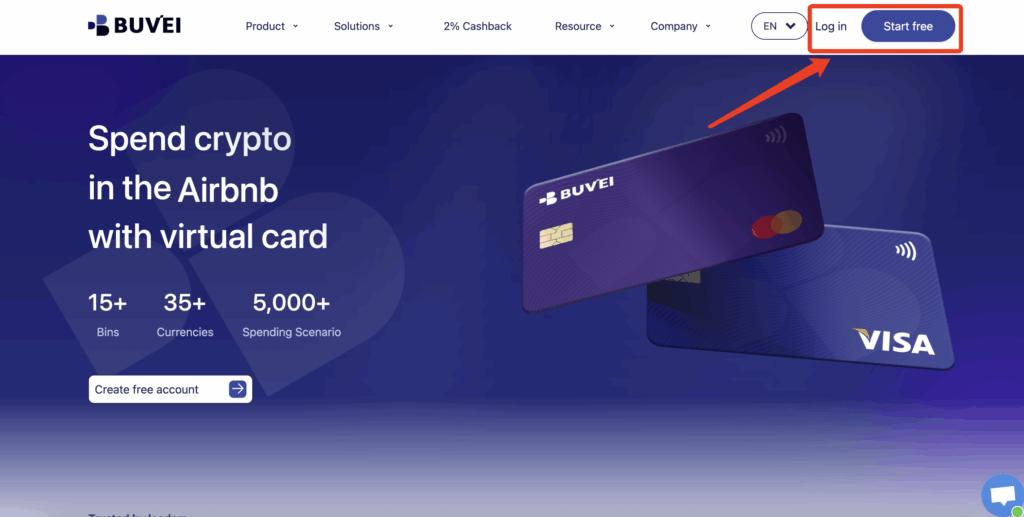
Visit https://buvei.com and create a free account.
Complete email verification and log in to your dashboard.
Step 2: Fund Your Wallet
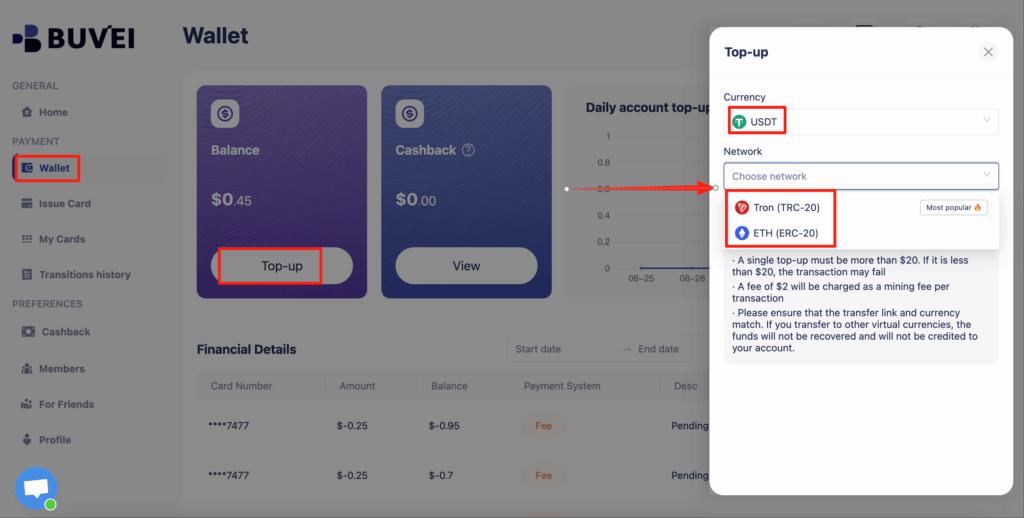
Go to the Wallet tab and top up using supported stablecoins:
-
USDT (TRC20)
-
USDT (ERC20)
Buvei provides a dedicated deposit address. Once the transaction is confirmed on-chain, your balance becomes available instantly.
Step 3: Create a Virtual Card
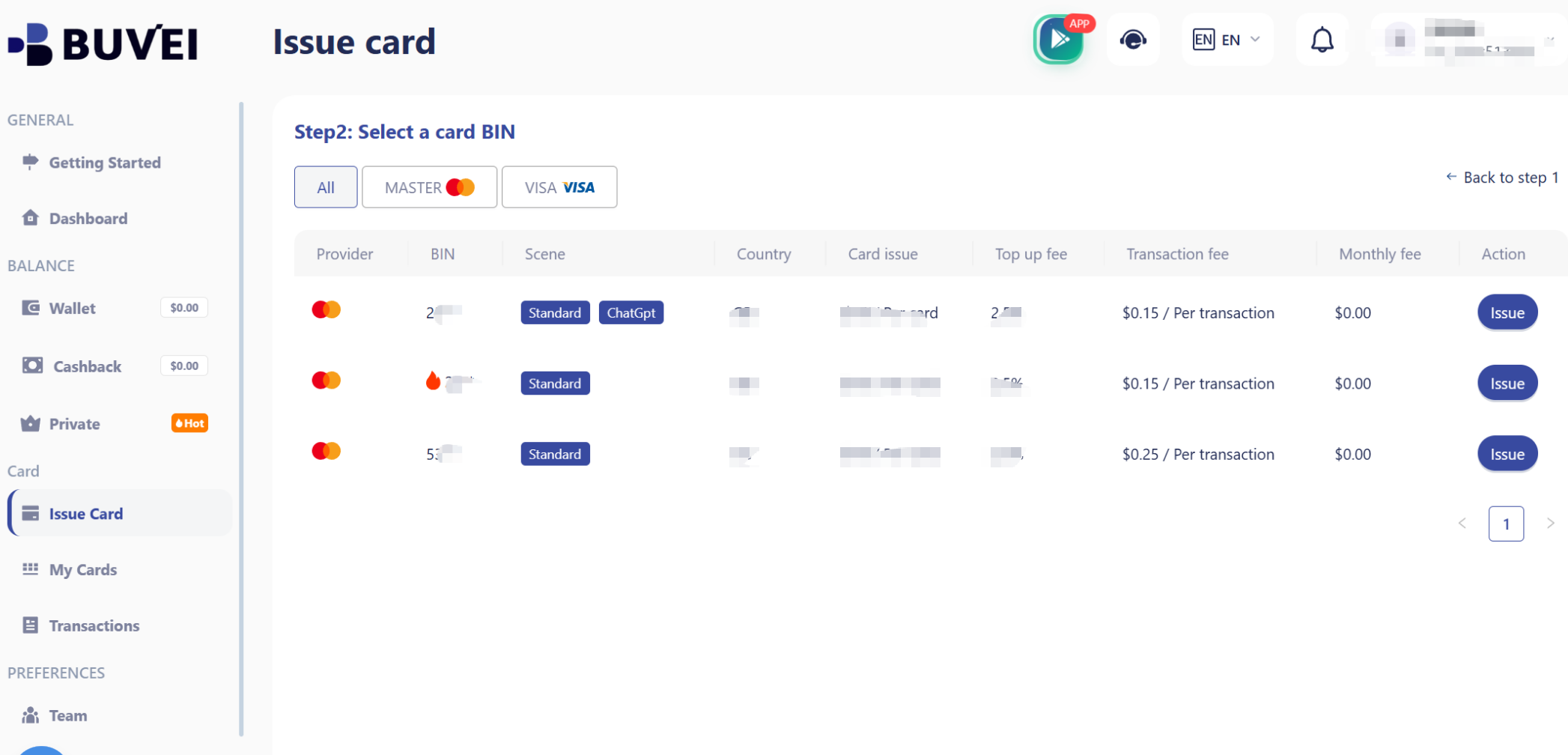
Navigate to the Cards tab:
-
Select your preferred BIN region (US BIN recommended for international merchants)
-
Choose card type
-
Click Issue Card
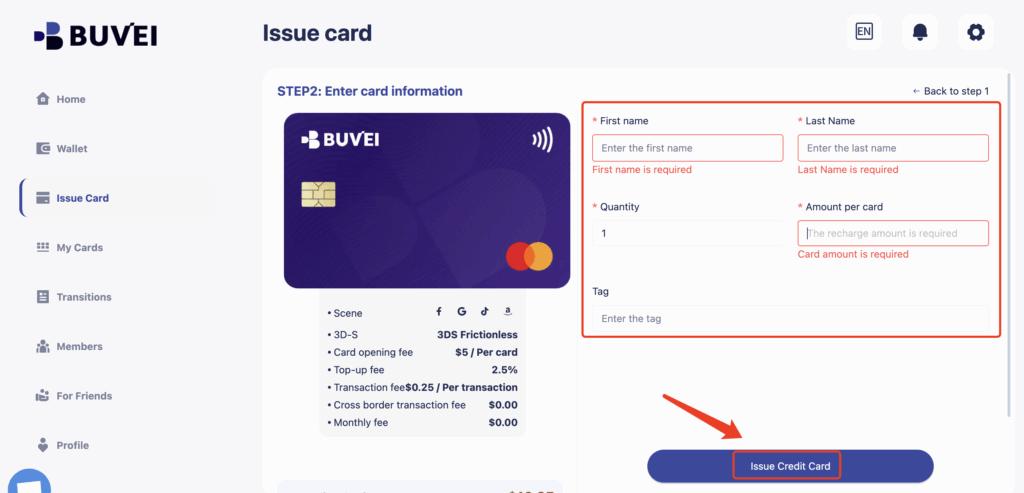
Enter the card name, initial amount, and number of cards, then click Create Card.
You’ll immediately see:
-
Card number
-
Expiration date
-
CVV
-
Transaction history
-
Card balance and usage
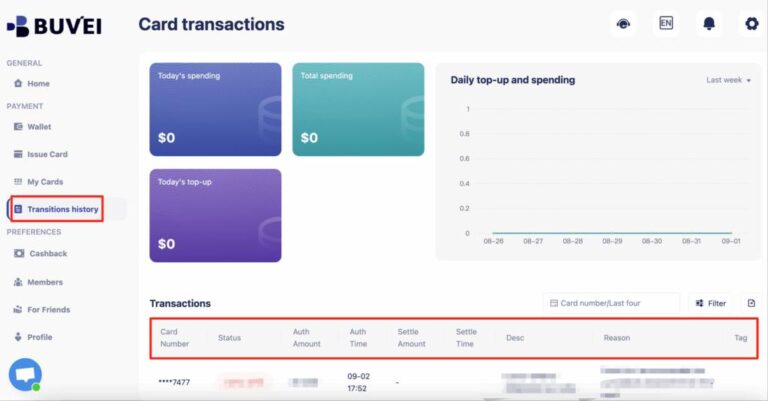
This structure makes Buvei virtual cards especially effective for Thai users managing international payments and subscriptions.
Buvei currently have a promotion: new registered users get a $5 sign-up coupon. You can claim it simply by registering.
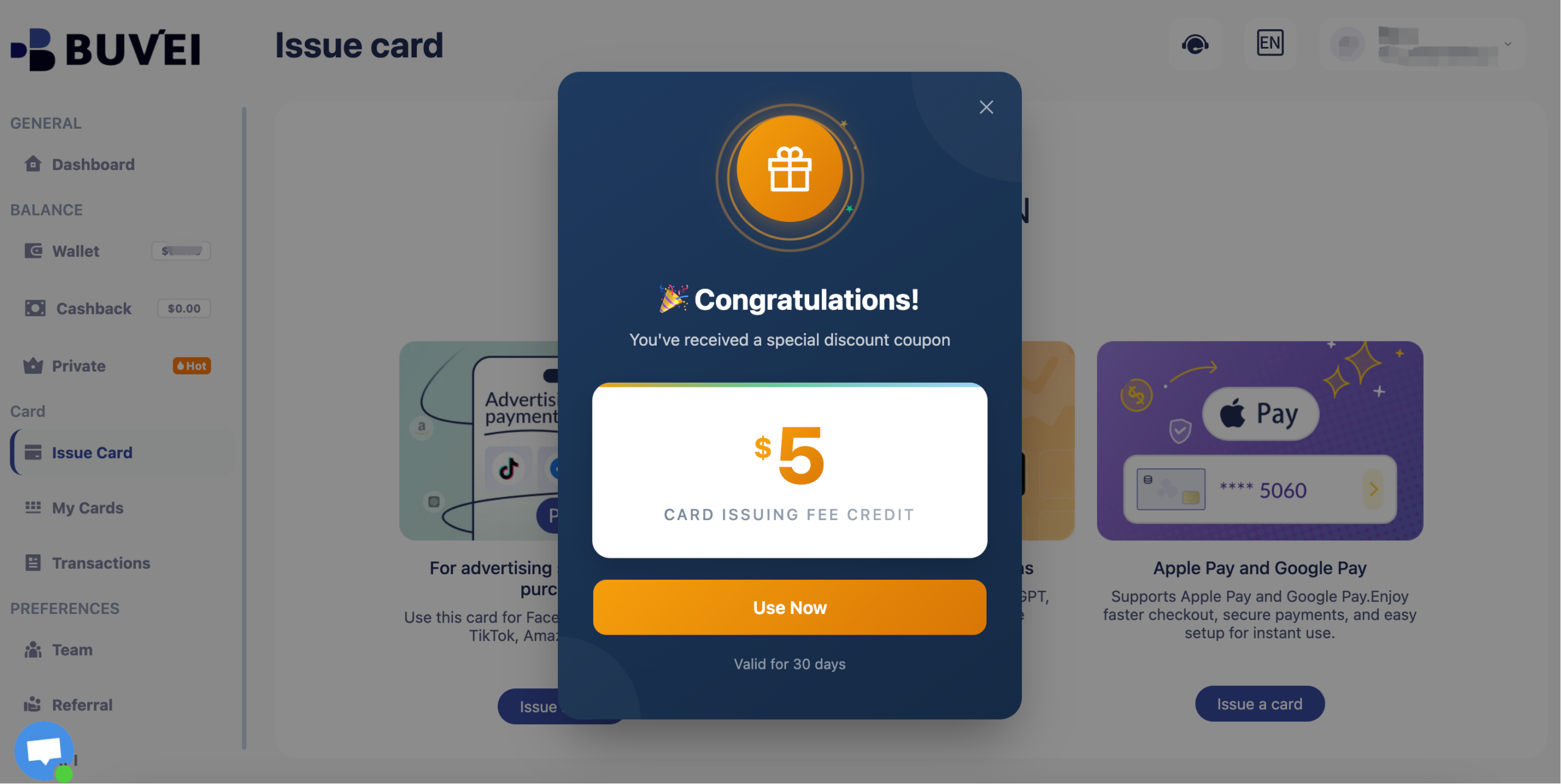
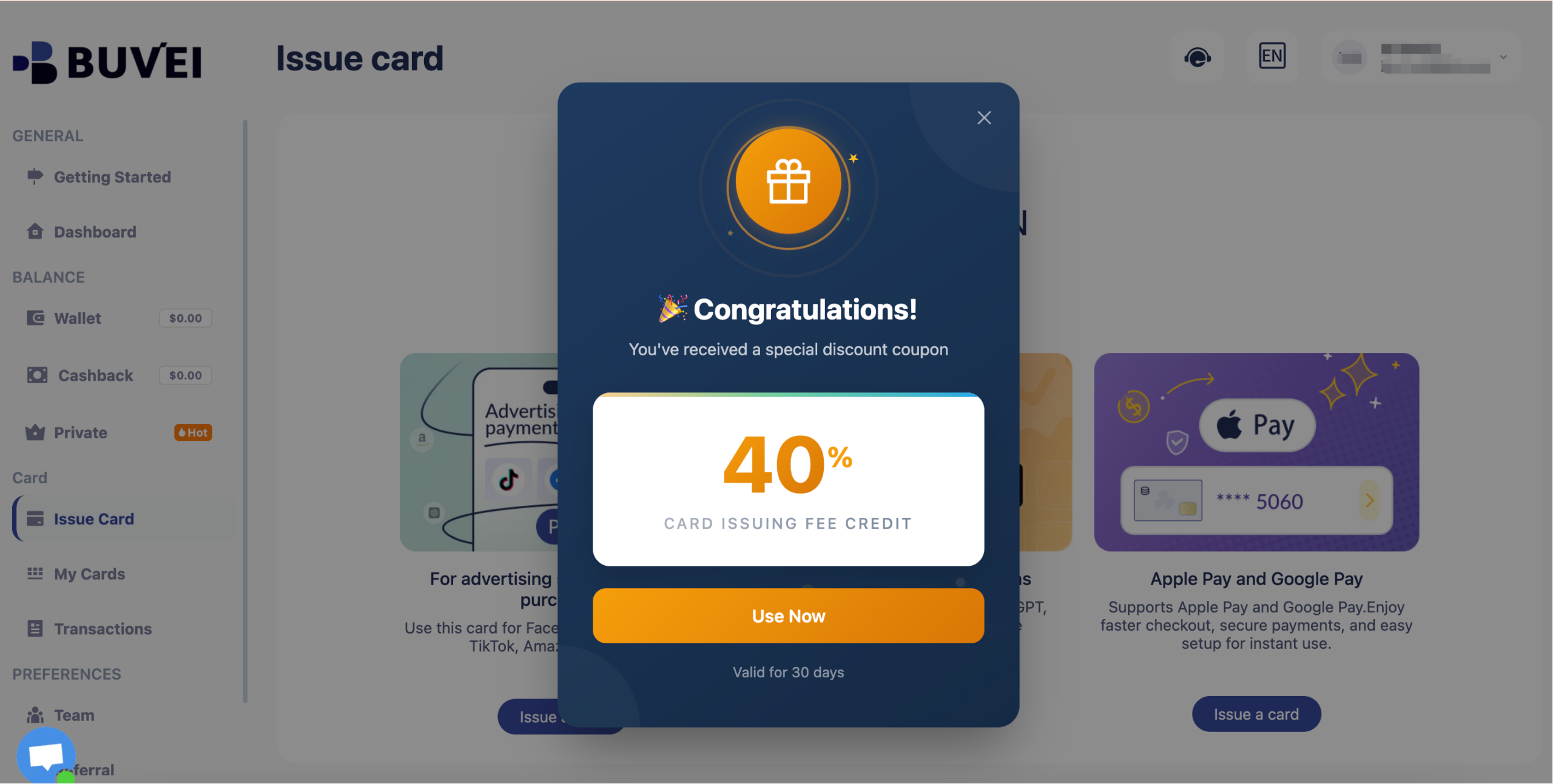
Long-term inactive users will receive a 40% discount coupon.
Tips to Avoid Declined International Payments
Even with a good virtual card, setup matters.
Best practices include:
-
Use one card per platform or subscription
-
Start with small test payments
-
Avoid VPNs during checkout
-
Keep sufficient balance for renewals
-
Monitor transaction logs regularly
Following these steps significantly improves long-term payment success.

Final Thoughts
For users in Thailand, virtual cards are no longer optional—they’re essential for reliable international payments. Local bank cards still struggle with global platforms, while virtual cards offer better acceptance, clearer control, and smoother renewals.
With a structured setup using Buvei, Thai users can pay globally with fewer declines, better budgeting, and far less friction.