As embedded finance continues to reshape digital products, more platforms are integrating payment capabilities directly into their ecosystems. At the center of this shift is the virtual card issuance API—a programmable infrastructure that allows developers to create, manage, and scale payment cards without building a banking stack from scratch.
For SaaS platforms, marketplaces, ad tech companies, and fintech startups, issuing cards programmatically is no longer a competitive advantage—it’s becoming table stakes.
This guide explains how developer card issuing APIs work, what features matter most, and how to architect a scalable card program.

What a Virtual Card Issuance API Is
A virtual card issuance API enables platforms to generate payment cards on demand through code.
Instead of relying on traditional bank workflows, developers can:
-
Create cards instantly
-
Assign spending controls
-
Fund cards programmatically
-
Monitor transactions in real time
-
Freeze or terminate cards
Think of it as payments infrastructure exposed via REST endpoints.
Typical architecture includes:
-
Issuing bank partner
-
Card network (Visa/Mastercard)
-
Processor
-
API layer
-
Developer dashboard
This abstraction dramatically reduces time-to-market.
Common Developer Use Cases
Virtual card APIs are widely used across modern software ecosystems:
Ad Tech Platforms
Issue cards to advertisers for controlled campaign spend.
Marketplaces
Provide seller payout cards or buyer spending cards.
Expense Management Tools
Generate employee cards with preset limits.
Subscription Platforms
Create isolated billing cards for vendor payments.
Crypto-Native Businesses
Bridge digital assets into traditional payment rails.
The key advantage is programmability combined with financial control.
Authentication and Security Requirements
Because card issuing touches regulated financial infrastructure, security is non-negotiable.
Best practices include:
-
OAuth or API key authentication
-
IP allowlisting
-
End-to-end encryption
-
PCI DSS compliance
-
Role-based access control
Developers should also design internal safeguards such as:
-
Spend anomaly detection
-
Velocity limits
-
Automated card freezes
Security architecture should scale alongside transaction volume.
Scaling and Monitoring Issued Cards
As programs grow, manual oversight becomes unsustainable.
Developers should implement:
-
Automated issuance workflows
-
Balance alerts
-
Real-time dashboards
-
Retry logic for failed transactions
-
Usage analytics
Equally important is choosing infrastructure built for scale.
Platforms that support:
-
Multiple BIN regions
-
High authorization rates
-
Batch issuance
-
Transparent fee structures
tend to outperform rigid banking integrations.
Many teams prefer solutions like Buvei, which emphasize operational stability while supporting rapid card deployment across global payment environments.
Step-by-Step: Creating Virtual Cards with Buvei
Even for developer-led organizations, evaluating infrastructure often starts with hands-on testing.
Step 1: Register a Buvei Account
-
Visit https://buvei.com
-
Create a free account
-
Complete email verification
-
Log in to the dashboard
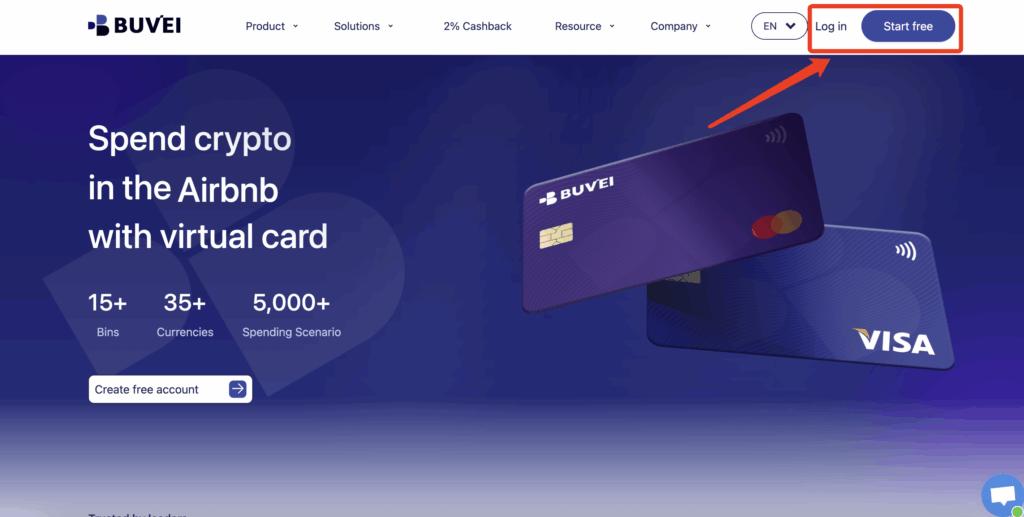
This makes it easy for teams to prototype before deeper integration.
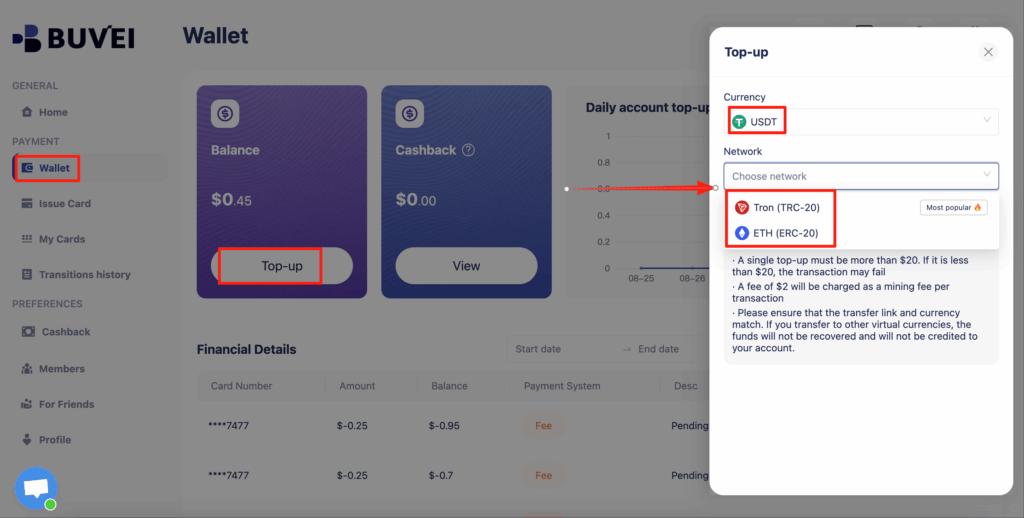
Step 2: Fund the Account
-
Go to the Wallet tab
-
Deposit USDT (TRC20 or ERC20)
-
Copy your dedicated address
-
Send funds
-
Balance becomes available after confirmation
Crypto funding can simplify treasury operations for globally distributed teams.
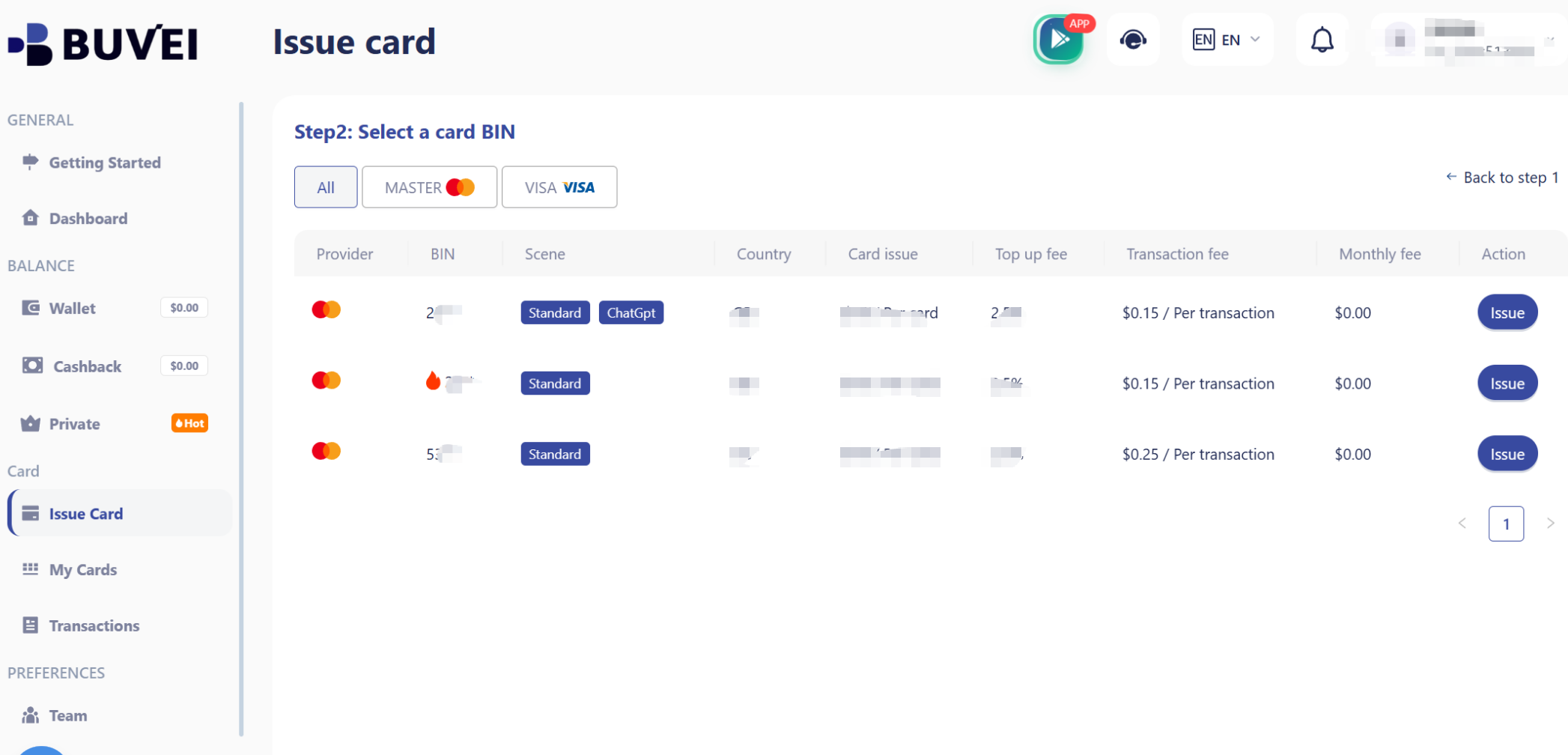
Step 3: Create a Virtual Card
-
Navigate to the Cards tab
-
Select a BIN region (U.S. recommended for global acceptance)
-
Choose card type
-
Click create
-
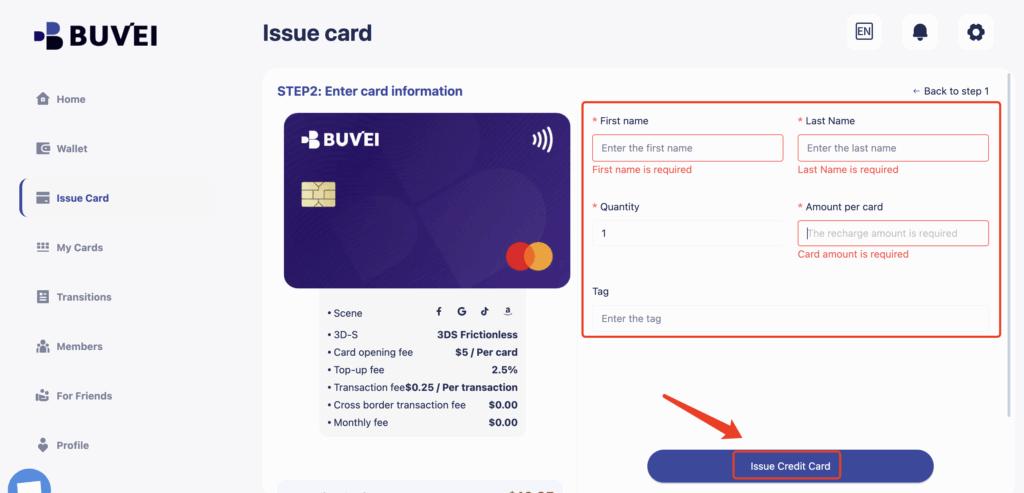
Enter:
-
Card name
-
Amount
-
Quantity
-
-
Click Issue Card
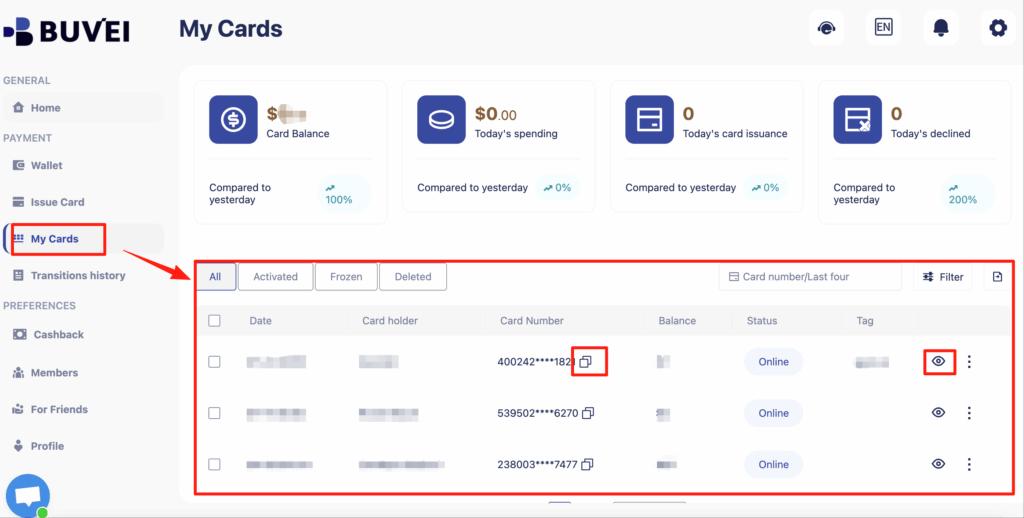
Step 4: View Card Details
Inside My Cards, developers can review:
-
Card number
-
Expiration date
-
CVV
-
Transaction history
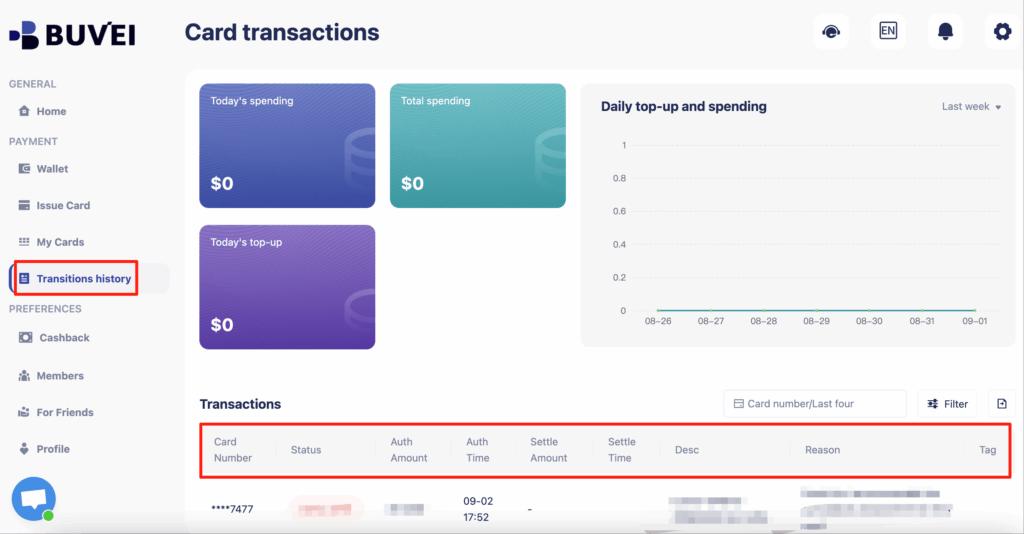
-
Funding activity
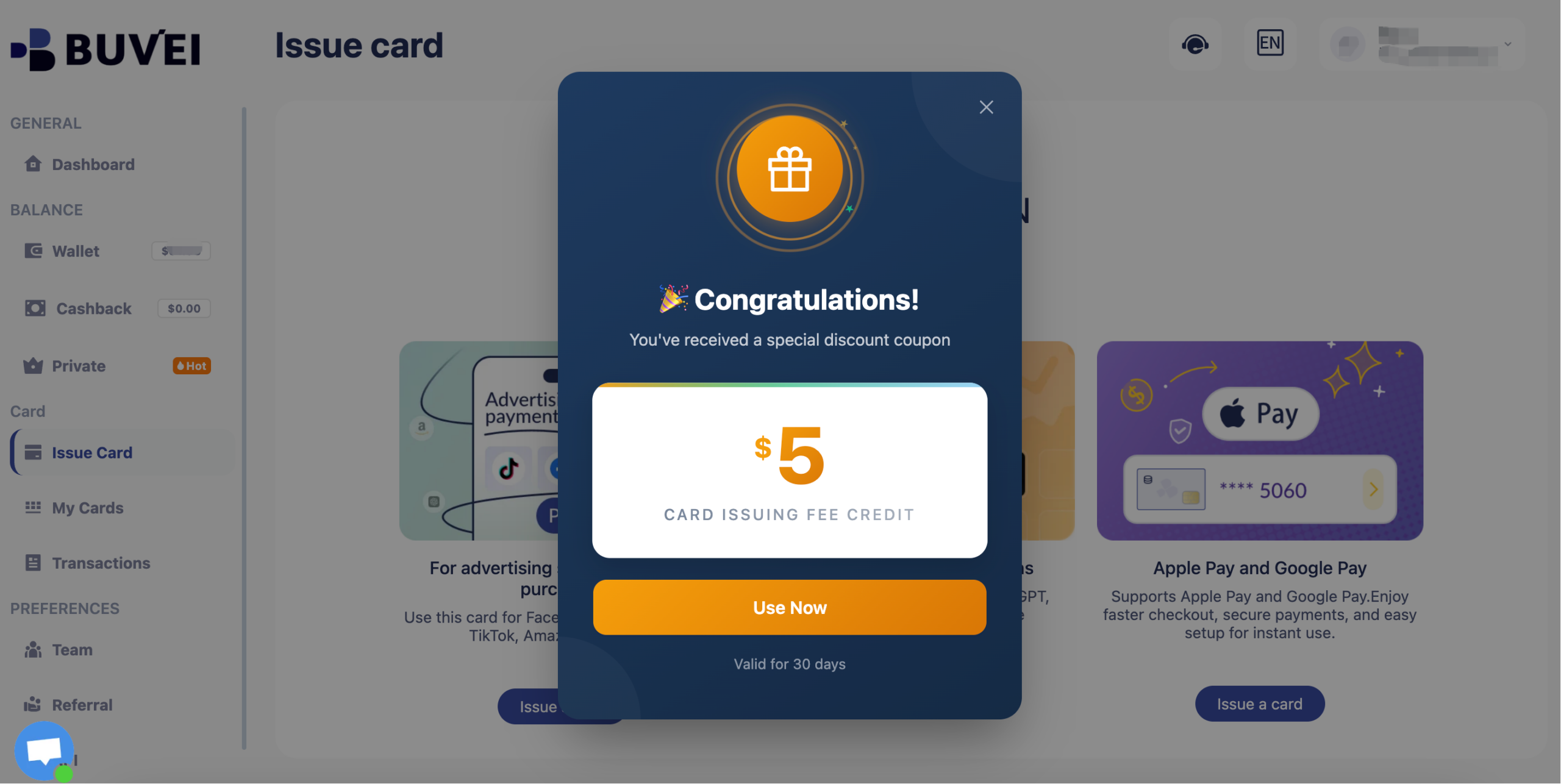
New users receive a $5 virtual card issuance coupon upon registration
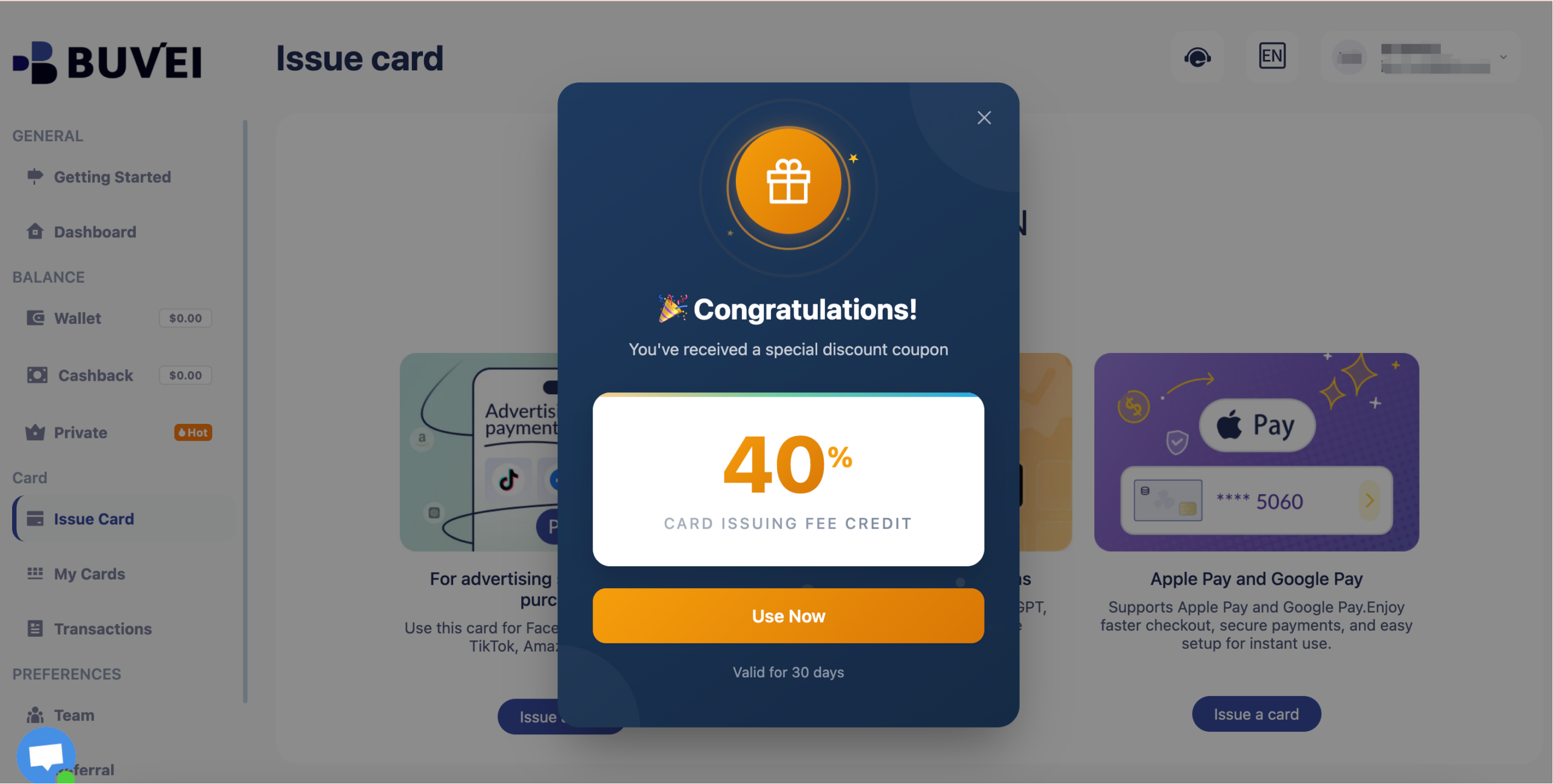
Long-inactive users may receive up to 40% discount coupons
This visibility mirrors what teams should expect from a well-designed issuing API.

Conclusion
The rise of embedded finance has made the virtual card issuance API a foundational component of modern payment architecture.
Instead of navigating bank partnerships and compliance layers independently, developers can leverage infrastructure that enables rapid deployment, strong authorization performance, and programmable financial workflows.
With platforms like Buvei, teams gain access to multi-card management, crypto-friendly funding, transparent fees, and globally compatible BIN options—allowing them to focus on product innovation rather than payment complexity.
For developer-first companies building the next generation of financial experiences, issuing cards via API is no longer optional—it’s strategic infrastructure.