Managing domain payments efficiently is critical for developers, SaaS founders, and international businesses. DNSimple is a popular domain registrar, but for users who rely on cryptocurrency or operate across borders, traditional payment methods can be limiting.
This guide explains how crypto virtual cards enable seamless DNSimple domain payments, with a clear step-by-step operational workflow you can replicate for renewals and multiple domains.

1. DNSimple Payment Methods Overview
DNSimple supports standard online payment methods, including:
-
Credit cards (Visa / Mastercard)
-
Debit cards
-
Recurring billing for domain renewals
However, DNSimple does not currently support direct cryptocurrency payments such as USDT, BTC, or ETH. This creates friction for crypto-native users and businesses operating outside traditional banking systems.
That’s where crypto-funded virtual cards come in.
2. Does DNSimple Accept Crypto Directly?
No. DNSimple does not accept cryptocurrency payments directly.
You cannot:
-
Pay with on-chain USDT or BTC
-
Connect a crypto wallet
-
Use Web3 payment gateways
Instead, DNSimple processes payments through standard card networks. To bridge this gap, users rely on virtual cards funded with crypto, which DNSimple treats as normal card payments.
3. How Crypto Virtual Cards Enable Domain Payments
Crypto virtual cards act as a payment bridge between blockchain assets and traditional merchants.
Here’s how the flow works:
-
You fund a virtual card using crypto (e.g., USDT)
-
The virtual card converts crypto balance into card-usable funds
-
DNSimple charges the card like a regular Visa or Mastercard
-
Domain registration and renewals proceed normally
For DNS providers, this method is fully compliant and invisible—no special approval required.
4. Step-by-Step: Paying DNSimple with a Virtual Card (Operation Guide)
Below is a standardized operation guide using Buvei, designed for users who need speed, cost control, and predictable renewals.
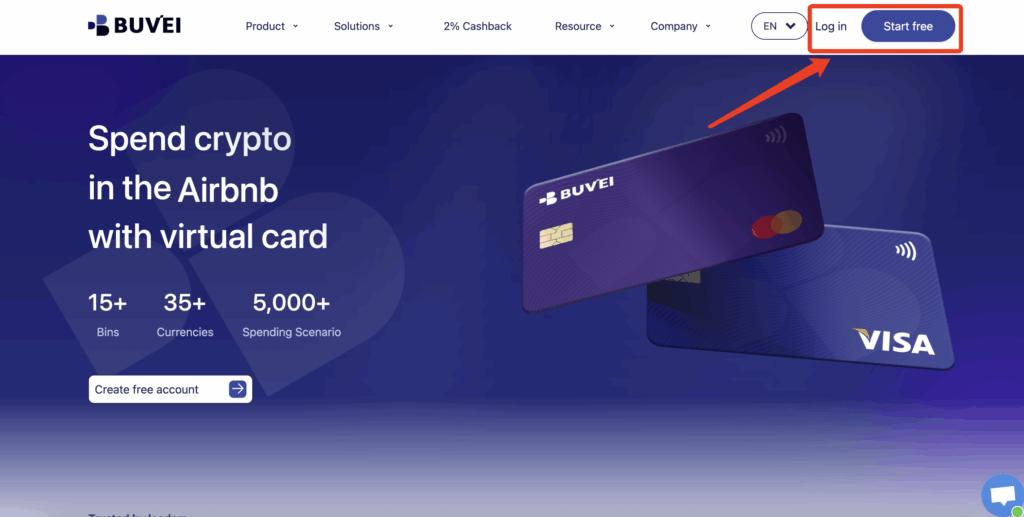
Step 1: Register a Buvei Account
-
Visit https://buvei.com
-
Create a free account
-
Complete email verification
-
Log in to the dashboard
No business entity or complex KYC is required to get started.
Step 2: Fund Your Wallet with Crypto
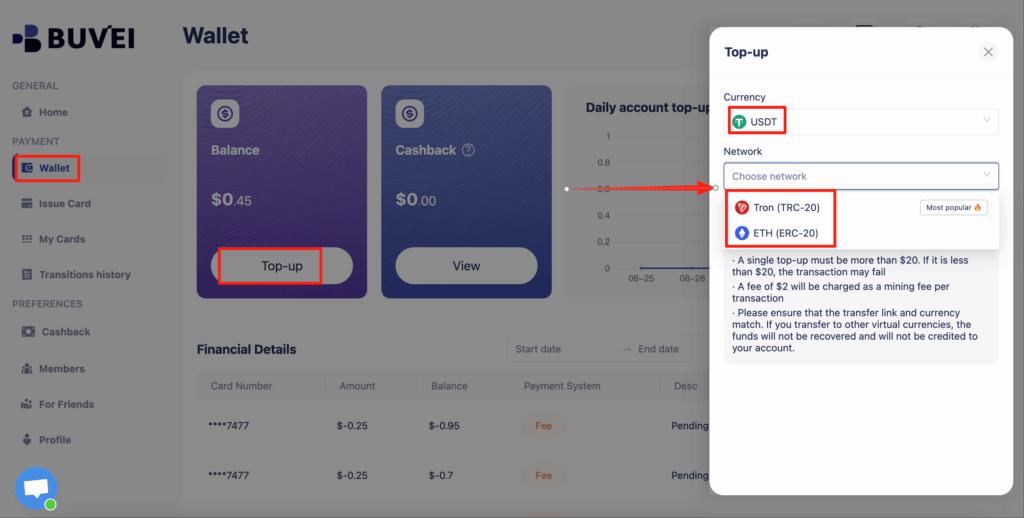
Navigate to the Wallet tab and top up using supported stablecoins:
-
USDT (TRC20)
-
USDT (ERC20)
Buvei provides a dedicated deposit address. Once the transaction is confirmed on-chain, your balance becomes available instantly, allowing you to proceed without settlement delays.
Step 3: Create a Virtual Card
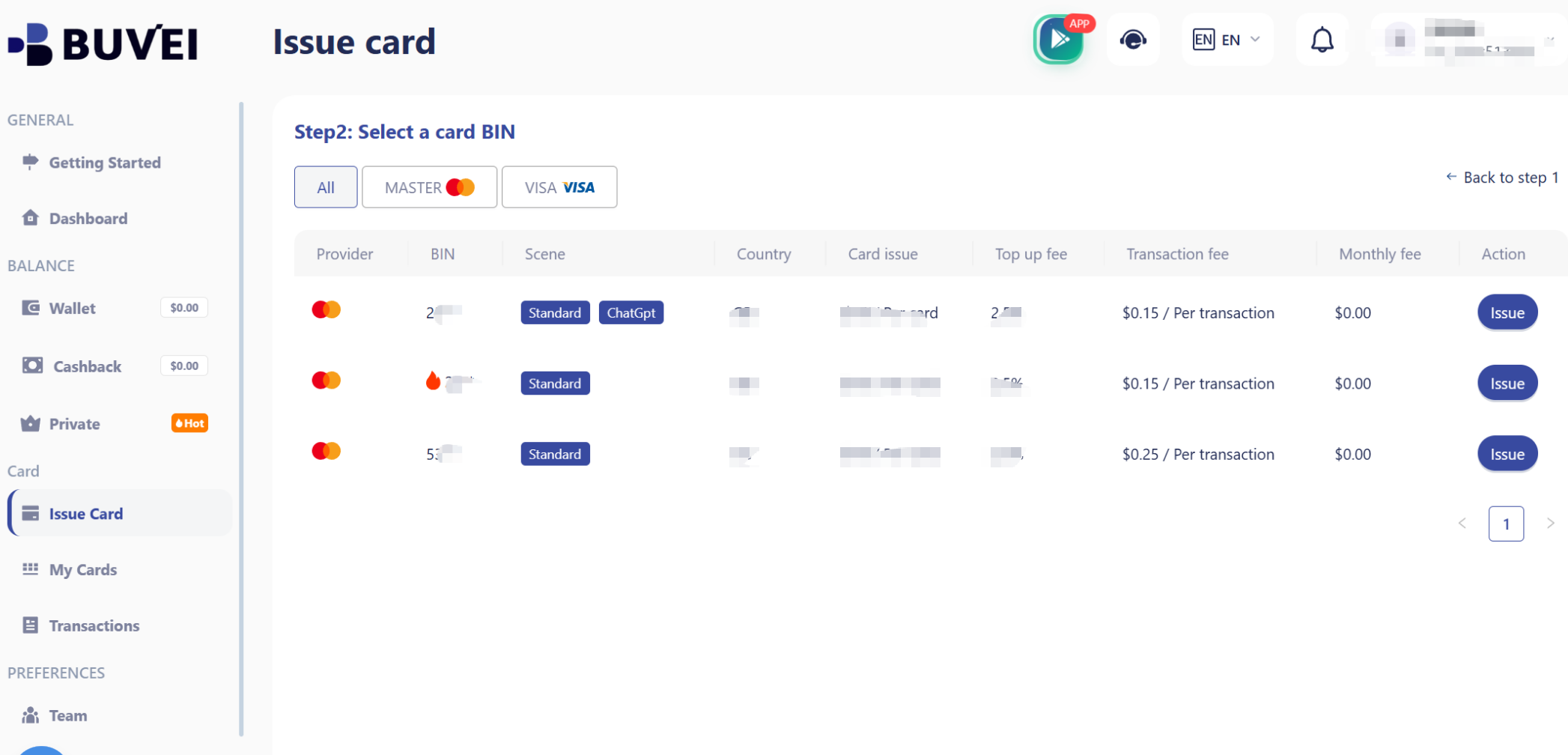
Go to the Cards tab and follow these steps:
-
Select your preferred BIN region (US BIN is recommended for domain services)
-
Choose card type
-
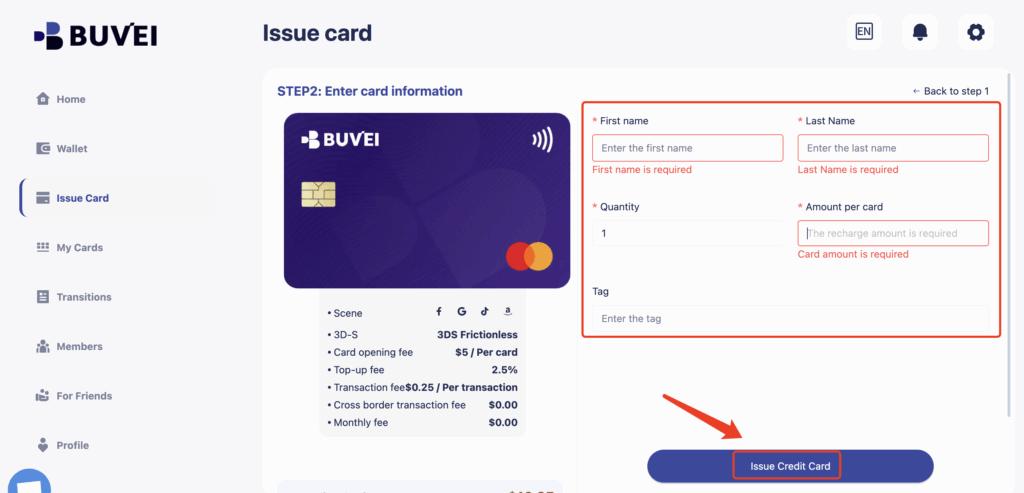
Click Issue Card
-
Enter:
-
Card name (e.g., “DNSimple Domains”)
-
Initial amount
-
Number of cards
-
-
Click Create Card
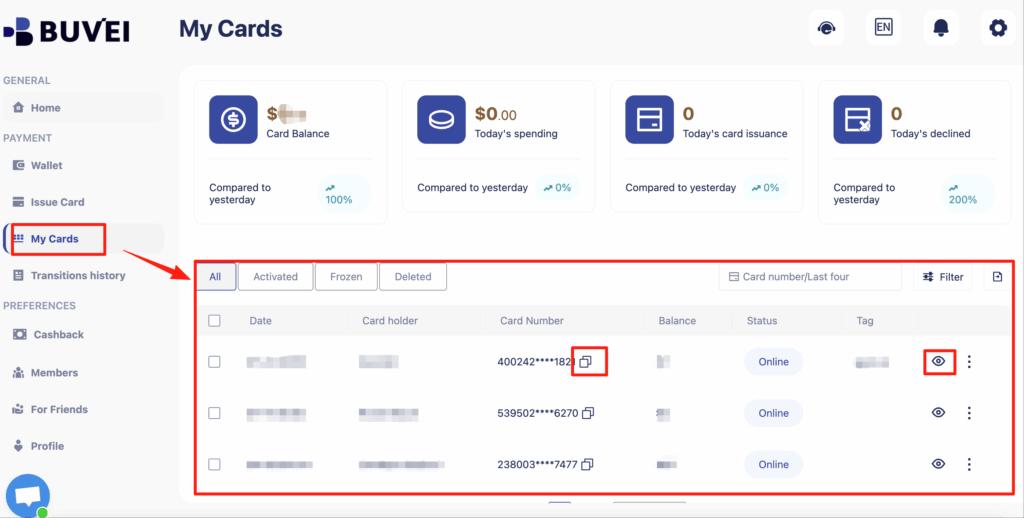
You’ll immediately receive:
-
Card number
-
Expiration date
-
CVV
-
Card balance and usage data
-
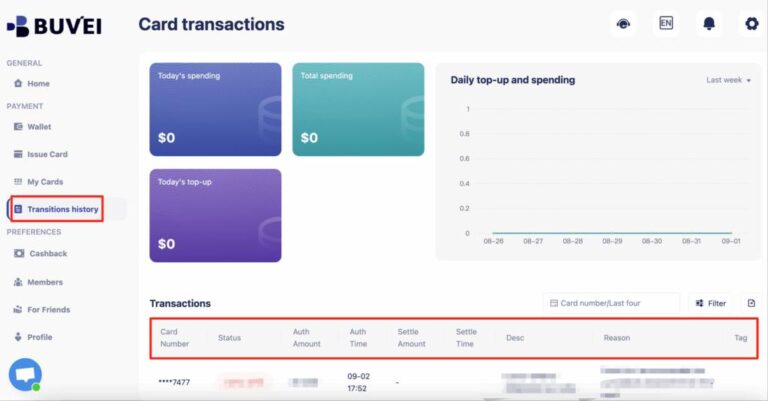
Transaction history
This structure is ideal for controlling domain expenses and isolating billing risk.
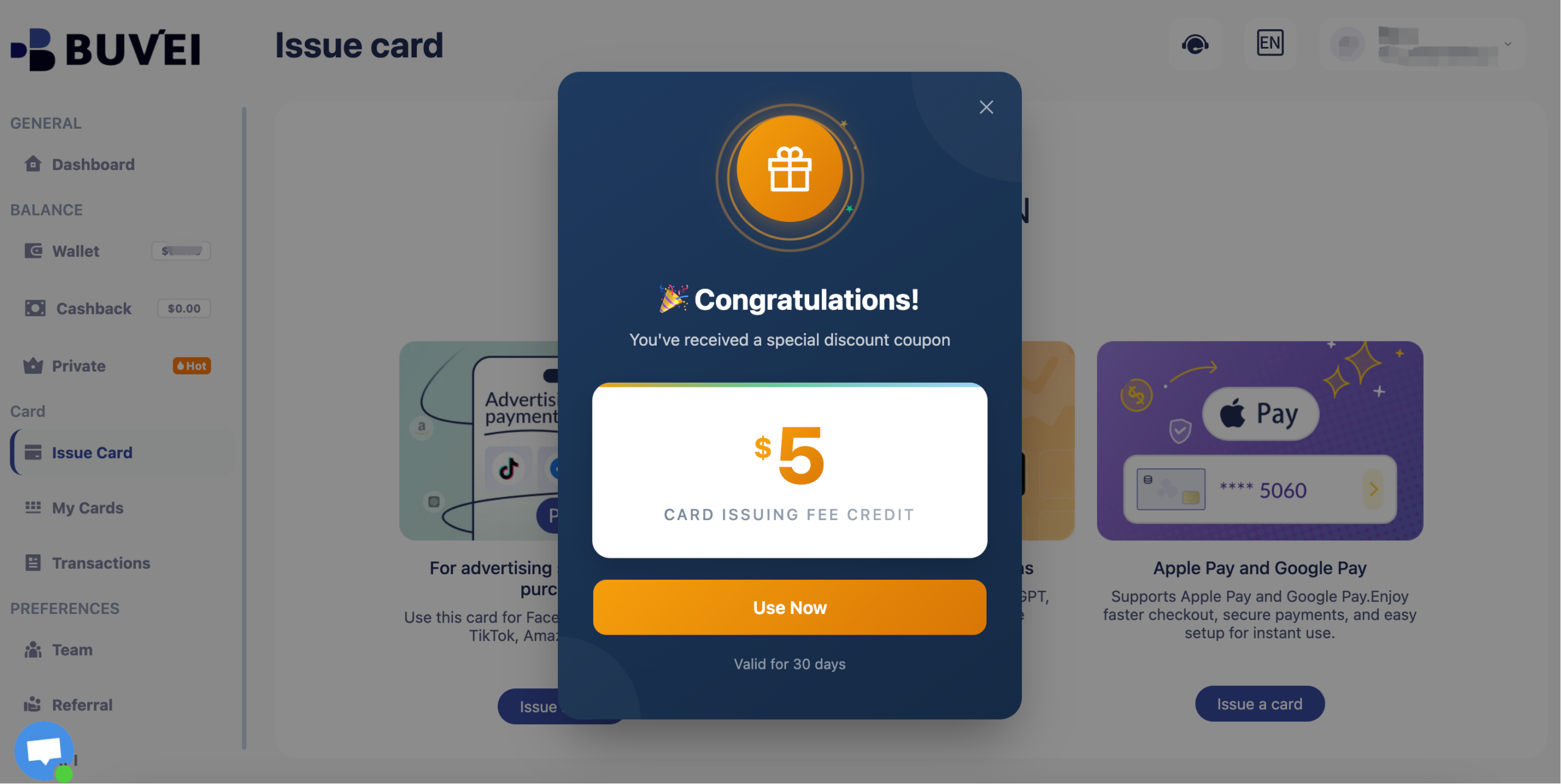
Buvei currently have a promotion: new registered users get a $5 sign-up coupon. You can claim it simply by registering.
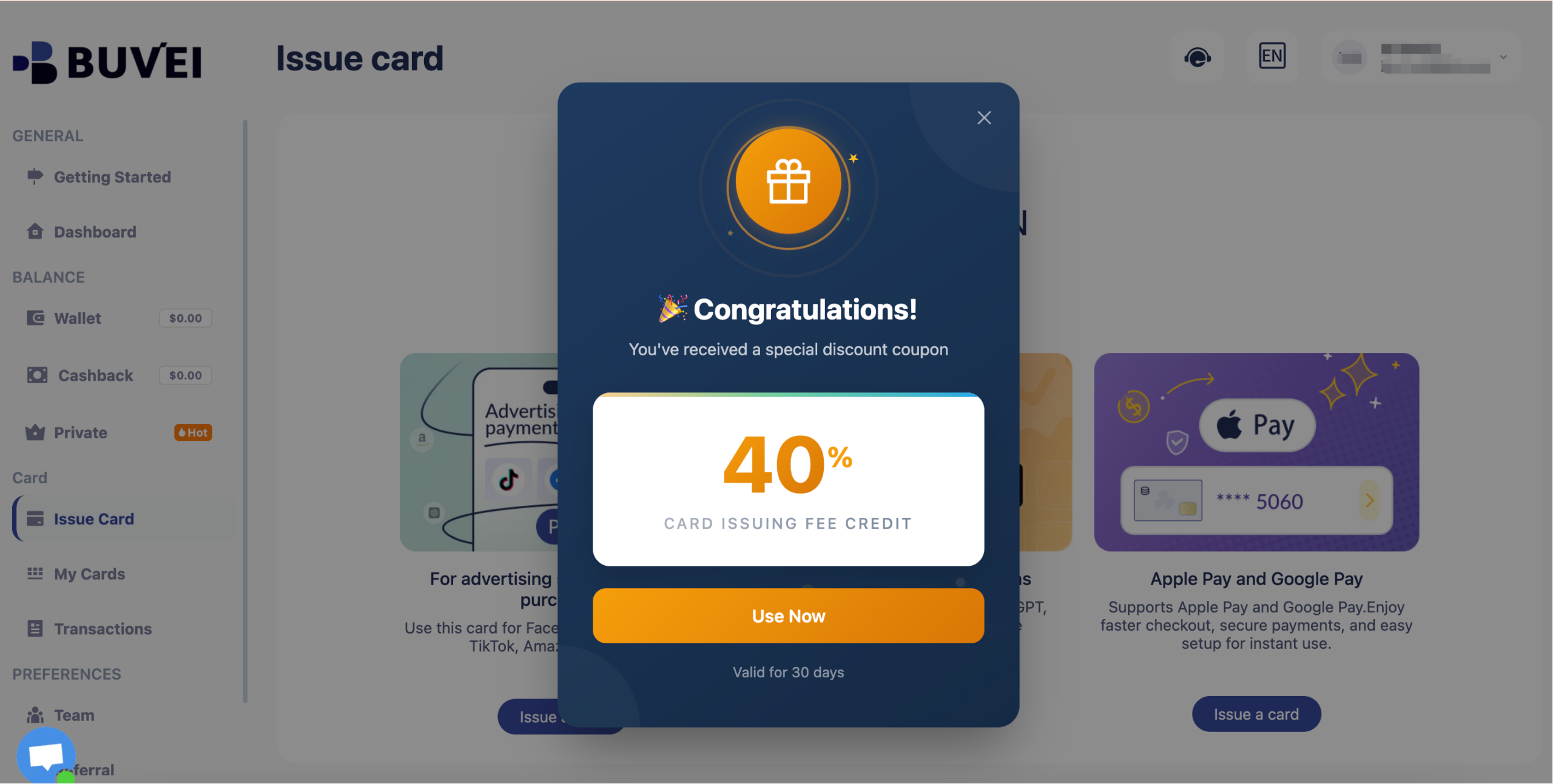
Long-term inactive users will receive a 40% discount coupon.
5. Managing Renewals and Multiple Domains
For users managing multiple domains or client portfolios, virtual cards offer strong operational advantages:
-
One card per project or client
-
Separate cards for renewals vs new registrations
-
Fixed balances to prevent overcharging
-
Easy replacement if a card is compromised
You can also rotate cards annually to match domain renewal cycles, improving accounting clarity.
6. Avoiding Declined or Failed Transactions
While virtual cards are reliable, failed payments usually stem from configuration issues rather than DNSimple itself.
Common causes and fixes:
-
Insufficient balance
Always preload slightly more than the renewal amount. -
Wrong BIN region
Use US BIN cards for higher success rates with DNS providers. -
Expired cards
Align card expiration dates with domain renewal schedules. -
Recurring charge blocks
Ensure the card supports recurring billing before setting auto-renew.
Following these steps significantly reduces payment failures.
Why Crypto Virtual Cards Are Ideal for Domain Payments
Using crypto virtual cards for DNSimple offers clear advantages:
-
No reliance on traditional banks
-
Faster funding via stablecoins
-
Strong spending control
-
Cleaner accounting for SaaS and agencies
-
Reduced exposure of primary cards
For globally distributed teams and crypto-native businesses, this method provides stability without sacrificing flexibility.

Final Thoughts
DNSimple may not support crypto payments directly, but crypto virtual cards fully solve this limitation. By combining stablecoin funding with controlled virtual cards, you gain predictable domain management without banking friction.
This same operational framework can be reused for other domain registrars, cloud platforms, and SaaS tools—making it ideal for scalable content and real-world usage.