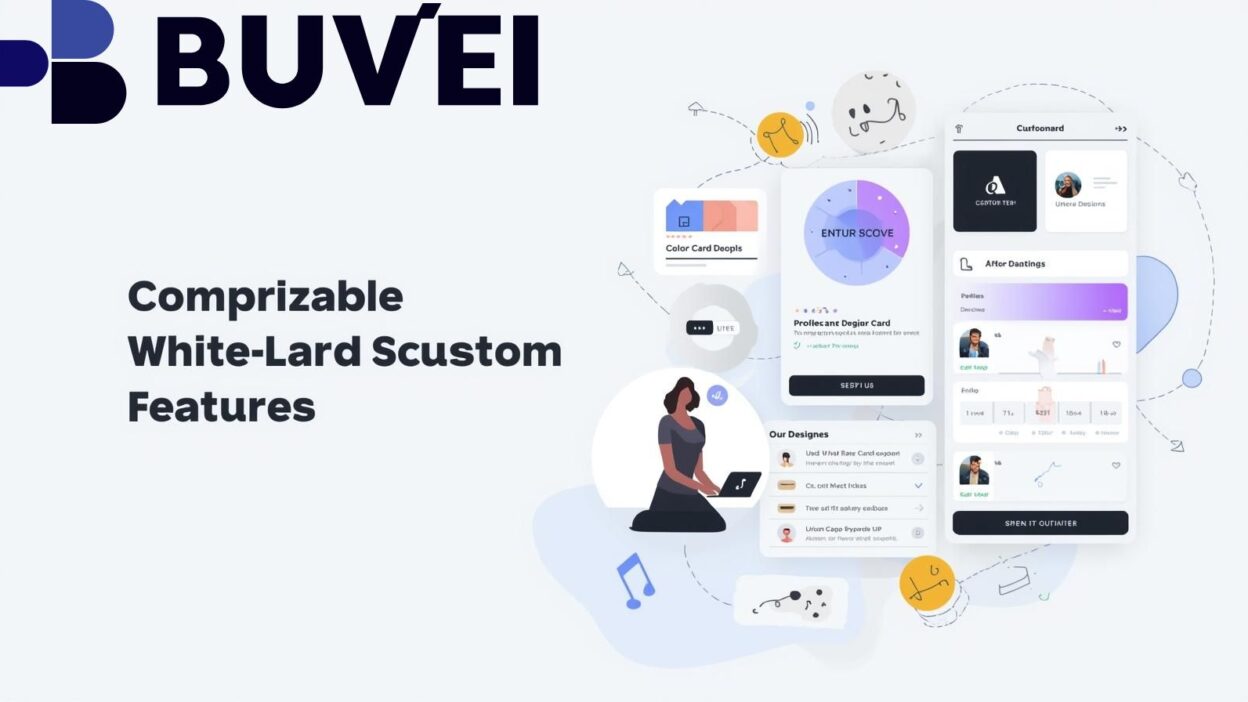
As virtual cards become a core product for fintech companies, SaaS platforms, and payment startups, branding has moved far beyond logos and colors. In white-label virtual card platforms, custom branding plays a critical role in user trust, product differentiation, and long-term retention.
Rather than exposing end users to third-party card issuers, white-label solutions allow companies to present virtual cards as a fully native product—both visually and experientially. 
What Custom Branding Means in White-Label Card Platforms
Custom branding in white-label virtual card platforms refers to the ability to launch virtual cards and card management tools under your own brand, without visible references to the underlying card issuer or infrastructure provider.
From the user’s perspective, the virtual card appears to be issued directly by your company. This creates a seamless brand experience while the technical complexity is handled in the background.
Branding can apply to the cards themselves, the user dashboard, notifications, APIs, and even transaction descriptors.
Branding Elements: Card Details, Dashboard, and UX
A well-designed white-label card program supports branding across multiple layers.
At the card level, this may include the card name, BIN presentation, masked card numbers, and issuer display. In some cases, custom card art or naming conventions are also supported.
At the dashboard level, branding extends to logos, color schemes, typography, and layout. The goal is to ensure users feel they are interacting with your platform—not a third-party tool.
User experience elements such as onboarding flows, transaction notifications, emails, and error messages should also reflect consistent brand tone and design.
Why Branding Matters for Fintech and SaaS Companies
Branding is not just aesthetic—it directly impacts trust and conversion.
For fintech products, users are trusting your platform with payments and sensitive financial data. A consistent, professional brand experience signals legitimacy and reliability.
For SaaS companies embedding virtual cards into their product, strong branding reinforces product ownership and reduces confusion. Users are far less likely to churn when payments feel integrated rather than bolted on.
Branding also improves marketing efficiency, as users associate the card functionality with your brand rather than the issuing partner.
How White-Label Providers Support Customization
Modern white-label virtual card providers are designed to be brand-agnostic by default.
They typically offer configurable dashboards, API-level branding controls, and modular UI components that can be adapted to your design system. Some platforms allow full frontend replacement, while others provide embedded widgets that inherit your branding automatically.
On the backend, providers handle card issuing, compliance, settlement, and risk controls—allowing you to focus on product and user experience rather than regulatory infrastructure.
Technical Considerations for Branded Card Programs
Custom branding must be implemented carefully to avoid breaking functionality or compliance requirements.
Key technical considerations include API stability, webhook customization, localization support, and scalable user management. Branding should not interfere with card authorization flows, fraud monitoring, or reporting accuracy.
It’s also important to ensure that branded interfaces remain responsive and secure across devices, especially if cards are managed via web and mobile apps.
Working with a provider that offers strong documentation and sandbox environments can significantly reduce development time.
Best Practices for Launching Branded Virtual Cards
Successful branded card programs follow a few consistent principles.
Start with a minimal, consistent brand implementation before expanding customization. Ensure that branding aligns with your broader product ecosystem, including onboarding and billing.
Test extensively with real user scenarios such as card issuance, declines, renewals, and limits. Clear communication around card usage, fees, and controls builds trust early.
Finally, choose a white-label partner that supports future growth—both in terms of card volume and branding flexibility.