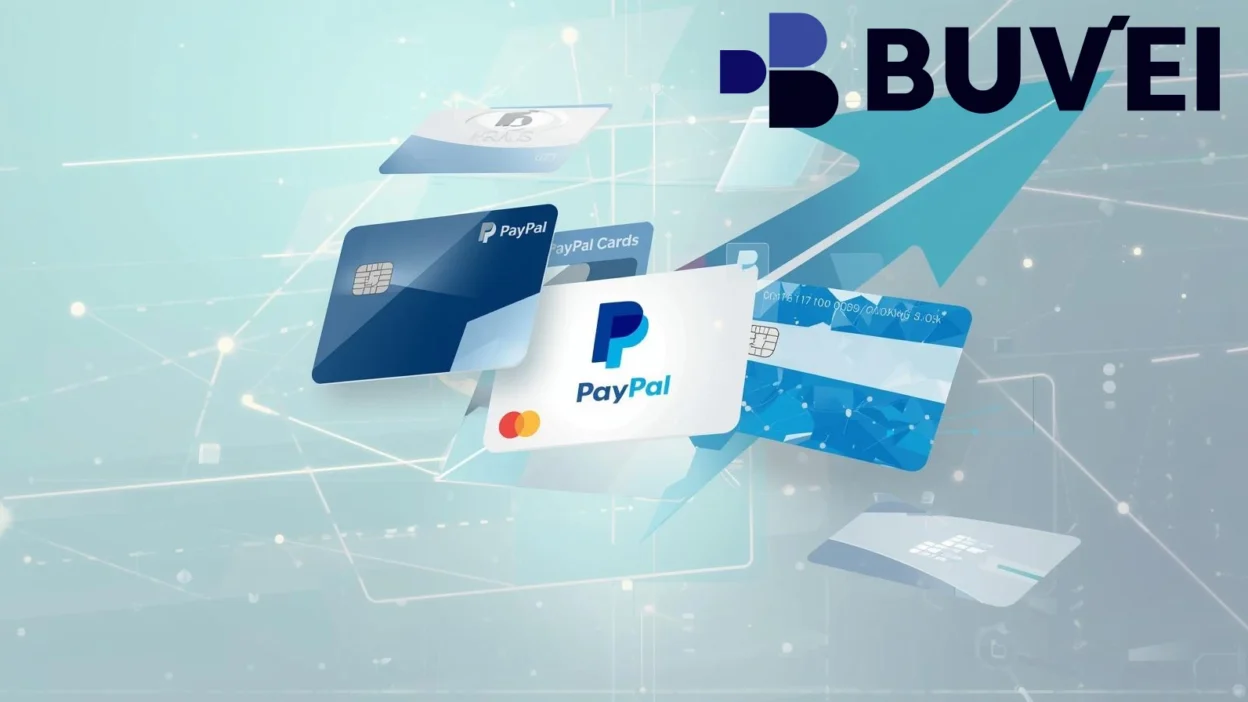
For many online shoppers, freelancers, and digital businesses, PayPal remains one of the most important payment platforms. However, not all cards work reliably with PayPal. That’s why more users are actively searching for virtual cards for PayPal that are stable, compatible, and easy to manage.
If you’re a PayPal user facing card declines, regional limitations, or security concerns, this guide will show you how to choose the best virtual card for PayPal, how to link it properly, and how Buvei virtual cards can help improve your payment success rate.
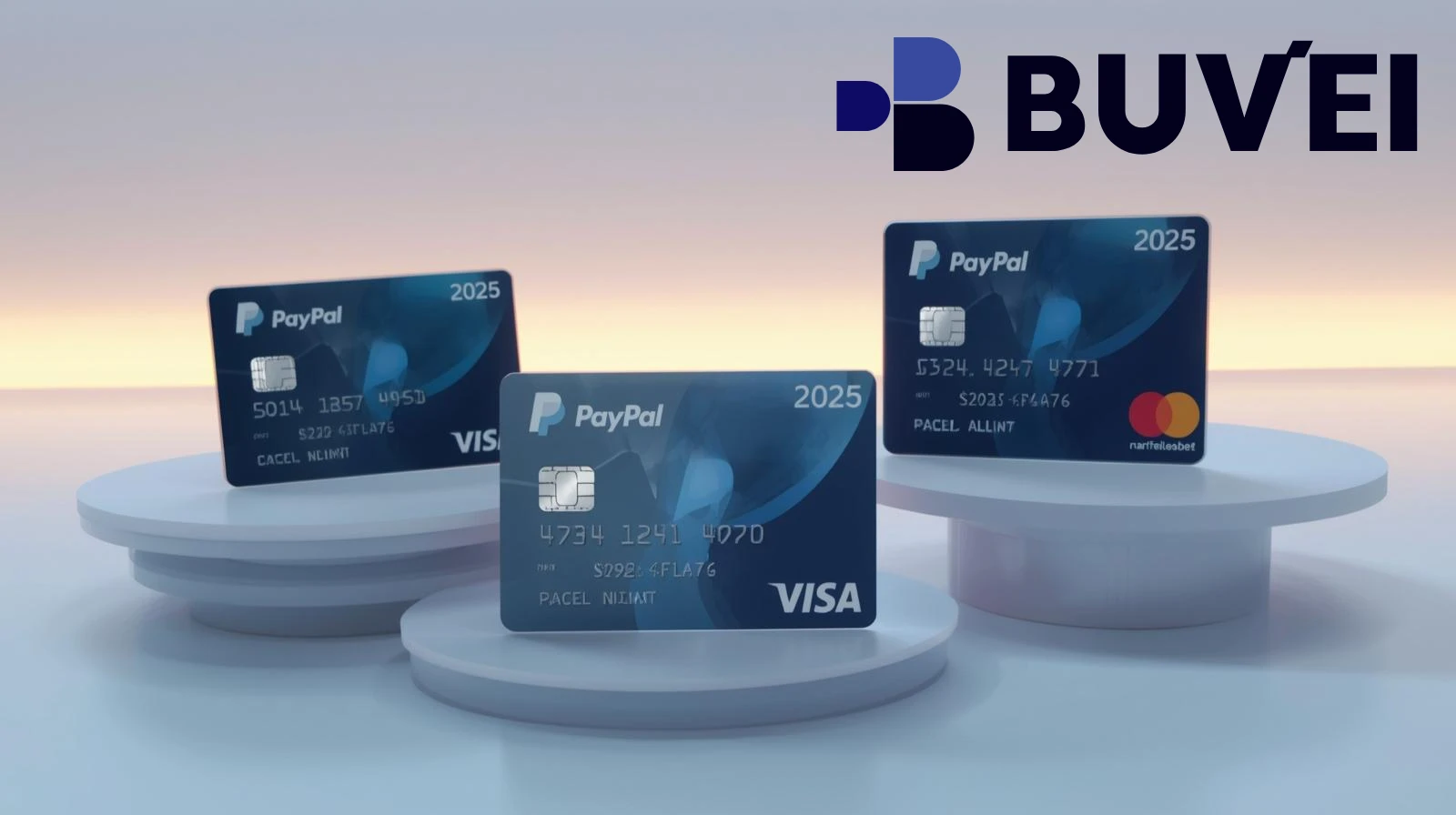
Why PayPal Users Benefit from Virtual Cards
Traditional bank cards often come with limitations, especially for international or high-frequency PayPal usage. Virtual cards solve several common problems for PayPal users.
Many people use virtual cards for PayPal to:
-
Protect their main bank account from exposure
-
Avoid sharing sensitive card details online
-
Manage spending with separate balances
-
Pay for subscriptions using isolated cards
-
Improve approval rates for cross-border payments
-
Use PayPal even without access to traditional banking
For freelancers, online sellers, SaaS users, and remote workers, virtual cards are quickly becoming a practical financial tool.
PayPal Requirements for Linking Virtual Cards
Before linking any virtual card, it’s important to understand PayPal’s basic expectations.
To be accepted as a PayPal payment method, a virtual card should typically support:
-
Visa or Mastercard network
-
3D Secure (in many regions)
-
Online international transactions
-
Consistent billing address
-
Sufficient balance for verification charges
PayPal often performs a small temporary charge (usually $1–$2) when you link a card. Cards that block authorization checks or lack proper issuer support may fail.
This is why choosing PayPal compatible virtual cards matters more than just finding any prepaid option.

Common Problems When Using Virtual Cards with PayPal
Many users search for “virtual card PayPal declined” because not all cards behave the same way. Common issues include:
Card Verification Failure
Some low-quality virtual cards do not support PayPal’s verification process, causing linking attempts to fail.
Frequent Authorization Declines
Cards without stable issuing infrastructure are more likely to be blocked by PayPal’s risk system.
Region Mismatch
If your PayPal account region and card issuing region conflict heavily, PayPal may limit or block usage.
Insufficient Balance
PayPal’s test charges can fail if the card balance is too low, even if the amount is small.
Choosing a reliable PayPal virtual card accepted by most merchants significantly reduces these issues.
Virtual Cards That Work Best with PayPal
The best-performing virtual cards for PayPal users usually share a few key traits:
-
Visa or Mastercard network support
-
Stable issuing BINs (US/EU typically perform best)
-
Good success rate with SaaS and payment platforms
-
Transparent balances and transaction history
-
Ability to issue multiple cards
-
Strong compatibility with subscription payments
Instead of relying on random prepaid cards, many users now prefer structured platforms that provide better infrastructure for long-term PayPal use.

Final Thoughts
For anyone struggling with unreliable payments, security concerns, or regional banking barriers, using virtual cards for PayPal is a smart upgrade. The key is choosing cards that are genuinely compatible, stable, and built for online platforms.
The right virtual card for PayPal users allows you to:
-
Link cards without repeated failures
-
Pay for subscriptions reliably
-
Manage spending with better control
-
Reduce risk to your main financial accounts
-
Use PayPal globally with fewer restrictions
With crypto-friendly funding, strong acceptance rates, and flexible multi-card management, Buvei offers a practical option for PayPal users who want more reliable virtual card infrastructure.