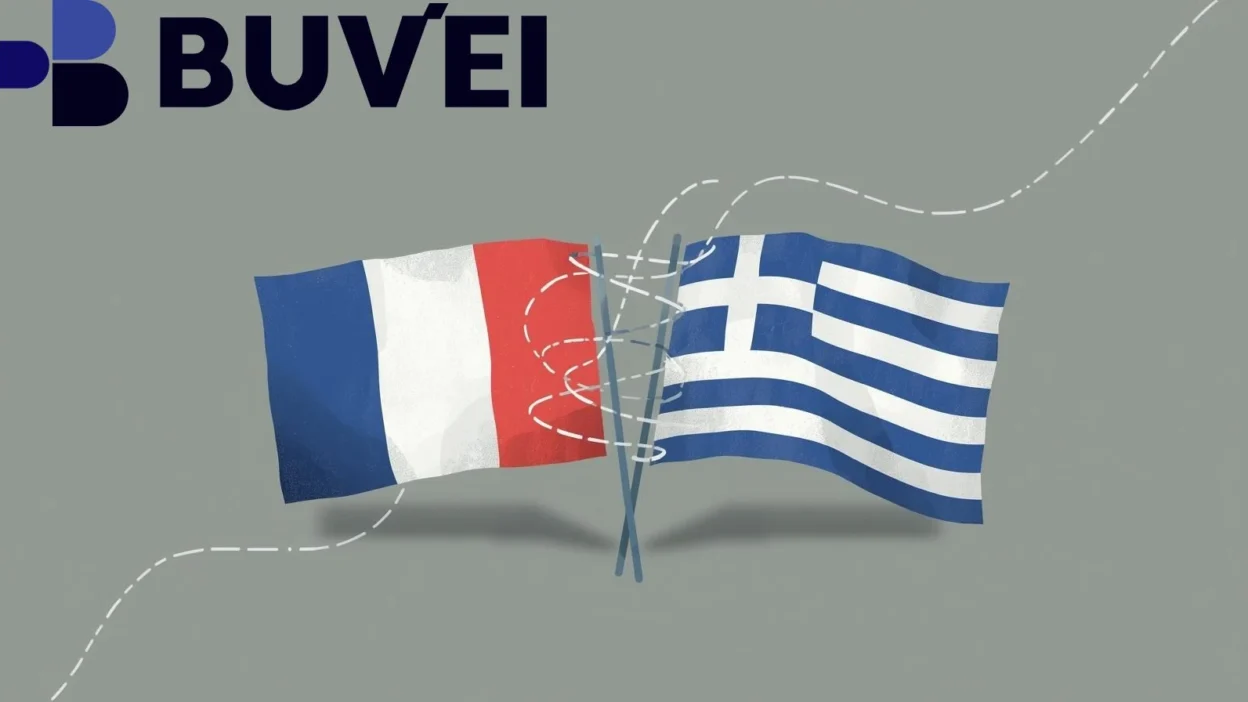
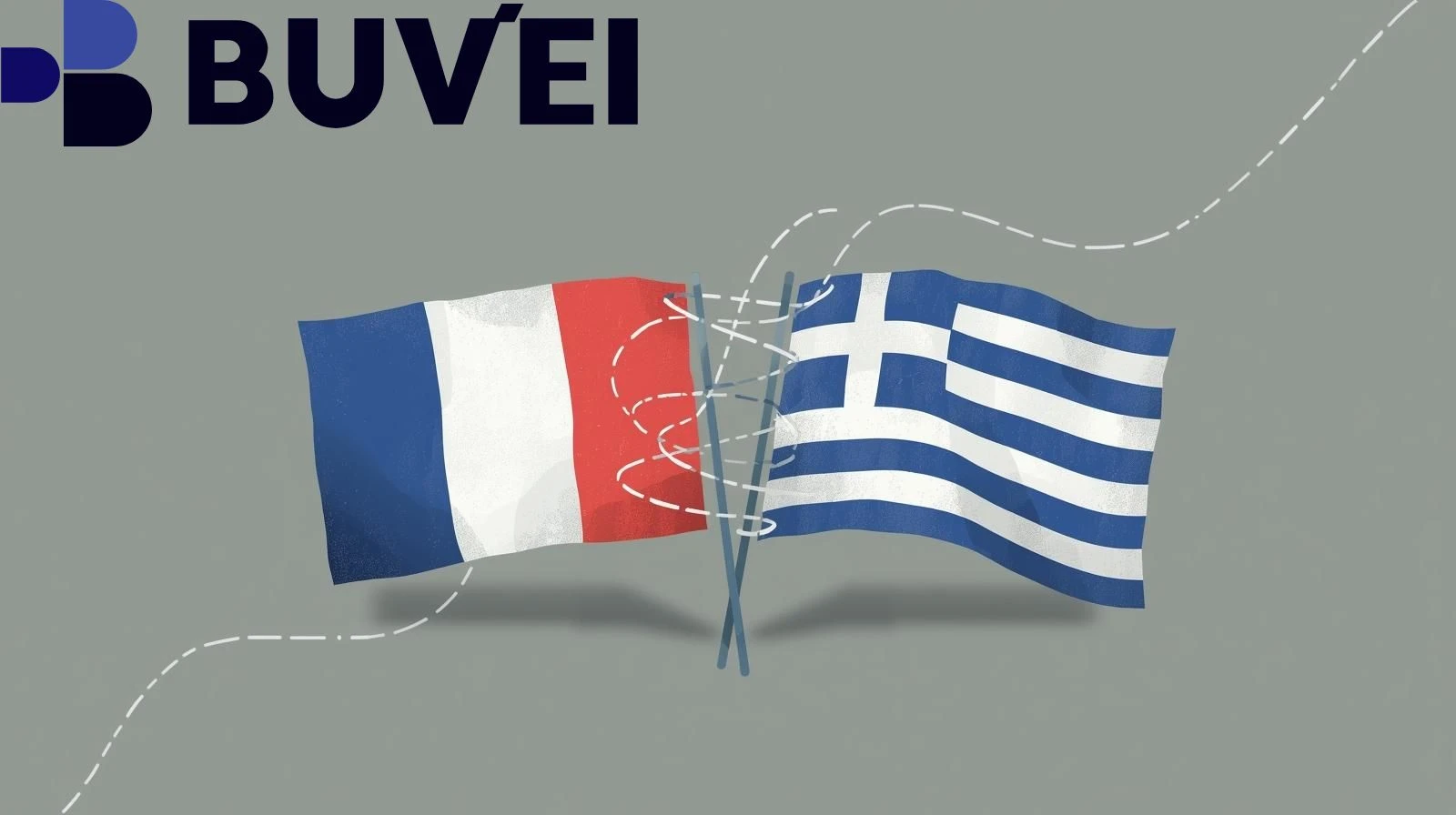
Binance has applied for authorization under the European Union’s Markets in Crypto-Assets Regulation (MiCA) in Greece, as regulatory pressure intensifies across the bloc. The move comes after France’s financial regulator warned that Binance is among dozens of crypto firms operating without a full MiCA license.
France’s Autorité des Marchés Financiers (AMF) recently stated that around 90 crypto firms registered in the country remain unlicensed under MiCA. The regulator reiterated that companies must either comply with the new framework or cease offering services to French users.
The warning underscores the growing urgency for major crypto exchanges to secure MiCA approval as the EU transitions from national registration regimes to a unified regulatory system.

France Tightens Oversight Under MiCA
MiCA, which came into force in stages across 2024 and 2025, establishes a single licensing regime for crypto-asset service providers (CASPs) operating in the European Union. Under the regulation, firms must obtain authorization in at least one EU member state to passport services across the bloc.
The AMF clarified that prior registrations under France’s national framework do not automatically qualify firms to operate under MiCA. Registered but unlicensed companies must now meet stricter requirements covering governance, consumer protection, capital reserves, and operational transparency.
Binance is listed among the firms that have yet to receive MiCA authorization in France, although the exchange remains operational under transitional arrangements.
Binance Applies for MiCA License in Greece
In response to tightening enforcement, Binance confirmed that it has submitted a MiCA license application in Greece. A company spokesperson said Binance is engaging with the Hellenic Capital Market Commission (HCMC), Greece’s financial regulator, as part of the authorization process.
“We welcome the opportunity to work closely with the HCMC as this new regulation takes shape in the EU,” the spokesperson said, adding that Binance aims to support the long-term growth of Europe’s digital financial ecosystem.
Public data from the European Securities and Markets Authority (ESMA) shows that Greece has not yet issued any MiCA licenses, suggesting the country remains in the early stages of implementation. Still, applying in Greece could allow Binance to establish a regulatory foothold that enables passporting across EU member states once approved.
Early Compliance Steps Across Europe
Ahead of MiCA’s full rollout, Binance began adjusting its European operations in 2024. The exchange restricted certain higher-risk products, including copy trading, and asked some users to close positions. It also limited offerings linked to unregulated stablecoins, while maintaining core services such as spot trading, deposits, and withdrawals.
These measures were widely seen as early compliance steps designed to align with MiCA’s requirements, particularly around consumer protection and market integrity.
Binance’s approach mirrors actions taken by other large crypto platforms that have scaled back or restructured EU services while seeking regulatory clarity.
Germany and the Netherlands Lead MiCA Authorizations
As of early 2026, MiCA licensing activity remains uneven across the EU. Germany and the Netherlands have emerged as the most active jurisdictions, issuing 43 and 22 MiCA authorizations respectively. France has granted 11 licenses through the AMF, despite having one of the largest crypto user bases in Europe.
By contrast, several countries, including Greece, have yet to approve any MiCA applications. This disparity reflects differences in regulatory capacity, domestic policy priorities, and the pace at which national authorities have adapted to the new framework.
MiCA Licensing Expands Beyond Crypto-Native Firms
MiCA is not limited to crypto-native companies. Traditional financial institutions are also preparing to enter the regulated digital asset market.
Belgian bank KBC recently announced plans to launch retail crypto trading services and said it expects to obtain a MiCA license in Belgium, even though the country has not yet issued authorizations. Meanwhile, KuCoin’s European entity secured a MiCA license in Austria, enabling it to offer services across 29 countries in the European Economic Area, excluding Malta.
These developments suggest MiCA is gradually opening the door for broader institutional participation in crypto markets, while raising compliance standards for exchanges.
Regulatory Pressure Reshapes EU Crypto Market
France’s warning and Binance’s Greek license application highlight the broader shift underway in Europe’s crypto sector. Under MiCA, regulators are moving from fragmented national oversight to a harmonized system designed to reduce regulatory arbitrage and improve consumer safeguards.
For exchanges, the transition brings higher compliance costs and operational constraints, but also greater legal certainty once authorization is secured. For users, MiCA aims to provide clearer protections, standardized disclosures, and more consistent supervision across borders.
As enforcement tightens in major markets like France, large platforms face increasing pressure to finalize licensing strategies. Whether Greece becomes a viable regulatory gateway for Binance remains to be seen, but the application signals the exchange’s intent to remain active in Europe under the new rules.