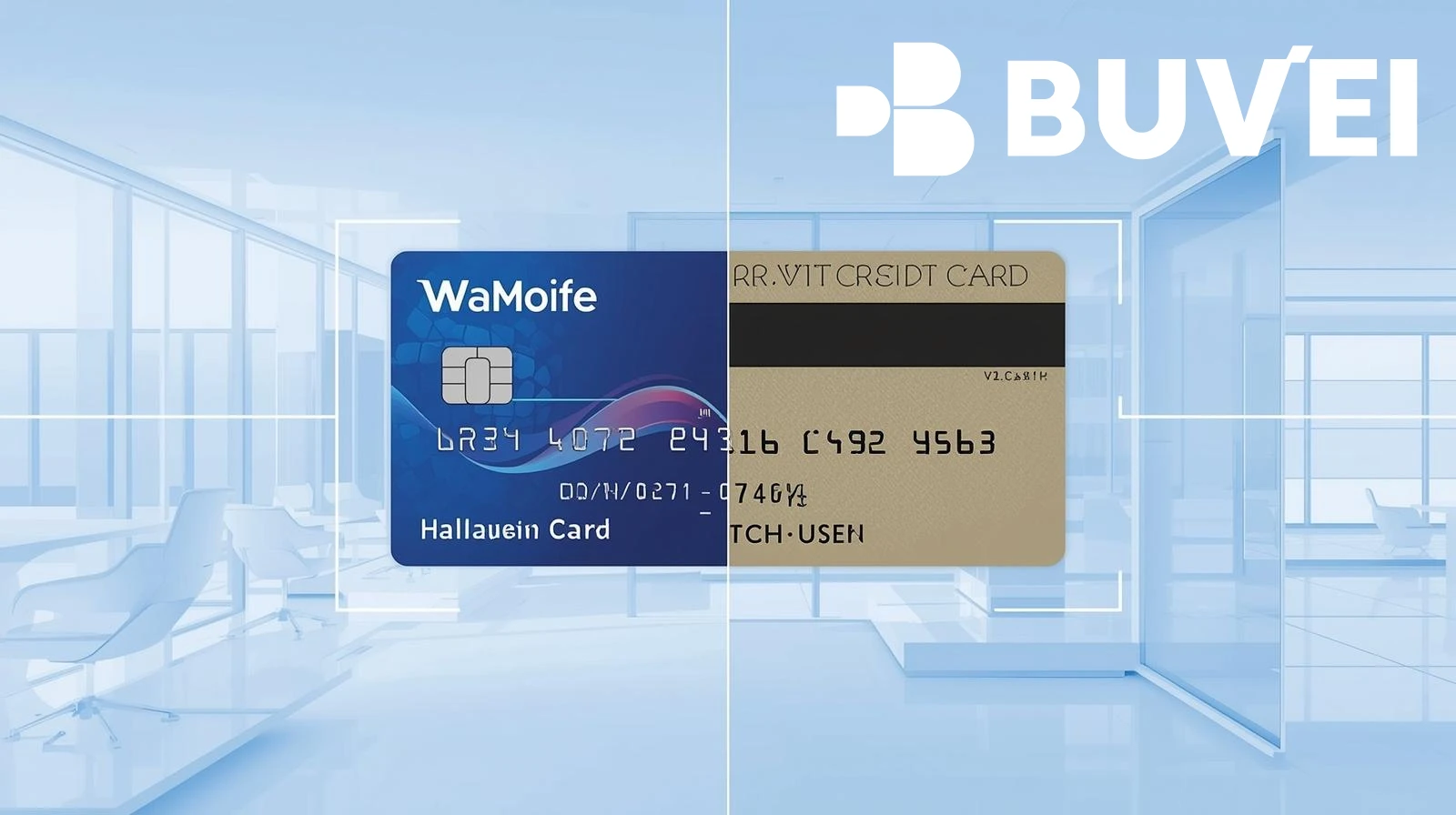
If you’ve ever searched for digital card vs virtual card, you’re not alone. The two terms are often used interchangeably, but they’re not the same thing. Understanding the difference can help you choose a safer, more flexible payment method—especially for online subscriptions, advertising platforms, and international payments.
In this guide, we’ll clearly explain how digital cards and virtual cards work, compare their use cases, and show you step by step how to create a virtual card using Buvei.
What Is a Digital Card?
A digital card is typically a digital version of your existing physical bank card stored inside a wallet app such as:
-
Apple Pay
-
Google Pay
-
Samsung Pay
It uses the same underlying account as your physical debit or credit card but allows you to pay with your phone instead of the plastic card.
Common characteristics of digital cards:
-
Linked directly to your bank-issued card
-
Usually tied to your main bank account
-
Can be used both online and in-store (via NFC)
-
Limited separation between spending and your real balance
Digital cards are convenient—but they don’t offer much flexibility or protection if you want to isolate risk.
What Is a Virtual Card?
A virtual card is a standalone card number created digitally that is not directly tied to your physical bank card. It has its own:
-
Card number
-
Expiry date
-
CVV
-
Balance or spending limit
A virtual card is designed specifically for online use, allowing you to separate spending, improve security, and control risk more effectively.
Common use cases for virtual cards:
-
Paying for ads (Google Ads, Meta, TikTok, X)
-
Subscriptions (ChatGPT, Canva, Notion, SaaS tools)
-
International payments
-
One-time purchases
-
Client or team expense separation
This is why virtual cards have become the preferred choice for freelancers, agencies, crypto users, and online businesses.
Key Differences in Usage, Security, and Acceptance
Here’s a practical comparison of digital card vs virtual card:
Usage
-
Digital card: Mirrors your real bank card
-
Virtual card: Independent card created for specific purposes
Security
-
Digital card: Exposes your primary bank account if compromised
-
Virtual card: Shields your main funds and isolates risk per card
Control
-
Digital card: Limited control over individual transactions
-
Virtual card: You can create multiple cards for different uses
Acceptance
-
Digital card: Sometimes restricted by wallet or bank limitations
-
Virtual card: Often better optimized for online platforms and global services
For anyone managing multiple subscriptions or online payments, virtual cards clearly offer more flexibility.
Which Card Type Is Better for Online Payments?
For casual in-store payments, digital cards work fine.
But for online payments, especially across platforms and borders, virtual cards are usually the better choice.
A virtual card for online payments offers:
-
Higher approval rates on global platforms
-
Better protection against fraud
-
Easier budget segmentation
-
Reduced risk of account-wide disruptions
-
Greater compatibility with ad platforms and SaaS tools
That’s why businesses, agencies, and remote professionals increasingly rely on virtual cards rather than traditional digital cards.
Choosing the Right Card for Your Needs
If your goal is:
-
Convenience for everyday shopping → Digital card is enough
-
Secure online subscriptions → Virtual card is better
-
Managing multiple platforms or clients → Virtual card is essential
-
Crypto-funded payments → Virtual card is the practical bridge
-
Scaling business payments → Virtual card is the only realistic option
For most modern online users, the conclusion is clear: when comparing digital card vs virtual card, virtual cards provide more control, more security, and more flexibility.
Final Thoughts
The confusion around digital card vs virtual card is understandable, but the difference matters—especially as more of our financial activity moves online.
A well-designed virtual card allows you to:
-
Protect your main funds
-
Segment spending
-
Improve approval rates
-
Reduce platform risk
-
Operate more professionally online
With easy registration, crypto-friendly funding, strong global compatibility, and scalable card management, Buvei offers a practical solution for anyone who needs modern, secure virtual card payments.