Free trials are everywhere—from SaaS tools and AI platforms to design software and streaming services. While they promise “risk-free” access, most free trials still require valid payment details upfront. For users managing multiple tools or testing services frequently, this creates unnecessary financial and security risks.
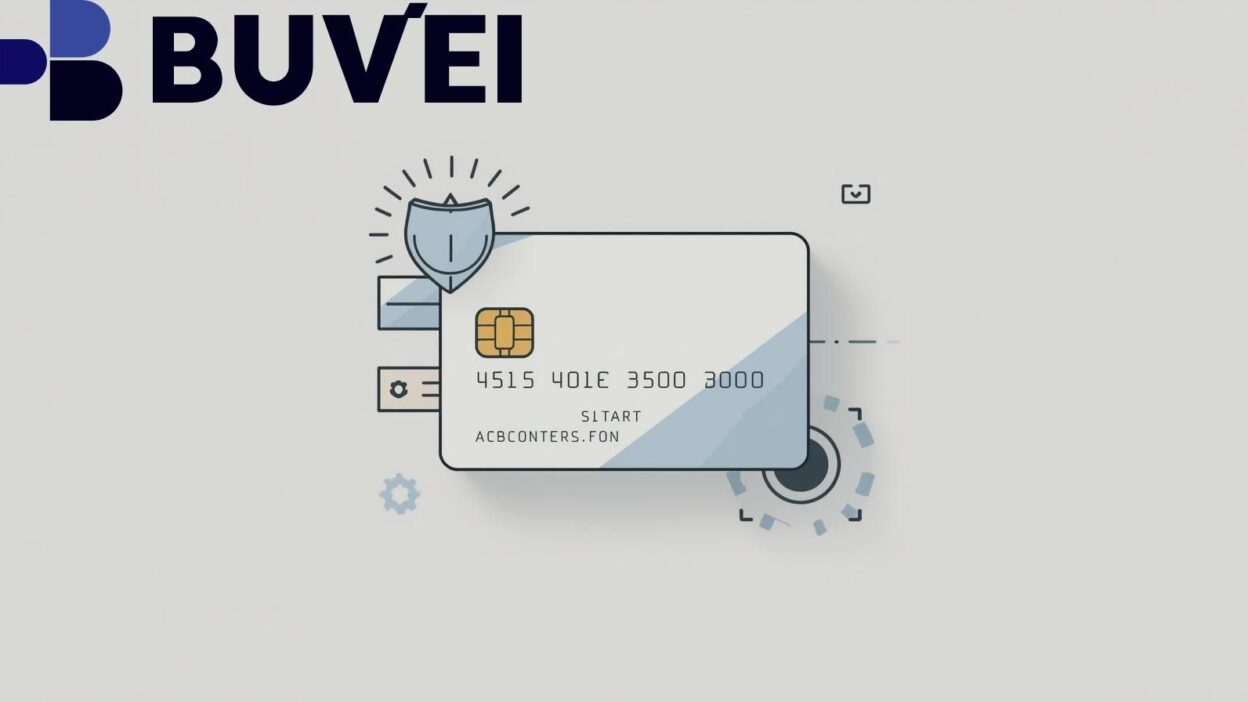
One-time virtual cards offer a smarter way to access free trials without exposing your primary payment methods or worrying about unexpected renewals. This guide explains how they work, why they matter, and how platforms like Buvei make trial management safer and more efficient.
Why Free Trials Still Require Payment Details
Despite being labeled as “free,” most trials require a card for one simple reason: automatic conversion.
Service providers want to:
-
Ensure users are legitimate
-
Reduce abuse of trial offers
-
Seamlessly charge users when the trial ends
The problem is that many users forget to cancel on time—or struggle to find cancellation settings—resulting in unwanted charges. When multiple trials are active at once, tracking them becomes even harder.
Risks of Using Personal Cards for Trials
Using your main debit or credit card for free trials may seem convenient, but it carries several risks:
-
Unexpected charges if you forget to cancel
-
Difficult refunds due to strict trial policies
-
Card exposure across dozens of unfamiliar platforms
-
Recurring billing issues that continue unnoticed
-
Account disruption if a merchant flags or blocks your card
For freelancers, startups, or teams testing many SaaS tools, these risks add up quickly.
How One-Time Virtual Cards Work
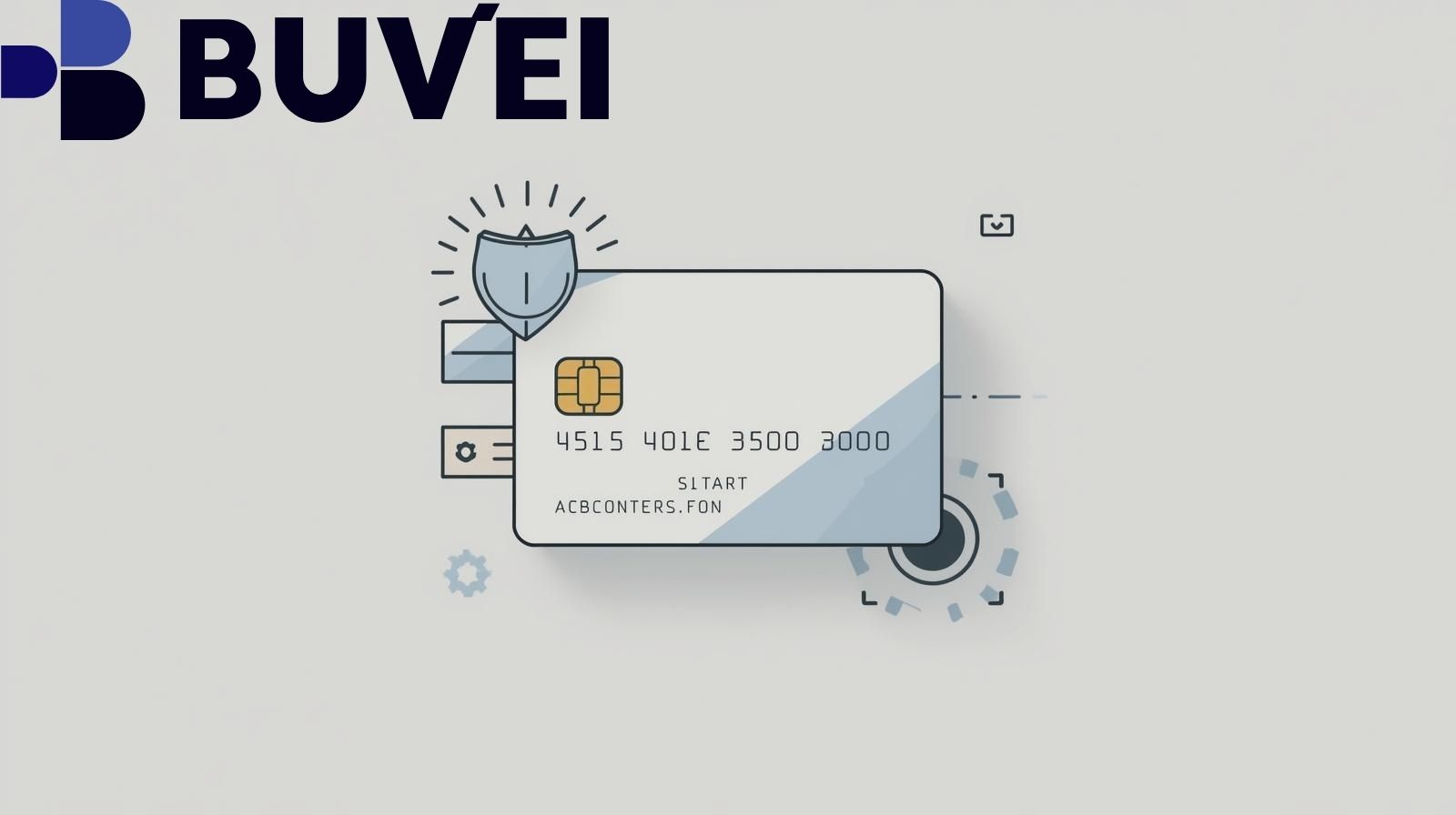
One-time virtual cards are designed for limited or single-use payments.
Key characteristics include:
-
A unique card number generated for a specific transaction or purpose
-
Automatic expiration or invalidation after use
-
Predefined spending limits
-
No direct link to your primary bank card
When used for free trials, one-time virtual cards can:
-
Authorize the initial trial signup
-
Prevent charges once the trial ends
-
Eliminate the need to remember cancellation deadlines
This makes them ideal for testing services without long-term commitment.
How to Set Up One-Time Virtual Cards with Buvei
Buvei offers one-time and limited-use virtual cards built for subscriptions, trials, and online services.
With Buvei, you can:
-
Instantly generate one-time virtual cards from a single dashboard
-
Set strict spending caps that block trial-to-paid conversions
-
Assign cards specifically to trial signups
-
Replace or regenerate cards in seconds
-
Use cards optimized for international SaaS platforms
Instead of risking your main card, you isolate each trial with a dedicated payment method—keeping full control over what can and cannot be charged.
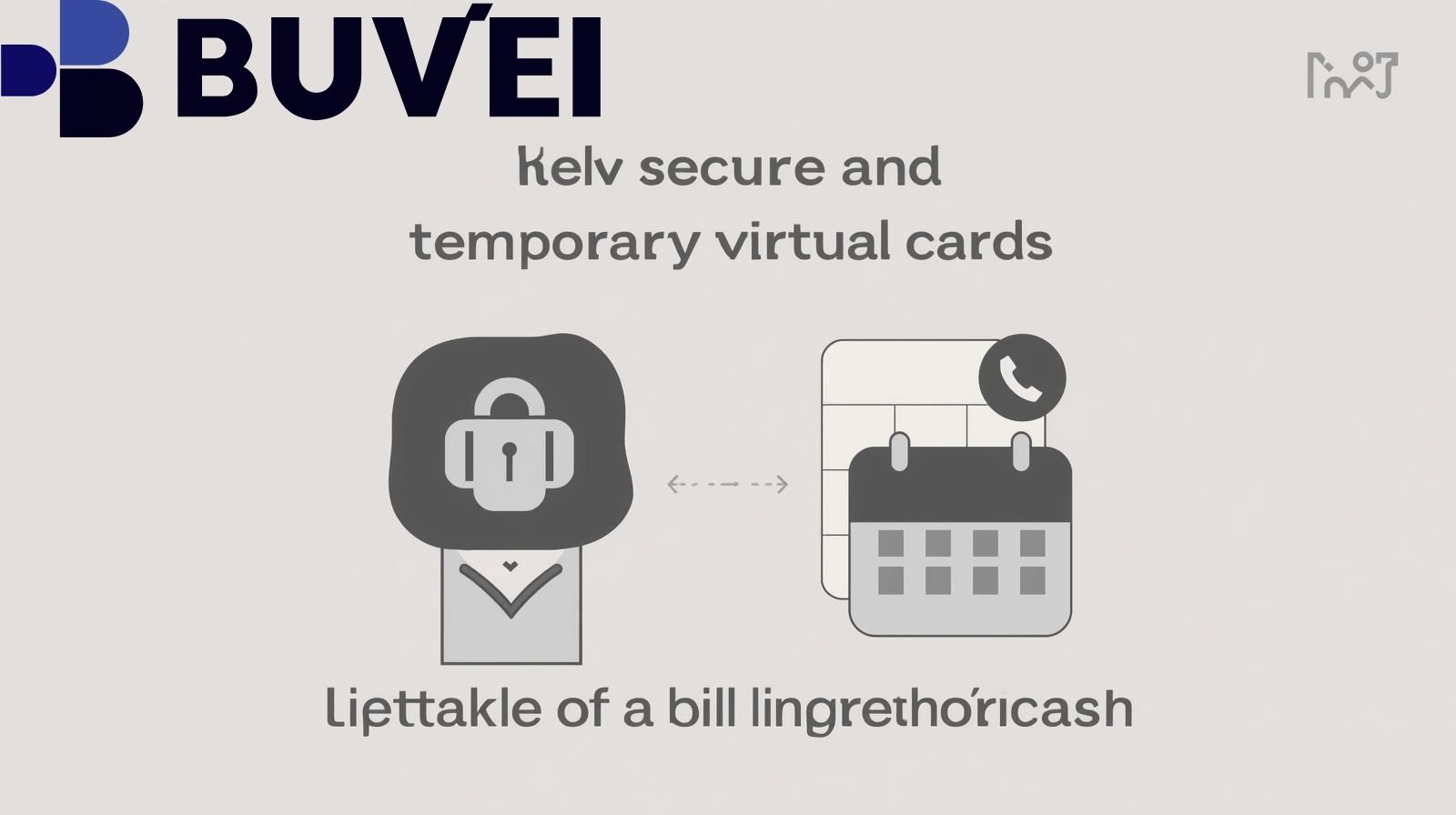
Managing Trial Renewals Safely
Even with one-time virtual cards, good trial management habits matter.
Best practices include:
-
Naming cards after the service being tested
-
Tracking trial end dates in a simple list or calendar
-
Using one-time cards for short trials and capped cards for longer evaluations
-
Keeping a separate card for must-keep subscriptions
-
Regularly reviewing active cards and limits
This approach ensures that free trials remain useful—not costly.
Final Thoughts
Free trials should help you evaluate services, not create billing headaches.
One-time virtual cards provide a practical solution by eliminating surprise charges, reducing card exposure, and giving you full control over trial payments. Platforms like Buvei make it easy to create and manage these cards at scale, allowing you to explore new tools with confidence—without worrying about what happens after the trial ends.