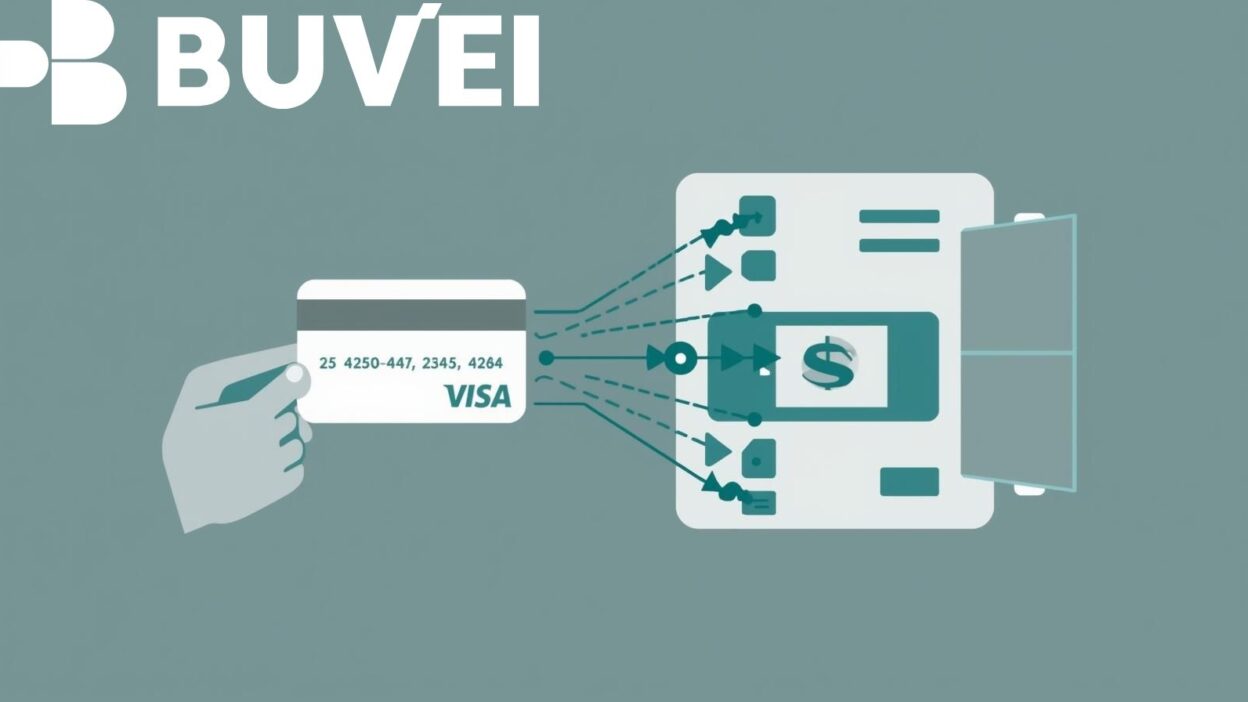
Cloud platforms such as AWS, Azure, Google Cloud, and other SaaS infrastructure providers have become essential tools for developers, startups, and global teams. However, most cloud platforms still require a credit card during account creation, which creates friction for users without access to traditional credit cards.
This guide explains why cloud providers insist on payment methods, the risks of using personal credit cards, and how virtual cards—especially Buvei virtual cards—enable cloud account creation without relying on a traditional credit card.
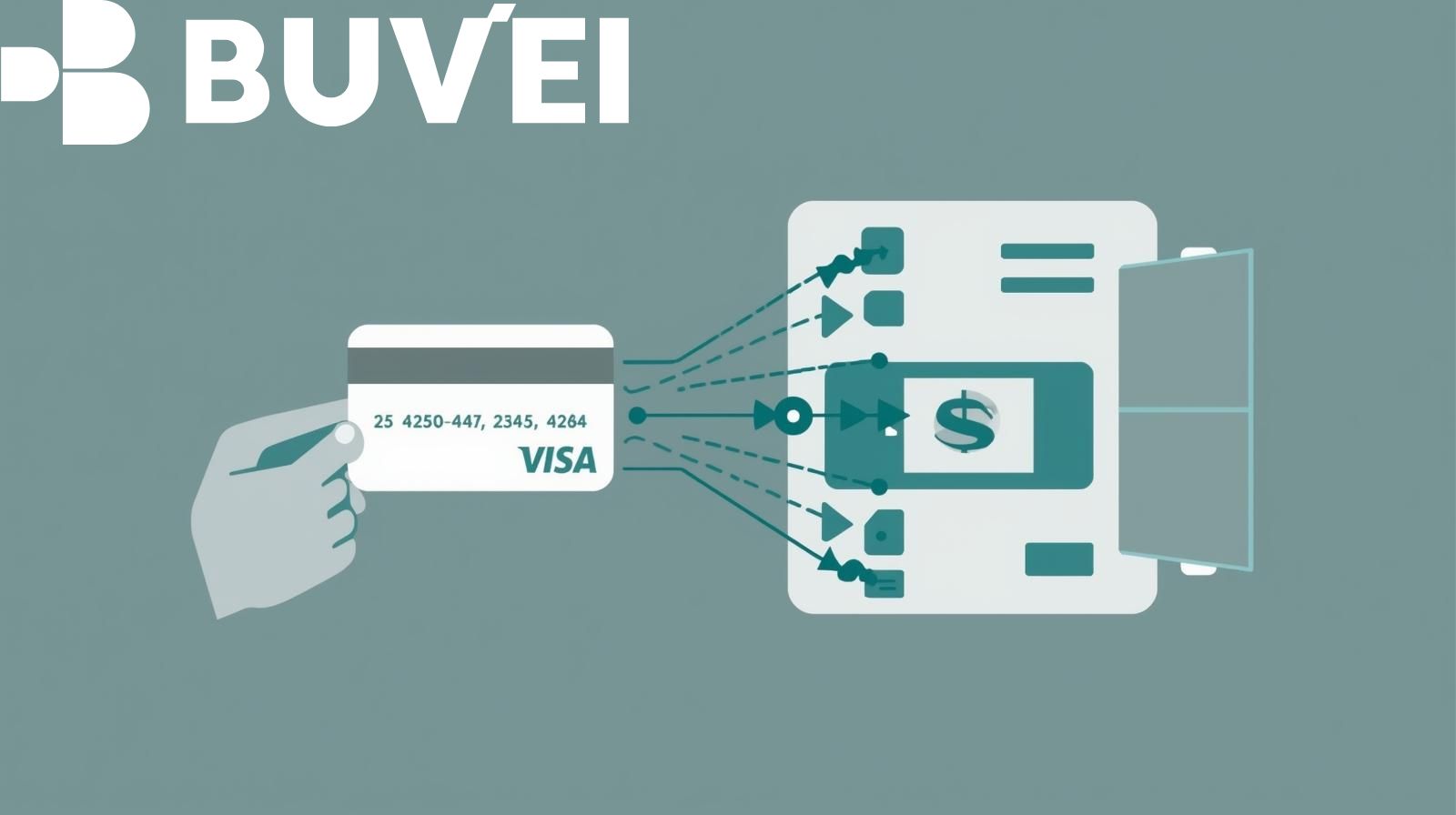
Why Cloud Platforms Require Payment Methods
Cloud providers require a payment method at signup for several reasons:
-
Identity verification and fraud prevention
-
Authorization for usage-based billing
-
Automatic charging for pay-as-you-go services
-
Prevention of abuse through free-tier exploitation
Even if you plan to stay within free-tier limits, most platforms still require a valid card on file to activate the account.
Problems with Using Personal Credit Cards for Cloud Services
Using a personal credit card for cloud services may seem convenient, but it introduces several risks:
-
Unexpected charges due to misconfigured resources
-
Difficulty separating personal and project expenses
-
Exposure of primary card details to third-party platforms
-
Complications when managing multiple cloud accounts
-
Account disruptions if the card expires or is blocked
For developers, agencies, and startups, these risks grow as cloud usage scales.
How Virtual Cards Enable Cloud Account Creation
Virtual cards act as functional substitutes for traditional credit cards while offering better control.
A virtual card suitable for cloud account creation should:
-
Be issued under Visa or Mastercard
-
Support recurring and variable billing
-
Allow balance-based spending control
-
Be easy to replace if flagged or declined
-
Have a stable BIN reputation (US BINs preferred)
When configured correctly, virtual cards work reliably for cloud account verification and ongoing billing.
Step-by-Step: Creating Cloud Accounts Without a Credit Card
Here’s how to create cloud accounts using a virtual card instead of a personal credit card:
-
Choose the cloud platform (AWS, Azure, GCP, etc.)
-
Start the account registration process
-
When prompted for payment details, select Credit or Debit Card
-
Enter your virtual card information:
-
Card number
-
Expiration date
-
CVV
-
-
Complete identity or phone verification if required
-
Finish account setup
As long as the virtual card meets billing requirements, the account will be activated successfully.
How to Use Buvei Virtual Cards for Cloud Billing
Buvei provides a streamlined way to issue virtual cards designed for cloud and SaaS payments.
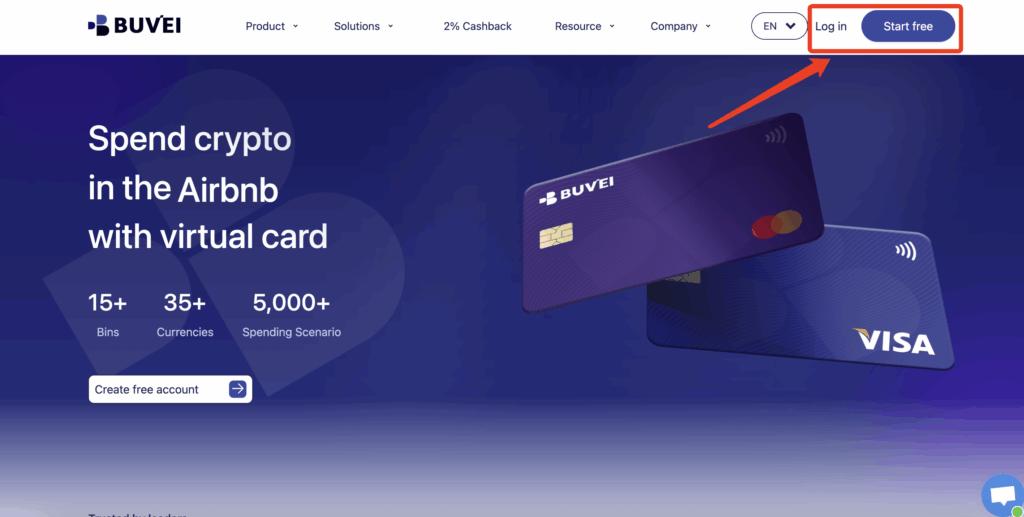
Step 1: Register a Buvei Account
-
Visit https://buvei.com
-
Create a free account
-
Complete email verification
-
Log in to access the Buvei dashboard
Step 2: Fund Your Buvei Wallet
-
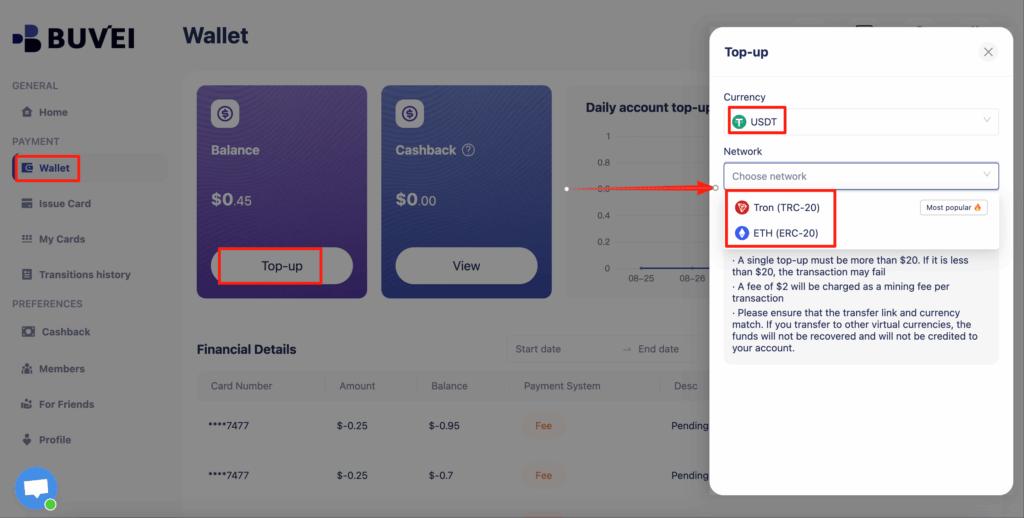
Navigate to the Wallet section
-
Select USDT (TRC20 or ERC20) as your funding method
-
Copy your dedicated deposit address
-
Transfer funds to the address
Once the transaction is confirmed on-chain, your balance becomes available immediately.
Step 3: Create a Virtual Card
-
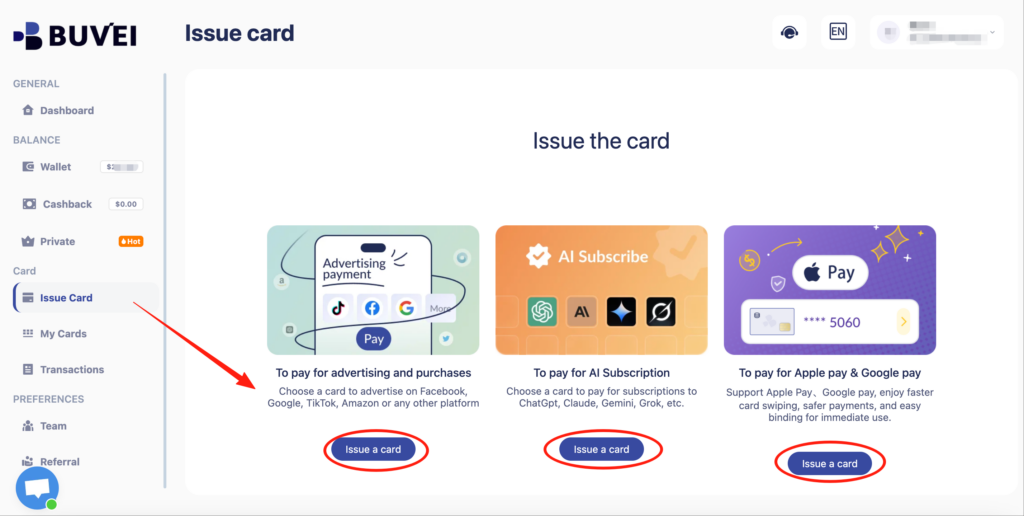
Go to Cards → Create Card
-
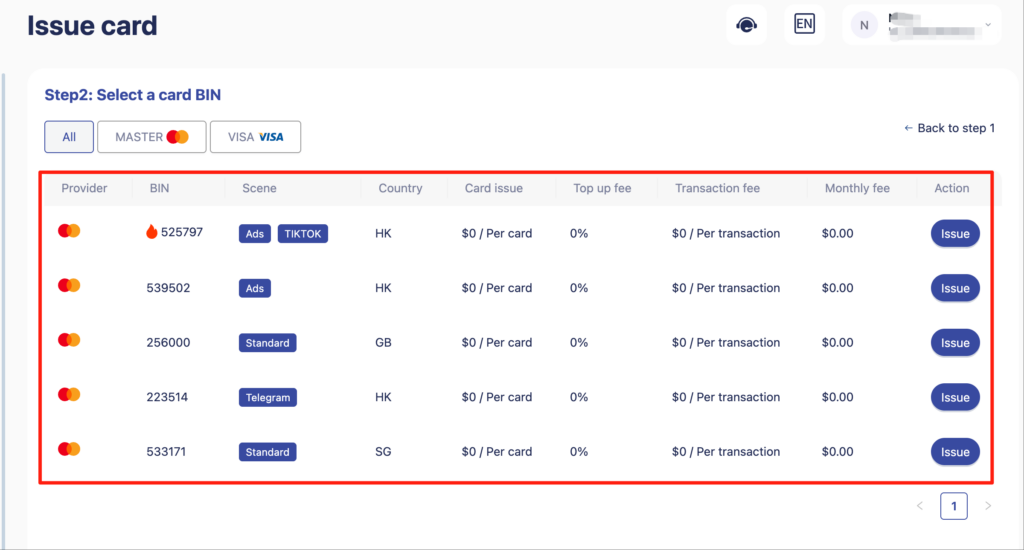
Configure:
-
BIN region (US BIN recommended for cloud platforms)
-
Card type (Visa or Mastercard)
-
Initial card balance based on expected usage
-
-
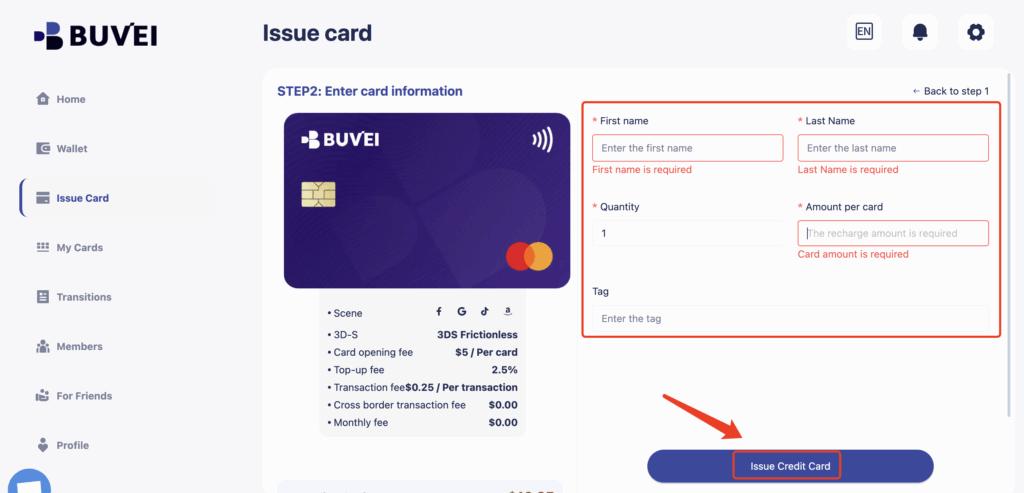
Click Issue Card
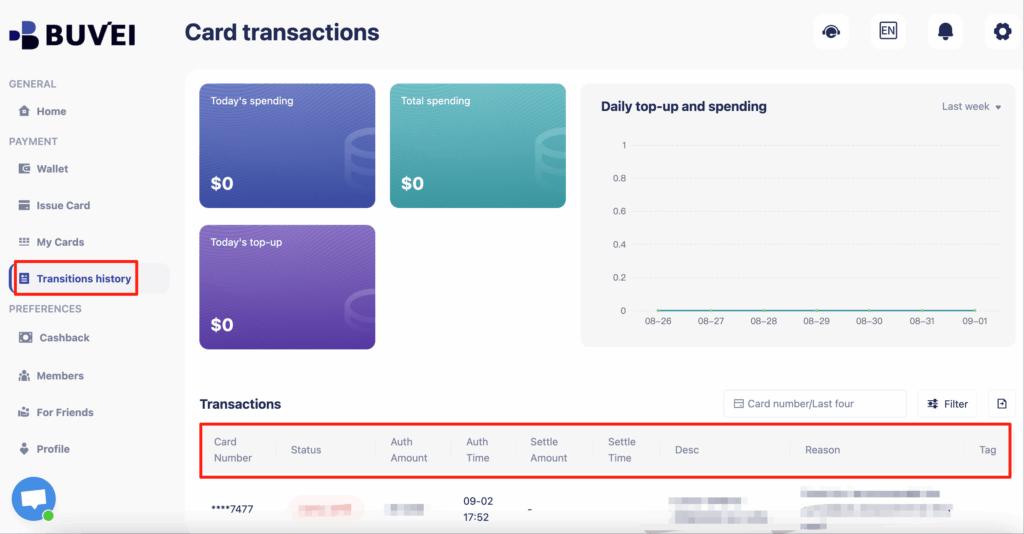
After issuance, visit My Cards to view card details, balance, and transaction activity.
Step 4: Add the Card to Your Cloud Account
Use the Buvei virtual card details to complete the payment setup on your chosen cloud platform.
If an ad account receives warnings, payment retries, or early restrictions:
-
Stop using the existing card
-
Issue a new virtual card
-
Attach it only after resolving policy issues
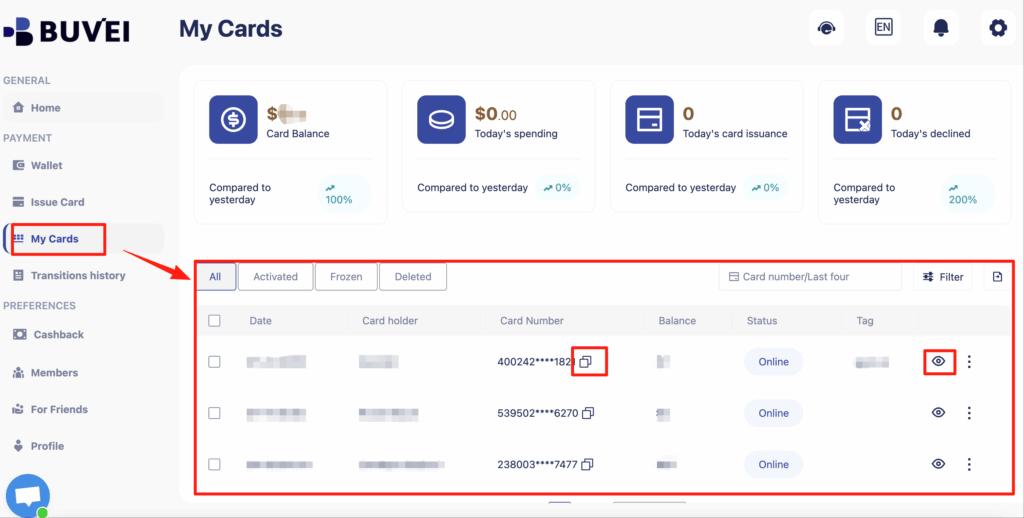
From My Cards, affiliates can monitor balances, spending activity, and transaction history—making it easier to spot early warning signs.
Managing Cloud Costs with Card Limits
One of the biggest risks in cloud usage is uncontrolled spending. Virtual cards help mitigate this risk naturally.
Best practices include:
-
Funding cards only with budgeted amounts
-
Using separate cards for different cloud accounts or projects
-
Letting usage pause automatically if balance is exhausted
-
Monitoring spending directly from the card dashboard
Card-based limits act as an additional safety layer beyond cloud-native budgets and alerts.

Final Thoughts
Creating cloud accounts without a traditional credit card is increasingly important for developers and teams operating globally. Virtual cards offer a practical, flexible alternative that meets cloud providers’ billing requirements while reducing financial risk.
With Buvei virtual cards, you can fund cloud accounts using stablecoins, issue US BIN virtual cards quickly, and maintain clear control over cloud spending. For anyone building or scaling cloud infrastructure, virtual cards provide a smarter way to get started without relying on personal credit cards.