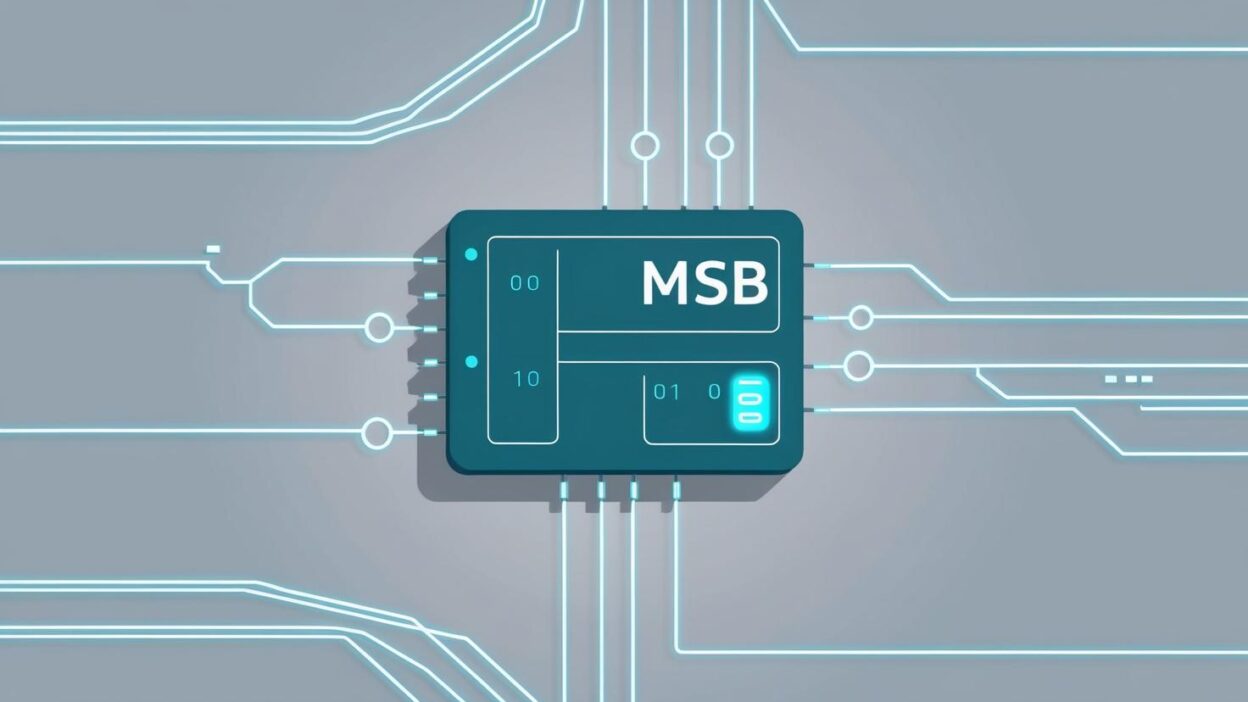
The MSB License (Money Services Business License) is issued by the Financial Crimes Enforcement Network (FinCEN), a bureau of the U.S. Department of the Treasury. For businesses involved in money transmission and related services, holding an MSB license is essential to ensure compliance with U.S. anti-money laundering (AML) laws and financial regulations.
Which Businesses Are Required to Hold an MSB License?
Under the U.S. Bank Secrecy Act (BSA), the following types of businesses must register as MSBs and comply with regulatory requirements:
-
Digital Currency Platforms: This includes crypto-to-crypto exchanges, over-the-counter (OTC) trading, and digital wallet services related to virtual assets.
-
Cross-Border Payment Providers: Third-party payment processors and B2B international clearing platforms handling cross-border fund transfers.
-
Foreign Exchange Services: Businesses involved in exchanging fiat currencies and virtual currencies.
-
Prepaid Card Issuance and Clearing Platforms: Providers of prepaid card issuance, processing, and settlement services.
- Check Cashing and Cash In/Out Services: Businesses offering cash withdrawals, deposits, and check-cashing services.

Latest Regulatory Updates
As digital currency and blockchain technologies evolve rapidly, U.S. regulators continue to enhance oversight of MSB activities. In 2024, FinCEN issued updated guidance emphasizing:
-
Strengthening customer identification (KYC) and transaction monitoring procedures.
-
Enforcing stricter anti-money laundering (AML) compliance measures.
-
Increasing transparency requirements for virtual asset exchanges and wallet providers.
-
Enhancing tracking and reporting of cross-border fund flows.
These updates require MSB license holders to continuously improve their compliance frameworks, cooperate proactively with regulatory reviews, and mitigate risks of non-compliance.
Practical Compliance Recommendations
-
Enhance KYC Procedures: Utilize advanced identity verification technologies to ensure accurate and authentic customer data, reducing money laundering risks.
-
Implement Real-Time Transaction Monitoring: Leverage big data analytics and AI tools to detect suspicious activities and potential threats promptly.
-
Conduct Regular Internal Compliance Training: Equip staff with up-to-date knowledge of AML regulations and enforcement policies.
-
Maintain Open Communication with Regulators: Stay informed of regulatory changes and adjust compliance strategies accordingly.
-
Optimize Cross-Border Fund Flows: Use legally compliant payment channels to ensure transparency and security in fund movements.
In today’s fast-paced landscape of cross-border payments and blockchain innovation, obtaining and maintaining an MSB license is critical for businesses aiming for compliance and sustainable growth. By actively embracing regulatory requirements and continuously enhancing compliance systems, companies can effectively mitigate legal risks and build lasting trust with customers and partners. Staying abreast of regulatory developments and employing professional compliance solutions and technology will enable a secure, transparent operational environment and support healthy business growth.