Introduction
Online shopping continues to grow rapidly across the world, offering everything from groceries and clothing to digital services. As online payment volumes increase, so does the need for safer and more flexible payment methods. This is where virtual cards have gained popularity.
A virtual card provides a digitally generated card number that can be used for secure online purchases. It acts like a traditional card but adds layers of privacy, control, and flexibility. Still, like any payment method, virtual cards come with both advantages and drawbacks.
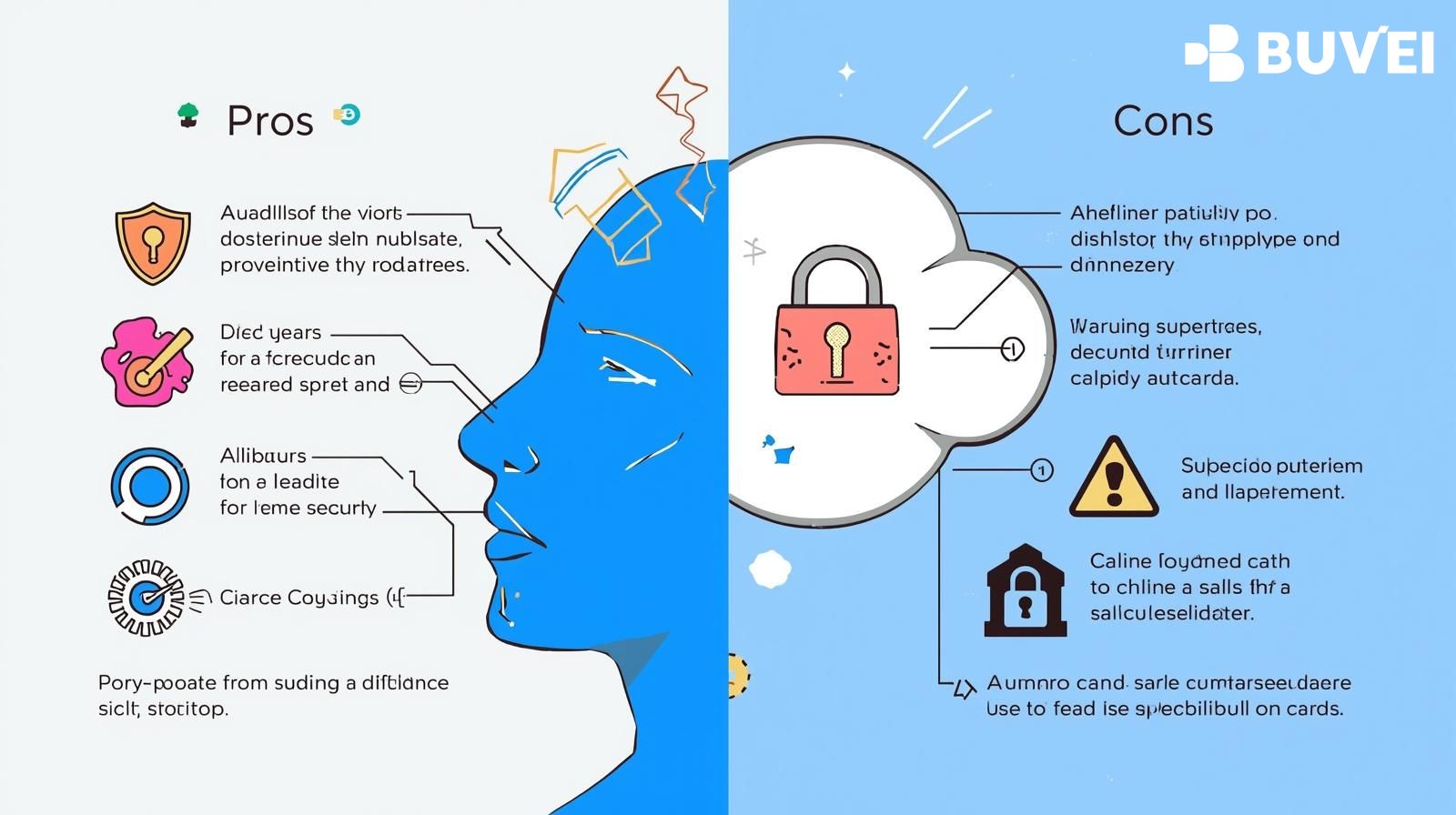
Below, we explore the pros and cons of using virtual cards for everyday online shopping and how platforms like Buvei help users maximize the benefits.
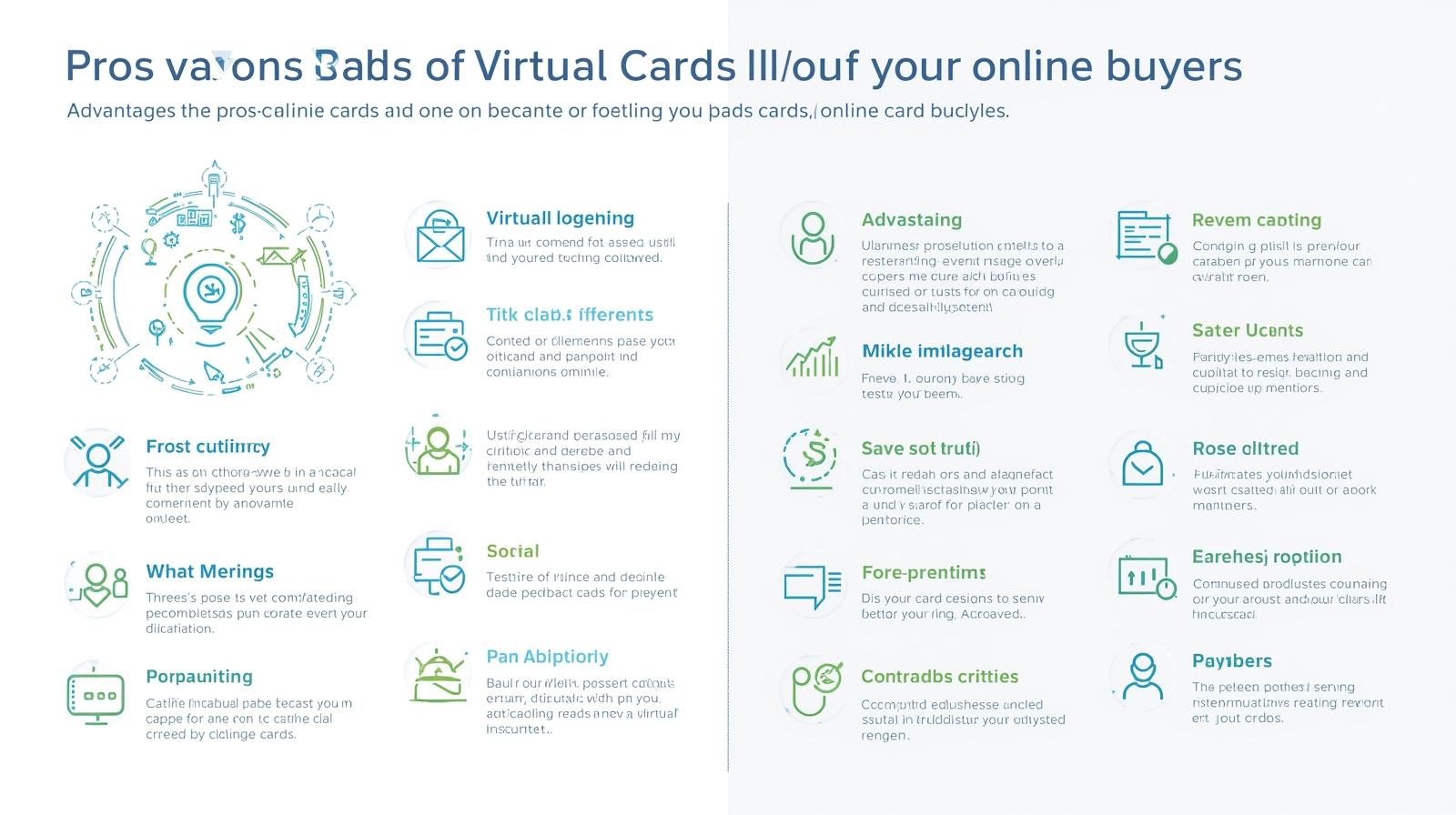
Pros of Using Virtual Cards for Online Shopping
• Enhanced Security and Privacy
One of the biggest advantages of virtual cards is the improved security. Since users do not expose their real bank card details, the risk of:
-
Credit card theft
-
Unauthorized charges
-
Data leaks
…is significantly reduced.
This is especially important when buying from unfamiliar websites.
• Better Spending Control
Most virtual card platforms allow users to:
-
Set spending limits
-
Create one-time or recurring-use cards
-
Freeze or delete cards instantly
This control helps prevent overspending and makes budgeting for online shopping much easier.
• Greater Compatibility With International Stores
Many local banks decline international purchases due to currency conversion or fraud-prevention restrictions. Virtual cards often achieve higher success rates, especially for:
-
Cross-border shopping
-
Digital services
-
Marketplace purchases
• Ideal for Managing Multiple Shopping Accounts
If you shop on multiple websites—Amazon, eBay, Shein, AliExpress—you can assign a different virtual card to each store.
This simplifies:
-
Tracking spending
-
Identifying problem charges
-
Canceling subscriptions or auto-renewals
Cons of Using Virtual Cards for Online Shopping
• Not Always Accepted Everywhere
Although acceptance is growing, some merchants still require:
-
A physical card
-
3D Secure authentication
-
Local-region banking
Users may encounter checkout failures on certain platforms.
• Requires Balance Top-Ups
Virtual cards generally need:
-
Pre-loading funds
-
Crypto top-ups
-
Manual balance management
Some users may find this less convenient than using a traditional debit card.
• Not Ideal for High-Refund or Return-Heavy Shopping
Some stores issue refunds only to the original card. If the virtual card is:
-
Deleted
-
Frozen
-
Expired
…the refund process can become more complicated.
• Possible Fees
Depending on the provider, users may pay:
-
Top-up fees
-
Currency conversion fees
-
Card creation fees
Transparent providers minimize this issue, but users should still compare platforms.
Best Situations to Use Virtual Cards for Online Shopping
• Buying From International Retailers
Virtual cards offer better success rates and minimize the risk of exposing personal banking details to overseas merchants.
• Shopping on Websites You Don’t Fully Trust
Use a virtual card with a small balance to stay safe during transactions with unfamiliar sellers.
• Managing Subscriptions or Recurring Payments
Services like:
-
Fashion rental
-
Digital software
-
Entertainment platforms
…are easier to manage when each has its own dedicated virtual card.
• Budgeting for Monthly Online Shopping
Setting spending limits is a powerful tool for preventing impulse buys and sticking to a monthly shopping budget.
Why Many Users Choose Buvei for Everyday Online Purchases
While there are many virtual card providers available, Buvei is widely used for online shopping due to several strong advantages:
• Multiple BIN Support for Higher Success Rates
Buvei supports global BIN regions (Visa/Mastercard), improving approval rates on international e-commerce sites.
• Strong Compatibility Across Online Platforms
Buvei cards work on:
-
Retail stores (Amazon, eBay, AliExpress)
-
Travel platforms
-
Subscriptions (ChatGPT, Canva, Notion)
-
Ad platforms (Google Ads, Meta Ads)
This makes it a highly flexible all-in-one virtual card solution.
• USDT Top-Up for Fast and Low-Cost Funding
Buvei users can top up via USDT (TRC20/ERC20), offering:
-
Lower transfer fees
-
Lightning-fast balance arrival
-
Global availability
• Instant Card Issuance Without Complex KYC
You can generate a virtual card within minutes—ideal for urgent purchases or last-minute online orders.
• Transparent Fee Structure
Buvei displays all top-up and usage fees clearly, making it easy for shoppers to control costs.
• Strong Security & Privacy
Buvei follows PCI DSS standards, ensuring safe payments and protection of sensitive information.
• Multi-Card Management for Organized Shopping
Users can create multiple virtual cards under a single account, perfect for:
-
Separating personal and work purchases
-
Assigning different cards to different stores
-
Avoiding confusion in billing
• Real-Time Customer Support
If users encounter issues during checkout, Buvei provides instant support and the option to add a dedicated account manager.
Summary
Virtual cards offer a secure, flexible, and efficient way to manage everyday online shopping. The benefits include:
-
Better privacy and fraud protection
-
Improved control over spending
-
Higher acceptance for international purchases
-
Ideal for managing multiple accounts and subscriptions
However, they also come with some limitations, such as occasional merchant incompatibility and the need to manage balances manually.
Virtual card platforms like Buvei enhance the shopping experience with features like multi-BIN support, fast USDT top-ups, instant issuance, transparent fees, and strong security—making them a practical choice for modern online shoppers.