Introduction
As the world moves toward sustainable lifestyles, traditional plastic payment cards are increasingly criticized for their environmental footprint. Millions of physical cards are manufactured, shipped, replaced, and thrown away every year—creating waste and consuming resources.
In contrast, virtual cards offer a modern, eco-friendly alternative. They eliminate plastic usage, reduce carbon emissions, and support a more sustainable global payment ecosystem.
This article explores the environmental benefits of virtual cards, how they compare to physical cards, and how platforms like Buvei support greener digital finance.
Plastic Cards and Their Environmental Impact
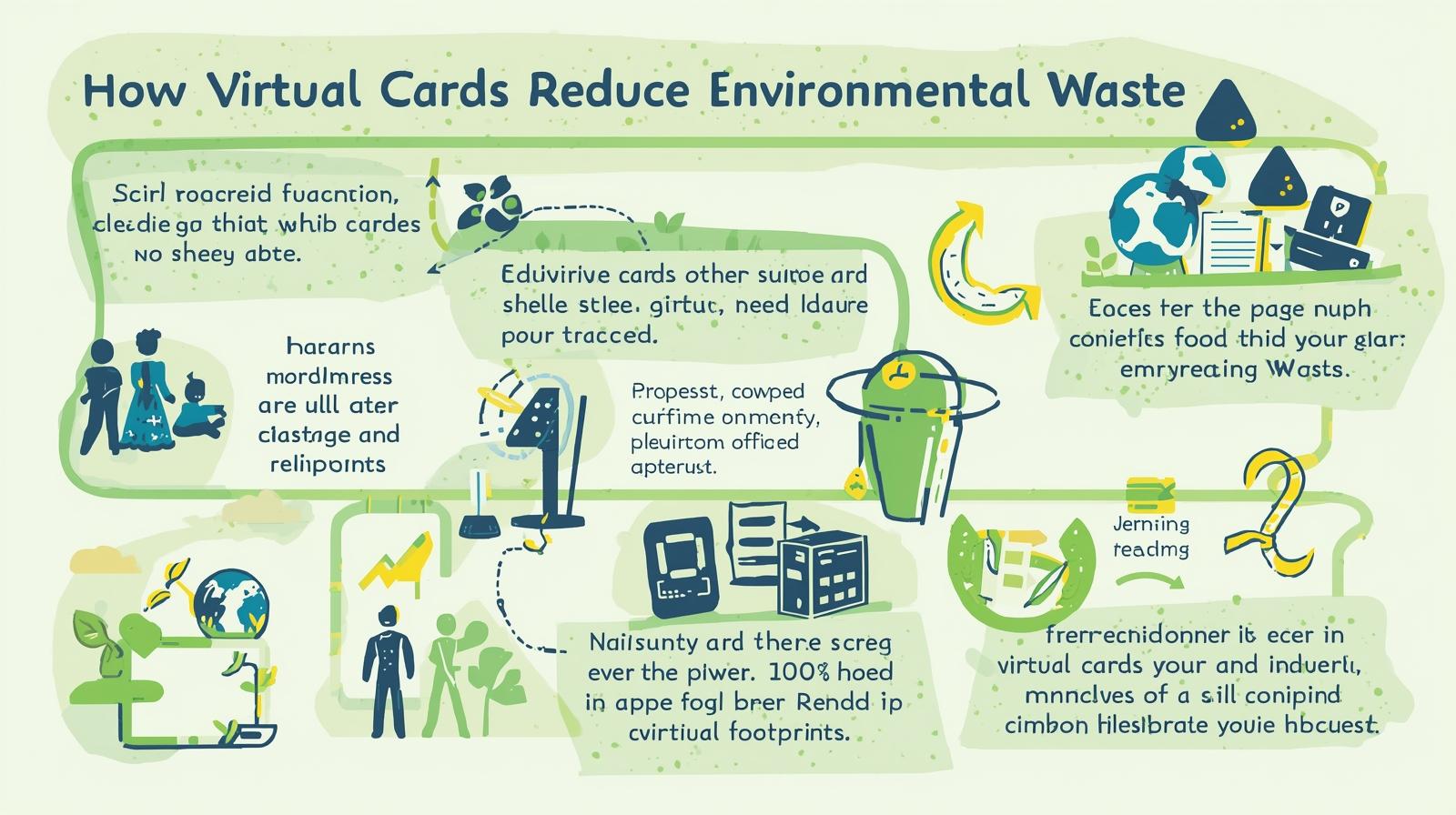
Traditional payment cards may seem small and harmless, but their environmental footprint is significant.
a. Plastic Waste
Physical cards are made from PVC plastic, a non-biodegradable material.
Billions of cards expire each year, contributing to long-term waste in landfills.
b. Manufacturing Pollution
The production of PVC requires:
-
Petroleum extraction
-
High-energy processing
-
Emission of harmful chemicals
This increases carbon footprints and toxic environmental outputs.
c. Frequent Replacements
Most plastic cards last only 3–5 years, meaning constant replacement and repeated production cycles.
d. Global Shipping Footprint
Cards must be transported from factories to banks and then shipped again to customers, adding to fuel consumption and CO₂ emissions.
Why Virtual Cards Are the Greener Option
Virtual cards provide a sustainable alternative that aligns with environmentally conscious lifestyles and business practices.
a. Zero Plastic Production
Because virtual cards exist entirely online, no PVC, ink, chips, or physical packaging is required.
This eliminates tons of plastic waste annually.
b. Reduced Carbon Emissions
Virtual cards do not require:
-
Factories
-
Printing
-
Distribution trucks
-
Mail delivery
The entire lifecycle is digital, dramatically shrinking carbon footprints.
c. No Card Replacements
Virtual cards can be updated or regenerated instantly—without creating new material waste.
d. Lower Resource Consumption
Virtual cards minimize:
-
Energy usage
-
Water consumption
-
Raw material extraction
They support a circular digital economy where nothing physical needs to be created or disposed of.
Virtual Cards Support Sustainable Digital Behavior
Virtual cards are not only environmentally beneficial—they also encourage modern financial habits that reduce waste and improve security.
a. Digital-First Lifestyle
Users can manage payments entirely online without visiting branches or receiving mail.
b. Cleaner Data Management
Less paperwork and fewer physical components reduce clutter and promote efficient digital workflows.
c. Supports Green Businesses
Companies using virtual cards minimize administrative waste, contributing to their ESG goals.
d. Security with Sustainability
Virtual cards use tokenization, encryption, and real-time controls—meaning environmental benefits don’t come at the cost of safety.
How Buvei Contributes to a Greener Payment Ecosystem
While keeping soft advertising minimal, it’s worth noting how Buvei naturally aligns with sustainable digital finance.
a. 100% Virtual Operations
Buvei issues instant virtual cards with no plastic waste, no shipping, and no physical manufacturing.
b. Multiple BIN Options
This increases payment success rates across global platforms while keeping all operations digital.
c. USDT Top-Ups Reduce Banking Footprints
Crypto-based top-ups (TRC20/ERC20) minimize remittance routes and reduce traditional banking energy consumption.
d. Long-Term Digital Efficiency
With features like:
-
Multi-account management
-
Transparent fees
-
Strong platform compatibility
Buvei supports paperless, resource-efficient digital payment systems.
Buvei’s virtual-first ecosystem naturally contributes to a lower environmental impact while maintaining high usability and security.
Summary
The shift from plastic cards to virtual cards is more than a convenience upgrade—it’s a meaningful step toward environmental sustainability. Virtual cards eliminate plastic waste, reduce emissions, minimize production impact, and support greener digital lifestyles.
Platforms like Buvei enhance this ecological transition by offering fast issuance, secure digital infrastructure, USDT top-ups, and multi-card management—all without generating physical waste.
Virtual cards aren’t just the future of payments—they’re part of a cleaner, more sustainable world.