Introduction
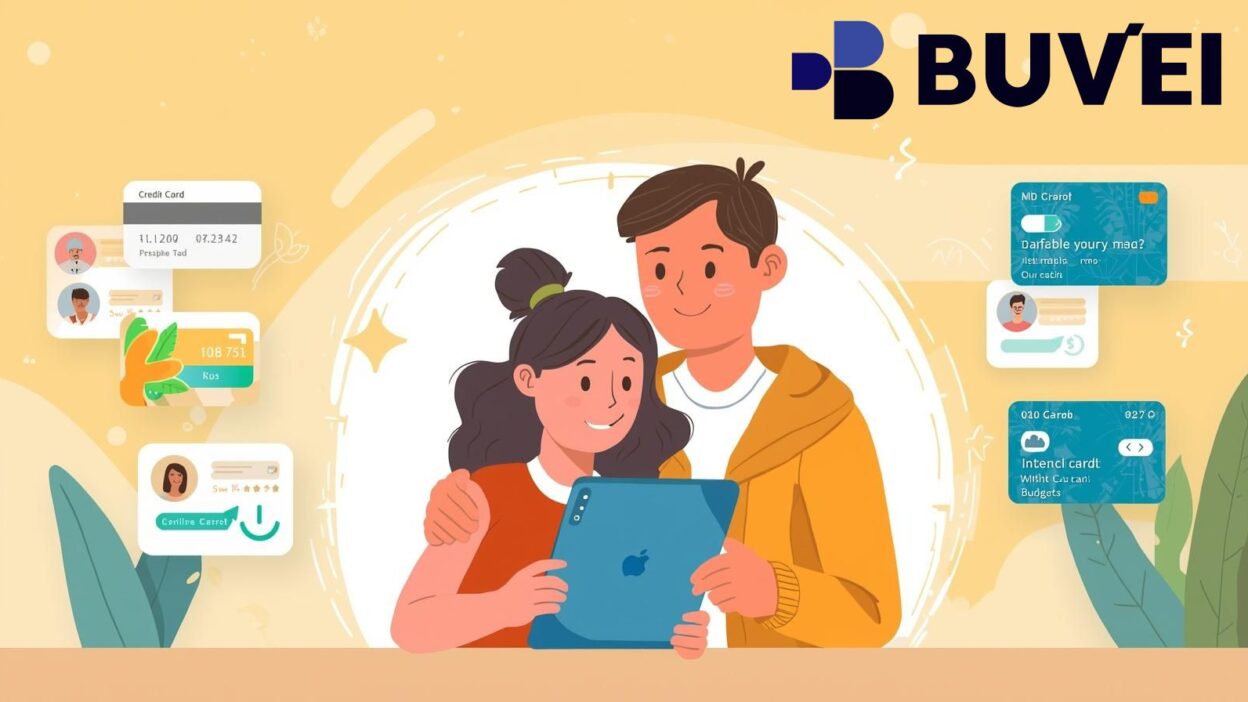
Teaching children how to manage money is an important life skill, especially as more spending shifts online. One effective modern tool for parents is using child-friendly virtual cards, which help kids understand spending limits, saving habits, and responsible online purchasing. These cards give children hands-on learning while allowing parents to stay in full control.
Virtual cards are secure, easy to manage, and ideal for families looking to introduce financial education in a safe environment. Platforms like Buvei further enhance this experience with simple setup, strong security, and flexible multi-card management.

Why Virtual Cards Are Great for Kids’ Budgeting
Traditional teaching methods—such as piggy banks or cash allowances—don’t fully prepare kids for today’s digital financial world. Virtual cards fill this gap by offering:
-
Real-time spending control
-
Clear, trackable limits
-
Safe online use without exposing real bank accounts
-
Practical experience with digital payments
A child-friendly virtual card allows parents to assign a specific balance for snacks, games, school supplies, or monthly allowances. Kids learn to manage the balance independently and make choices based on their budget.
Key Benefits of Child-Friendly Virtual Cards
(1) Spending Limits Build Financial Discipline
Parents can assign a set amount and let kids learn from real spending decisions. When the balance is low, children become more aware of prioritizing needs over wants.
(2) Safe Online Purchases for Kids
Virtual cards protect the family’s bank information. Kids can use the card for small online purchases—such as apps, subscriptions, or school-related items—without risk.
(3) Real-Time Monitoring for Parents
Most platforms offer real-time transaction tracking. Parents know exactly when and where funds are being used, helping guide budgeting discussions.
(4) Encourages Responsibility and Accountability
By managing their own card, kids learn important money skills early—saving, spending wisely, and planning ahead.
Why Families Choose Buvei for Children’s Virtual Cards
While this article focuses on financial education, it’s easy to see why many families prefer a reliable platform like Buvei:
-
Multiple BIN support for stable payments across regions, improving success rates on various online platforms.
-
Strong payment compatibility, enabling use on educational apps, subscriptions, digital stores, and travel purchases.
-
USDT top-up options (TRC20/ERC20) for fast, low-cost funding.
-
Instant card issuance with no complex verification needed, allowing parents to create new cards for kids in minutes.
-
Transparent fees with clear top-up and payment information.
-
Multi-account management, perfect for families wanting one card per child.
-
Security protection with PCI DSS compliance to safeguard financial data.
These features make Buvei convenient, safe, and efficient for families managing multiple children’s budgets.
How Parents Can Use Virtual Cards to Teach Budgeting
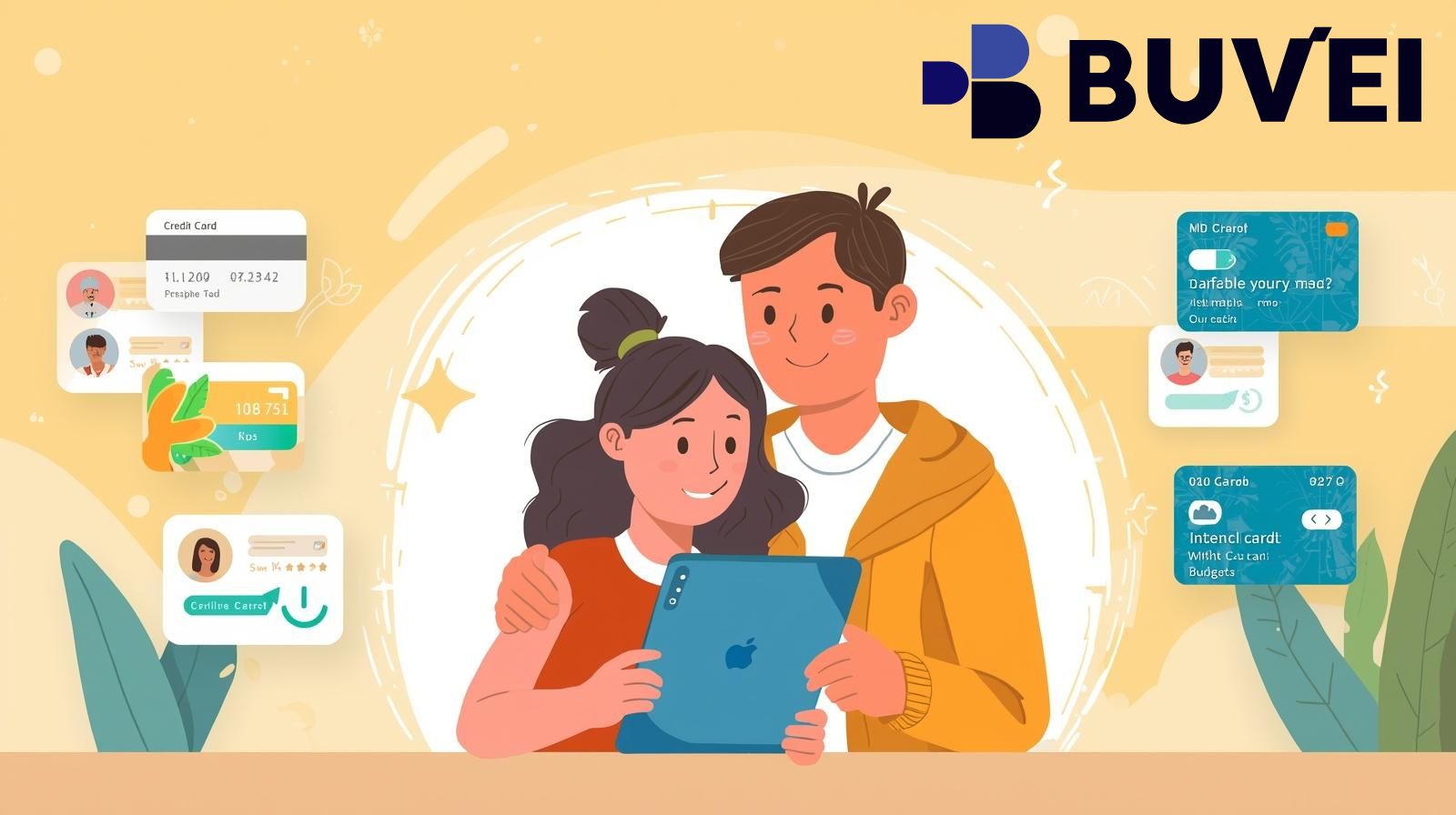
(1) Set a Monthly or Weekly Allowance
Give each child a fixed amount and teach them to stretch the balance throughout the period.
(2) Categorize Spending
Encourage kids to divide the card balance into saving, spending, and emergency mini-budgets.
(3) Review Transactions Together
Sit down once a week and review spending to help children reflect on purchases and learn better decision-making.
(4) Reward Good Financial Behavior
Provide small bonuses or top-ups when kids meet savings goals or make smart spending decisions.
These steps help children develop strong financial habits that last into adulthood.
Conclusion
Child-friendly virtual cards provide a modern, secure, and practical way for families to teach financial literacy. They help children understand budgeting, spending responsibility, and digital money management. With a platform like Buvei, parents can easily create and manage multiple cards, set spending limits, and monitor usage—all while giving kids the freedom to learn.