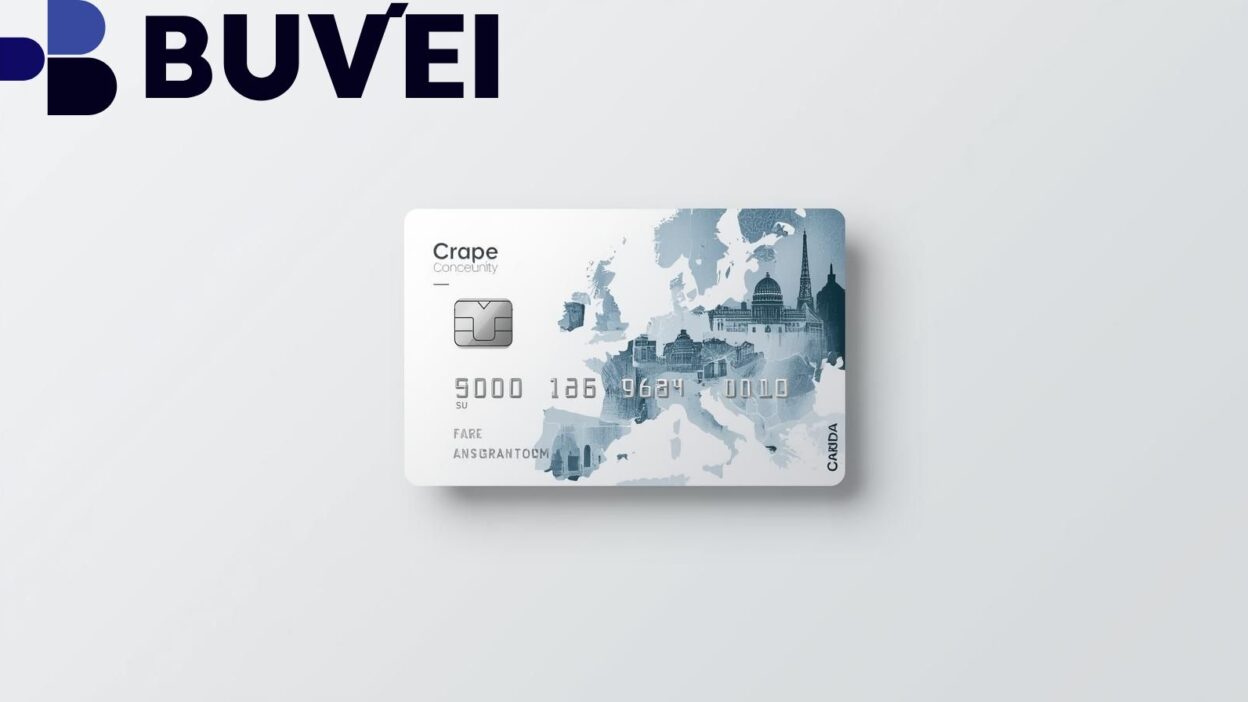
In today's increasingly digital world, virtual cards have become essential for individuals and businesses conducting online transactions. Europe, with its diverse financial regulations and widespread e-commerce, requires solutions that are both secure and versatile. This article explores the top virtual cards that work in Europe, their benefits, and how they can simplify cross-border payments.
Benefits of Using Virtual Cards in Europe
Virtual cards are digital versions of traditional bank cards, offering enhanced security for online transactions. Key advantages include:
-
Fraud protection: Unlike physical cards, virtual cards can be limited to single-use or set spending limits, reducing the risk of unauthorized charges.
-
Privacy: Virtual cards prevent your main account details from being exposed during online purchases.
-
Convenience: You can create and manage virtual cards instantly via banking apps or fintech platforms, making them ideal for EU e-commerce.
-
Cross-border payments: Many virtual cards allow payments in multiple currencies, supporting smooth international transactions across EU countries.
Types of Virtual Cards Available in Europe
Europe offers several types of virtual cards, each designed for specific needs:
-
Prepaid virtual cards: Load funds in advance, perfect for budgeting and online shopping.
-
Disposable single-use cards: Automatically expire after a single transaction, providing maximum security.
-
Business virtual cards: Tailored for corporate expenses, offering employee-specific cards with spending limits and reporting features.
-
Bank-issued virtual cards: Linked directly to your EU bank account, providing familiarity and regulatory protection.
Choosing the right type depends on your payment frequency, spending habits, and security requirements.
How to Get a Virtual Card in Europe
Getting a virtual card in Europe is straightforward:
-
Select a provider: Fintech companies, banks, and neobanks across the EU offer virtual card services.
-
Verify your identity: Comply with KYC (Know Your Customer) regulations, which are standard across Europe.
-
Create the card: Specify the card type, currency, spending limit, and validity period.
-
Start using it: Once activated, your virtual card can be used for online payments immediately, often with support for subscription services, e-commerce platforms, and digital wallets.
This process ensures your card is compliant with EU regulations and ready for secure online transactions.
Tips for Maximizing Virtual Card Usage in Europe
To fully leverage virtual cards in Europe, consider the following tips:
-
Monitor transactions: Use your provider’s app to track spending in real time.
-
Set limits: Prevent overspending and protect against potential fraud.
-
Multiple currencies: Opt for cards supporting multiple currencies to avoid conversion fees while shopping internationally.
-
Regular updates: Renew disposable or short-term virtual cards to maintain security and compliance with payment platforms.
By following these practices, you can enjoy safe, flexible, and efficient online payments throughout Europe.

Conclusion
Virtual cards in Europe are revolutionizing online payments, offering security, privacy, and convenience for both individuals and businesses. With the right card type, proper setup, and smart usage strategies, anyone can navigate the European e-commerce landscape efficiently. Whether for budgeting, subscription management, or international transactions, virtual cards remain a vital tool for digital financial management in the EU.