Introduction
The rise of remote work has transformed how businesses manage payroll and expenses. As teams spread across continents, companies face challenges such as international transaction fees, slow bank transfers, and limited payment accessibility.
Traditional banking systems often fail to meet the flexibility modern businesses require. That’s where virtual cards come in — a fast, secure, and scalable way to pay remote employees and freelancers worldwide.
In this article, we’ll explore how virtual cards simplify global payroll, enhance security, and streamline financial management. We’ll also look at how platforms like Buvei make remote employee payments more efficient and affordable.
Why Virtual Cards Are Ideal for Remote Employee Payments
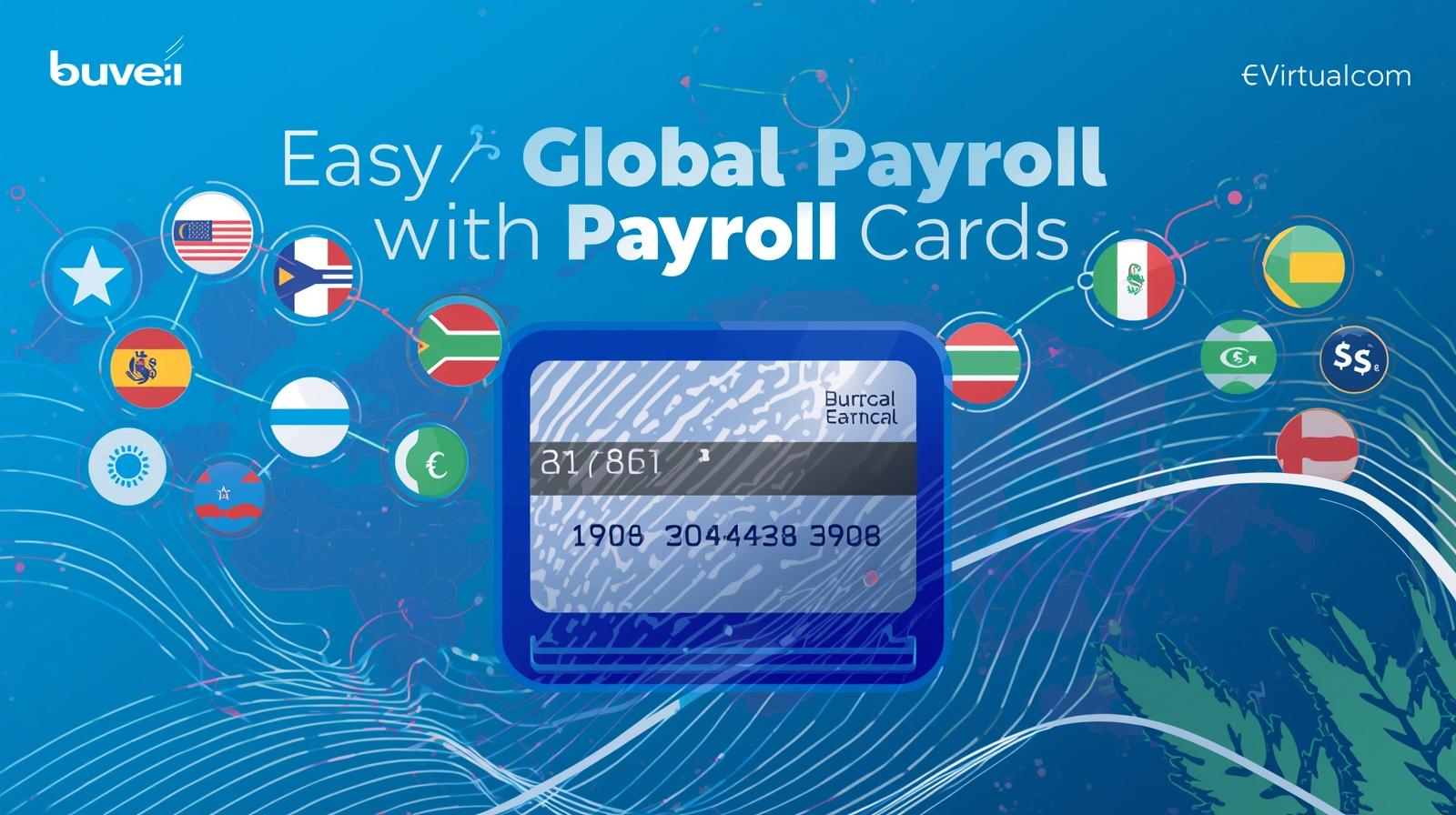
Paying a distributed workforce can be complex. International bank transfers are slow, wire fees can be high, and not all employees have access to supported banking systems.
A virtual card offers a simple solution — it allows businesses to issue digital payment cards to each employee or contractor, enabling them to access funds instantly for work-related expenses or payouts.
Key advantages include:
-
Instant global payments — no waiting days for cross-border transfers.
-
Low transaction fees — save significantly compared to wire or PayPal transfers.
-
Multi-currency support — employees can spend or withdraw in their local currency.
-
Real-time control — employers can set spending limits and track usage instantly.
With virtual cards, employers can manage global payroll digitally — all from one secure dashboard.
How Virtual Cards Simplify Remote Workforce Management
Managing a remote team often involves handling multiple currencies, international expenses, and compliance requirements. Virtual cards eliminate many of these hurdles.
Each employee or freelancer can receive a dedicated card for:
-
Monthly salary disbursements
-
Expense reimbursements
-
Project-based payments
Employers can top up cards in bulk, set predefined budgets, and pause or close cards anytime — all through a centralized management system.
This approach increases efficiency, reduces accounting errors, and helps HR and finance teams maintain transparency and spending control. It’s especially useful for companies working with freelancers, remote teams, and overseas contractors who need fast and reliable access to payments.
Benefits of Using Buvei Virtual Cards for Remote Payments
When it comes to managing global payouts, Buvei Virtual Cards provide businesses with flexibility, security, and speed. Designed for digital-first organizations, Buvei helps employers pay remote staff efficiently across different countries and platforms.
Here are Buvei’s key advantages and highlights:
-
Multiple BIN Support, Boosting Payment Success Rates
Covering global BIN regions (Visa/Mastercard), Buvei ensures optimal payment routes for different regions, reducing transaction failures. -
Strong Payment Compatibility
Buvei’s cards are compatible with Google Ads, Meta Ads, TikTok Ads, Microsoft Ads, and SaaS tools such as ChatGPT, Canva, and Notion. Beyond advertising, they’re ideal for payroll and team expense management across industries. -
USDT Top-up: Low Cost and Fast Arrival
With USDT (TRC20/ERC20) top-up support, Buvei eliminates high remittance fees and provides instant fund availability — perfect for international businesses. -
Instant Card Issuance: Easy to Use
After registration, virtual cards can be instantly created without complex KYC processes, allowing employers to start issuing employee cards right away. -
Transparent Fee Structure
Buvei offers clear, visible fees — no hidden charges. Businesses can easily track top-up and payment costs for accurate accounting. -
Security and Privacy Protection
Virtual card payments comply with PCI DSS standards, protecting both company and employee data from fraud or unauthorized access. -
Multi-Account Management
Employers can issue multiple cards to different team members, top up accounts in batches, and manage everything from a single dashboard. -
Real-Time Online Customer Service
Buvei’s support team provides immediate assistance, and dedicated account managers are available for businesses with ongoing payment needs.
By using Buvei Virtual Cards, companies can handle global payroll operations seamlessly, ensuring fast, secure, and compliant employee payments.

The Main Advantages of Virtual Payroll Cards
To summarize, here are the four major advantages of using virtual cards to pay remote employees:
1. Speed and Convenience
Funds are available instantly, helping employees receive payments on time — no delays from traditional banks.
2. Cost Efficiency
Virtual cards avoid high wire transfer fees and currency conversion costs, saving both the company and employees money.
3. Full Control and Transparency
Employers can monitor spending in real time, manage multiple cards, and easily export payment records for accounting.
4. Strong Security and Privacy
Virtual cards protect sensitive data by separating payment details from bank accounts, reducing fraud risks and ensuring international compliance.
With these benefits, virtual cards are quickly becoming the go-to solution for modern, borderless payroll systems.
Conclusion
As the global workforce continues to expand, companies must find faster, smarter, and more secure ways to manage payroll. Virtual cards offer a revolutionary approach to remote employee payments, providing control, convenience, and peace of mind.
With platforms like Buvei, businesses can easily issue virtual cards, top up funds with USDT, and ensure smooth international transactions without hidden costs or delays.