Introduction
When it comes to online payments, virtual cards have become essential tools for freelancers, entrepreneurs, and digital marketers. Two of the most trusted brands in the world—Visa and Mastercard—offer virtual card solutions that make global transactions seamless and secure.
However, if you’re trying to decide which is better for your needs, it’s important to understand their key differences, benefits, and compatibility with various platforms. This article explores Visa vs Mastercard virtual cards, and why platforms like Buvei make it easier than ever to access both.
What Is a Virtual Card?
A virtual card is a digital version of a credit or debit card that you can use for online payments. It comes with a unique card number, expiry date, and CVV—just like a physical card—but it exists entirely online.
Virtual cards are widely used for:
-
Subscribing to SaaS tools like ChatGPT, Canva, Notion, and Adobe
-
Paying for ads on Google, Meta, TikTok, or Microsoft
-
Protecting privacy and preventing unauthorized charges
Visa Virtual Card – Global Acceptance and Stability
Visa virtual cards are known for their wide acceptance and strong global infrastructure. Here are their main strengths:
-
Broad Global Coverage – Accepted in over 200 countries and millions of merchants worldwide.
-
Currency Flexibility – Ideal for users who frequently transact in USD or EUR.
-
Strong Fraud Protection – Visa’s Zero Liability Policy ensures users are protected against unauthorized transactions.
-
Reliable for SaaS and Ads – Works smoothly with subscription platforms, payment processors, and digital ad networks.
However, some users report that Visa virtual cards may occasionally face region-based restrictions, especially for platforms targeting specific markets.
Mastercard Virtual Card – Versatility and Dynamic Pricing
Mastercard virtual cards are favored for their dynamic compatibility and slightly higher approval rates in some regions.
-
Competitive Exchange Rates – Mastercard often offers better real-time conversion rates on international payments.
-
Robust Security Standards – All Mastercard cards are PCI DSS compliant.
-
Adaptive Platform Integration – Frequently performs better with ad platforms and services that prefer Mastercard BINs.
-
Faster Payment Processing – Transactions are often authorized quicker in high-volume payment scenarios.
Mastercard virtual cards may not always be supported in smaller regional online stores, but they excel in B2B and global SaaS usage.
Visa vs Mastercard Virtual Card: A Quick Comparison
| Feature | Visa Virtual Card | Mastercard Virtual Card |
|---|---|---|
| Global Acceptance | 200+ countries | 190+ countries |
| Exchange Rates | Stable but may vary | Often slightly better |
| Payment Compatibility | Great for subscriptions | Great for ads and SaaS |
| Fraud Protection | Visa Zero Liability | Mastercard ID Theft Protection |
| Transaction Speed | Stable | Slightly faster |
| Platform Preference | Common in US/UK | Preferred in APAC & Europe |
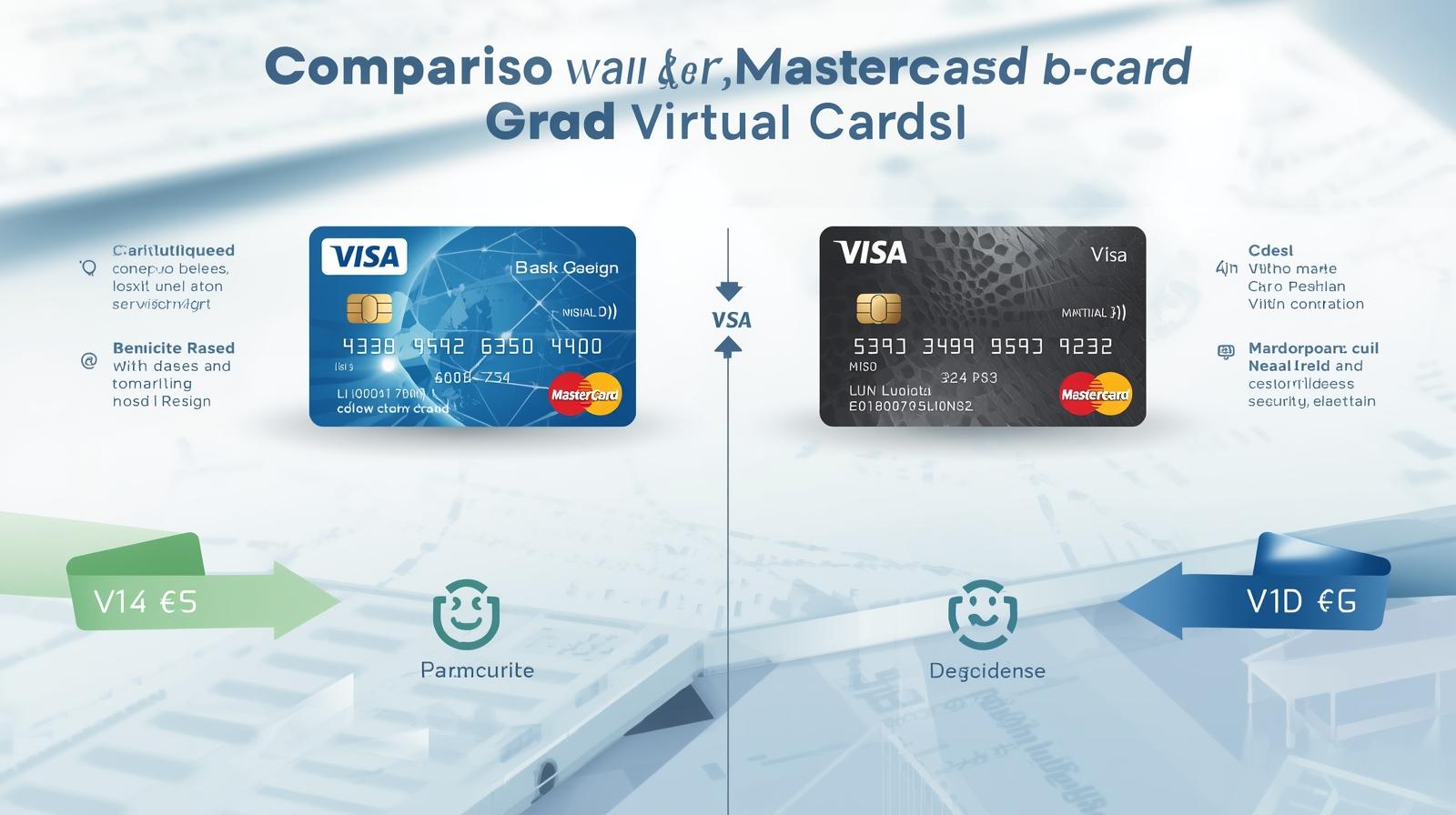
In short, both Visa and Mastercard virtual cards are excellent. The better choice depends on where you pay and what you pay for.
Why Buvei Is a Smart Choice for Both Visa and Mastercard Virtual Cards
Whether you prefer Visa or Mastercard, Buvei gives you the flexibility to choose both, combined with superior payment performance and support for global users.
Buvei’s Key Advantages:
-
Multiple BIN Support, Boosting Payment Success Rates
Covering global BIN regions (Visa/Mastercard), Buvei optimizes card matching for ad platforms and SaaS payments to improve approval rates. -
Strong Payment Compatibility
Works flawlessly with Google Ads, Meta Ads, TikTok Ads, Microsoft Ads, and popular SaaS tools like ChatGPT, Notion, and Figma. -
USDT Top-up: Low Cost and Fast Arrival
Recharge easily using USDT (TRC20/ERC20) for low fees and quick transaction confirmation. -
Instant Card Issuance: Easy to Use
Get your Visa or Mastercard virtual card in minutes—no complicated KYC needed. -
Transparent Fee Structure
Buvei’s dashboard clearly displays top-up and usage fees, letting users control costs with ease. -
Security and Privacy Protection
Virtual card payments comply with PCI DSS standards and hide your real banking data. -
Multi-Account Management & Real-Time Support
Manage multiple cards for your team with batch top-ups, and access real-time online customer service whenever needed.
With Buvei, users can easily choose between Visa or Mastercard virtual cards based on their business requirements, without worrying about compatibility or high costs.
Which One Should You Choose?
If you primarily use SaaS tools or international subscriptions, Visa virtual cards might be the better option.
If you’re focused on digital ads, global commerce, or frequent international payments, Mastercard virtual cards may provide more flexibility and success rates.
That said, the best solution is to use a platform like Buvei, which allows access to both types of cards—offering the best of both worlds.
Conclusion
Both Visa and Mastercard virtual cards provide secure, convenient, and globally accepted payment solutions. The key is to choose a provider that offers flexibility, fast setup, and strong support—like Buvei, which helps entrepreneurs, marketers, and SaaS founders handle payments efficiently with multi-BIN Visa and Mastercard options.
Try Buvei today and experience seamless global payments, instant virtual card creation, and 24/7 customer support.