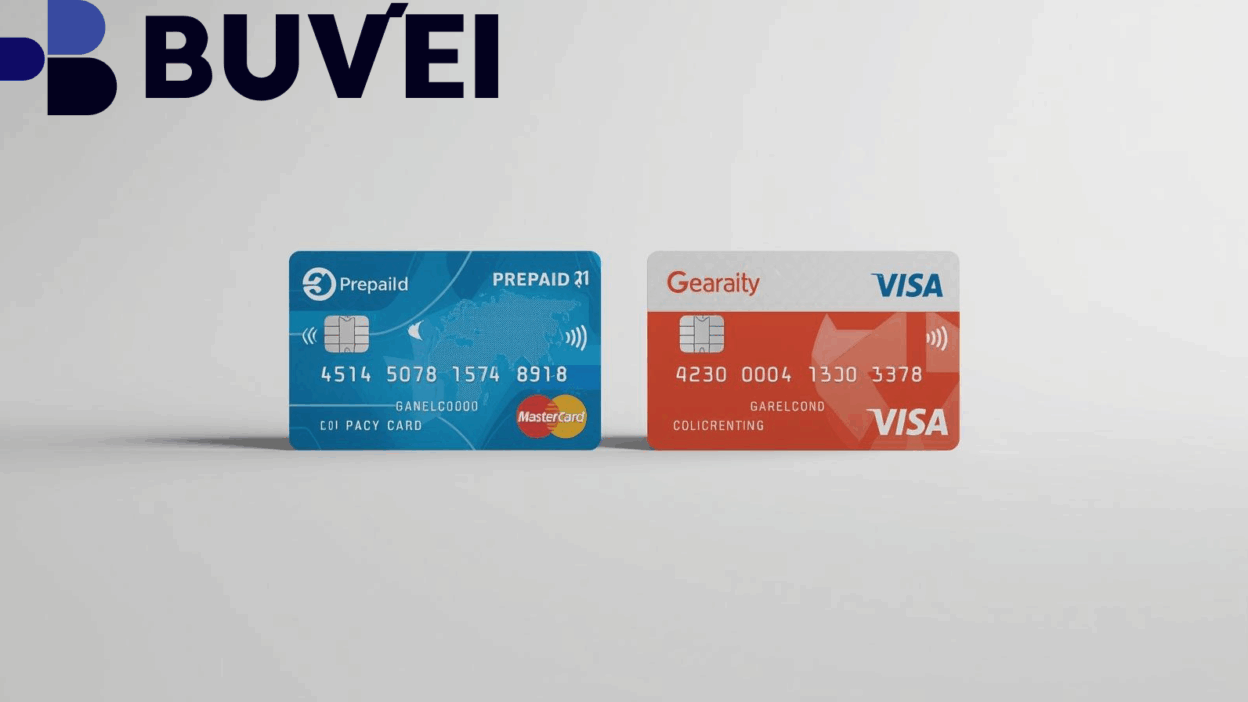
In today’s digital economy, more people are using virtual prepaid cards for online purchases, gifting, and budget control. The two most common brands are Visa and Mastercard. While they appear similar, there are subtle differences that can affect your experience. This article examines virtual prepaid Mastercard vs Visa cards from four key angles: acceptance, fees, security, and global usage. It also provides strategies to enhance reliability and help you make informed choices.

Acceptance and Network Coverage
Merchant Acceptance
Both Visa and Mastercard prepaid cards have widespread global acceptance. Most merchants that accept Visa or Mastercard debit cards will accept virtual prepaid cards as well.
Coverage Considerations
-
Virtual cards are primarily for online use. Some countries or regions may have restrictions.
-
Check if the card supports foreign currency transactions or international purchases.
-
Certain offline scenarios, like car rentals or hotel deposits, may reject virtual cards due to lack of credit authorization.
Summary: Both Visa and Mastercard prepaid cards work similarly in most online and international contexts. For specific use cases like international travel or large deposits, verify the issuer’s terms and merchant acceptance.
Fees and Product Features
Fees
While the network brand itself doesn’t directly set fees, typical differences include:
-
Activation fees
-
Reload or top-up fees
-
Monthly or inactivity fees
-
Foreign currency or international withdrawal fees
For example, Visa gift cards may have activation fees of $2.95–$6.95, while Mastercard gift cards range from $3.95–$7.95.
Features
-
Reloadable vs non-reloadable: Some virtual cards allow multiple top-ups; others, like many gift cards, do not.
-
Cash withdrawals: Most virtual cards are restricted to online purchases and cannot be used at ATMs.
Summary: Fee structures and features depend more on the issuing institution and card product than the network brand. Focus on activation cost, reload options, and international usage fees when comparing cards.
Security and Protection
Zero Liability & Safety Features
Both Visa and Mastercard offer high-level security, including “zero liability” policies that protect you from unauthorized transactions. Because prepaid cards are not linked to your bank account, any loss is limited to the card balance.
Virtual Card Advantages
-
No physical card, reducing risk of theft.
-
Can be linked to mobile wallets or online accounts for instant balance tracking and freezing.
Key Considerations:
-
Choose reputable issuers with clear protection policies.
-
Verify the card supports your intended transactions and regions.
Summary: Security is similar across both networks. The issuer’s credibility and product features are more important than the network brand itself.
Use Cases and Card Selection Strategy
Recommended Strategies for Different Scenarios
-
Online shopping / subscriptions: Both networks are suitable; check support for automatic payments and international transactions.
-
International travel / multi-currency use: Check multi-currency support, overseas withdrawals, and conversion fees.
-
Budget control / gifts: Non-reloadable cards with low activation fees work well. Brand differences are minimal.
-
Frequent reloads / wallet replacement: Choose reloadable cards with low monthly fees and clear terms.
Selection Strategy Summary
-
Prioritize issuer credibility, clear terms, and fees.
-
Consider reloadability, international acceptance, and foreign currency fees.
-
Track transactions via app or online platform for better control and monitoring.
Conclusion
When choosing a virtual prepaid Mastercard or Visa card, the brand itself is less critical than the issuing institution, card terms, fees, and intended usage. By identifying your needs, confirming fee structures, and checking international capabilities, you can select a card that offers convenience, security, and cost control.