
When using a credit or virtual card, have you ever noticed various charges listed on your statement?
One frequently seen term is Card Fee — a simple phrase that actually carries significant weight in understanding your true cost per transaction.
Today, let’s break it down: What exactly is a Card Fee? What are its key components? And how can you manage these fees wisely?

🔍 Quick Definition: What Is a Card Fee?
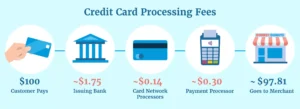
A Card Fee refers to any fee incurred during the lifecycle of a credit or virtual card — from issuance and account maintenance to transaction processing. It includes, but is not limited to, annual fees, card issuance fees, foreign transaction charges, and more. These fees are applicable to both physical credit cards and increasingly common virtual cards.
💡 Common Types of Card Fees
To make things clearer, here are the most common categories of Card Fees:
| Fee Type | Description |
| Annual Fee | A yearly charge for maintaining your credit card account. Some cards waive it for the first year or under certain conditions. |
| Issuance Fee | A one-time fee charged when a physical or virtual card is first issued. |
| Foreign Transaction Fee | Incurred when making purchases in foreign currencies or outside your home country. Calculated as a percentage of the transaction. |
| Cash Advance Fee | Fees applied when withdrawing cash from an ATM using your credit card. Often higher than purchase transaction fees. |
| Late Payment Fee | A penalty for failing to repay your balance on time. |
| Overlimit Fee | Charged when your spending exceeds the card's assigned credit limit. |
| Special Service Charges | Fees for services like card replacement, loss reporting, or paper statement mailing. |
🧠 Card Fees in Virtual Card Usage
While virtual cards eliminate the need for physical production and shipping, they often involve digital service fees such as:
-
Issuance Fee: A cost for generating each new virtual card.
-
Maintenance Fee: Some platforms charge monthly or per-card usage fees.
-
Top-Up Fee: Applied when loading funds into the virtual card.
-
Verification Fee: A temporary pre-authorization amount (e.g., $0.01–$1.00) used to confirm card validity. This amount is usually released shortly after.
✅ Tips to Reduce or Avoid Unnecessary Card Fees
Want to avoid being caught off guard by card fees? Here are a few smart strategies:
-
Opt for cards with no annual fee or low-maintenance requirements.
-
Avoid frequent card cancellations and re-issuance to minimize setup charges.
-
Choose multi-currency supported cards to reduce forex conversion costs.
-
Repay on time to avoid late payment penalties and protect your credit score.
-
Monitor statements regularly to catch irregular charges early.
🏷️ Card Fees Aren’t Always a Burden — But You Should Understand Them
Using credit or virtual cards is essentially entering a trust-based “use now, pay later” system. Card fees exist to ensure operational sustainability and service reliability for all parties involved.
By learning how to decode your fee breakdown, selecting the right product, and using it wisely, you can master your finances and spend smarter.
📣 Transparent Virtual Card Payments for Global Freedom—Buvei
At Buvei, we strive to deliver a virtual card experience that is efficient, flexible, and cost-transparent. With no hidden fees and every charge traceable, we help you unlock global payment freedom with clarity and confidence.