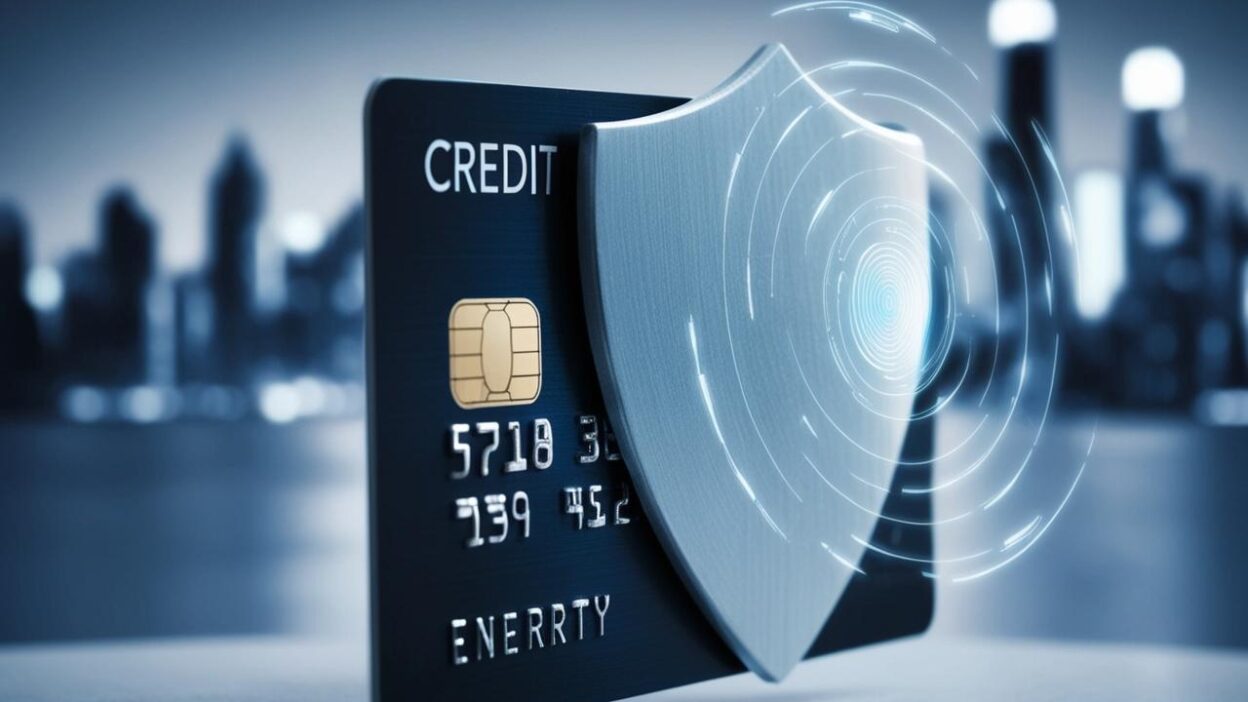
This article provides a detailed analysis of credit card skimming—explaining how it works, common techniques, real-world cases, and the potential financial impact. We will also offer practical prevention tips and introduce innovative tools like virtual cards that serve as powerful defenses against skimming.

What is Credit Card Skimming?
-
ATMs
-
Gas station payment terminals
-
Self-checkout kiosks
-
Restaurant point-of-sale terminals
-
External counterfeit panels: Overlays placed on top of authentic card slots
-
Internal wiring implants: Direct connections to circuit boards to capture data
-
Bluetooth modules: Wireless transmission of stolen information in real time
-
Hidden cameras or fake keypads: Recording PIN entries
Real-World Examples: Skimming Happens Around Us
-
Potential Risks of Credit Card Skimming
| Risk Type | Description |
| 💸 Direct Financial Loss | Criminals can instantly spend or withdraw funds, freeze accounts, and disrupt cash flow. While banks often reimburse victims, the process can be cumbersome and lengthy. |
| 📉 Credit Damage | Unresolved fraudulent charges can negatively affect credit scores and may lead to delinquency records. |
| 😰 Emotional Stress | Victims frequently report anxiety and decreased quality of life during fraud resolution[7]. |
-
How to Prevent Credit Card Skimming
| Checkpoint | Description |
| Card reader stability | If the reader is loose, oddly shaped, or has inconsistent coloring, remain cautious. |
| Keyboard thickness | Unusual key texture or thickness could indicate a fake keypad. |
| Tamper-evident seals | Gas stations often place “VOID” security stickers on readers—avoid using devices with broken seals. |
| Bluetooth anomalies | Use your phone to scan for suspicious Bluetooth signals nearby and avoid such areas. |
-
Cover your PIN while typing
-
Avoid using unattended self-service machines in isolated areas
-
Be alert to unfamiliar individuals nearby or suspiciously placed cameras
-
Enable real-time transaction alerts via SMS or banking apps
-
Review statements frequently
-
Immediately freeze cards and report any unauthorized transactions to your issuer
-
Enhance Security with Virtual Credit Cards
| Feature | Description |
| Instant virtual card generation | Each transaction uses a unique card number, protecting your primary account information. |
| Multi-merchant binding | Customize dedicated card numbers for specific platforms (e.g., Amazon, Netflix). |
| Spending limits & locks | Set daily/monthly limits and enable instant card suspension to prevent fraud. |
| Real-time fraud alerts | Receive immediate notifications for suspicious transactions to quickly respond to threats. |
| Global Visa/MasterCard support | Compatible with international payments, ideal for e-commerce, subscriptions, and travel. |
🛡️ With services like Buvei, users can easily create and manage multiple virtual cards, assign spending limits, and even set expiration dates—ideal for one-time purchases or risky platforms.
Whether you’re subscribing to a streaming service or booking travel online, a Buvei virtual card helps isolate and minimize risk, protecting your primary account from compromise.
Defend Your Payment Sovereignty with Technology
Credit card skimming is a hidden threat in the digital era, but it is far from insurmountable. By increasing awareness, adopting secure payment methods, and leveraging tools like Buvei’s virtual cards, you can become your own first line of defense.
In this dynamic payment landscape, smart card use, proactive prevention, and technological support form the strongest combination to safeguard your funds.
🔐 Don’t wait until your account is compromised to take security seriously. Start building a firewall around every transaction today—with smarter habits and smarter tools.